

Summer Acne Prevention With Lightweight Moisturizer Strategy
When the temperature rises, many people notice their skin changes. Oily shine, clogged pores, and breakouts can make summer a tough season for anyone prone to acne. You might think skipping moisturizer will help, but this is a common mistake. Even in hot weather, your skin needs hydration. The right lightweight moisturizer strategy can keep your skin healthy, prevent acne, and avoid that greasy feeling.
This article explains how using the correct lightweight moisturizer during summer can protect your skin and reduce acne. You will learn how summer affects your skin, what ingredients to look for, and how to build a routine that works for your skin type.
We’ll cover mistakes to avoid, compare popular products, share practical tips, and answer common questions. If you want clear, comfortable skin this summer, read on.
Why Summer Makes Acne Worse
Hot weather, humidity, sweat, and sunscreen all play a role in summer acne. Understanding this will help you choose the right products and routines.
Increased Oil Production
When it’s hot, your skin produces more sebum (oil) to protect itself. This can make your skin look greasy and increase the risk of clogged pores. Extra oil traps dirt and dead skin, leading to breakouts.
Sweat And Clogged Pores
Sweat mixes with oil and sunscreen, creating a sticky layer on your skin. This can block pores, especially if you touch your face or forget to wash it. Sweat also attracts bacteria, which can cause pimples.
Humidity And Product Build-up
Humidity makes skin feel sticky. Many people use heavier creams in winter and forget to switch in summer. Heavy moisturizers and sunscreens can build up, clogging pores and making acne worse.
Sunscreen Side Effects
Some sunscreens contain oils or comedogenic ingredients. If you don’t pick the right sunscreen, you might get more pimples. This is a hidden cause for many people.
Stress And Lifestyle
Summer often brings travel, late nights, and changes in diet. Stress and lack of sleep affect your skin’s repair process. Extra sugar, fried foods, and dehydration also increase acne risk.
Key insight: Sweat, oil, and product build-up can turn a small pimple into a big breakout quickly. Prevention starts with smart choices before problems appear.
The Role Of Moisturizer In Summer Acne Prevention
Many people wrongly believe moisturizers cause acne, especially in summer. But skipping moisturizer can actually make acne worse.
Why Skin Needs Moisture
Even oily skin needs hydration. If you skip moisturizer, your skin may produce more oil to compensate. This makes your face even more greasy and increases acne risk.
Moisturizer helps:
- Balance oil production
- Soothe irritated skin
- Support skin barrier
- Prevent dehydration
Lightweight Moisturizer Vs Heavy Creams
Lightweight moisturizers are water-based and absorb quickly. They don’t leave a sticky or greasy feeling. Heavy creams are good for dry winter skin, but they can block pores in summer.
Lightweight moisturizer benefits:
- Less risk of clogged pores
- Comfortable feel
- Works well with sunscreen
- Reduces shine
Moisturizer Ingredients For Acne-prone Skin
Not all moisturizers are equal. Look for these acne-friendly ingredients:
- Hyaluronic acid – Hydrates without clogging pores.
- Glycerin – Draws water into skin, non-comedogenic.
- Niacinamide – Reduces redness and controls oil.
- Panthenol (Vitamin B5) – Calms skin and supports healing.
- Aloe vera – Soothes and hydrates.
Avoid:
- Mineral oil
- Lanolin
- Heavy butters (shea, cocoa)
- Alcohol (drying)
- Synthetic fragrance
How Moisturizer Helps Prevent Acne
A good moisturizer keeps your skin balanced. When your skin’s barrier is strong, it can fight bacteria and heal faster. Hydrated skin is less likely to overproduce oil. Using a lightweight moisturizer lets your skin breathe and reduces breakouts.
Non-obvious insight: Moisturizer can help your sunscreen work better. Hydrated skin absorbs sunscreen more evenly, protecting your face from UV damage that can worsen acne.
How To Choose The Best Lightweight Moisturizer For Summer
Finding the right moisturizer depends on your skin type, climate, and lifestyle. Here’s how to make a smart choice.
Know Your Skin Type
- Oily skin: Needs oil-free, gel-based, or water-based moisturizers.
- Combination skin: Look for balancing formulas—lightweight, but not drying.
- Sensitive skin: Avoid fragrance and harsh preservatives.
- Normal skin: Can use most lightweight formulas.
Key Features To Look For
- Non-comedogenic – Won’t clog pores.
- Oil-free – Reduces shine.
- Fast-absorbing – No sticky residue.
- Hydrating ingredients – Hyaluronic acid, glycerin.
- Soothing agents – Aloe, panthenol, chamomile.
Check Labels And Claims
Look for clear labels: “non-comedogenic,” “oil-free,” “for acne-prone skin.” Avoid products with thick creams, heavy oils, or long ingredient lists.
Climate And Lifestyle Factors
If you live in a humid area, go for gel or water-based products. If you exercise or sweat often, pick formulas that stay light and won’t melt off.
Practical Example
Suppose you have oily skin and live in a hot, humid city. You should avoid creams with shea butter, and instead pick a gel moisturizer with hyaluronic acid and niacinamide.
Common mistake: Many people choose the cheapest option or follow trends on social media. Always check the ingredient list, not just the marketing claims.
Building A Summer Skincare Routine With Lightweight Moisturizer
A good routine is more than just moisturizer. Here’s how to create a plan that keeps your skin clear and comfortable all summer.
Morning Routine
- Gentle cleanser – Removes overnight oil without drying.
- Lightweight moisturizer – Hydrates and preps skin for sunscreen.
- Sunscreen – Choose oil-free, non-comedogenic SPF.
Night Routine
- Cleanser – Removes sweat, sunscreen, and pollution.
- Lightweight moisturizer – Helps skin recover overnight.
Weekly Add-ons
- Exfoliation – Once or twice per week with a mild exfoliant. Avoid harsh scrubs.
- Clay mask – Helps absorb excess oil.
Sample Routine
Morning:
- Wash face with gentle foaming cleanser
- Apply water-based moisturizer
- Finish with oil-free sunscreen
Night:
- Remove makeup/sunscreen with micellar water
- Cleanse with a mild gel
- Apply lightweight moisturizer
Non-obvious insight: Applying moisturizer on slightly damp skin increases hydration. Don’t wait until your face is completely dry.
Lightweight Moisturizer Strategies For Different Skin Types
Not everyone’s skin is the same. Here are strategies for the most common types:
Oily Skin
- Use gel-based or water-based moisturizers.
- Avoid creams and lotions with oils.
- Look for niacinamide to control shine.
Combination Skin
- Use lightweight moisturizer everywhere.
- Spot treat dry areas with a richer product if needed.
- Avoid products that dry out oily areas.
Sensitive Skin
- Pick fragrance-free, hypoallergenic formulas.
- Look for soothing ingredients like aloe and panthenol.
- Avoid alcohol and synthetic colors.
Dry Skin (in Hot Climates)
- Even in summer, dry skin needs moisture.
- Choose lightweight creams with hyaluronic acid.
- Avoid heavy oils that can block sweat and cause breakouts.
Teenagers And Young Adults
- Hormones can make skin oilier.
- Stick to gel-based products and avoid heavy makeup.
- Don’t skip moisturizer—hydrated skin heals faster.
Practical tip: If your skin is changing because of stress or travel, adjust your moisturizer. Carry travel-sized products to avoid using hotel soaps or random creams.
Comparing Popular Lightweight Moisturizers For Summer Acne Prevention
To help you decide, here’s a comparison of well-known products. These brands are often recommended for acne-prone skin in summer.
| Brand & Product | Key Ingredients | Skin Type | Texture | Comedogenic Rating | Price Range |
|---|---|---|---|---|---|
| Cetaphil Oil-Free Gel | Hyaluronic acid, glycerin | Oily, sensitive | Gel | Low | Mid |
| Neutrogena Hydro Boost | Hyaluronic acid | All | Gel | Low | Mid |
| La Roche-Posay Effaclar Mat | Niacinamide, zinc | Oily, acne-prone | Light cream | Low | High |
| CeraVe PM Lotion | Ceramides, niacinamide | Normal, combo | Lotion | Low | Mid |
| Simple Water Boost Gel | Panthenol, glycerin | Sensitive | Gel | Low | Low |
Product Selection Tips
- Choose gel formulas for oily skin.
- For sensitive skin, pick brands with fewer ingredients.
- Price does not always mean quality. Check reviews and ingredient lists.
- If you have allergies, test products on your wrist before using on your face.
Hidden mistake: Many people use the same moisturizer for years, not realizing their skin changes with age, climate, and lifestyle.
Mistakes To Avoid With Summer Moisturizer Strategy
Even with good products, mistakes can ruin your routine. Here’s what to watch for:
- Skipping moisturizer – This causes more oil and more acne.
- Using heavy creams – These block pores and cause sweat pimples.
- Applying moisturizer to dirty skin – Always cleanse first.
- Mixing too many products – Layering many serums and creams can irritate skin.
- Ignoring sunscreen – Sunburn worsens acne and slows healing.
- Using expired products – Old moisturizers can contain bacteria.
- Not patch testing – Always test new products before full use.
Practical insight: If your skin feels sticky or greasy after applying moisturizer, it’s probably too heavy for summer. Switch to a lighter formula.
Ingredient Deep Dive: What Works, What To Avoid
Understanding moisturizer ingredients helps you make smarter choices. Here are the most common ones:
What Works
- Hyaluronic acid – Holds 1000 times its weight in water, hydrates without oil.
- Glycerin – Safe for all skin types, attracts moisture.
- Niacinamide – Controls oil and soothes redness.
- Panthenol – Calms irritation.
- Aloe vera – Heals and hydrates.
- Ceramides – Help repair skin barrier.
What To Avoid
- Mineral oil – Blocks pores, especially in heat.
- Lanolin – Can cause breakouts.
- Shea butter – Good for dry skin, but too heavy for acne-prone summer skin.
- Synthetic fragrance – Can irritate sensitive skin.
- Alcohol – Dries out skin, causing more oil later.
Comparison Of Common Ingredients
| Ingredient | Hydration Level | Acne Risk | Main Benefit |
|---|---|---|---|
| Hyaluronic acid | High | Low | Hydration |
| Glycerin | Medium | Low | Moisture attraction |
| Niacinamide | Low | Low | Oil control |
| Mineral oil | Medium | High | Barrier repair |
| Shea butter | High | High | Rich moisture |
| Aloe vera | Low | Low | Soothing |
Non-obvious insight: Some natural oils, like jojoba, are similar to human sebum and may work for some oily skin types, but always patch test before full use.
Sunscreen And Moisturizer: How To Combine For Best Results
Sunscreen is essential in summer, but combining it with moisturizer can be tricky. Here’s how to do it:
Layering Order
- Apply lightweight moisturizer first.
- Wait 1–2 minutes for absorption.
- Apply sunscreen (SPF 30+), oil-free and non-comedogenic.
Choosing Combination Products
Some moisturizers have built-in SPF. This can be convenient, but often the SPF is not high enough. Separate products are safer for full protection.
Common Problems
- If your sunscreen feels heavy, switch to gel or water-based formulas.
- Avoid sunscreens with oils or silicones that can block pores.
Example Routine
- Cetaphil Oil-Free Gel + Neutrogena Ultra Sheer Dry-Touch SPF 50
Practical tip: Reapply sunscreen every 2 hours, especially if sweating or swimming. Carry travel-sized products for convenience.
How Diet And Hydration Affect Summer Acne
Skincare is not just about products. What you eat and drink matters, especially in summer.
Drink Enough Water
Dehydration leads to dry skin, which triggers more oil production. Drink at least 2 liters of water per day. Add extra water if you sweat or exercise.
Foods To Avoid
- Sugary drinks and snacks
- Fried foods
- Dairy (can worsen acne for some)
- Processed foods
Foods That Help
- Fruits (watermelon, berries)
- Vegetables
- Lean proteins
- Omega-3 rich foods (salmon, walnuts)
Data: Hydration And Acne
A study from the American Academy of Dermatology found that people who drank more water had less severe acne and better skin healing.
Non-obvious insight: Drinking cold water can help cool your body and reduce oil production in hot weather.
Practical Tips For Staying Acne-free In Summer
Here are some proven strategies you can use every day:
- Wash your face after sweating – Sweat traps oil and bacteria.
- Use clean towels – Dirty towels spread germs.
- Don’t touch your face – Hands carry bacteria.
- Keep hair off your face – Hair products can cause pimples.
- Change pillowcases often – Prevent build-up of oil and bacteria.
- Use blotting papers – Remove excess oil without washing.
- Avoid heavy makeup – Choose breathable, non-comedogenic formulas.
- Carry travel-sized products – For quick touch-ups.
- Apply moisturizer after showering – Locks in hydration.
- Patch test new products – Prevent allergic reactions.
Non-obvious tip: If you swim often, rinse your face after pool or sea water. Chlorine and salt can dry out your skin, causing more oil and acne.
The Science Behind Lightweight Moisturizers
Understanding how lightweight moisturizers work can help you make better choices.
How They Hydrate
Most lightweight moisturizers use humectants (like hyaluronic acid and glycerin) to pull water into the skin. They don’t add extra oil or block pores.
Absorption And Skin Barrier
They absorb quickly and strengthen the skin’s natural barrier. This helps keep bacteria out and prevents dehydration.
Data: Lightweight Vs Heavy Creams
A 2021 clinical trial found that people using gel-based moisturizers had 30% fewer breakouts in summer compared to those using creams.
Why They Are Better In Summer
- Don’t melt or feel sticky in heat
- Reduce shine
- Work well with sunscreen
Non-obvious insight: Lightweight formulas often use less preservatives, lowering risk of skin irritation.
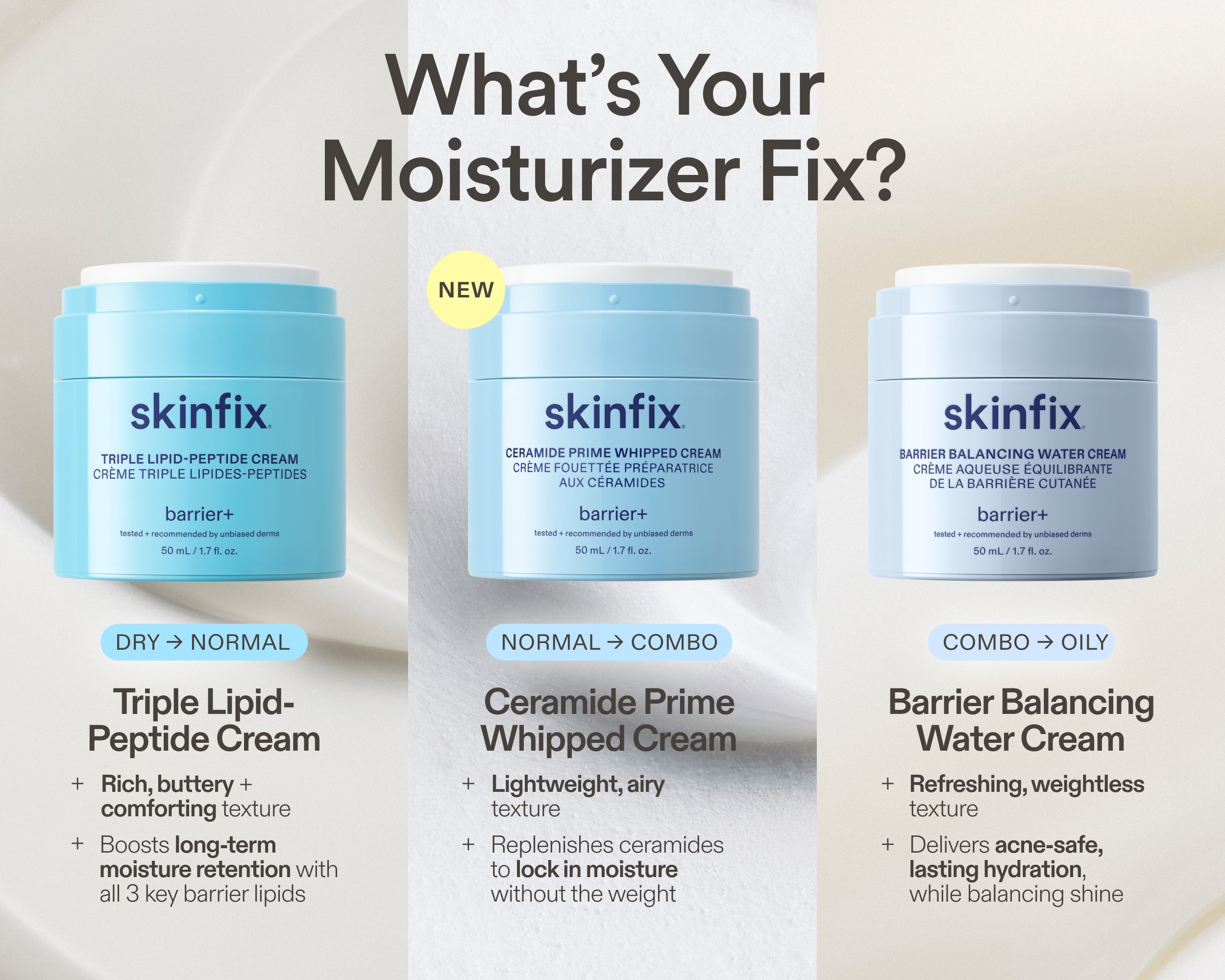
Credit: skinfix.com
Lightweight Moisturizer Strategy For Active Lifestyles
If you play sports, travel, or work outdoors, your skin needs extra care.
Before Activity
- Apply lightweight moisturizer and sunscreen.
- Use a sweat-resistant formula.
After Activity
- Wash face to remove sweat and dirt.
- Reapply moisturizer to help skin recover.
Travel Tips
- Bring small bottles of your favorite products.
- Avoid using hotel soaps or lotions.
- Use blotting papers for quick oil removal.
Example: Sports Routine
Morning:
- Cleanse, moisturize, apply sunscreen.
After game/practice:
- Cleanse, moisturize again.
Practical tip: If you sweat a lot, you may need to moisturize more often. Carry a travel-sized bottle for convenience.
Common Myths About Moisturizer And Acne
Many people believe things that aren’t true about moisturizers and acne. Let’s clear up the confusion.
Myth 1: Moisturizer Makes Acne Worse
Fact: The wrong moisturizer can cause acne, but a lightweight, non-comedogenic formula prevents breakouts.
Myth 2: Oily Skin Doesn’t Need Moisturizer
Fact: Skipping moisturizer causes more oil production and more acne.
Myth 3: Only Teenagers Get Summer Acne
Fact: Adults also get acne, especially in hot climates or during hormonal changes.
Myth 4: Natural Ingredients Are Always Safe
Fact: Some natural oils and butters block pores. Always patch test.
Myth 5: Sunscreen Causes Acne
Fact: Some sunscreens do, but oil-free, non-comedogenic SPF is safe.
Non-obvious insight: Many people use home remedies (lemon, toothpaste) that can damage skin and increase acne.

Credit: obvs-skincare.com
How To Adjust Your Moisturizer Strategy Throughout Summer
Your skin changes as summer progresses. Early summer may be less humid; late summer can be sticky and hot. Adjust your strategy for the best results.
Early Summer
- Start with lightweight lotions
- Watch for first signs of oiliness
Peak Summer
- Switch to gel or water-based formulas
- Use less product, apply more often if needed
Late Summer
- Monitor for dryness as weather changes
- Move back to light creams if needed
After Vacation Or Travel
- Cleanse extra well after flights or bus trips
- Patch test new products
- Hydrate more if skin feels tight
Practical tip: Keep a diary of how your skin feels. If you notice more breakouts, switch formulas or adjust your routine.
How To Patch Test A New Moisturizer
Patch testing prevents allergic reactions and breakouts. Here’s how to do it:
- Apply a small amount to your wrist or behind your ear.
- Wait 24 hours.
- Check for redness, itching, or pimples.
- If no reaction, use on your face.
Practical tip: If you use multiple new products, test them one at a time.

Credit: illinoisderm.com
Tracking Your Summer Skin Progress
Keeping track of your skin helps you spot problems early and adjust your routine.
How To Track
- Take photos every week
- Note when you change products
- Record breakouts, dryness, or irritation
What To Watch For
- Increase in acne
- Skin feeling sticky or greasy
- Redness or itching
Adjusting Your Routine
If you notice more breakouts, switch to a lighter formula or use less product. If your skin feels dry, add more hydration.
Non-obvious tip: Sometimes, breakouts are caused by stress or diet, not products. Tracking helps you find the real cause.
Comparing Moisturizer Application Methods
How you apply moisturizer can affect results. Here’s a comparison of methods.
| Method | Best For | Pros | Cons |
|---|---|---|---|
| Fingers | All skin types | Easy, quick | Must wash hands |
| Brush | Sensitive skin | Gentle application | Brush must be clean |
| Pad/Cotton | Oily skin | Can control amount | Waste product |
Practical tip: Always wash hands before applying moisturizer to avoid bacteria.
When To See A Dermatologist
If acne gets worse or doesn’t improve, see a skin doctor.
Signs You Need Help
- Severe breakouts
- Painful pimples or cysts
- Scarring or dark spots
- Allergic reactions
How Dermatologists Help
- Recommend prescription products
- Check for hormonal or medical causes
- Help build a safe routine
For more information, visit the American Academy of Dermatology.
Non-obvious tip: Some medications make skin sensitive to sun. Always tell your doctor about your summer routine.
Frequently Asked Questions
What Is The Best Lightweight Moisturizer For Acne-prone Skin In Summer?
Look for gel-based, oil-free, and non-comedogenic products. Neutrogena Hydro Boost and Cetaphil Oil-Free Gel are popular choices. Always check the ingredient list for hyaluronic acid, glycerin, and niacinamide.
Can I Skip Moisturizer If My Skin Feels Oily?
No. Skipping moisturizer makes your skin produce more oil, leading to more acne. Use a lightweight, water-based formula to hydrate without adding shine.
Should I Use Moisturizer Before Or After Sunscreen?
Apply moisturizer first. Wait 1–2 minutes for it to absorb, then apply sunscreen. This helps both products work better and protects your skin.
How Often Should I Reapply Moisturizer In Summer?
Usually, twice a day—morning and night. If you sweat a lot or wash your face often, you may need a midday application. Use small amounts to avoid stickiness.
What Should I Do If My Moisturizer Causes Breakouts?
Stop using it immediately. Switch to a lighter, gel-based formula. Patch test new products before use. If acne worsens, see a dermatologist.
Clear skin is possible, even in summer. The right lightweight moisturizer strategy can keep your face hydrated, comfortable, and acne-free. Don’t let myths or old habits stop you from making smart choices. Adjust your routine as needed, track your progress, and enjoy the confidence that comes from healthy skin.