

Psychodermatology: How Anxiety And Depression Manifest In Skin And Hair
When people feel sad, worried, or stressed, they often notice changes in their body. But what many do not realize is that the skin and hair are also deeply affected by the mind. The field of psychodermatology studies how mental health and skin are connected. If you have ever noticed your skin breaking out before an exam, or your hair falling more during stressful times, you have experienced this connection firsthand. Understanding this link is very important, especially for those who face anxiety or depression regularly. Many people visit skin doctors for rashes, itching, or hair loss, not knowing that their mind might be causing or worsening their problem.
This article will explain how mental health, especially anxiety and depression, can appear as real changes in the skin and hair. We will look at what psychodermatology is, how stress affects the body, and which skin and hair problems are linked to mental health.
You will learn why these problems happen, how doctors diagnose them, and what treatment options are available. Real-life examples, scientific data, and expert advice are included to help you recognize and manage these symptoms better. Even if you are not a doctor, you will find practical tips for your daily life.
By the end, you will see how caring for your mind is just as important as caring for your skin and hair.
What Is Psychodermatology?
Psychodermatology is a special area that connects psychology (the study of the mind) with dermatology (the study of skin and hair). This field looks at how mental health problems, like anxiety and depression, can cause or make skin and hair problems worse. It also studies how having skin or hair issues can affect your mental health, making you feel sad, worried, or embarrassed.
Some common reasons people visit a psychodermatologist include:
- Skin rashes that start during stressful times
- Hair loss after a big life change or trauma
- Itching or skin picking when feeling anxious
- Feeling very self-conscious about acne or scars
Psychodermatology is still a new area in many countries, but it is growing fast. More doctors now understand that the mind and skin are linked. In fact, some studies show that almost one in three people with skin problems also have a mental health issue.
How Stress, Anxiety, And Depression Affect The Body
Before looking at the specific skin and hair problems, it helps to know how mental health affects the body. When you feel anxious or depressed, your body releases stress hormones like cortisol and adrenaline. These hormones are helpful for short-term stress, but if your body releases them for a long time, they can create problems.
The Stress Response System
The body has a system called the hypothalamic-pituitary-adrenal (HPA) axis. This system controls how the body responds to stress. When you are stressed, the HPA axis tells your adrenal glands to produce more cortisol.
- Cortisol can make your skin oily, increase inflammation, and slow down healing.
- Adrenaline can make you sweat more and feel jittery.
If this stress response continues for weeks or months, it can weaken your immune system. This makes your skin more likely to get infections or react badly to things that never bothered you before.
Brain-skin Connection
The skin and brain are made from the same layer of cells when a baby is growing in the womb. This is one reason why the skin is very sensitive to what happens in the brain. Nerves in the skin send messages to the brain, and the brain sends signals back.
When you feel emotions, your skin can react quickly.
For example:
- Embarrassment can cause blushing.
- Fear can make your skin pale.
- Nervousness can cause sweating or itching.
This close connection means that mental health problems can easily show up in the skin and hair.
Credit: www.glamourmagazine.co.uk
Common Skin Problems Linked To Anxiety And Depression
Many skin problems are connected to stress, anxiety, and depression. Some are made worse by these conditions, and others may even start because of them. Here are some of the most common skin issues seen in psychodermatology.
1. Acne
Acne is not just a teenage problem. Adults with anxiety or depression often notice more pimples or blackheads during stressful times. Stress increases oil production, which can block pores and cause breakouts.
- Research shows that up to 70% of adults with acne say their skin gets worse when they are stressed.
- Anxiety can also make people touch or pick their face more, spreading bacteria and making acne worse.
2. Eczema (atopic Dermatitis)
Eczema is a condition where the skin becomes itchy, red, and dry. Many people with eczema notice their symptoms get worse when they are anxious or sad.
- Stress can weaken the skin barrier, making it easier for irritants to enter.
- Scratching from anxiety or restlessness can break the skin and cause infections.
Children with eczema are also more likely to feel anxious or have trouble sleeping, creating a cycle that is hard to break.
3. Psoriasis
Psoriasis is a long-term condition where the skin forms thick, scaly patches. It is linked to the immune system and often gets worse during stressful times.
- Up to 60% of people with psoriasis say their symptoms flare up when they are under stress.
- Feeling embarrassed by visible patches can lead to social anxiety or depression.
Psoriasis is more than a skin problem; it can affect confidence, relationships, and daily life.
4. Urticaria (hives)
Hives are raised, red, itchy bumps that can appear suddenly on the skin. Many people get hives after a stressful event, such as a big exam or argument.
- The body releases chemicals like histamine during stress, causing the skin to react.
- Chronic hives (lasting more than six weeks) are often linked to ongoing anxiety or depression.
Hives can be very uncomfortable and may come and go without warning.
5. Rosacea
Rosacea causes redness, flushing, and sometimes pimples on the face. Stress is a common trigger for flare-ups.
- Anxiety can make blood vessels in the skin open wider, causing redness.
- Some people notice their face gets hot and red when they feel nervous or embarrassed.
Rosacea can be hard to control if mental health is not also managed.
6. Excessive Sweating (hyperhidrosis)
Hyperhidrosis is when a person sweats much more than normal. Anxiety and stress are major triggers.
- Sweating can happen even when you are not hot.
- This can cause embarrassment and make social anxiety worse.
Sweating is not dangerous but can make people avoid certain activities or clothing.
7. Itching Without A Clear Cause (psychogenic Itch)
Some people feel itchy all over, even though doctors cannot find a physical cause. This is called psychogenic itch.
- Anxiety and depression can make nerves in the skin more sensitive.
- Scratching can become a habit, leading to more itching and sometimes skin damage.
Psychogenic itch is often overlooked, but it is a real and distressing problem.
8. Skin Picking (excoriation Disorder) And Hair Pulling (trichotillomania)
Some people cope with anxiety or stress by picking at their skin or pulling their hair. These are called body-focused repetitive behaviors.
- Skin picking can cause scars, infections, and bleeding.
- Hair pulling can lead to bald spots and embarrassment.
These behaviors are not just bad habits—they are recognized mental health disorders and need special treatment.
9. Vitiligo
Vitiligo is a condition where patches of skin lose their color. Emotional stress does not cause vitiligo, but it can make it spread faster or appear more suddenly.
- Living with vitiligo can lead to social anxiety and low self-esteem.
- People with anxiety or depression may find it harder to cope with the changes in their appearance.
10. Herpes Simplex Outbreaks
The herpes simplex virus (which causes cold sores) is often triggered by stress or emotional upset.
- Anxiety can lower the immune system, making outbreaks more likely.
- Depression can make self-care harder, leading to more frequent flare-ups.
People with frequent cold sores often feel embarrassed, adding to their stress.
11. Dermatitis Artefacta
This rare condition happens when people create skin lesions on purpose, often without realizing it, due to severe mental health issues.
- These wounds may not heal because the person keeps harming the skin.
- It is often linked to trauma, depression, or personality disorders.
Dermatitis artefacta needs care from both skin doctors and mental health professionals.
Common Hair Problems Linked To Anxiety And Depression
Hair is very sensitive to changes in the mind and body. Here are the most common ways anxiety and depression can affect hair.
1. Telogen Effluvium (stress-related Hair Shedding)
Telogen effluvium is a condition where large amounts of hair fall out after a stressful event.
- Hair growth has three phases: Growth, rest, and shedding.
- Stress can push more hairs into the shedding phase, causing sudden hair loss.
- This usually happens 2–3 months after the stressful event.
Examples of triggers include losing a loved one, a breakup, or losing a job. The good news is that this type of hair loss is usually temporary.
2. Alopecia Areata
Alopecia areata is an autoimmune disease where the body attacks its own hair follicles, causing round bald patches.
- Anxiety and depression do not directly cause alopecia areata, but they can trigger flare-ups or make them worse.
- People with this condition often feel self-conscious and may avoid social situations.
Managing stress can help prevent new patches from appearing.
3. Trichotillomania (hair Pulling Disorder)
As explained earlier, trichotillomania is a mental health disorder where people pull out their own hair because of anxiety or stress.
- It can affect the scalp, eyebrows, eyelashes, or other body hair.
- Some people do not realize they are doing it, especially when watching TV or reading.
This disorder is more common in teenagers and young adults but can affect anyone.
4. Hair Graying
Stress and depression can make hair turn gray earlier in some people.
- Research suggests that stress may damage the cells that color hair (melanocytes).
- While genes play the biggest role in when hair turns gray, mental health can speed up the process.
This is not dangerous, but it can be upsetting for those affected.
Why Do Skin And Hair React To The Mind?
You might wonder why skin and hair are so easily affected by mental health. Here are some reasons:
- The skin is full of nerve endings that respond to emotions.
- Stress hormones make the skin produce more oil and become more inflamed.
- The immune system changes during anxiety or depression, making the skin and hair weaker.
A unique fact: The skin is sometimes called the “third brain” because it has its own network of nerves and can make some decisions without the brain’s help. This is why you can feel a “tingle” or “creep” on your skin even before you know you are afraid or excited.
The Cycle Of Skin, Hair, And Mental Health
Skin and hair problems do not just start from the mind—they can also make mental health worse. For example:
- Someone with acne may feel embarrassed and avoid friends, leading to loneliness and depression.
- Hair loss can lower self-esteem and make social anxiety worse.
This cycle can be very hard to break. Many people feel stuck: their skin or hair gets worse because of stress, and then they feel more stressed because of their appearance.
Credit: kzootms.com
Diagnosing Psychodermatology Conditions
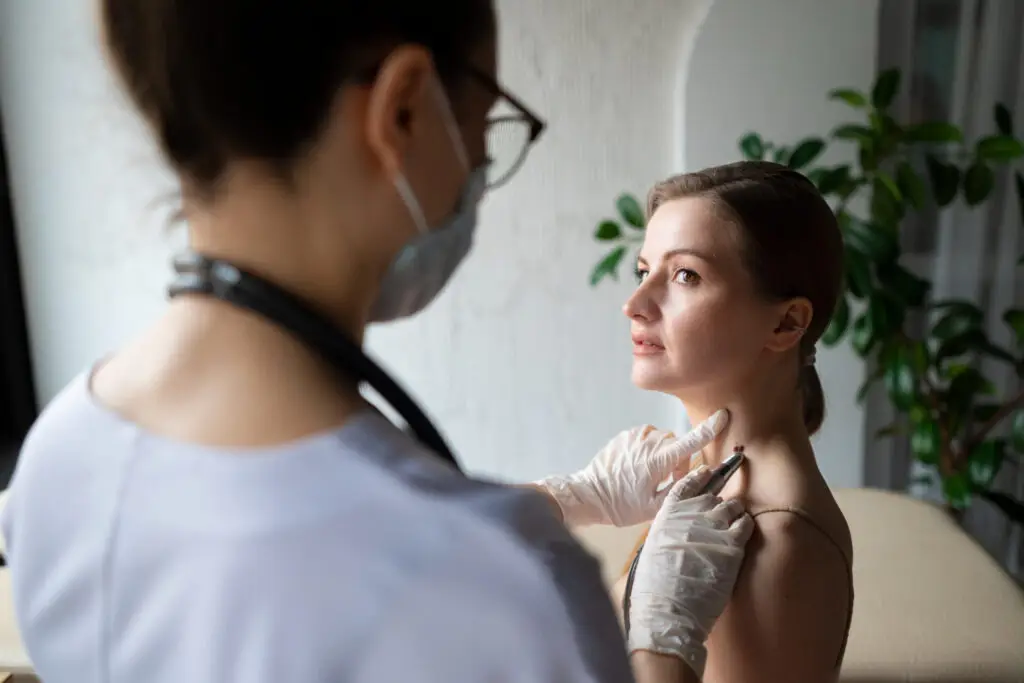
Diagnosing skin or hair problems linked to mental health is not always easy. Here are the steps doctors usually take:
Medical History
Doctors ask about:
- When the problem started
- Any recent stress, trauma, or life changes
- Sleep, appetite, and mood
- Family history of skin or mental health problems
Physical Exam
Doctors look for:
- Signs of infection, inflammation, or injury
- Patterns (for example, are the skin lesions in areas you can reach easily?)
- Signs of skin picking or hair pulling
Psychological Assessment
A psychologist or psychiatrist may ask about:
- Anxiety, depression, or other mental health symptoms
- Obsessive thoughts or rituals
- Stress coping skills
Laboratory Tests
Sometimes, blood tests or skin samples are needed to rule out other causes. For example, thyroid problems can cause hair loss, and infections can cause rashes.
Special Tests
In some cases, doctors use:
- Patch tests (for allergies)
- Scalp biopsies (for hair loss)
- Dermatoscopy (to look closely at skin lesions)
Early diagnosis is important. The sooner you find out the cause, the easier it is to treat both the skin/hair problem and the mental health issue.
Treatment Options For Mind-related Skin And Hair Problems
Treating psychodermatology conditions often needs a team approach. Here are the main treatment options:
1. Medical Treatments For Skin And Hair
Doctors may prescribe:
- Creams or ointments for inflammation, itching, or infection
- Pills for severe acne, eczema, or hives
- Special shampoos or lotions for hair loss
- Light therapy for psoriasis or vitiligo
These treatments help control the physical symptoms, but they may not work as well if mental health is not managed.
2. Counseling And Psychotherapy
Talking therapies are very helpful, especially for people with anxiety, depression, skin picking, or hair pulling.
- Cognitive-behavioral therapy (CBT) helps change negative thoughts and behaviors.
- Habit reversal therapy teaches people to stop skin picking or hair pulling.
- Mindfulness-based therapy helps people relax and focus on the present.
These therapies can be done in person or online.
3. Medication For Anxiety And Depression
If anxiety or depression is severe, doctors may suggest medicines like:
- Antidepressants (such as SSRIs)
- Anti-anxiety medications (for short-term use)
- Medications for obsessive-compulsive disorder (for skin picking or hair pulling)
Always talk to a doctor before starting or stopping any medication.
4. Stress Management Techniques
Learning how to handle stress can prevent flare-ups. Some helpful techniques include:
- Deep breathing exercises
- Progressive muscle relaxation
- Yoga or tai chi
- Meditation and guided imagery
Regular practice can lower stress hormones and improve skin and hair health.
5. Lifestyle Changes
Simple changes can make a big difference:
- Eating a balanced diet with plenty of fruits and vegetables
- Getting enough sleep
- Avoiding smoking and too much alcohol
- Regular exercise
Exercise is especially helpful because it lowers stress and improves mood.
6. Support Groups
Joining a support group (online or in person) can reduce feelings of isolation. Sharing experiences with others who understand can help you feel less alone and learn new coping skills.
7. Education And Awareness
Learning more about your condition can help you manage it better. Some people find it helpful to keep a diary of their symptoms and triggers. This can help you and your doctor find patterns and avoid flare-ups.
Data And Statistics: How Common Are These Problems?
To understand how many people are affected, here is some data from recent studies:
| Condition | Percent Also Having Anxiety/Depression | Percent Triggered/Worsened by Stress |
|---|---|---|
| Acne | 45-60% | 70% |
| Psoriasis | 50-65% | 60% |
| Eczema | 40-55% | 50% |
| Trichotillomania | 75% | 80% |
| Urticaria (Hives) | 30-40% | 55% |
These numbers show that mental health and skin/hair problems often go together. Many people are not aware of this connection and may not get the right treatment.
Real-life Example: How Anxiety Affected Sarah’s Skin
Sarah was a 28-year-old woman who came to her doctor with severe eczema. Her skin was red, itchy, and sometimes bleeding. She had tried many creams, but nothing helped for long. After talking more, her doctor learned that Sarah was going through a tough divorce and had lost her job.
She was having trouble sleeping and felt sad most days.
Sarah’s doctor suggested she see a counselor along with her skin treatment. After a few months of therapy and learning stress management, her eczema improved. She still had some flare-ups, but they were less severe and easier to control.
Sarah’s story is common. Many people with skin or hair problems find that their symptoms get better when they take care of their mental health.
Table: How Different Skin Problems Show Up With Anxiety And Depression
Here is a comparison of how skin problems can look and feel when they are linked to anxiety or depression:
| Condition | Physical Symptoms | Mental/Emotional Symptoms | Common Triggers |
|---|---|---|---|
| Acne | Pimples, blackheads | Low self-esteem, embarrassment | Stress, anxiety |
| Psoriasis | Red, scaly patches | Social withdrawal, sadness | Stress, depression |
| Eczema | Itchy, dry skin | Restlessness, frustration | Anxiety, poor sleep |
| Urticaria (Hives) | Itchy welts | Worry about appearance | Sudden emotional stress |
| Trichotillomania | Bald patches, broken hairs | Guilt, shame | Anxiety, tension |
This table shows that the physical signs are only part of the problem. Emotional symptoms are just as important to address.
Non-obvious Insights: What Beginners Often Miss
Many people think that skin and hair problems are only about hygiene or genetics. But there are some important facts that beginners often miss:
1. Invisible Stress Can Cause Visible Symptoms
Sometimes, people do not feel “stressed” in the usual way, but their body shows it. For example, someone may not feel anxious, but their skin breaks out or their hair falls out after a tough month at work. The body can react even before you notice the feelings.
- Treatment Works Best When Both Mind And Skin Are Treated
Using creams or medicines alone often does not solve the problem if the mind is not also cared for. Many people see big improvements when they add counseling or stress management to their skin or hair care routine.
3. Social Media And Perfectionism Can Make Things Worse
Many people compare their appearance to “perfect” photos online, which can increase anxiety and depression. This can create a cycle where stress makes skin or hair problems worse, leading to even more stress.
4. Delayed Reactions Are Common
Skin or hair problems can start weeks or even months after a stressful event. This delay can make it hard to connect the dots. Keeping a diary of stress and symptoms can help you spot patterns.
5. Support From Others Is Powerful
Many people hide their skin or hair problems, thinking they are alone. Joining a support group or talking to friends can make a big difference. Emotional support can lower stress and help with healing.
Practical Tips For Managing Mind-related Skin And Hair Problems
If you are struggling with skin or hair changes and think anxiety or depression might be involved, here are practical steps you can try:
1. Talk To A Doctor Or Counselor
Do not be afraid to mention your mental health when you visit a dermatologist. Ask if stress could be affecting your skin or hair.
2. Use Gentle Skincare Products
Avoid harsh soaps or treatments that can irritate the skin. Look for products made for sensitive skin.
3. Protect Your Sleep
Try to keep a regular sleep schedule. Poor sleep can make both mental health and skin problems worse.
4. Eat Regular, Balanced Meals
Low blood sugar or poor nutrition can make you feel more anxious and may affect your skin.
5. Move Your Body
Even gentle exercise like walking can help lower stress hormones.
6. Learn To Say No
Protect your time and energy. Too many commitments can increase stress.
7. Limit Social Media
If social media makes you feel worse about your skin or hair, take breaks or unfollow accounts that trigger negative feelings.
8. Try Relaxation Exercises
Apps and videos for deep breathing, meditation, or yoga can be very helpful.
9. Notice Early Warning Signs
If you start to see more pimples, itching, or hair loss, check if you are feeling more stressed than usual. Take action early.
10. Celebrate Small Wins
Healing takes time. Notice and celebrate even small improvements in your mental health or skin.
The Role Of Family And Friends
Support from loved ones is very important. If someone you care about is struggling with skin or hair problems and seems sad or anxious, you can help by:
- Listening without judging
- Encouraging them to seek help
- Learning more about their condition
- Helping them find support groups or resources
Kindness and patience can make a big difference in someone’s recovery.
How To Find A Psychodermatologist
Psychodermatology is still a new field in many places, but you can start by asking your dermatologist or family doctor for a referral. Many large hospitals now have multidisciplinary teams that include dermatologists, psychologists, and psychiatrists.
If you cannot find a psychodermatologist in your area, you can still benefit from working with both a skin doctor and a mental health professional. Ask them to work together and share information about your symptoms and treatment.
For more information on psychodermatology, you can visit the American Academy of Dermatology.
Table: Comparison Of Treatments For Psychodermatology Conditions
Here is a comparison of common treatments and what problems they help most:
| Treatment | Best For | How It Helps | Limitations |
|---|---|---|---|
| Topical Creams | Eczema, psoriasis, acne | Reduces redness, swelling, itching | Does not address mental health |
| Oral Medication | Severe acne, hives, depression | Treats internal causes | Possible side effects |
| Counseling/Therapy | Anxiety, depression, skin picking | Improves coping skills, lowers stress | Requires time and commitment |
| Support Groups | Chronic conditions | Reduces isolation, shares advice | Not everyone has access |
| Lifestyle Changes | All conditions | Supports overall health | Results take time |
This table shows that the best results come from combining treatments for both the body and mind.
Credit: www.aromatherapyassociates.com
Frequently Asked Questions
What Is Psychodermatology?
Psychodermatology is the study of how mental health (like anxiety or depression) and skin/hair problems are connected. It looks at how emotions can cause or make skin and hair conditions worse, and how these issues can affect your mood and feelings.
Can Stress Really Cause Skin Rashes Or Hair Loss?
Yes, stress can cause real physical symptoms. Stress hormones like cortisol can make your skin oily, inflamed, or itchy. Stress can also push more hairs into the shedding phase, leading to temporary hair loss (telogen effluvium).
How Do Doctors Treat Skin Problems Linked To Anxiety Or Depression?
Treatment usually involves both skin/hair care (like creams or medicines) and mental health care (like counseling or stress management). Sometimes, support groups or medications for anxiety or depression are also recommended.
Is It Possible To Prevent Skin Problems Caused By Stress?
You cannot always prevent these problems, but you can lower your risk by managing stress, getting enough sleep, eating a healthy diet, and seeking help early if you notice changes in your skin or hair.
Where Can I Find More Information About Psychodermatology?
A good place to start is the American Academy of Dermatology website. You can also ask your doctor for resources or referrals to specialists.
Taking care of your mind is just as important as caring for your skin and hair. If you notice changes and feel stressed, anxious, or sad, do not hesitate to reach out for help. The mind and body work together, and you deserve support for both.