

Winter brings cold air, dry winds, and low humidity. For people with eczema and atopic dermatitis, these conditions can make skin problems much worse. If you have these skin conditions, you know the itching, redness, and discomfort can feel endless during winter. Finding a gentle moisturizer that protects, calms, and heals your skin is not just a luxury—it’s necessary. But with so many products, confusing labels, and marketing tricks, choosing the right winter moisturizer can be difficult. This guide will help you understand what really matters, how to avoid common mistakes, and which products are safest for sensitive skin.
Why Winter Is Tough For Eczema And Atopic Dermatitis
Winter air holds less moisture. When you go outside, cold winds strip oils from your skin. Indoors, heaters dry out the air even more. This combination creates a dry environment that pulls water from your skin, making eczema and atopic dermatitis symptoms worse.
People with these conditions already have a weak skin barrier. Winter makes it even weaker. The result: more itching, flaking, redness, and sometimes painful cracks. Without a good moisturizer, the skin cannot repair itself. That’s why using the right moisturizer is so important—especially in winter.
What Makes A Moisturizer “gentle” For Sensitive Skin?
Not every moisturizer is good for eczema or atopic dermatitis. Some contain fragrances, alcohol, or harsh chemicals that can irritate the skin. Others might be too light for winter, offering little protection. A gentle moisturizer usually has:
- No strong fragrances or dyes
- No alcohols or harsh chemicals
- Rich, but non-greasy texture
- Ingredients that support the skin barrier (like ceramides)
- Tested for sensitive skin
It’s not just about what’s inside, but also what’s left out. Even “natural” products can sometimes cause reactions if they use essential oils or plant extracts.
Essential Ingredients To Look For
Choosing the right moisturizer starts with understanding ingredients. Some help the skin heal, others lock in moisture, and a few offer extra protection. Here are key ingredients:
- Ceramides: They help repair the skin barrier.
- Glycerin: Pulls moisture into the skin.
- Petrolatum: Creates a protective layer.
- Hyaluronic acid: Holds water in the skin.
- Colloidal oatmeal: Soothes itching and inflammation.
- Shea butter: Moisturizes and calms.
- Dimethicone: Prevents water loss.
These ingredients are proven by studies to help eczema and atopic dermatitis. Avoid products with lanolin, fragrances, and essential oils unless you know you’re not allergic.
Types Of Moisturizers: Creams, Ointments, And Lotions
There are three main types of moisturizers. Each works differently, and some are better for winter:
- Ointments: Thick, greasy, and create a strong barrier. Great for severe dryness.
- Creams: Rich, but less greasy. Suitable for most people.
- Lotions: Light, absorb quickly. Not enough for harsh winter or severe eczema.
For winter, creams and ointments are usually best. Lotions can be too light unless your skin is only mildly dry.
| Type | Texture | Best For | Winter Suitability |
|---|---|---|---|
| Ointment | Thick, greasy | Severe dryness, cracked skin | Excellent |
| Cream | Rich, less greasy | Moderate dryness | Very Good |
| Lotion | Light, watery | Mild dryness | Poor |
How To Apply Moisturizer For Maximum Effect
Even the best moisturizer won’t help if applied incorrectly. Here’s how to get the most benefit:
- Apply right after bathing, while skin is still damp. This locks in moisture.
- Use gentle, upward strokes—don’t rub hard.
- Cover all affected areas, including hands and face.
- Reapply during the day if skin feels dry or itchy.
- Use thicker ointment at night for deep repair.
Most people miss reapplying during the day. Winter air strips away moisture quickly, so don’t wait until skin feels dry—apply before it happens.
Common Mistakes When Choosing Winter Moisturizer
Many people make simple mistakes when picking a moisturizer:
- Trusting fancy packaging or “natural” claims without reading ingredients
- Choosing lotion instead of cream or ointment for severe dryness
- Ignoring allergies to lanolin, parabens, or plant extracts
- Using scented products that can trigger flares
- Forgetting to reapply during the day
A non-obvious insight: Some “baby” products are not always safe for eczema. They may contain hidden fragrances. Always check the ingredient list, not just the label.

Credit: www.healthline.com
15 Gentle Winter Moisturizers For Eczema And Atopic Dermatitis
Let’s look at gentle picks, tested for sensitive skin and suitable for winter. Each has unique qualities, but all focus on protecting and healing the skin. Descriptions include real-world feedback and scientific evidence where possible.
1. Vanicream Moisturizing Cream
Vanicream is often recommended by dermatologists. Its formula is simple—no fragrances, dyes, or parabens. It’s rich but not greasy, easy to spread, and absorbs well. Many people with eczema report less itching and redness after regular use. It contains petrolatum and dimethicone, both help protect the skin barrier.
2. Cerave Moisturizing Cream
CeraVe uses ceramides—important for repairing the skin. It also includes hyaluronic acid. The cream is thick and suitable for winter. It’s free from fragrances and tested for sensitive skin. Most users notice less dryness and improved skin texture in a few days.
3. Eucerin Advanced Repair Cream
Eucerin is trusted for dry, sensitive skin. This cream contains urea and ceramides, which help soften rough patches. It’s gentle, unscented, and absorbs quickly. Studies show urea can reduce scaling and roughness in eczema.
4. Aquaphor Healing Ointment
Aquaphor is an ointment, so it’s thicker and greasier. It uses petrolatum to form a protective layer. There are no fragrances or preservatives. It’s ideal for cracked skin or severe eczema. Applying at night can prevent moisture loss.
5. Aveeno Eczema Therapy Moisturizing Cream
Aveeno uses colloidal oatmeal, proven to soothe itching and calm inflammation. The cream is rich but not sticky, and contains ceramides. Clinical trials show less redness and fewer flares with daily use.
6. La Roche-posay Lipikar Balm Ap+
This French brand is dermatologist-recommended. The balm includes shea butter, niacinamide, and ceramides. It’s very rich, perfect for winter, and helps restore the skin barrier. Many users with chronic eczema report fewer flare-ups.
7. Neutrogena Hydro Boost Gel Cream
Neutrogena’s gel cream uses hyaluronic acid. It’s lighter than ointments, but still very moisturizing. It’s fragrance-free and absorbs quickly. Ideal for daytime use, especially on the face.
8. Cetaphil Restoraderm Eczema Calming Body Moisturizer
Cetaphil is gentle and often recommended for eczema. This formula uses ceramides and filaggrin technology to help repair the skin. It’s rich, fragrance-free, and suitable for children and adults.
9. First Aid Beauty Ultra Repair Cream
This cream contains colloidal oatmeal, shea butter, and allantoin. It calms irritation and repairs dry patches. Many people with atopic dermatitis find it reduces itching quickly.
10. Mustela Stelatopia Emollient Balm
Mustela is made for babies and adults with sensitive skin. It uses sunflower oil distillate and shea butter. The balm is thick and good for winter. It’s tested for eczema, safe for infants, and contains no fragrances.
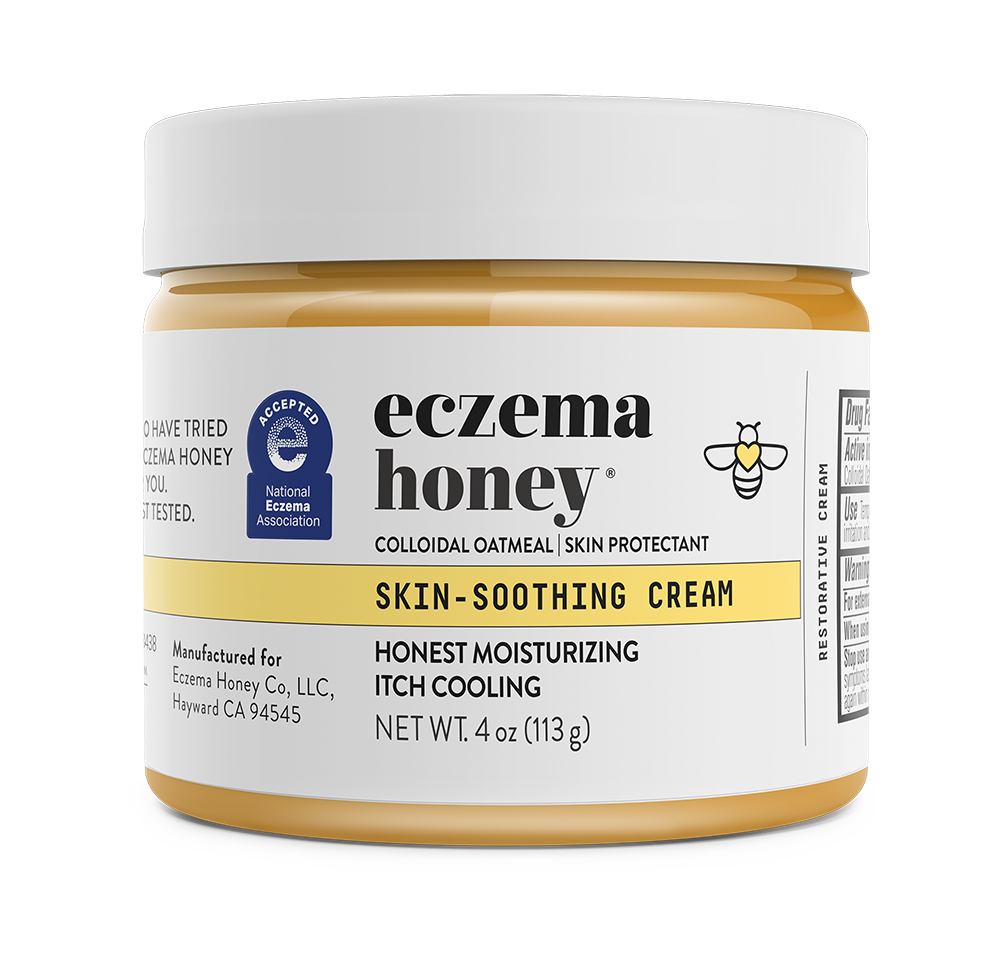
11. Eczema Honey Original Skin-soothing Cream
This cream uses natural beeswax and organic honey, both proven to calm and protect skin. It’s gentle, but some users report sticky feeling. Still, it’s effective for soothing itch and reducing redness.
12. Eltamd Moisture Barrier Cream
EltaMD uses petrolatum, ceramides, and vitamin E. The cream is rich, unscented, and designed for medical use. It helps restore damaged skin and is good for winter.
13. Bioderma Atoderm Intensive Baume
Bioderma’s balm uses glycerin, niacinamide, and skin lipids. It’s rich, calming, and helps strengthen the skin barrier. People with severe eczema report fewer dry patches after regular use.
14. Theraplex Clear Emollient
Theraplex uses petrolatum and mineral oil. It’s very thick, almost like an ointment. Free of fragrances, preservatives, and parabens. It’s ideal for cracked, dry hands or feet.
15. Vaseline Original Healing Jelly
Vaseline is simple but effective. It’s pure petrolatum, creating a strong barrier. No fragrances, preservatives, or chemicals. It’s good for sealing in moisture overnight, especially for hands and feet.
| Brand | Key Ingredients | Texture | Fragrance-Free | Best For |
|---|---|---|---|---|
| Vanicream | Petrolatum, Dimethicone | Cream | Yes | Daily use |
| CeraVe | Ceramides, Hyaluronic Acid | Cream | Yes | Repairing skin barrier |
| Eucerin | Urea, Ceramides | Cream | Yes | Rough patches |
| Aquaphor | Petrolatum | Ointment | Yes | Severe dryness |
| Aveeno | Colloidal Oatmeal, Ceramides | Cream | Yes | Calming itch |
| La Roche-Posay | Shea Butter, Ceramides | Balm | Yes | Restoring barrier |
| Neutrogena | Hyaluronic Acid | Gel Cream | Yes | Face, daytime |
| Cetaphil | Ceramides, Filaggrin | Cream | Yes | Children/adults |
| First Aid Beauty | Colloidal Oatmeal, Shea Butter | Cream | Yes | Quick itch relief |
| Mustela | Sunflower Oil, Shea Butter | Balm | Yes | Babies/adults |
| Eczema Honey | Beeswax, Honey | Cream | Yes | Soothing itch |
| EltaMD | Petrolatum, Ceramides | Cream | Yes | Damaged skin |
| Bioderma | Glycerin, Niacinamide | Balm | Yes | Strengthening skin |
| Theraplex | Petrolatum, Mineral Oil | Ointment | Yes | Hands/feet |
| Vaseline | Petrolatum | Ointment | Yes | Overnight repair |
How To Choose The Right Moisturizer For Your Needs
Picking the right product is not just about brand. Consider:
- Severity: If your skin is cracked or bleeding, ointments are best.
- Location: For face, use lighter creams or gels. For hands and feet, choose balms or ointments.
- Age: Children and babies need extra-safe formulas, often tested for sensitive skin.
- Lifestyle: If you wash hands often, use a portable cream for reapplication.
- Allergies: Always check for lanolin, parabens, or plant extracts.
A non-obvious tip: Some creams work better when layered. Apply a lighter cream first, then seal with a thin layer of ointment like Vaseline.
Real-world Examples: How People Manage Eczema In Winter
Many people share their stories online and with dermatologists. Here are examples:
- A parent of a child with atopic dermatitis uses Aveeno Eczema Therapy after bath, then a thin layer of Aquaphor before bed. The child has fewer flares and less itching.
- An adult with hand eczema keeps Theraplex Clear Emollient at work. After each hand wash, they apply the ointment. This prevents cracks and soreness.
- Someone with facial eczema prefers Neutrogena Hydro Boost Gel Cream during the day, as it absorbs quickly and does not cause breakouts.
Real-world feedback shows that routine matters as much as product choice. Consistency is key.
Scientific Evidence: Why These Moisturizers Work
Studies show that ceramides, colloidal oatmeal, and petrolatum are safe and effective for eczema and atopic dermatitis. For example, ceramide creams help rebuild the skin barrier, reducing water loss and inflammation. Colloidal oatmeal soothes itching, while petrolatum locks in moisture.
A 2020 study found that using ceramide-rich creams twice daily improved skin barrier function within two weeks. Another study showed colloidal oatmeal reduced itching in children with eczema by 50% in one month.
If you want to read more scientific evidence, check out this review from NCBI.
Comparing Moisturizer Prices And Value
Some moisturizers are expensive, while others are cheap. Price does not always mean better quality. Here’s a comparison of average prices (in USD), size, and value per ounce.
| Brand | Average Price | Size (oz) | Price per oz |
|---|---|---|---|
| Vanicream | $13 | 16 | $0.81 |
| CeraVe | $18 | 16 | $1.13 |
| Eucerin | $12 | 16 | $0.75 |
| Aquaphor | $14 | 14 | $1.00 |
| Aveeno | $11 | 12 | $0.92 |
| La Roche-Posay | $20 | 13 | $1.54 |
| Neutrogena | $18 | 1.7 | $10.59 |
| Cetaphil | $16 | 10 | $1.60 |
| First Aid Beauty | $38 | 6 | $6.33 |
| Mustela | $22 | 6.7 | $3.28 |
| Eczema Honey | $29 | 4 | $7.25 |
| EltaMD | $25 | 3.8 | $6.58 |
| Bioderma | $19 | 16.7 | $1.14 |
| Theraplex | $19 | 8 | $2.38 |
| Vaseline | $7 | 13 | $0.54 |
As you can see, some high-priced creams are not always more effective. For winter, focus on ingredients and texture, not just price.
When To See A Dermatologist
Sometimes, even the best moisturizer is not enough. If you notice:
- Bleeding, deep cracks, or signs of infection
- Severe itching that keeps you awake
- Skin that does not improve after two weeks of good care
It’s time to see a dermatologist. They can prescribe stronger treatments or check for allergies. Do not wait until symptoms become severe.
:max_bytes(150000):strip_icc()/best-body-washes-for-eczema-5078972-final-baf67e72cd9d4ad99aadc9f055041eff.jpg)
Credit: www.byrdie.com
Practical Tips For Winter Skin Care
Along with using a gentle moisturizer, you can protect your skin with these tips:
- Keep showers short and use lukewarm water—not hot.
- Pat skin dry gently after bathing.
- Wear soft, cotton clothing. Avoid wool or rough fabrics.
- Use a humidifier indoors to add moisture to the air.
- Avoid soap and use gentle cleansers.
- Protect hands with gloves when outside.
- Reapply moisturizer often, especially after washing hands.
- Drink plenty of water.
A non-obvious insight: Many people forget to moisturize their ears and neck. These areas are often exposed and can become dry quickly.
Are Natural Or Organic Moisturizers Safe For Eczema?
Many people want “natural” products, but not all are safe. Essential oils, plant extracts, and some organic ingredients can cause allergic reactions. Always check for hidden fragrances and test a small patch before full use.
Some safe natural ingredients: colloidal oatmeal, shea butter, beeswax, and sunflower oil distillate. If you choose organic brands, make sure they are tested for eczema and atopic dermatitis.
How Weather And Lifestyle Affect Moisturizer Choice
Winter is not the same everywhere. If you live in a cold, dry climate, you need stronger creams and ointments. In milder winter areas, a rich cream may be enough.
Lifestyle matters too. People who work outdoors or wash hands often need thicker, portable creams. Office workers may prefer lighter creams for daytime and heavy ointments at night.
How To Avoid Allergic Reactions
Even gentle moisturizers can cause problems if you’re allergic to an ingredient. Here’s how to avoid reactions:
- Always test new products on a small area before full use.
- Avoid products with lanolin, which can cause allergy.
- Watch for hidden preservatives like parabens.
- If you have a history of allergy, consult your doctor before changing products.
Some people develop contact dermatitis from repeated use of creams with certain preservatives. Changing brands every season is not always wise unless needed.
Credit: eczemahoneyco.com
Children And Babies: Special Care In Winter
Children and babies have thinner, more sensitive skin. Eczema is common in children, and winter can make it worse. Here’s what to do:
- Use creams and balms tested for babies (like Mustela or Aveeno).
- Avoid all fragrances and essential oils.
- Apply moisturizer after every bath and before going outside.
- Dress children in soft, layered clothes.
A non-obvious tip: Some parents use Vaseline over the cream to “seal in” moisture, especially on cheeks and hands.
Adults: Managing Eczema At Work And Home
Adults often face different challenges—frequent hand washing, exposure to chemicals, or stress. Practical steps:
- Keep a small tube of cream at your desk or in your bag.
- Reapply after every hand wash.
- Avoid scented soaps at work.
- Wear gloves when cleaning or doing dishes.
Routine is important. Consistency helps prevent flares before they start.
Seniors: Extra Tips For Aging Skin
Older adults have thinner skin that loses moisture easily. Eczema can be more severe in seniors. Here’s what helps:
- Use rich creams and ointments like Aquaphor or Theraplex.
- Moisturize at least three times a day.
- Avoid hot showers and rough towels.
- Use a humidifier, especially in bedrooms.
A non-obvious insight: Seniors often have trouble spreading thick ointments. Creams with pump dispensers are easier to use.
Can Moisturizer Prevent Flare-ups Completely?
Moisturizers are the main defense against winter flares, but they cannot cure eczema or atopic dermatitis. They help by:
- Repairing the skin barrier
- Reducing itching and redness
- Preventing dryness and cracks
Flare-ups can still happen due to stress, infections, or allergies. Regular use reduces risk, but does not guarantee zero flares.
Is Prescription Moisturizer Better Than Over-the-counter?
Prescription creams often contain steroids or immune modulators. They are for severe cases, not daily use. For most people, over-the-counter creams with ceramides, colloidal oatmeal, or petrolatum are enough. Use prescription creams only as advised by a doctor.
How To Store Moisturizer In Winter
Storage matters. Keep creams and ointments in a cool, dry place. Don’t let them freeze or sit near heaters. If a cream changes color or smell, throw it away.
A non-obvious tip: For people who travel, keep a small tube in every bag or coat pocket. This prevents forgetting to reapply.
Understanding Product Claims And Labels
Marketing can be misleading. Some products claim “hypoallergenic” or “for sensitive skin” without real evidence. Always check for:
- Ingredient list
- Allergy testing
- Clinical studies or dermatologist recommendations
Trusted brands often have simple, clear labels. Avoid products with long lists of plant extracts or “miracle” claims.
How Moisturizer Fits Into Overall Eczema Care
Moisturizer is just one part of eczema and atopic dermatitis care. Other steps include:
- Avoiding triggers like stress or allergens
- Using gentle cleansers
- Managing diet and hydration
- Taking prescription medication when needed
But in winter, moisturizer becomes the most important daily step.
Frequently Asked Questions
What Is The Best Moisturizer For Severe Eczema During Winter?
For severe eczema, Aquaphor Healing Ointment or Vanicream Moisturizing Cream are often recommended. They create a strong barrier and help repair cracked skin. Ointments are especially good for night-time use.
Are “natural” Moisturizers Always Safe For Eczema?
No. Some natural moisturizers contain plant extracts or essential oils that can cause allergic reactions. Always check the ingredient list and do a patch test before using a new product.
How Many Times Should I Apply Moisturizer In Winter?
At least twice a day—morning and night. If your skin is very dry or you wash hands often, reapply after each wash or whenever skin feels tight.
Can Children Use Adult Eczema Creams?
Some adult creams are safe for children, but always check if they are tested for pediatric use. Brands like Aveeno and Mustela make formulas specifically for babies and children.
Is It Possible To Cure Eczema Or Atopic Dermatitis With Moisturizer?
No. Moisturizers help control symptoms and repair the skin barrier, but they do not cure the condition. Flare-ups can still happen due to other factors like stress or allergies.
Winter can be tough for people with eczema and atopic dermatitis. But with the right gentle moisturizer, regular care, and practical habits, you can keep your skin healthy and comfortable all season. If your symptoms don’t improve, don’t hesitate to talk to your dermatologist.
Remember, the best moisturizer is the one that fits your skin’s needs and your daily life. Stay consistent, stay gentle, and enjoy smoother, calmer skin—even in the coldest months.