
Hair Loss in Your 20s: Why It Happens And What to Do Now
If you’re in your 20s and notice more hair on your pillow or in your shower drain, you are not alone. Many young adults expect hair loss to be a problem for later years, but it often starts much earlier.
Losing hair at this age can feel shocking and even scary. You might wonder if it’s normal, what causes it, and most importantly—what you can do about it now.
The truth is, early hair loss is more common than people think. It affects both men and women, and can have a big impact on self-esteem and confidence. But there’s good news: understanding why it happens helps you take control and start effective treatment. This guide will explain the main causes of hair loss in your 20s, show you how to identify your own risk factors, and give you clear steps to slow or stop the process.
The Reality Of Hair Loss In Your 20s
Hair loss in your 20s might seem rare, but studies show it’s actually quite widespread. According to the American Academy of Dermatology, about 25% of men with hereditary male pattern baldness begin to see symptoms before age 21. For women, the numbers are harder to pin down, but some research suggests about 12% of women will notice some thinning by age 29. These numbers are rising as more people report early thinning.
There are different types of hair loss, but the most common in this age group are:
- Androgenetic alopecia (male or female pattern baldness)
- Telogen effluvium (sudden shedding due to stress or illness)
- Alopecia areata (patchy hair loss from an autoimmune cause)
Each type has different triggers and treatments, so knowing which one affects you is the first step. Many people also mistake normal hair shedding for true hair loss. On average, you lose 50–100 hairs per day; more than this or visible thinning should prompt a closer look.
It’s easy to dismiss hair loss in your 20s as “just stress” or think it will go away on its own. However, ignoring early signs often leads to more noticeable thinning later on. Hair loss can happen gradually, so you might not spot it until you see older photos and realize your hair was thicker just a year ago.
In some cases, friends or family may notice changes before you do.
Another point many overlook: hair loss can affect different parts of the scalp in different ways. For example, you might notice thinning mostly on the crown, while your hairline seems unchanged. Or, you may see more hair fall when brushing, but not much visible thinning yet. These subtle patterns are important to recognize early so you can take action before hair loss becomes advanced.
Main Causes Of Hair Loss In Your 20s
Understanding the root cause of your hair loss is essential. Here are the most common reasons young adults notice thinning hair:
1. Genetics
Family history is the biggest factor for most young men and many women. If your parents or grandparents experienced hair loss early, you may too. The genes responsible for hair loss can come from either side of your family. Male pattern baldness often starts with a receding hairline or thinning at the crown. Female pattern baldness usually appears as widening of the part.
It’s common to hear myths about “skipping generations” or only inheriting hair loss from your mother’s side. In reality, you can inherit hair loss genes from both parents. Not everyone with a family history will lose their hair, but your risk is higher.
Watching for patterns among siblings, parents, and even aunts or uncles can give you clues about your own risk.
2. Hormonal Changes
Your 20s are a time of major hormonal shifts. Changes in testosterone, estrogen, and thyroid hormones can all affect hair growth. For women, birth control, pregnancy, or stopping hormonal contraceptives can trigger temporary shedding. Thyroid disorders, which are common in young adults, can also cause diffuse thinning.
Some women notice increased shedding around their menstrual cycle or after starting or stopping birth control. For men, a sudden jump in testosterone from starting an intense workout program or using certain supplements can also affect hair growth. Hormonal imbalances may not always show obvious symptoms, so blood tests can be helpful if you notice changes in your hair.
3. Stress And Mental Health
Chronic stress or sudden trauma can push hair follicles into a “resting” phase, leading to telogen effluvium. This means you may notice handfuls of hair falling out a few months after a stressful event, such as a breakup, loss, or even exams. Anxiety and depression also play a role by affecting your body’s hormone balance.
A less obvious factor is the effect of chronic, low-level stress. It doesn’t always take a dramatic event—constant pressure at work or ongoing worries can slowly impact your hair health. The body often “remembers” stressful periods, and hair shedding may not appear until weeks or months later, making it hard to connect the dots.
4. Nutrition And Diet
A poor diet in your 20s can have real consequences for your hair. Iron deficiency, low protein intake, and crash diets are frequent causes of hair thinning. Vegans and vegetarians are especially at risk if they don’t supplement properly. Rapid weight loss, even if intentional, can shock the body and lead to excessive shedding.
Your hair is one of the first places to show nutritional problems because the body considers it “non-essential” compared to organs. Even missing a few key nutrients—like zinc, vitamin D, or B vitamins—can slow hair growth. Many young adults skip meals or eat mostly processed foods, which often lack the nutrients hair needs.
5. Medical Conditions
Several health conditions can cause or worsen hair loss:
- Polycystic ovary syndrome (PCOS)
- Autoimmune diseases (like lupus or alopecia areata)
- Thyroid disorders
- Diabetes
Even skin conditions like seborrheic dermatitis or scalp psoriasis can contribute by damaging hair follicles or causing inflammation.
It’s important to know that these conditions can cause other symptoms beyond hair loss. For example, PCOS may cause irregular periods, acne, or weight gain. Thyroid problems might come with tiredness, weight changes, or feeling cold. If you notice other changes in your health, share them with your doctor—they can give more clues to the root cause.
6. Medications
Certain drugs have hair loss as a side effect. These include:
- Antidepressants
- Blood pressure medications
- Acne treatments (like isotretinoin)
- Chemotherapy drugs
- High-dose vitamin A supplements
Always check with your doctor if you start new medicine and notice increased shedding.
Some medications cause hair to thin only after several months of use, which can make the connection easy to miss. If you’re prescribed a new drug and notice hair changes, keep a journal of your symptoms. Never stop a medication suddenly—work with your healthcare provider to find alternatives if needed.
7. Hair Care Habits
Frequent use of heat styling tools, harsh chemicals, tight hairstyles (like ponytails or braids), and over-washing can weaken hair and increase breakage. Sometimes, what looks like hair loss is actually hair shaft breakage from damage.
Chemical treatments like bleaching or relaxing can cause “chemical burns” to the scalp if not done properly. Even products labeled as “natural” can be irritating if overused. Try to limit heat styling and allow your hair to recover between chemical treatments.
8. Environmental Factors
Pollution, exposure to toxins, and even hard water can contribute to weaker hair. Living in cities with high pollution levels may increase your risk, especially if you have other risk factors.
Polluted air can deposit tiny particles on your scalp, clogging hair follicles and causing inflammation. If you live in a city, washing your hair regularly and using a scalp-friendly shampoo can help reduce buildup.
9. Underlying Infections
Scalp infections from fungi (like ringworm) or bacteria can cause patchy hair loss, redness, and itching. If you notice scaly patches or pus, see a doctor immediately.
These infections are more common in people who share hats, combs, or towels, such as college students or athletes. Treating infections early prevents permanent damage to the hair follicles.
10. Trichotillomania
This is a psychological condition where people pull out their own hair, often without realizing it. It’s more common than many think, especially in young women.
Trichotillomania can affect eyebrows and eyelashes as well as scalp hair. Support from a mental health professional and awareness are important steps toward managing this condition.
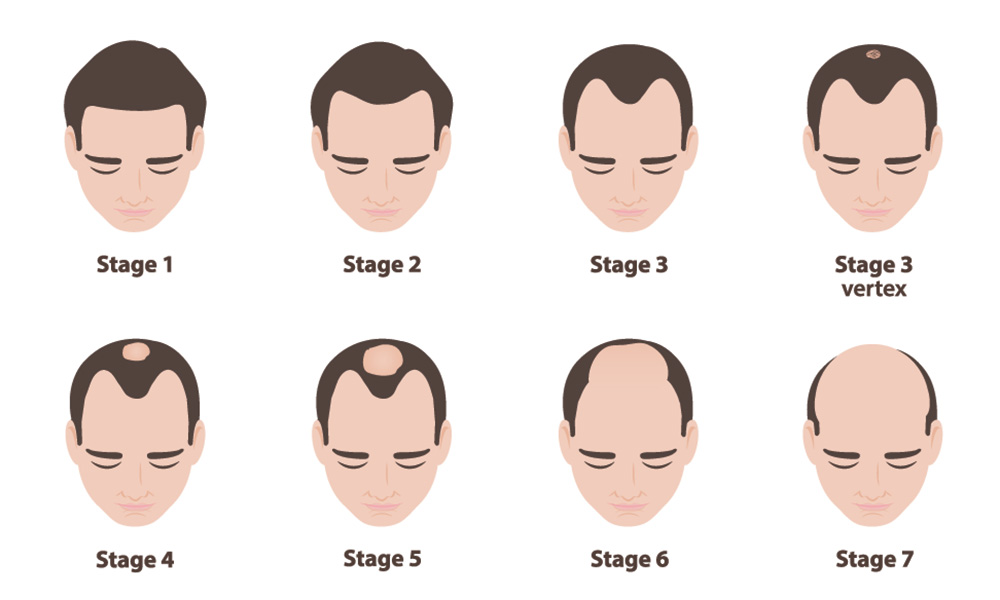
Credit: nortonhealthcare.com
Early Signs Of Hair Loss: What To Watch For
Catching hair loss early gives you the best chance to slow it down. Here are warning signs:
- More hair on your pillow, shower drain, or hairbrush than usual
- A visible widening of your hair part or thinning at the temples
- A receding hairline (especially in men)
- Bald spots or patches
- Changes in hair texture (becomes finer or more brittle)
- Scalp skin becomes more visible
Not all hair loss is permanent. Sometimes, it’s a temporary response to stress or illness. But if you notice persistent thinning, it’s important to act quickly.
You might also notice your ponytail feels thinner or your hair takes longer to style. These subtle changes are easy to ignore but can be early warning signs. Taking photos once a month from the same angle can help you track changes over time—something many dermatologists recommend but few patients actually do.
How Hair Grows: The Science Behind It
To understand hair loss, it helps to know how hair grows. Each strand of hair goes through a cycle:
| Phase | Description | Duration |
|---|---|---|
| Anagen | Growth phase – hair actively grows | 2–7 years |
| Catagen | Transition phase – hair stops growing | 2–3 weeks |
| Telogen | Resting phase – hair falls out | 2–4 months |
If something shortens the anagen (growth) phase or pushes more hairs into the telogen (shedding) phase, you’ll see thinning.
It’s important to know that most people have about 85–90% of their scalp hairs in the anagen phase at any time. When a shock to your system (like illness, crash diet, or stress) occurs, many hairs can shift into telogen together, leading to sudden, noticeable shedding.
This is why telogen effluvium often appears 2–3 months after the trigger event.
Common Myths About Hair Loss In Your 20s
Many young adults worry about hair loss based on misinformation. Let’s clear up a few myths:
- Only men lose hair early. Women can experience significant thinning in their 20s, especially with PCOS or thyroid issues.
- Washing your hair every day causes hair loss. Regular washing doesn’t cause hair loss, but harsh shampoos can dry the scalp.
- Wearing hats causes baldness. Hats do not restrict blood flow enough to cause hair loss.
- Hair loss is always permanent. Many types, like telogen effluvium, are temporary and reverse with proper treatment.
Another myth is that cutting your hair makes it grow back thicker. Cutting has no effect on the hair follicle under the scalp. Likewise, using expensive shampoos or “hair growth oils” without proven ingredients is unlikely to solve the problem.
When To See A Doctor
Sometimes, hair loss is a sign of an underlying health problem. See a healthcare provider if:
- You have sudden, patchy hair loss
- You feel unwell, have weight changes, or other symptoms
- You notice redness, swelling, or sores on your scalp
- Hair loss runs in your family and you want to discuss prevention
A dermatologist can perform tests, including blood work, scalp examination, or even a biopsy if needed.
It’s better to see a doctor sooner rather than later. Many treatments work best when started early. If you’re unsure, a simple visit can rule out serious causes and give you peace of mind.
Diagnosing The Cause: What To Expect
A full diagnosis usually involves:
- Medical history. Your doctor will ask about family history, stress, diet, recent illnesses, and medications.
- Physical exam. They’ll check your scalp for patterns of loss, inflammation, or infection.
- Blood tests. These can reveal thyroid problems, low iron, or hormone imbalances.
- Pull test. The doctor gently tugs on your hair to see how many come out.
- Scalp biopsy. Rare, but may be done if autoimmune disease is suspected.
Early diagnosis means you can start the right treatment sooner.
Sometimes, doctors may use a dermatoscope—a small magnifying tool—to look closely at your scalp and hair roots. This can reveal details invisible to the naked eye, such as miniaturized hairs or inflammation.
Effective Treatments For Hair Loss In Your 20s
There is no single cure for all types of hair loss, but many effective options are available. The best approach depends on the cause and how early you start.
1. Medications
Minoxidil (Rogaine): An over-the-counter topical solution proven to slow hair loss and promote regrowth in both men and women. It’s safe for most people in their 20s, but must be used consistently.
Finasteride (Propecia): A prescription pill for men that blocks the hormone DHT, a major cause of male pattern baldness. It is not approved for women. Side effects include sexual dysfunction in some users.
Spironolactone: Sometimes used for women with hormonal hair loss (like PCOS). It blocks male hormones and can help slow shedding.
It’s important to note that these medications do not work overnight. You may need to wait 3–6 months to see results, and stopping the treatment usually leads to renewed shedding. Always follow your doctor’s instructions to minimize side effects.
2. Lifestyle And Diet Changes
Improving your nutrition is crucial. Focus on:
- Protein: Hair is made of keratin, a protein. Make sure you eat enough protein from eggs, fish, poultry, or beans.
- Iron: Low iron is a major cause, especially for women. Eat leafy greens, red meat, or consider a supplement if needed.
- Vitamins: Biotin, vitamin D, and zinc all support healthy hair growth.
Crash diets and dramatic weight loss can trigger telogen effluvium. Eat a balanced diet and avoid extreme calorie restriction.
A practical tip: Keeping a food diary for a week can help you spot missing nutrients. If you’re unsure about your diet, a registered dietitian can help you build a meal plan that supports hair and overall health.
3. Stress Management
Learning to handle stress can reduce hair loss. Try:
- Regular exercise
- Mindfulness or meditation
- Adequate sleep
- Talking to a therapist if needed
Remember, the effects of stress on hair may appear 2–3 months after the event. Don’t ignore mental health.
Small changes—like a daily walk or short breathing exercises—can make a real difference over time. If you have anxiety or depression, treating these conditions can also improve your hair health.
4. Gentle Hair Care
Avoid habits that damage hair:
- Limit use of heat tools (flat irons, curling wands)
- Don’t bleach or chemically treat hair too often
- Use gentle shampoos and conditioners
- Avoid tight ponytails or braids
Let hair air-dry when possible and use a wide-tooth comb to reduce breakage.
A non-obvious tip: After washing, pat your hair dry with a soft towel instead of rubbing vigorously. This small change reduces breakage, especially if your hair is already fragile.
5. Treating Medical Conditions
If your hair loss is caused by a medical condition, treating the root problem is key. For example:
- Thyroid disorder: Thyroid medication
- PCOS: Hormonal therapy, lifestyle changes
- Scalp infection: Antifungal or antibacterial treatment
Always follow your doctor’s advice.
Sometimes, hair loss improves quickly after starting treatment for an underlying condition. For example, correcting low iron levels can reduce shedding within a few months.
6. Hair Growth Supplements
Some people try supplements for hair growth. Common ingredients include:
- Biotin
- Collagen peptides
- Saw palmetto
- Omega-3 fatty acids
Evidence for most supplements is limited. They may help if you have a true deficiency, but they are not magic pills.
Overusing supplements can be harmful. For example, too much vitamin A can actually cause hair loss. Speak to a doctor before starting any new supplement, especially if you take other medications.
7. Platelet-rich Plasma (prp) Therapy
PRP uses your own blood, spun down to concentrate the platelets, which are then injected into your scalp. Some studies show it can improve hair thickness, but it is costly and may require several sessions.
PRP works best for early hair loss and may not help advanced balding. Results vary from person to person. If you’re considering PRP, ask your doctor about their experience and what results you can realistically expect.
8. Low-level Laser Therapy (lllt)
These are special devices (combs, helmets) that shine laser light on your scalp. Research is still ongoing, but some people see mild improvement.
LLLT is safe for most people and can be used alongside other treatments. However, results are usually slow and subtle, so patience is required.
9. Hair Transplants
For severe cases, hair transplant surgery moves hair from thicker areas to thinning spots. This is usually reserved for older adults, but some people in their late 20s may qualify. It is expensive and not always the best first step.
Transplants require healthy donor hair and a stable pattern of hair loss. If your hair loss is still progressing rapidly, waiting until it stabilizes is often recommended.
10. Wigs, Toppers, And Concealers
If hair loss affects your confidence, modern wigs and hairpieces look natural and are a great option. Toppik or other hair fibers can also hide thinning spots.
These options are non-medical, but can have a big positive impact on self-esteem while you explore longer-term solutions. Many people use them while waiting for other treatments to work.

Credit: www.toppik.com
Comparing Hair Loss Treatments: Cost, Effectiveness, And Side Effects
Choosing a treatment can be overwhelming. Here’s a quick comparison:
| Treatment | Effectiveness | Side Effects | Typical Cost |
|---|---|---|---|
| Minoxidil | Moderate, works for many | Itchy scalp, rare irritation | $10–$40/month |
| Finasteride | High for men | Sexual side effects | $20–$70/month |
| Spironolactone | Moderate for women | Dizziness, breast tenderness | $10–$50/month |
| PRP Therapy | Mixed evidence | Scalp tenderness | $500–$1500/session |
| Hair Transplant | High, permanent in most | Surgical risks | $4000–$15,000 total |
It’s important to consider not just cost, but also your personal comfort and lifestyle. For example, daily medications require consistency, while procedures like PRP or transplants involve downtime and follow-up care.
Mistakes To Avoid When Treating Hair Loss In Your 20s
Many people make errors that slow progress or make hair loss worse:
- Waiting too long. The sooner you start treatment, the better your results.
- Trying every remedy at once. Stick to one or two proven options first.
- Ignoring nutrition. Even with medication, poor diet can block progress.
- Overusing supplements. More is not always better; some can cause harm.
- Skipping medical advice. Always speak to a healthcare provider before starting strong medications.
A non-obvious tip: Many people in their 20s ignore scalp health. Using a gentle scalp massage or medicated shampoo can improve circulation and reduce inflammation, helping treatments work better.
Another mistake is comparing your progress with others online. Everyone’s hair grows at a different rate. Focus on your own journey and be patient—most treatments take months, not weeks, to show results.
Real-life Example: Sarah’s Story
Sarah, age 24, noticed her hair part widening and more shedding in the shower. She had just finished a stressful year at university and started a new vegan diet. Worried, she saw a dermatologist who checked her iron and vitamin D levels—both were low.
Sarah began iron and vitamin D supplements, added more plant protein to her meals, and started using minoxidil. She also began meditating to help manage stress. Within six months, her hair stopped shedding and looked fuller.
Sarah’s story shows how multiple factors—stress, nutrition, and genetics—can combine to cause hair loss. Treating all of them together is the most effective approach.
Her experience also highlights the importance of not self-diagnosing. Sarah could have blamed her hair loss on just stress or diet, but a professional assessment revealed she needed to address both. Regular follow-ups with her dermatologist helped her track progress and adjust her plan as needed.
How To Maintain Healthy Hair In Your 20s
Prevention is easier than regrowth. Here are top habits for keeping hair strong:
- Eat a balanced diet rich in protein, iron, and vitamins
- Wash your hair gently, using lukewarm water
- Avoid tight hairstyles and harsh treatments
- Let your hair air-dry when possible
- Protect hair from sun damage with a hat or scarf
- Manage stress with exercise, sleep, and mindfulness
Some people overlook the importance of scalp care. Using a gentle exfoliating scrub once a week can remove dead skin and promote healthier growth.
Another often-missed tip: Avoid scratching your scalp, even if it itches. Scratching can damage hair follicles and increase inflammation, especially if you have dandruff or eczema. If you notice frequent itching, switch to a gentle, fragrance-free shampoo and talk to a dermatologist.

Credit: zangsmp.com
How Your 20s Set The Stage For Future Hair Health
Taking action now matters. Early hair loss can predict more severe problems later if ignored. By identifying your personal risk factors, changing habits, and starting proven treatments, you may keep your hair healthier for decades.
One insight many people miss: Hair density is set early in life. The number of follicles you have is fixed after birth. Protecting them in your 20s is far easier than trying to regrow them in your 40s.
Another non-obvious insight: Even small, consistent habits—like wearing a hat in strong sun or using a silk pillowcase—can reduce friction and protect hair over time. These simple practices add up and make a difference years down the line.
Seeking Support And Reducing Stigma
Losing hair at a young age can feel isolating, but it’s much more common than it seems. Many celebrities and public figures have spoken openly about their struggles. Online support groups and forums can also help you feel less alone.
Remember, hair loss does not define your worth or beauty.
If you’re struggling emotionally, speaking to a counselor or joining a support group can help you cope.
You might find it helpful to share your experience with close friends or family. Their support can make the process less stressful. And remember, confidence often comes from how you carry yourself—not just your hair.
The Role Of Professional Help
While there are many over-the-counter options, consulting with a board-certified dermatologist is a smart step. They can identify the exact cause, rule out serious conditions, and guide you toward the best treatment for your situation. For those interested in deeper research, the American Academy of Dermatology offers detailed resources.
A good dermatologist will also help you set realistic expectations and provide ongoing monitoring. This partnership can be especially helpful if you experience side effects or need to adjust your treatment plan.
Frequently Asked Questions
Why Am I Losing Hair In My 20s?
There are many reasons, including genetics, stress, poor nutrition, hormonal changes, medical conditions, and certain medications. Early diagnosis is important to find the right solution.
Can Hair Loss In Your 20s Be Reversed?
Some types, like telogen effluvium, can be fully reversed with proper care. Others, like genetic hair loss, can be slowed or partially reversed with treatments like minoxidil or finasteride.
Is It Normal To Lose Hair Every Day?
Yes, losing 50–100 hairs per day is normal. If you notice more than this, visible thinning, or bald patches, you should see a doctor.
Do Hair Growth Shampoos Really Work?
Most shampoos can’t regrow hair but may improve scalp health. Medicated shampoos can help with dandruff or scalp conditions that contribute to hair loss.
When Should I See A Doctor About Hair Loss?
See a doctor if hair loss is sudden, patchy, comes with other symptoms, or if you have a family history and want to discuss prevention options.
Hair loss in your 20s can feel overwhelming, but it is manageable. By understanding the causes, taking early action, and seeking the right help, you can protect your hair and your confidence for years to come.