

Essential Oils for Hair And Skin: A Safety And Dilution Master Guide
The world of essential oils is colorful and exciting. Many people use these plant extracts to support healthy hair, glowing skin, and even a relaxed mind. You might see beautiful bottles with names like lavender, tea tree, or peppermint and feel curious about their power. But using essential oils safely is not as simple as adding a few drops to your skin or hair. These oils are strong and must be used with care.
This guide is for anyone who wants to enjoy essential oils without risks. You will learn which oils help most for hair and skin, how to dilute them, and what safety rules you cannot ignore. Whether you are a beginner or already have some experience, you’ll find tips and facts that go beyond the basics.
If you want to use essential oils with confidence, read on.
What Are Essential Oils?
Essential oils are concentrated liquids taken from plants. They capture the plant’s scent, flavor, and sometimes healing powers. People have used them for centuries, often in traditional medicine and beauty rituals. The oil is usually extracted by steam distillation or cold pressing.
One small bottle of essential oil can hold the power of several pounds of plant material. That’s why these oils smell so strong and work so quickly. But this is also why you must respect their strength.
Why Are Essential Oils Popular For Hair And Skin?
Many people choose essential oils because they offer a natural way to care for the body. Some oils fight bacteria that cause acne. Others calm the scalp or add shine to hair. With so many choices, it’s easy to find an oil for almost any need.
But popularity does not equal safety. The same qualities that make essential oils effective can also cause irritation, allergies, or even poisoning if used incorrectly. Learning about safety and dilution is the smart way to enjoy their benefits.
How Essential Oils Work On Hair And Skin
Essential oils work in a few ways. When applied (diluted) to skin or scalp, they can:
- Enter the top layer of skin
- Affect the hair follicles
- Send signals to nerves, reducing stress or pain
- Kill bacteria or fungi causing skin problems
For example, tea tree oil can fight the bacteria that causes pimples, while rosemary oil may help stimulate hair growth by improving circulation.
But essential oils do not replace medical treatment. If you have a serious problem or reaction, see a doctor before continuing use.
The 15 Most Popular Essential Oils For Hair And Skin
Not all essential oils are safe or useful for hair and skin. Here are 15 of the most trusted and researched oils:
- Lavender
- Tea Tree
- Rosemary
- Peppermint
- Chamomile
- Geranium
- Lemongrass
- Eucalyptus
- Frankincense
- Cedarwood
- Clary Sage
- Sandalwood
- Ylang Ylang
- Carrot Seed
- Bergamot
Let’s look at what each oil does best.
1. Lavender
Lavender is famous for calming the skin and mind. It helps soothe irritation, reduce redness, and is gentle enough for sensitive skin. Some people use it for minor burns or sunburns. It can also calm an itchy scalp.
2. Tea Tree
Known for its power against bacteria and fungi, tea tree oil is often used for acne, dandruff, and minor wounds. It can be strong, so always dilute before use.
3. Rosemary
Rosemary oil may help with hair growth and scalp health. It improves blood flow to the scalp, which can wake up sleepy hair follicles. It’s also used to add shine to dull hair.
4. Peppermint
Peppermint gives a cooling feeling. It can soothe an itchy scalp and may help with dandruff. Some studies suggest peppermint can boost hair growth by stimulating the roots.
5. Chamomile
Chamomile is gentle and calming, good for irritated or sensitive skin. It can reduce redness and help with eczema or rashes.
6. Geranium
Geranium balances oil production in both skin and scalp. It’s helpful for oily or dry skin and can support a healthy scalp.
7. Lemongrass
Lemongrass fights bacteria and can help with oily skin and acne. It also has a fresh scent that can uplift your mood.
8. Eucalyptus
Eucalyptus oil is often used for its refreshing feeling. It can help clear scalp buildup and may support healthy hair growth.
9. Frankincense
Frankincense is prized for its anti-aging effects. It can help improve skin tone, reduce scars, and calm inflamed skin.
10. Cedarwood
Cedarwood soothes the scalp and may help with dandruff. It also has a calming, woodsy scent.
11. Clary Sage
Clary sage balances hormones and can support hair growth. It’s also used for oily skin and scalp.
12. Sandalwood
Sandalwood is good for dry skin and can reduce the look of scars. Its scent is grounding and relaxing.
13. Ylang Ylang
Ylang ylang helps balance oil production and adds a floral scent. It’s used for both dry and oily skin.
14. Carrot Seed
Carrot seed oil is rich in antioxidants. It’s used to protect the skin from damage and improve complexion.
15. Bergamot
Bergamot fights bacteria and can help clear acne. It has a fresh, citrus scent but can make skin sensitive to sunlight.
Benefits Of Essential Oils For Hair
Using essential oils for hair care can bring several benefits:
- Stimulate hair growth: Oils like rosemary, peppermint, and clary sage boost blood flow to hair roots.
- Control dandruff: Tea tree, cedarwood, and eucalyptus fight scalp fungus.
- Balance oil production: Geranium and ylang ylang keep the scalp from getting too oily or too dry.
- Add shine and softness: Lavender and sandalwood help smooth the hair cuticle.
- Soothe irritation: Chamomile and lavender calm an itchy or inflamed scalp.
Some people notice less hair fall and stronger strands after regular use. However, results depend on the cause of your hair issues and how you use the oils.
Non-obvious Insight: Consistency Matters
Many beginners try essential oils a few times and expect quick results. But hair health improves slowly. For best effects, use diluted oils 2-3 times a week for at least 3 months.
Non-obvious Insight: Scalp Massage Boosts Results
Massaging oils into the scalp improves blood flow and helps the oil sink in. A gentle 5-minute massage can make a big difference.
Credit: www.doterra.com
Benefits Of Essential Oils For Skin
Essential oils can:
- Reduce acne: Tea tree and bergamot fight bacteria
- Calm redness and irritation: Lavender, chamomile, and frankincense soothe the skin
- Support anti-aging: Frankincense and carrot seed reduce wrinkles and scars
- Balance oil: Geranium and ylang ylang help with oily or dry skin
But not all oils are right for every skin type. Sensitive or allergy-prone skin may react badly. Always do a patch test before full use.
Non-obvious Insight: Essential Oils Are Not Moisturizers
Oils like argan or coconut are carrier oils—they hydrate and protect skin. Essential oils do not add moisture; they support with actives, but must be diluted in a carrier.
Non-obvious Insight: Sun Sensitivity
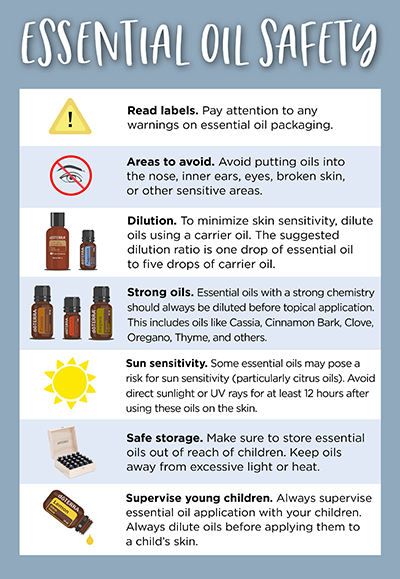
Some oils, especially citrus oils like bergamot, can make your skin burn more easily in the sun (this is called photosensitivity). Avoid sun exposure after using these on your skin.
Safety Rules For Essential Oils
Essential oils are not just “natural perfumes.” They are potent chemicals. Here are key safety rules:
- Always dilute: Never use essential oils undiluted on skin or scalp.
- Do a patch test: Try a small amount on your inner arm before using on a larger area.
- Avoid eyes, inside ears, and mucous membranes: Oils can burn these sensitive areas.
- Keep away from children and pets: Some oils are toxic if swallowed or even inhaled.
- Don’t take them by mouth: Only trained professionals use essential oils internally.
- Beware of allergies: If you have allergies to a plant, avoid its oil.
- Check for drug interactions: Some oils affect medicines or health conditions.
- Watch for skin changes: Redness, itch, or rash means stop use right away.
How To Read Oil Labels
High-quality essential oils should list:
- The Latin name of the plant
- The country of origin
- The distillation method
- The part of the plant used
- Safety warnings
Never buy oils labeled “fragrance oil” or “perfume oil” for skin or hair—they are not true essential oils.
Dilution: The Master Rule
Dilution means mixing a small amount of essential oil into a larger amount of carrier oil. This reduces the risk of irritation and helps the oil spread evenly.
What Is A Carrier Oil?
Carrier oils are gentle, unscented or lightly scented oils from nuts, seeds, or fruits. They moisturize and protect the skin. Common carrier oils include:
- Jojoba
- Coconut
- Sweet almond
- Argan
- Grapeseed
- Olive oil
Why Dilute?
Essential oils are highly concentrated. Even a few drops can irritate or burn the skin. Carrier oils “carry” the essential oil safely onto your skin or hair.
Standard Dilution Ratios
Here are the most common dilution ratios for hair and skin:
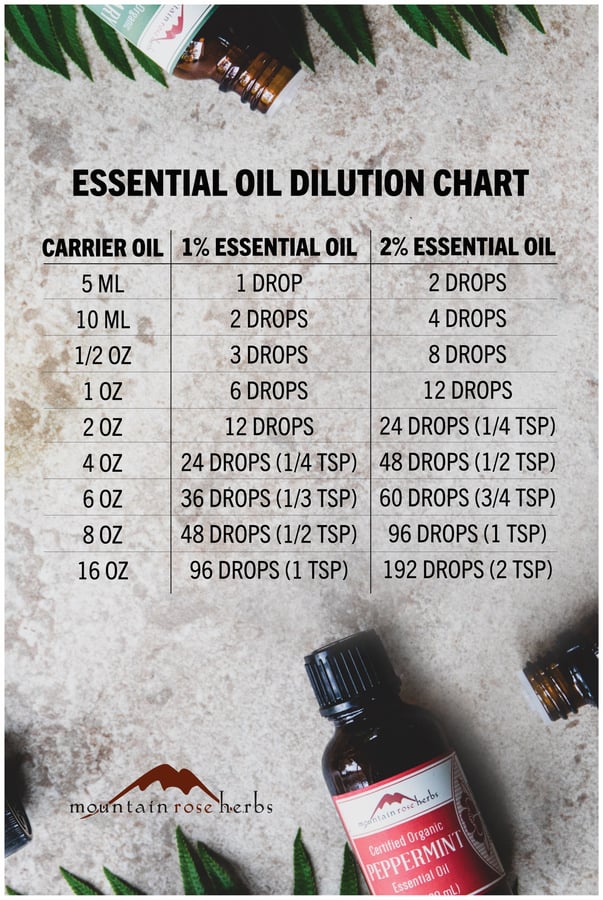
- Face (sensitive): 0.5% to 1% (1-2 drops EO per 2 teaspoons carrier)
- Scalp/Hair: 1% to 2% (2-4 drops EO per 2 teaspoons carrier)
- Body: Up to 3% (3-6 drops EO per 2 teaspoons carrier)
eo = Essential Oil
General Dilution Table
Below is a quick reference for how many drops of essential oil to add per 1 tablespoon (15 ml) of carrier oil:
| Dilution (%) | Essential Oil Drops | Use |
|---|---|---|
| 0.5% | 1 drop | Face/Very Sensitive Skin |
| 1% | 2 drops | General Skin Care |
| 2% | 4 drops | Hair/Scalp Care |
| 3% | 6 drops | Body/Short-Term Use |
Always start with the lowest amount and increase if your skin tolerates it well.
How To Dilute Essential Oils Step-by-step
- Choose your carrier oil based on your skin or hair type.
- Measure carrier oil (for example, 2 teaspoons or 10 ml).
- Add the correct number of essential oil drops (see table above).
- Mix well in a clean, dark glass bottle.
- Label your blend with the date and oils used.
If you’re making a hair mask, you can add the blend to a small bowl and use right away.
Best Carrier Oils For Hair And Skin
Not all carrier oils are the same. Here’s a side-by-side comparison:
| Carrier Oil | Best For | Texture | Comedogenic Rating* (0-5) |
|---|---|---|---|
| Jojoba | Oily skin, scalp, acne-prone | Light, absorbs fast | 2 |
| Coconut | Dry hair, body | Rich, greasy | 4 |
| Sweet Almond | All skin/hair types | Medium, smooth | 2 |
| Argan | Frizzy hair, aging skin | Light, non-greasy | 0 |
| Grapeseed | Oily/combination skin | Very light | 1 |
| Olive | Dry skin, scalp | Thick, heavy | 2 |
*Comedogenic rating: 0 = won’t clog pores, 5 = likely to clog pores.
Tip: Test Carrier Oils First
Even carrier oils can cause reactions in some people. Test any new oil on a small skin area before using widely.
How To Apply Essential Oils For Hair
Applying essential oils for hair is easy, but you need to follow a few best practices.
Scalp Massage Oil
Mix your essential oil blend as described above. Part your hair and apply a few drops to your scalp. Use your fingertips to gently massage in circles for 3-5 minutes. Leave on for at least 30 minutes (or overnight for deep treatment), then wash as usual.
Hair Mask
Mix essential oil and carrier oil, then spread through the lengths of damp hair. Wrap hair in a towel and leave for 30-60 minutes. Wash out with shampoo.
Leave-in Serum
Use a very small amount of a light oil blend (like argan plus lavender) on the hair ends to reduce frizz and add shine. Avoid the scalp unless your hair is very dry.
How Often Should You Use Essential Oils For Hair?
2-3 times a week is enough for most people. Daily use is not needed and can sometimes irritate the scalp.
Non-obvious Insight: Less Is More
Using more oil does not mean better results. Too much can clog pores or make hair greasy. Stick to the recommended amounts.
How To Apply Essential Oils For Skin
There are several ways to use essential oils for skin care.
Facial Oil
After cleansing, apply a few drops of a 0. 5–1% diluted blend to damp skin. Gently press, don’t rub. This can help lock in moisture and target issues like redness or fine lines.
Spot Treatment
For pimples, mix 1 drop of tea tree oil in 1 teaspoon of carrier oil. Dab lightly on the spot up to twice daily. Never use undiluted oil.
Body Oil
After showering, apply a 2–3% diluted blend to damp skin. This helps oils absorb and keeps skin soft.
Bath Oil
Add 5–10 drops of diluted essential oil blend to bath water. Mix with a tablespoon of carrier oil first, so the essential oil disperses and does not irritate skin.
Cautions For Skin Application
- Avoid using essential oils on broken skin, wounds, or active rashes.
- Certain oils (like cinnamon, oregano) are too strong for skin use. Avoid unless professionally advised.
Essential Oils To Avoid On Hair And Skin
Not every essential oil is safe for direct application. Some are more likely to cause irritation or allergies.
- Cinnamon
- Oregano
- Thyme
- Clove
- Wintergreen
- Lemongrass (in high concentration)
These oils are powerful and should only be used under guidance. When in doubt, leave them out.
Risks And Side Effects
Essential oils are natural, but “natural” does not mean safe for everyone. Side effects can include:
- Allergic reactions: Redness, swelling, rash
- Irritation: Burning or stinging feeling
- Photosensitivity: Skin burns easily in sunlight (especially citrus oils)
- Headache or nausea: Strong scents can cause discomfort, especially in closed spaces
- Toxicity: Swallowing oils or using too much can be very dangerous
Who Should Be Extra Careful?
- Pregnant or breastfeeding women: Some oils can affect hormones or the baby
- Children under 2 years
- People with asthma or epilepsy
- Those with sensitive or allergy-prone skin
Always check with a health professional before using essential oils if you have any of these risk factors.
Credit: blog.mountainroseherbs.com
How To Store Essential Oils
Proper storage keeps essential oils safe and effective.
- Keep in dark glass bottles: Light and heat can damage oils.
- Store in a cool, dry place: Avoid bathrooms or sunny windowsills.
- Close lids tightly: Oils can evaporate and lose power.
Good essential oils can last 1-3 years if stored well. Check for changes in smell, color, or texture. When in doubt, throw it out.
Diy Essential Oil Blends For Hair And Skin
For Hair Growth
- 2 drops rosemary oil
- 2 drops peppermint oil
- 1 tablespoon jojoba oil
Mix and massage into scalp twice weekly.
For Dandruff
- 2 drops tea tree oil
- 2 drops cedarwood oil
- 1 tablespoon coconut oil
Apply to scalp, leave 30 minutes, then wash.
For Glowing Skin
- 2 drops frankincense oil
- 2 drops lavender oil
- 1 tablespoon sweet almond oil
Apply to face nightly, avoiding eye area.
For Oily Skin
- 2 drops geranium oil
- 2 drops lemongrass oil
- 1 tablespoon grapeseed oil
Apply after cleansing.
For Soothing Sensitive Skin
- 2 drops chamomile oil
- 2 drops carrot seed oil
- 1 tablespoon argan oil
Use on irritated areas as needed.
Each blend makes enough for several uses. Store in a small glass bottle and use within 3 months.
Essential Oils Vs. Synthetic Fragrances
Many beauty products use “fragrance” or “perfume” instead of essential oils. Here’s how they compare:
| Essential Oils | Synthetic Fragrances |
|---|---|
| Plant-based, natural extraction | Made from chemicals, often petroleum-based |
| May provide skin/hair benefits | Only adds scent |
| Can trigger allergies (less common with correct use) | Higher risk of skin reactions and headaches |
| More expensive | Cheaper to produce |
| Therapeutic uses possible | No therapeutic effect |
Whenever possible, choose products with true essential oils, not just “fragrance. ”
Buying Quality Essential Oils
Quality matters. Cheap or fake oils can cause irritation and do not give results.
How To Spot Quality
- The label lists the botanical name (e.g., Lavandula angustifolia for lavender)
- Dark glass bottle (not plastic)
- No fillers or “fragrance oils”
- Clear information about origin and purity
- Seller provides batch testing or GC/MS reports
Buying from trusted brands or health stores is safer than unknown sellers online.
Price Vs. Quality
Pure essential oils are expensive—especially rare ones like sandalwood or rose. If a price is “too good to be true,” it probably is.
For more information about essential oil testing, you can check the Aromatic Science site.

Credit: organicaromas.com
Common Mistakes Beginners Make
- Using oils undiluted: This is the biggest mistake and causes most reactions.
- Mixing too many oils: Start with one or two. More is not always better.
- Ignoring patch tests: Always test before applying widely.
- Forgetting sun safety: Wait 12–24 hours before sun exposure with citrus oils.
- Using old or oxidized oils: These can irritate or harm skin.
- Trusting “natural” claims without research: Read labels and ask questions.
When To See A Doctor
If you notice:
- Severe redness, swelling, or blisters
- Trouble breathing
- Dizziness or confusion
- Symptoms after swallowing oil (even a small amount)
Seek medical help right away. Essential oils are powerful, and some reactions can be serious.
Frequently Asked Questions
What Is The Safest Essential Oil For Sensitive Skin?
Chamomile and lavender are two of the safest oils for sensitive skin. Both have calming effects and are gentle when diluted. Always test first, as anyone can react even to mild oils.
Can I Use Essential Oils On My Hair Every Day?
Daily use is not recommended for most people. 2-3 times a week gives best results and lowers the risk of buildup or irritation. If you have very dry hair, light oils like argan can be used more often.
How Long Do Diluted Essential Oil Blends Last?
Most blends last about 3 months if stored in a cool, dark place. If you notice a bad smell, change in color, or your skin reacts, throw it away and make a fresh batch.
Is It Safe To Use Essential Oils During Pregnancy?
Some essential oils are unsafe during pregnancy (like clary sage or rosemary). Always talk with your doctor before using any essential oils if you are pregnant or breastfeeding.
What Should I Do If I Have A Reaction To An Essential Oil?
Wash the area with mild soap and plenty of water. Apply a plain carrier oil to help remove the essential oil. If you notice swelling, trouble breathing, or a severe rash, seek medical help immediately.
Using essential oils for hair and skin can be rewarding, but only if you respect their power. Dilute, test, and go slowly. Over time, you’ll discover the oils and blends that work best for you—safely and naturally.