

Hair loss is a worry that many people face after major surgery. You might notice more hair on your pillow, in the shower, or when you brush your hair. This can feel shocking, especially when you are trying to recover and rebuild your health. The truth is, hair loss after surgery is common, and for most people, it is temporary. Understanding why it happens, what to expect, and how to support your recovery can make this challenging time easier to handle.
In this guide, you’ll learn about the science behind post-surgery hair loss, the expected recovery timeline, and practical ways to care for your hair and well-being. You will also find answers to common questions and discover support options available to you.
Whether you are preparing for surgery or already noticing hair changes, this article gives you the facts and support to help you through.
Why Hair Loss Happens After Major Surgery
Major surgery is a big event for your body. It can cause stress, changes in hormones, and even alter your nutrition for a while. All of these factors can lead to hair loss, but the good news is that this type of hair loss is usually not permanent.
The Science: Telogen Effluvium
The most common type of hair loss after surgery is called telogen effluvium. In simple words, your hair has a growing phase, a resting phase, and a shedding phase. Surgery can push more hairs into the resting phase. After a few months, these hairs fall out at the same time, making the loss look dramatic.
- Triggers: The stress of surgery, blood loss, anesthesia, changes in diet, or even infection can trigger this shift.
- Timing: Telogen effluvium usually starts 1-3 months after the surgery.
Other Possible Causes
While telogen effluvium is the most common, there are a few other reasons why hair might fall out after surgery:
- Nutritional Deficiency: If you can’t eat well or absorb nutrients after surgery, your hair may suffer.
- Medication Side Effects: Some drugs, especially those for pain, infection, or anesthesia, can affect hair growth.
- Hormonal Changes: Surgeries involving the thyroid, ovaries, or other glands can change hormone levels.
- Physical Trauma: The body focuses on healing vital organs, so less energy goes to hair growth.
How Common Is It?
Experts estimate that up to 30-50% of patients notice increased hair shedding after major operations. It is more common in surgeries with long recovery times or those involving high stress, such as heart, weight-loss, or major abdominal surgeries.
What To Expect: Recovery Timeline
The journey of hair loss after surgery is not the same for everyone, but there is a typical timeline that most people follow. Knowing what to expect can help you stay calm and patient.
Weeks 1-4: The Early Phase
In the first month after surgery, most people do not notice much difference in their hair. The body is focused on healing cuts and managing the effects of anesthesia.
- Key insight: Hair loss does not usually start right away. The follicles rest before shedding.
Months 1-3: Shedding Begins
By the second or third month, you may see a sudden increase in hair loss. This can be alarming, but it is a sign your body is moving past the trauma.
- Typical signs: More hair in the shower, pillow, or hairbrush.
- Severity: Some people lose 100-300 hairs per day, compared to the usual 50-100.
Months 4-6: Stabilization
After the initial shedding, hair loss often slows down. You may still lose more hairs than normal, but it is less dramatic.
- Visible thinning: Some areas of the scalp may look thinner, but total bald patches are rare.
- New growth: Fine, new hairs may start to appear along the hairline or scalp.
Months 6-12: Regrowth
Most people see hair regrowth during this time. The new hair may look different at first—softer, finer, or a different color—but it usually returns to normal as it grows.
- Regrowth rate: Hair grows about 1 cm (0.4 inches) per month.
- Full recovery: For most, hair returns to its pre-surgery state within 6-12 months.
Longer-term Outlook
In rare cases, hair does not fully return. This can happen if there are ongoing health issues, severe nutritional problems, or underlying scalp conditions. If you do not see improvement after one year, a doctor visit is a smart step.

Credit: www.dentalhairclinicturkey.com
Types Of Hair Loss After Surgery
Understanding the different types of hair loss helps you recognize what is normal and when to seek help.
Telogen Effluvium
As explained earlier, this is the most common type after surgery. It causes diffuse thinning—hair falls out all over the scalp rather than in patches.
Anagen Effluvium
This is less common and usually happens with chemotherapy or certain toxic drugs. Hair falls out quickly, often in clumps. Most surgeries do not cause this type, unless cancer treatment is involved.
Alopecia Areata
In rare cases, the immune system attacks hair follicles, causing round bald patches. Major stress, including surgery, can trigger this in people who are already prone to it.
Scarring Alopecia
This type is very rare after surgery. It happens when the scalp is injured or cut during an operation, causing permanent hair loss in the scarred area.
How Surgery Type Affects Hair Loss
Not all surgeries have the same risk of hair loss. Some types of surgery are more likely to trigger hair shedding than others.
| Type of Surgery | Hair Loss Risk Level | Notes |
|---|---|---|
| Heart surgery | High | Major stress, long recovery, anesthesia |
| Bariatric (weight-loss) surgery | High | Nutrition changes, rapid weight loss |
| Abdominal surgery | Medium | Blood loss, infection risk, stress |
| Thyroid surgery | Medium | Hormonal changes |
| Minor procedures (e.g., mole removal) | Low | Minimal body stress |
Non-obvious insight: Even surgeries far from the scalp can cause hair loss, because the effect is from the whole body’s stress, not just the area of operation.
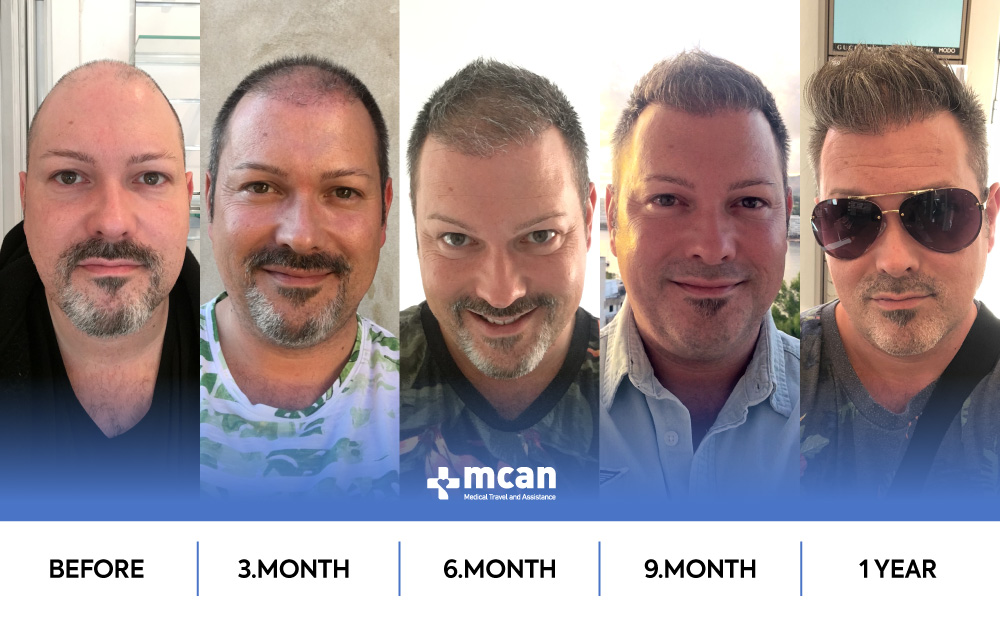
Credit: www.mcanhealth.com
Physical And Emotional Effects Of Hair Loss
Losing hair can affect more than just your appearance. Many people feel embarrassed, anxious, or even depressed as they see their hair thin.
- Self-esteem: Hair is closely tied to identity for both men and women.
- Social anxiety: Some people avoid social events during recovery.
- Emotional stress: Worrying about permanent loss can add to post-surgery stress.
Practical tip: Acknowledging these feelings is the first step. Talking to a friend, counselor, or support group can help you cope.
Key Factors That Influence Recovery
Several things affect how quickly and fully your hair grows back after surgery.
Age
Younger people often recover faster, but healthy older adults can also see good regrowth.
Nutrition
Your body needs enough protein, iron, zinc, and vitamins for healthy hair. Surgery can make it hard to eat well, especially if your appetite is low or you have digestive problems.
Hormones
If you have thyroid problems or hormone imbalances, recovery may take longer. It’s wise to get these checked if hair loss continues.
Genetics
Some people are more likely to have hair loss due to their genes. If your family has a history of thinning hair, you might notice more loss.
Medications
Certain drugs slow down hair regrowth. Common ones include blood thinners, beta-blockers, and some antibiotics.
Pre-existing Conditions
If you already have a scalp condition (like seborrheic dermatitis or psoriasis), recovery may be slower and need special treatment.
How To Support Hair Recovery
Taking care of your hair and your body can speed up recovery and make hair loss less noticeable.
Nutrition For Hair Health
Eating a balanced diet is key. Focus on these nutrients:
- Protein: Hair is made of protein, so get enough from meat, fish, eggs, beans, and dairy.
- Iron: Low iron is a common reason for hair loss. Include lean meats, spinach, lentils, and fortified cereals.
- Zinc: Found in nuts, seeds, whole grains, and seafood.
- Biotin and B vitamins: Eggs, nuts, seeds, leafy greens.
- Vitamin D: Sunlight, fortified foods, fatty fish.
If eating is hard after surgery, ask your doctor about supplements.
Gentle Hair Care
- Use a wide-tooth comb to avoid pulling out weak hairs.
- Avoid heat styling, harsh chemicals, and tight hairstyles.
- Use mild, fragrance-free shampoos.
- Pat hair dry instead of rubbing with a towel.
Non-obvious tip: Avoid over-washing your hair. Washing 2-3 times a week is enough during heavy shedding.
Manage Stress
Stress slows healing and increases hair loss. Try these methods:
- Meditation or deep breathing
- Light exercise like walking (if your doctor approves)
- Talking to friends or a mental health professional
Scalp Massage
Gently massaging your scalp increases blood flow and can support hair growth. Use your fingertips for 5-10 minutes daily. Some people use light oils (like coconut or jojoba), but always test for allergies first.
Medical Treatments
Most people do not need medical treatment for post-surgery hair loss. But if shedding is severe or lasts longer than a year, see a dermatologist. Possible treatments include:
- Topical minoxidil (Rogaine): Helps speed up regrowth.
- Prescription medications: For hormone problems or severe deficiencies.
- Laser devices: Low-level laser therapy may help, but results are mixed.
Hair Concealers And Styling
If you feel self-conscious, you can try:
- Volumizing shampoos and conditioners
- Hair fibers or powders to cover thin spots
- Changing your part or hairstyle to cover patches
- Wearing hats, scarves, or wigs
Common Mistakes During Recovery
Some actions can make hair loss worse or slow your recovery. Avoid these common mistakes:
- Panic and over-treatment: Trying too many products at once can irritate your scalp.
- Skipping meals: Not eating enough protein and nutrients delays regrowth.
- Tight hairstyles: Ponytails, braids, or buns can pull on fragile hair.
- Ignoring other health issues: Unchecked thyroid or iron problems can block recovery.
- Using harsh chemicals: Dyes, relaxers, and perms damage new, weak hair.
When To See A Doctor
Most post-surgery hair loss is harmless and temporary, but you should see a doctor if:
- Shedding lasts longer than 12 months
- You see bald patches or scarring
- Your scalp is red, itchy, or painful
- You have other symptoms (fatigue, weight loss, bleeding)
- Hair does not grow back at all
Early medical advice can help find and fix underlying problems.
Comparing Post-surgery Hair Loss With Other Types
Many people wonder how surgery-related hair loss compares with other common causes. Here is a side-by-side look.
| Type | Cause | Duration | Pattern | Is It Permanent? |
|---|---|---|---|---|
| Post-surgery (telogen effluvium) | Physical stress | 3-12 months | Diffuse thinning | No (usually) |
| Male/female pattern baldness | Genetics | Permanent | Receding hairline, crown | Yes |
| Alopecia areata | Autoimmune | Varies | Round patches | Sometimes |
| Chemo-induced | Drug toxicity | 3-6 months | All over, fast loss | No (usually) |
Practical insight: Surgery-related hair loss usually grows back. Pattern baldness does not. This is why it is important to know your type.
Stories: Real People, Real Recovery
Hearing from others who have gone through the same thing can be comforting. Here are a few examples:
- Maria, 42: After gallbladder surgery, she noticed her hair falling out in clumps two months later. She focused on eating well and gentle hair care. By month seven, her hair had filled in.
- James, 55: After heart bypass surgery, he lost about 40% of his hair. A blood test showed low iron, which improved with supplements. His hair returned to normal within a year.
- Aisha, 29: Her bariatric surgery led to rapid weight loss and thinning hair. A registered dietitian helped her adjust her diet, and she used hair fibers for confidence during recovery.
Key lesson: Each journey is different, but most people see regrowth with time and care.
Support Options For Patients
Dealing with hair loss during recovery can feel lonely, but you are not alone. Support is available:
Professional Help
- Dermatologist: For diagnosis and treatment options
- Registered dietitian: For meal planning and supplement advice
- Mental health counselor: For anxiety, depression, or self-esteem issues
Community Support
- Hospital recovery groups
- Online forums (such as HairLossTalk)
- Social media groups
Family And Friends
Letting loved ones know how you feel helps them support you. Ask for help with meals, errands, or just a listening ear.
Patient Advocacy Groups
Some organizations offer resources, hotlines, and information for people facing hair loss. These can be helpful for finding specialists or support networks.
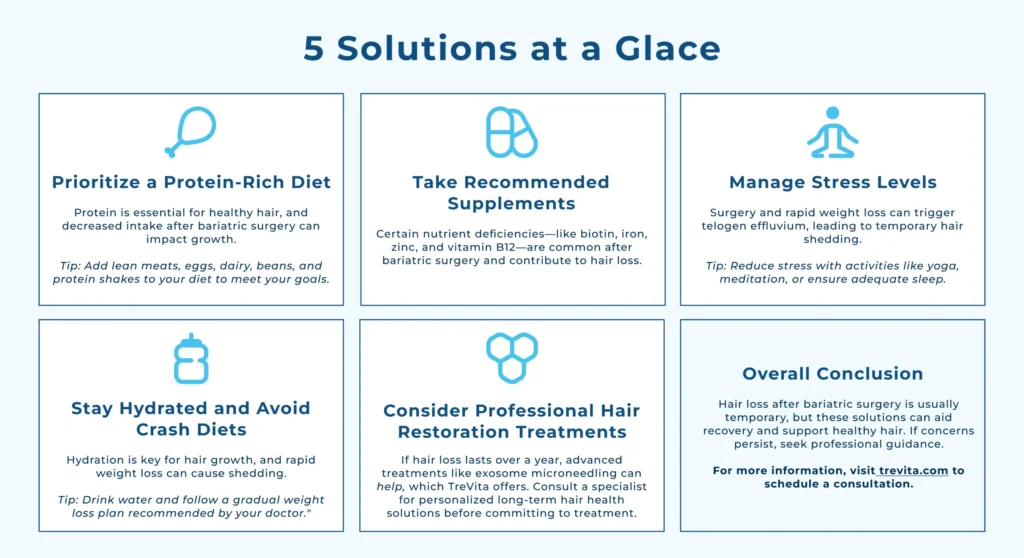
Credit: www.trevita.com
Advanced Recovery Strategies
Most people do not need advanced treatments, but some options may help in difficult cases.
Platelet-rich Plasma (prp) Therapy
This treatment uses your own blood plasma, injected into the scalp, to stimulate hair growth. Early studies show promise, but it is not yet standard care for post-surgery hair loss.
Low-level Laser Therapy
Laser combs and helmets can increase blood flow to hair follicles. Some people see improvement, but the effect is mild and results vary.
Topical Treatments
- Minoxidil: Available as a foam or liquid; can speed up regrowth, but must be used as directed.
- Corticosteroids: For autoimmune-related hair loss, prescribed by a doctor.
Hair Transplants
Very rarely, if hair does not return after 1-2 years and other causes are ruled out, a hair transplant may be considered. This is usually not needed after surgery-related hair loss.
Prevention: What You Can Do Before Surgery
While you cannot prevent all hair loss, you can lower your risk with good pre-surgery habits.
- Boost nutrition: Eat a balanced diet for at least 2-4 weeks before surgery.
- Treat deficiencies: Get checked for low iron, B12, or thyroid problems and treat as needed.
- Reduce stress: Try meditation, yoga, or light exercise.
- Plan for support: Arrange help for meals, shopping, or child care during your recovery.
- Talk with your doctor: Ask if any medications you take might affect hair and discuss safer options if needed.
Myths And Facts About Post-surgery Hair Loss
Many myths can make recovery more confusing. Let’s clear up a few:
- Myth: “If you lose hair after surgery, it will never grow back.”
- Fact: Most post-surgery hair loss is temporary. Hair usually returns in 6-12 months.
- Myth: “You should wash your hair every day to keep your scalp healthy.”
- Fact: Too much washing can make shedding worse. 2-3 times a week is enough.
- Myth: “Cutting your hair will stop it from falling out.”
- Fact: Cutting hair does not affect the hair roots or reduce shedding.
- Myth: “Only older people lose hair after surgery.”
- Fact: People of all ages can be affected, depending on stress and health.
- Myth: “Supplements can fix all hair loss.”
- Fact: Supplements only help if you have a real deficiency.
Key Takeaways For Patients
- Hair loss after major surgery is common and usually temporary.
- Shedding often starts 1-3 months after the operation and improves within a year.
- Good nutrition, gentle hair care, and stress management are your best tools.
- Most people do not need special treatments—time and care are enough.
- If hair does not return after a year, or you see bald patches, talk to a doctor.
Frequently Asked Questions
What Is The Main Reason For Hair Loss After Surgery?
The main reason is telogen effluvium, where the stress from surgery causes hair follicles to shift into a resting phase. After a few months, these hairs shed all at once. Other reasons include nutritional deficiencies, medication effects, and hormonal changes.
How Long Does Hair Loss Last After Surgery?
For most people, hair loss lasts 3-6 months. Full regrowth usually takes up to 12 months. If shedding continues after a year, see a healthcare professional to rule out other causes.
Can I Prevent Hair Loss After Surgery?
You cannot always prevent it, but you can lower your risk by eating well before and after surgery, managing stress, and treating any vitamin or mineral deficiencies early. Talk to your doctor about any concerns.
Is There A Treatment That Makes Hair Grow Back Faster?
Time and a healthy lifestyle are the most important factors. Some people may benefit from topical minoxidil or laser therapy, but these are not always needed. If you have a medical deficiency, fixing it will help hair grow back faster.
When Should I See A Doctor About Post-surgery Hair Loss?
See a doctor if you have bald patches, hair does not return after one year, your scalp is red or painful, or you have other symptoms like fatigue or bleeding. Early medical advice can help solve the problem faster.
—
Recovering from major surgery is hard enough without the surprise of hair loss. Remember, most people see their hair return with time, gentle care, and good nutrition. Sharing your worries with professionals, friends, or support groups can make the journey easier. If you need more information, check resources like the American Academy of Dermatology for trusted guidance. With patience and the right support, you can look forward to healthy hair again.