

Double Cleansing for Scalp And Face: The Method That Changed Everything
Double cleansing has become a game-changer in skincare. It started in Korea, spread globally, and now, it’s not just for the face. The scalp, often ignored, can benefit just as much from this method. People who tried double cleansing report clearer skin, less irritation, and hair that feels truly clean.
If you struggle with breakouts, dullness, oiliness, or product buildup, understanding double cleansing for both your scalp and face could transform your daily routine.
Let’s dive deep into what makes this method unique, how it works, and why it could be the secret your skin and hair have been waiting for.
What Is Double Cleansing?
Double cleansing is a two-step cleaning process. It uses two types of cleansers, one after the other, to remove both oil-based and water-based dirt from the skin or scalp. The first cleanser dissolves oils, sunscreen, makeup, and sebum. The second cleanser removes sweat, dust, and leftover impurities.
This method is not just about washing twice. It’s about using the right products in the correct order for deep but gentle cleansing.
How Double Cleansing Works
1. First Cleanser (oil-based):
The first cleanser is usually an oil, balm, or micellar water. Oil attracts oil, so it can break down sunscreen, heavy makeup, scalp oils, and styling products. Even if you have oily skin or scalp, this step is essential. It loosens up everything that water-based cleansers can’t touch.
For example, oil cleansers can dissolve waterproof mascara and stubborn sunscreen, which regular soap cannot fully remove. On the scalp, oil-based cleansers can lift away thick pomades or gels that stick to the skin.
2. Second Cleanser (water-based):
The second cleanser is a gel, foam, or cream. It removes sweat, environmental dust, and residues left after the first cleanse. This ensures nothing is left behind to clog pores or irritate your skin. Water-based cleansers also help to rebalance the skin’s pH and wash away any leftover oil or particles, making the surface feel truly fresh.
This two-step process creates a clean surface, preparing your skin or scalp to absorb treatments better. Many people find their skin feels softer and their hair appears lighter and less weighed down after using both steps.
Why Double Cleansing Became Popular
The rise of K-beauty trends put double cleansing in the spotlight. Korean skincare routines focus on gentle, layered care, not harsh scrubbing. People saw results: fewer breakouts, brighter skin, and less irritation. Experts noticed that traditional washing often left behind traces of dirt or oil, leading to problems. For instance, even after washing your face once, you might notice makeup still coming off on a cotton pad—proof that a single cleanse isn’t always enough.
Social media spread the word. Before-and-after photos, testimonials, and dermatologist endorsements made double cleansing mainstream. Now, it’s a core part of routines for people with acne, oily scalps, or even sensitive skin.
Another reason for its popularity is the increased use of long-wear makeup, SPF, and styling products, which are harder to remove with just one wash. Dermatologists also started to recommend double cleansing for patients who complained of persistent skin problems despite using good products.
Double Cleansing For The Face
Cleansing your face seems simple, but many cleansers are either too harsh or too gentle. Double cleansing fixes this by targeting different impurities in each step.
Step-by-step Face Double Cleansing
1. Start With Dry Hands And Face:
Apply the oil-based cleanser to dry skin. Massage gently to dissolve makeup, sunscreen, and oil. Take your time to reach areas where buildup happens, like around the nose, hairline, and jaw.
2. Emulsify And Rinse:
Add a little water to your hands and continue massaging. The cleanser will turn milky. This step helps break the oil’s bond with dirt, making it easier to rinse away. Rinse with lukewarm water, as hot water can dry out your skin, and cold water may not remove oil fully.
3. Second Cleanser:
Apply your water-based cleanser to damp skin. Massage for about 30 seconds, focusing on oily or dirty areas. Rinse well. Don’t forget under the chin and along the hairline, where sweat and dirt can hide.
4. Pat Dry:
Use a soft towel. Avoid rubbing, as this can irritate your skin. Gently patting helps prevent redness and microtears.
Adding a gentle massage during cleansing boosts circulation and encourages lymphatic drainage, which can make your skin look less puffy.
Choosing The Right Cleansers For Your Face
Not every cleanser works for every skin type. Here’s how to pick:
- Oil-Based Cleansers:
Good choices include cleansing balms, micellar water, and plant oils (like jojoba or sunflower). Avoid mineral oils if you have sensitive skin. Some people even use olive oil or sweet almond oil, but it’s best to patch test first.
- Water-Based Cleansers:
Gel cleansers work for oily skin, while cream cleansers are better for dry or mature skin. Avoid harsh foams with sulfates. If you want a gentle option, look for formulas with glycerin or oat extract.
If you have combination skin, you might use a gel in summer and a cream in winter. For very sensitive skin, fragrance-free and hypoallergenic options are safest.
Table: Common Ingredients In Face Cleansers
| Type | Key Ingredients | Suitable Skin Types |
|---|---|---|
| Oil-Based | Jojoba oil, Squalane, Grape seed oil, Micellar water | All, especially dry and sensitive |
| Gel | Glycerin, Green tea, Aloe vera | Oily, combination |
| Cream | Ceramides, Shea butter, Hyaluronic acid | Dry, mature |
Benefits Of Face Double Cleansing
- Removes stubborn makeup and sunscreen:
Waterproof cosmetics and SPF are designed to stick, so a single wash often leaves residue. Double cleansing solves this.
- Unclogs pores more effectively:
Oil-based cleansers can get into pores to dissolve sebum and blackheads, then water cleansers wash them away.
- Reduces breakouts and blackheads:
With less residue and dirt, pores stay clearer and less inflamed.
- Preps skin for serums and moisturizers:
Clean skin absorbs treatments better, so you get more value from your products.
- Less irritation compared to scrubbing:
No need for harsh exfoliation or rough towels—double cleansing is gentler.
Some people find their skin texture improves, with fewer rough patches or flakiness. Others say their skin tone looks more even and glowing after a few weeks.
Who Should Double Cleanse Their Face?
People who wear sunscreen or makeup daily, have oily or acne-prone skin, or live in polluted cities benefit most. However, even dry or sensitive skin types can double cleanse 2-3 times a week for a deeper clean.
If you have sensitive skin or a skin condition like rosacea, use gentle cleansers and avoid exfoliating during the same routine. Athletes and people who sweat a lot may also notice fewer breakouts with double cleansing, since sweat can mix with oil and clog pores.
Common Mistakes To Avoid
1. Over-cleansing:
Twice a day is enough. Too much can strip your skin. For most, evening is best for double cleansing, with a simple cleanse in the morning.
2. Wrong Product Choice:
Using harsh cleansers can damage your skin barrier. Always check ingredients and avoid products with alcohol or strong fragrances.
3. Skipping Sunscreen:
Clean skin needs protection, so always follow with SPF in the morning. Double cleansing at night doesn’t replace the need for sun safety in the day.
4. Using Hot Water:
Hot water strips natural oils and can leave skin red or irritated. Stick to lukewarm or cool water.
Double Cleansing For The Scalp
Just like your face, your scalp collects oil, sweat, and styling products. Many people shampoo once and wonder why their hair feels greasy or their scalp itches. Double cleansing solves this by ensuring both oil-based and water-based dirt are removed.
Step-by-step Scalp Double Cleansing
1. First Cleanser (scalp Oil Or Pre-shampoo):
Apply a cleansing oil or a pre-shampoo treatment to your dry scalp. Massage gently for several minutes to loosen buildup and sebum. This step can also help soften flakes and reduce itchiness.
2. Rinse Thoroughly:
Use warm water to rinse away the first cleanser. Take your time to ensure all oil and loosened debris are washed out.
3. Second Cleanser (shampoo):
Apply your regular shampoo. Focus on the scalp, not just the hair. Massage for 1-2 minutes, then rinse. A scalp brush or your fingertips can help distribute shampoo and lift dirt.
4. Condition:
Follow with conditioner on your hair lengths, not the scalp. This prevents the scalp from becoming oily again and keeps hair ends soft.
If you’re short on time, even a brief scalp massage with oil before shampooing can make a noticeable difference. For those with thick or curly hair, sectioning your hair before applying products can help reach the scalp better.
Table: Typical Scalp Double Cleansing Products
| Step | Product Types | Example Ingredients |
|---|---|---|
| First Cleanser | Scalp oil, Pre-shampoo balm, Micellar water | Tea tree oil, Salicylic acid, Sunflower oil |
| Second Cleanser | Gentle shampoo, Clarifying shampoo | Aloe vera, Peppermint, Zinc pyrithione |
Benefits Of Scalp Double Cleansing
- Removes product buildup and excess oil:
Styling products, dry shampoo, and sweat can build up fast. Double cleansing removes layers that a single shampoo leaves behind.
- Reduces dandruff and flakiness:
By loosening and washing away dead skin, you can see less flaking over time.
- Improves scalp health for better hair growth:
A clean scalp is less likely to have blocked follicles, creating a healthier environment for hair to grow.
- Makes hair feel lighter and cleaner:
Without residue, hair has more bounce and shine.
- Helps treatments like serums and masks absorb better:
With a truly clean scalp, nourishing ingredients can reach the roots more easily.
A non-obvious benefit: many people with itchy or sensitive scalps notice that double cleansing reduces irritation, especially when they avoid heavily scented products.
Who Should Double Cleanse Their Scalp?
- People who use styling products, dry shampoos, or heavy oils
- Those with oily scalp or frequent buildup
- Anyone with dandruff or itchy scalp
- People who sweat a lot or live in humid climates
- Swimmers or athletes who wear hats or helmets often
Even if your hair is dry, double cleansing once a week can help refresh the scalp without drying your lengths.
Common Mistakes In Scalp Double Cleansing
1. Using Harsh Shampoos Too Often:
Clarifying shampoos are strong; don’t use them daily. Over-cleansing strips natural oils and can cause irritation.
2. Applying Conditioner To The Scalp:
This can block pores and cause more oiliness. Focus conditioner only on the hair lengths and ends.
3. Skipping A Scalp Massage:
Massaging helps break up buildup and boosts blood flow. Take at least a minute to massage during each step.
4. Ignoring Scalp-specific Needs:
If you have scalp psoriasis, eczema, or other conditions, use products recommended by your dermatologist.
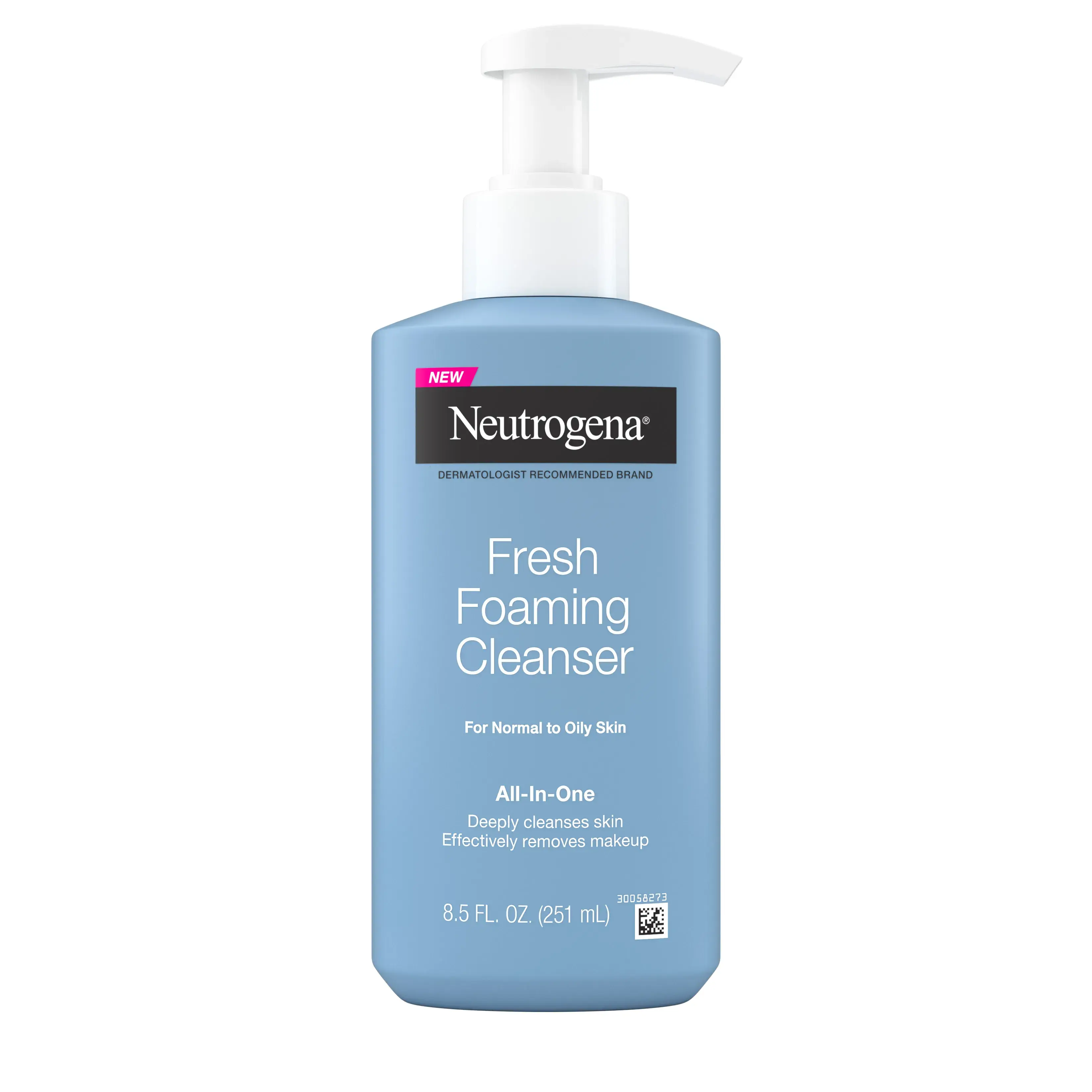
Credit: www.neutrogena.com
How Double Cleansing Transforms Skin And Scalp
People often notice dramatic changes after switching to double cleansing. Here are some real results and reasons why it works so well:
Deeper Clean Without Damage
Traditional cleansing methods can leave residue or irritate skin. Double cleansing removes all types of debris without scrubbing or stripping. For example, studies show that using an oil-based cleanser removes up to 99% of makeup compared to 80% with water-based cleansers alone.
On the scalp, many users report that their hair stays fresher longer, and they can reduce how often they need to wash. This is because less buildup means less oil and fewer odors.
Reduces Clogged Pores And Breakouts
Sebum and dead skin block pores, especially in humid climates. Double cleansing lifts away this buildup, reducing acne and blackheads on both the face and scalp.
For those with scalp acne (little bumps or pimples on the scalp), double cleansing can greatly reduce flare-ups, especially when using non-comedogenic products.
Improves Product Absorption
Clean skin and scalp absorb serums, moisturizers, and treatments much better. This means your expensive products work harder and give better results.
A clear scalp allows hair growth serums or anti-dandruff treatments to reach the roots directly, making them more effective. Similarly, facial serums work best on skin that’s free of oils and residue.
Healthier Hair And Brighter Skin
When the scalp is clean, hair grows stronger and less greasy. For the face, double cleansing can brighten dull skin and even tone.
Some people with hyperpigmentation or dark spots find that double cleansing helps treatments work faster, as their skin is less blocked by leftover sunscreen or makeup.
Table: Single Vs. Double Cleansing Results
| Aspect | Single Cleansing | Double Cleansing |
|---|---|---|
| Makeup Removal | Leaves residue | Removes almost all traces |
| Pore Clogging | More frequent | Much less likely |
| Scalp Oiliness | Returns quickly | Stays fresh longer |
| Sensitivity | Can increase with harsh cleansers | Reduces with gentle double cleansing |
The Science Behind Double Cleansing
Cleansers work through a process called emulsification. Oil-based cleansers bond with oil, makeup, and sunscreen, breaking them down so they can be rinsed away. Water-based cleansers then remove sweat, dirt, and whatever is left behind.
Research supports this method. For example, a study in the Journal of the American Academy of Dermatology found that double cleansing reduced transepidermal water loss (meaning better skin barrier) and improved absorption of active ingredients.
For the scalp, dermatologists see fewer cases of seborrheic dermatitis and clogged hair follicles in patients who double cleanse, especially those using heavy hair products.
A less obvious insight: using oil-based cleansers can help keep the skin’s microbiome balanced, as they tend to be less disruptive to beneficial bacteria than harsh soaps.
Double Cleansing For Different Skin And Hair Types
No two people have the same skin or scalp needs. Here’s how to adapt double cleansing for your unique situation.
Oily Or Acne-prone Skin/scalp
- Choose lightweight oil cleansers (e.g., grape seed oil)
- Use gel or foaming water cleansers
- Avoid heavy creams
- Cleanse twice daily, but monitor for dryness
- Look for ingredients like tea tree oil or salicylic acid, which help control oil
Dry Or Sensitive Skin/scalp
- Pick gentle cleansing balms or milky oils
- Use creamy, non-foaming water cleansers
- Limit to 3-4 times per week
- Follow with hydrating serums and moisturizers
- Avoid alcohol or astringent ingredients
Combination Skin/scalp
- Alternate between gel and cream cleansers
- Use a lightweight oil for the first step
- Spot-treat dry or oily areas as needed
- Adjust frequency as seasons change
Curly Or Coily Hair
- Use scalp oils with soothing ingredients (e.g., jojoba, argan)
- Gentle, sulfate-free shampoos for the second step
- Focus cleansing on scalp, not hair lengths
- Detangle hair before washing to avoid breakage
Color-treated Hair
- Use color-safe pre-shampoo treatments
- Avoid clarifying shampoos except once a month
- Condition well after cleansing
- Look for shampoos with UV protection to prevent color fade
If you have a specific scalp condition, ask your dermatologist which double cleansing products are safe. Some medicated shampoos can be used as the second cleanse.
Building The Perfect Double Cleansing Routine
A successful routine is simple and consistent. Here’s how to build yours:
1. Assess Your Needs:
Do you have oily skin, use lots of products, or live in a polluted area? Start with double cleansing 3-4 times per week. If you have sensitive or dry skin, begin with once or twice weekly and adjust.
2. Pick Products Carefully:
Choose oil-based and water-based cleansers suited for your skin and scalp type. Read reviews and check for allergy-friendly or dermatologist-tested labels if needed.
3. Be Gentle:
Avoid rubbing hard or using hot water. This can irritate or dry out your skin. Remember, the massage is more about loosening debris than scrubbing.
4. Watch For Changes:
If you notice dryness, redness, or irritation, switch to milder cleansers or reduce frequency. Keep a journal to track any reactions or improvements.
5. Don’t Skip Moisturizer Or Conditioner:
After double cleansing, always apply moisturizer to your face and conditioner to your hair lengths. This restores hydration and protects the skin barrier.
6. Be Consistent:
Results take time. Stick with your routine for at least 2-4 weeks before judging results. If you’re trying new products, introduce them one at a time to spot any sensitivities.
7. Adjust For Seasons:
Skin and scalp needs change with weather. Use richer cleansers in winter and lighter ones in summer.
Ingredients To Look For (and Avoid)
Some ingredients help double cleansing, while others can cause problems.
Best Ingredients
- Jojoba oil: Balances oils without clogging pores
- Squalane: Gentle and non-comedogenic
- Aloe vera: Soothes and hydrates
- Green tea: Fights inflammation
- Ceramides: Repairs skin barrier
- Panthenol: Moisturizes and calms skin
- Peppermint oil: Refreshes the scalp (use sparingly)
Ingredients To Avoid
- Sulfates: Can strip skin and scalp; look for “sulfate-free” labels
- Mineral oil: May clog pores for some people, though not everyone reacts the same
- Alcohol: Dries out and irritates; common in cheap cleansers
- Artificial fragrance: Causes reactions in sensitive types; stick to fragrance-free if unsure
- Parabens: Some people prefer to avoid these as a precaution
If you have allergies or sensitivities, always check the full ingredient list and do a patch test before applying to your whole face or scalp.
Practical Tips For Beginners
Starting double cleansing is simple, but a few tips can make it easier:
- Always start with dry hands and skin for the oil cleanser. This helps the cleanser break down oils better.
- Don’t rush. Massage for at least one minute per step. This ensures all impurities are loosened.
- Use lukewarm water, not hot or cold. This avoids irritation and helps emulsify oils.
- If your skin feels tight, your cleanser may be too strong. Switch to a milder formula.
- For the scalp, use your fingertips, not nails. Nails can scratch and damage the skin.
- If you have acne, avoid harsh scrubs or brushes. These can make breakouts worse.
- Store cleansers away from direct sunlight to keep ingredients effective.
- If you use retinol or acids, cleanse gently—over-cleansing can increase sensitivity.
- Consider using a soft cloth or konjac sponge for the second cleanse if you want extra exfoliation.
A small but often missed tip: When double cleansing the scalp, try to lean forward in the shower. This can help rinse away oils and shampoo more completely, especially if you have thick hair.

Credit: www.amazon.com
Myths And Facts About Double Cleansing
It’s easy to get confused by all the information online. Here are some truths:
- Myth: Double cleansing is only for women.
Fact: Men benefit too, especially if they use hair or face products. Male skin and scalp also collect oil and dirt.
- Myth: It’s only for oily or acne-prone skin.
Fact: All skin types can benefit if the right products are used. Even dry skin can get clogged without proper cleansing.
- Myth: It’s too harsh for daily use.
Fact: Using gentle cleansers prevents stripping and irritation. Many people find their skin feels softer and healthier.
- Myth: Expensive products work better.
Fact: Affordable, well-formulated cleansers can work just as well. Focus on ingredients, not price.
- Myth: Double cleansing causes breakouts.
Fact: If you choose non-comedogenic products and rinse well, double cleansing usually reduces breakouts.
Real-world Experiences
People worldwide share success stories with double cleansing. For example, a 28-year-old woman with cystic acne saw clear skin after two months. A man with oily hair noticed he could go longer between washes. Even people with sensitive skin report less redness and itching.
A non-obvious insight: many people find that their treatment products (like acne creams or hair growth serums) started working better after switching to double cleansing. This is because clean skin and scalp let actives penetrate deeper.
Another insight: double cleansing can help those with skin conditions like eczema or psoriasis, but only if gentle, fragrance-free products are chosen. It’s always best to patch test new products.
Some parents notice that teenagers who double cleanse have fewer blackheads, especially around the nose and forehead. For people who travel often, double cleansing helps remove airplane grime and keeps skin fresh despite changes in climate.
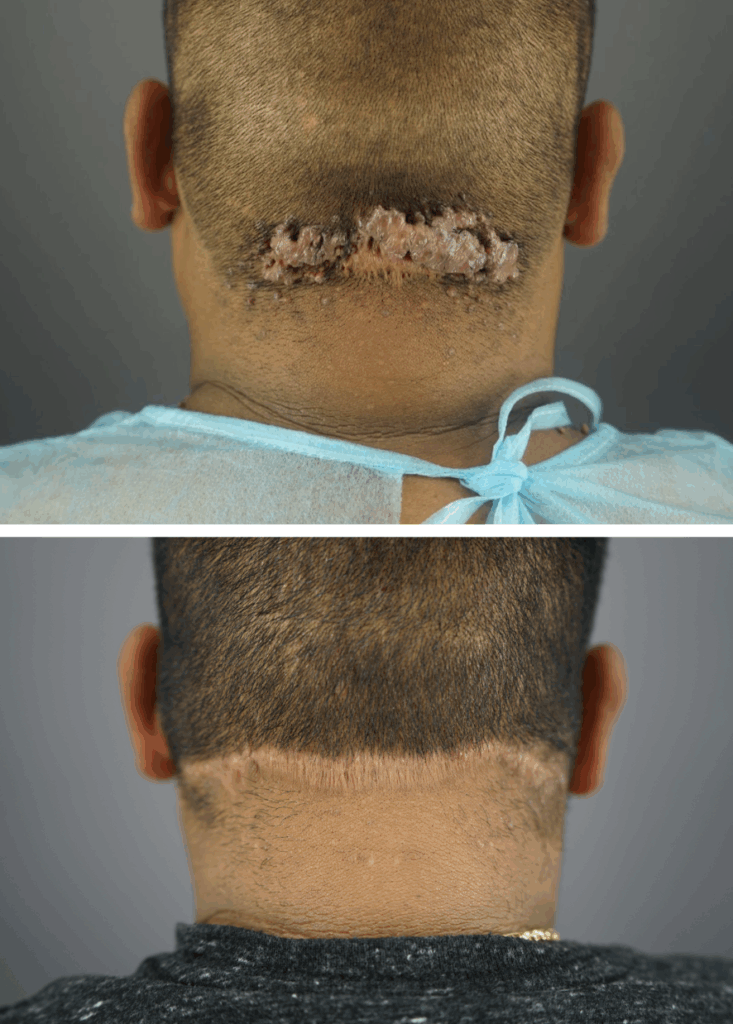
Credit: dru.com
Frequently Asked Questions
How Often Should I Double Cleanse My Face And Scalp?
For the face, double cleansing is safe once daily in the evening, especially if you wear makeup or sunscreen. For the scalp, start with once or twice a week. Adjust based on how your skin and hair respond. If your skin feels dry, reduce frequency; if you notice buildup, try increasing.
Can Double Cleansing Cause Dryness Or Irritation?
Double cleansing should not cause dryness if you use gentle, non-stripping products. If you notice irritation, switch to milder cleansers and reduce frequency. Also, avoid using strong exfoliants or peels at the same time.
Is Double Cleansing Necessary If I Don’t Wear Makeup?
Yes. Even without makeup, your skin and scalp collect oil, sweat, sunscreen, and pollution. Double cleansing ensures a deeper clean, helping prevent breakouts and buildup.
What’s The Best Double Cleansing Method For Sensitive Skin?
Use fragrance-free, hypoallergenic oil cleansers and cream-based or milky water cleansers. Limit double cleansing to 3-4 times a week and avoid hot water. Always patch test new products.
Where Can I Read More Research On Double Cleansing?
One reliable resource is the National Institutes of Health, which provides studies on skin cleansing methods and their benefits.
Double cleansing for the scalp and face has changed the way people care for their skin and hair. By understanding the method and making smart choices, you can enjoy clearer skin, a healthier scalp, and better results from your favorite products.
The key is to start gently, be consistent, and listen to your skin’s needs. This simple habit can make a world of difference in how you look and feel every day.