

Caring for aging and fragile hair is not just about looking good—it’s about protecting your hair’s health, strength, and confidence as you get older. Many people notice their hair changes with age: it might thin, become brittle, or lose its natural shine. Heat styling tools like blow dryers, flat irons, and curling wands can make these problems worse, causing even more damage to delicate hair. If you’ve ever wondered why your hair feels weaker now or how to keep it strong without giving up styling, you’re not alone. The truth is, heat damage prevention is possible, even for aging and fragile hair, but it requires understanding, care, and smart habits.
This guide dives deep into how heat affects aging hair, the science behind damage, and practical steps you can start today. You’ll learn not only what to avoid but also what works best to protect your hair’s health. From choosing the right products to clever styling tricks, this article gives you everything you need to know to enjoy beautiful, healthy hair—no matter your age.
Why Aging Hair Needs Special Heat Protection
As we age, our hair naturally changes. These changes make heat damage more likely and recovery slower. Here’s why:
- Decreased Protein and Lipid Content: Hair is made mostly of keratin protein and natural oils. Over time, the body produces less of these, making hair weaker and drier. This also means that hair loses the “gloss” or shine that is common in younger hair.
- Reduced Elasticity: Aging hair loses its natural stretchiness, so it’s easier to break when pulled or heated. This makes simple actions—like brushing or tying your hair—more damaging if you’re not gentle.
- Slower Growth: Damaged hair doesn’t grow back as quickly, so any breakage lasts longer. If you notice your hair takes longer to grow out after a cut or damage, this is why.
- Thinner Cuticle Layer: The outer layer of hair (the cuticle) becomes thinner, making it less able to protect the inner hair shaft from heat. When the cuticle is thin, even normal brushing or sun exposure can be more harmful.
A 2018 study in the *International Journal of Cosmetic Science* found that women over 50 lose up to 20% of hair density and 30% of hair diameter compared to their 20s. This means less hair, and each strand is more fragile.
The reality is, as we get older, our hair is simply not as resilient as before, and every bit of protection helps.
Many people also experience hormonal changes, such as during menopause, which can further affect the scalp’s oil production and overall hair health. Combined with years of sun exposure, chemical treatments, and general wear and tear, these factors all make aging hair particularly vulnerable to heat.
The Science Of Heat Damage On Fragile Hair
Understanding how heat affects hair helps prevent damage. Here’s what happens:
- Water Loss: Hair contains water inside and between cells. Heat evaporates this water, making hair dry and brittle. When the internal moisture is lost, hair loses its flexibility and becomes more likely to snap under stress.
- Protein Breakdown: High temperatures break the bonds in keratin, causing split ends and breakage. Protein bonds are what keep hair strong and elastic, so damaging them weakens your hair from the inside out.
- Cuticle Damage: The cuticle lifts or cracks, exposing the inner cortex to further damage. Once the cuticle is damaged, hair is much more likely to frizz, tangle, and split.
- Color Fading: For colored or gray hair, heat accelerates fading and yellowing. Gray hair, in particular, can turn yellowish with frequent heat styling, which is difficult to reverse without specialized products.
Not all hair responds to heat the same way. For example, gray hair has less melanin, making it more sensitive to heat and UV rays. Additionally, the natural oils that protect your hair are produced less as you age, making the cuticle less effective as a shield.
If you’ve ever noticed that your hair gets more “flyaways” or frizz after heat styling, that’s often because the cuticle has been compromised by heat.
Another factor is repeated heat exposure. Every time you use a hot tool, a small amount of damage adds up—even if you don’t see it right away. Over months or years, this cumulative effect can lead to significant thinning and breakage, especially for aging hair that’s already fragile.
Main Causes Of Heat Damage In Aging Hair
Most heat damage comes from daily routines. Here are common habits that cause trouble:
- Blow Drying Too Hot: Using a hair dryer on high heat, especially close to the scalp, dries out hair quickly. Even when you don’t feel your scalp burning, your hair may be losing precious moisture.
- Flat Irons and Curlers: These tools can reach over 200°C (392°F). That’s enough to boil water inside the hair, causing bubbles and cracks. Over time, repeated use can lead to permanent texture changes in your hair.
- Frequent Washing with Hot Water: Hot water strips natural oils, leaving hair exposed to heat damage. Even lukewarm water is better for preserving your hair’s protective oils.
- Not Using Heat Protectant: Skipping protective products lets heat hit the hair directly. Many people believe heat protectants are just a marketing gimmick, but science shows they can reduce damage significantly.
- Layering Heat Tools: Using more than one tool in a session (like blow drying, then flat ironing) doubles the risk. If you need to use multiple tools, try to lower the temperature or space out their use.
Other often-overlooked causes include leaving the hair dryer in one spot for too long, using old tools with worn-out plates or wires, and touching up hair with heat on “second-day” hair that already has styling product buildup.
How To Prevent Heat Damage For Aging And Fragile Hair
Heat damage is not inevitable. With the right habits, you can enjoy styling and keep your hair healthy.
1. Use Heat Styling Tools Less Often
The most effective way to protect aging hair is to reduce how often you use heat tools. Try these approaches:
- Air Dry When Possible: Let hair dry naturally after washing. If you’re in a hurry, towel dry gently and let it finish air drying while you get ready.
- Embrace Natural Texture: Work with your hair’s natural shape instead of forcing it straight or curly every day. For example, scrunch damp hair with a curl cream for waves, or use a volumizing mousse to enhance body.
- Limit Styling to Special Occasions: Save flat irons and curling wands for events, not daily use. This gives your hair time to recover between styling sessions.
If you feel your hair looks “flat” without heat, try changing your part, using root-lifting sprays, or sleeping in loose braids to add body overnight.
2. Choose The Right Heat Setting
Not all hair needs the same amount of heat. Thinner, fragile hair requires lower temperatures.
| Hair Type | Recommended Max Temperature | Notes |
|---|---|---|
| Fine or Aging | 120–150°C (250–300°F) | Lowest heat; avoid daily use |
| Normal | 150–180°C (300–350°F) | Use with protection |
| Thick/Coarse | 180–200°C (350–390°F) | Only if necessary |
Always start with the lowest setting that works for your hair. Many people use the default “high” setting out of habit, but lower temperatures are usually enough, especially if your hair is clean and prepped.
If your tool doesn’t show the actual temperature, do a “paper test. ” Run the hot tool over a piece of thin tissue paper—if it scorches or curls the paper, it’s too hot for your hair.
3. Always Apply A Heat Protectant
Heat protectants are sprays, creams, or serums that create a barrier between your hair and the heat. They typically contain ingredients like silicones, proteins, or oils that help shield hair.
- Look for: Dimethicone, Cyclopentasiloxane, Hydrolyzed Keratin, or Argan Oil in the ingredients list. These help coat the hair and lock in moisture.
- How to use: Apply evenly to damp (not soaking wet) hair before using any heat tool. Comb through for even coverage.
- Bonus: Some protectants also add shine or reduce frizz. Look for products that specify “thermal protection up to 450°F” for best results.
A common beginner mistake is using too much protectant, making hair greasy or heavy. Start with a small amount, then add more if needed.
4. Switch To Gentler Styling Tools
Older styling tools can be harsh on hair. Modern tools often have technology that helps protect your hair.
- Ceramic or Tourmaline Plates: Distribute heat more evenly, reducing hot spots and burning.
- Ionic Technology: Helps dry hair faster with less heat, locking in moisture and reducing frizz.
- Adjustable Temperature Controls: Let you set the precise heat level. This is important, especially for fine or thinning hair.
If your tool doesn’t have a temperature display, consider upgrading. Investing in newer tools may feel expensive up front, but it can prevent costly hair repair treatments later.
5. Cut Down On Wet-to-dry Styling
Using heat tools on wet hair is a common mistake. Wet hair is more fragile and breaks easily under heat. Always towel dry, then air dry to at least 70–80% before using any blow dryer or flat iron. If you hear “sizzling” or see steam, your hair is still too wet—wait a bit longer.
6. Master Safe Blow-drying Techniques
A few small changes make blow drying much safer for aging hair:
- Use a Heat Protectant: Always.
- Keep the Dryer Moving: Don’t hold it in one spot. Move in small circles or sweep down the hair length.
- Use a Diffuser: This spreads heat and reduces direct impact. Diffusers are especially good for wavy or curly hair.
- Hold Dryer 15–20 cm from Hair: Reduces intensity. The further away, the less direct heat.
- Finish with a Cool Shot: Helps seal the cuticle and adds shine. This also helps your style last longer.
If you have thick hair, section it off and dry in layers to avoid overheating any one part.
7. Condition And Moisturize Regularly
Moisture is key for fragile hair. Dry hair breaks more easily, especially under heat. Make these part of your routine:
- Use a Hydrating Conditioner: Every time you wash. Leave it in for a few minutes so the ingredients can penetrate.
- Deep Condition Weekly: Look for masks with keratin, biotin, or natural oils. These strengthen and repair hair, making it more resilient to heat.
- Leave-In Conditioner: Adds extra protection before styling. Some leave-ins also have UV filters or extra protein for fragile hair.
If your hair feels heavy or oily after conditioning, try using the product only from mid-length to ends, avoiding the roots.
8. Trim Hair Regularly
Trimming removes split ends and weak sections before they become bigger problems. For aging hair, aim for a trim every 6–8 weeks. This reduces tangling and breakage. Regular trims don’t make hair grow faster, but they do help keep the ends healthy, which means your hair looks fuller and shinier.
If you’re trying to grow your hair longer, ask your stylist for “dusting”—a technique that removes just the very tips of damaged hair.
9. Avoid Over-washing
Washing hair too often strips away natural oils that protect against heat. For fragile hair, 2–3 times per week is usually enough. If scalp gets oily, use a gentle, sulfate-free shampoo. In between washes, use a dry shampoo or rinse with just water to refresh your hair without stripping moisture.
10. Use Gentle Towel Techniques
Rough towel drying can damage hair even before heat styling. After washing, gently squeeze out water and pat dry with a microfiber towel or an old cotton T-shirt. Avoid rubbing, which can rough up the cuticle. Microfiber towels are especially good for reducing frizz and cuticle damage.
11. Protect Hair While Sleeping
Nighttime friction from pillows can weaken hair. Consider these tips:
- Silk or Satin Pillowcases: Reduce friction and prevent tangling. They also help your hair retain moisture overnight.
- Loose Braids or Buns: Keep hair neat without pulling. This also prevents hair from matting or tangling.
- Avoid Sleeping with Wet Hair: Wet hair is more fragile and likely to break. If you must go to bed with damp hair, use a satin scarf or bonnet.
12. Choose Hair Products For Aging Hair
Special shampoos, conditioners, and serums can help strengthen fragile hair. Look for products labeled for mature, aging, or thinning hair. These often contain:
- Biotin: Supports keratin production.
- Niacinamide: Improves scalp health.
- Collagen: Adds strength.
A 2022 survey by the American Academy of Dermatology showed that 67% of women over 50 who switched to age-specific hair products noticed less breakage after two months. Don’t be afraid to experiment—different brands work better for different hair types.
13. Get Professional Advice
A stylist who understands aging hair can offer personalized tips on cuts, styling, and products. Sometimes, salon treatments like protein masks or olaplex can help restore strength. Salons also have access to treatments not available at home, such as bond-building therapies that help repair internal hair structure.
If you have health issues or take medication that may affect hair, tell your stylist—they may adjust their approach based on your needs.
14. Watch Out For Chemical Processes
Chemical coloring, perms, or relaxers can weaken hair further, especially when combined with heat. If you color your hair, ask for gentle, ammonia-free formulas and wait at least a week after coloring before heat styling. Always do a strand test before using new products to check for sensitivity.
If possible, space out chemical treatments by at least 6–8 weeks. Using bond-building additives during coloring can also help protect hair.
15. Protect Hair From Sun And Environment
UV rays and pollution can damage hair, especially when it’s already fragile. Wear a hat, scarf, or use leave-in products with UV filters when spending time outdoors. Salt water, chlorine, and wind can also strip moisture from hair, so rinse your hair with fresh water after swimming and apply a hydrating serum before going out.
Practical Tips For Everyday Styling
Preventing heat damage is easier when you build safe habits into your daily routine.
Let Hair Air Dry Whenever Possible
This simple step gives your hair a break from heat. Try washing your hair at night so it can dry naturally by morning. If you need to style in the morning, let your hair air dry while you do your makeup or other tasks.
Embrace Low-heat Styles
- Velcro Rollers: Add volume without heat. You can set these while you finish other tasks and remove them for soft waves.
- Foam Curlers: Create waves overnight. These are gentle and comfortable to sleep in.
- Braids or Twists: Give a gentle, heat-free style. Experiment with the number and size of braids to find your favorite look.
If you want to add volume at the roots, gently lift sections and spray a lightweight volumizer while damp, then let air dry.
Alternate Your Part
Changing your hair part reduces stress on the same section of hair, lowering breakage risk. Over time, hair at your usual part can become weaker and thin out. Switching your part every week can help balance the pressure.
Use A Wide-tooth Comb
Fine-tooth combs and brushes can pull on fragile hair. A wide-tooth comb detangles gently, especially when hair is wet. Start at the ends and work your way up to avoid tugging.
If your hair tangles easily, apply a leave-in spray before combing to make detangling even easier.
Best Ingredients And Products For Heat Protection
Not all products are created equal. These ingredients have strong evidence for protecting aging hair from heat:
- Silicones (like Dimethicone): Coat the hair, locking in moisture and reducing heat penetration. They also help smooth the cuticle for less frizz.
- Natural Oils (Argan, Coconut, Jojoba): Add shine and moisture, though they don’t provide as much protection as silicones. They’re great for extra conditioning.
- Proteins (Keratin, Silk): Help rebuild damaged areas and make hair stronger. Protein treatments can also help fill in weak spots.
- Panthenol (Vitamin B5): Attracts moisture and smooths hair cuticle. Panthenol also helps improve hair elasticity.
When choosing a product, check for these ingredients near the top of the label. Some popular brands for aging and fragile hair include:
- Olaplex No. 7 Bonding Oil: Repairs and protects hair structure. This oil is lightweight and won’t weigh down fine hair.
- Moroccanoil Protect & Prevent Spray: Offers heat and UV protection. It’s especially good for color-treated or gray hair.
- Living Proof Restore Instant Protection: Lightweight, good for fine hair. This spray helps prevent heat and UV damage while smoothing flyaways.
If your hair is easily weighed down, look for sprays rather than creams or oils. For extra dry hair, layer a leave-in conditioner under your heat protectant.

Credit: www.amazon.com
How To Build A Heat-proof Hair Care Routine
A strong routine helps prevent accidental damage and keeps your hair looking its best.
- Shampoo: Use a gentle, sulfate-free formula 2–3 times per week. This keeps your scalp healthy without stripping oils.
- Condition: Apply a moisturizing conditioner each time you wash. Leave it in for 2–3 minutes for extra hydration.
- Deep Treatment: Use a hair mask or deep conditioner once a week. Look for strengthening or repairing masks.
- Detangle: Use a wide-tooth comb and be gentle. Always start from the ends.
- Heat Protectant: Always apply before using heat. Even if you’re just blow drying quickly.
- Styling: Use the lowest heat setting possible. Avoid touching up the same section multiple times.
- Finishing: Finish styles with a cool blast to close the cuticle. This locks in shine and helps hair hold its shape.
Weekly Routine Example
| Day | Care Step | Notes |
|---|---|---|
| Monday | Wash, Condition, Air Dry | Let hair rest from heat |
| Wednesday | Wash, Deep Condition, Light Blow Dry | Use low heat, heat protectant |
| Friday | Wash, Condition, Style with Rollers | No heat |
| Sunday | Apply Leave-In Conditioner | Extra moisture boost |
If you have an event or need to style with heat, try to schedule it after a deep conditioning day for added protection.
Common Mistakes To Avoid
Even with the best intentions, some habits cause more harm than help.
- Using High Heat “Just for Speed”: Higher temperatures might seem faster but cause much more damage. Lower temperatures might take a little longer, but your hair will thank you.
- Applying Heat to Dirty Hair: Oils and products can burn, damaging hair and scalp. Always start with clean, dry hair.
- Skipping Trims: Split ends travel up the hair shaft, making breakage worse. Don’t wait until your ends look ragged—regular trims prevent bigger problems.
- Using Old or Damaged Tools: Cracked plates or faulty dryers create uneven heat. These can “catch” on hair and cause breakage.
Another mistake is using too many products at once. Heavy layering can cause buildup, making hair more difficult to style and leading to breakage when combed or brushed.
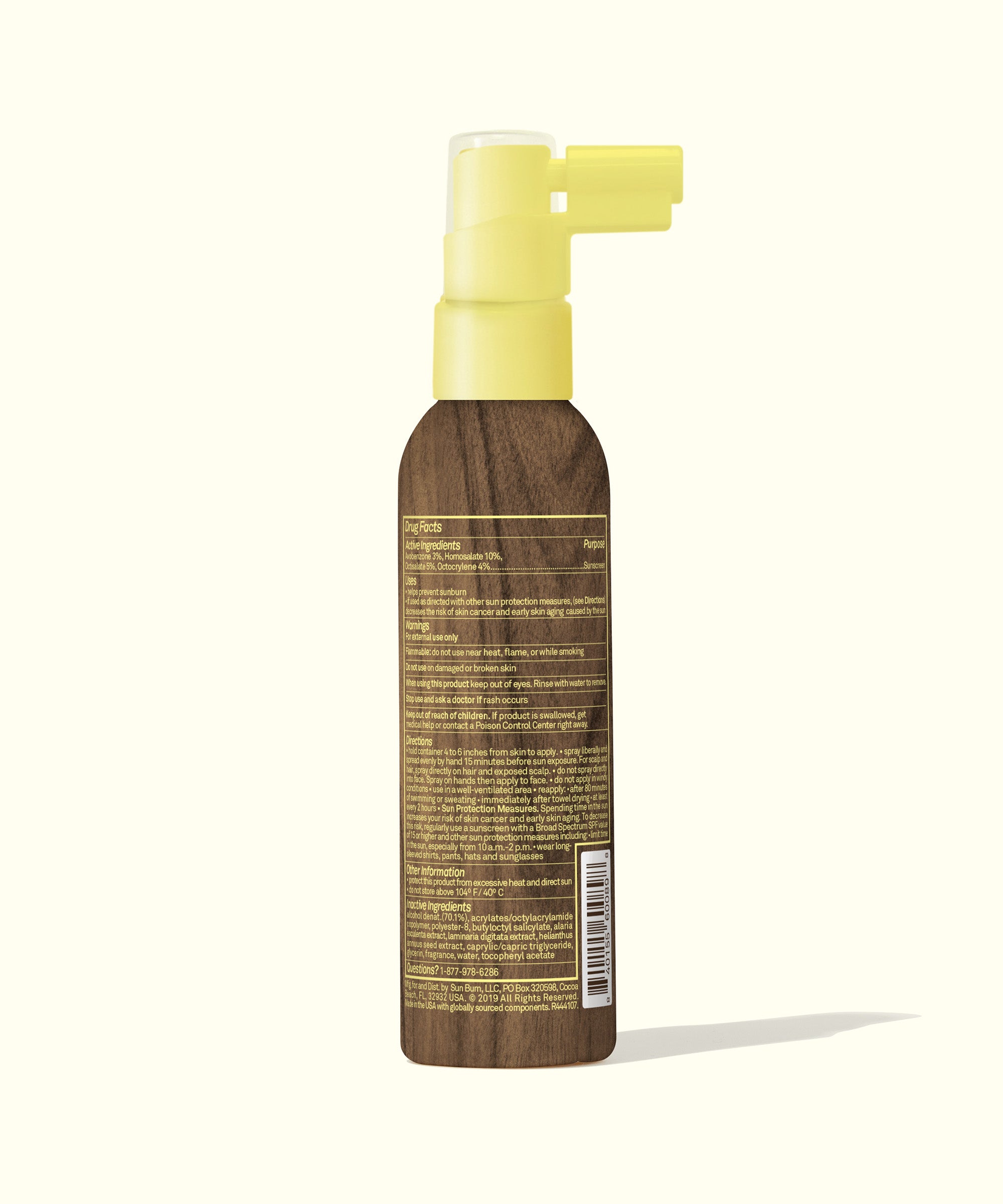
Credit: www.sunbum.com
Non-obvious Insights For Healthy Hair
Many articles focus on basics, but there are hidden details that make a big difference:
- Humidity Matters: Humid environments help hair retain moisture, so try to avoid over-drying rooms (like those with constant air conditioning). Using a humidifier at night can keep your hair softer and less prone to breakage. Conversely, very dry air can make hair static and more breakable.
- Scalp Health is Key: A healthy scalp means stronger hair. Gentle scalp massages can boost blood flow, delivering more nutrients to hair follicles. Avoid heavy oils or products that clog pores. If you notice flaking or itching, consider a gentle, clarifying shampoo once a month.
- Be Careful with Accessories: Metal clips or tight bands can cut into fragile hair, especially when heated. Opt for fabric scrunchies or loose clips. Also, avoid hairstyles that pull tightly on the scalp, like slick ponytails or tight buns.
- Watch Out for Water Quality: Hard water (high in minerals) can make hair drier and more brittle. If possible, use a shower filter or rinse hair with filtered water to reduce buildup. You can also use chelating shampoos monthly to remove mineral buildup.
When To Seek Professional Help
If you notice sudden hair loss, extreme thinning, or scalp irritation, consult a dermatologist or trichologist. Medical conditions like thyroid issues, hormonal changes, or nutritional deficiencies can also affect hair health.
According to the American Academy of Dermatology, nearly 40% of women experience visible hair loss by age 60, and professional advice is crucial for early intervention. If you notice bald spots, severe shedding, or changes in scalp texture, seek medical advice to rule out underlying health issues.
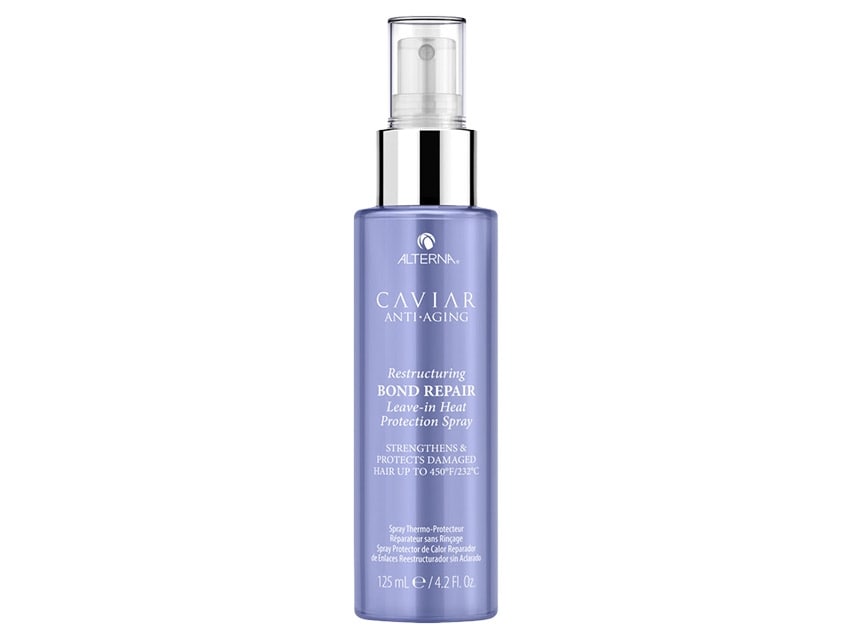
Credit: www.lovelyskin.com
Supporting Research And Resources
Many advances in hair care science help us understand and prevent heat damage. For further reading on the science behind heat protectants and aging hair, the National Institutes of Health offers detailed research. You can also consult reputable dermatology organizations for up-to-date recommendations.
Frequently Asked Questions
What Is The Safest Way To Style Aging Hair Without Heat?
The best way is to use air drying and heatless styling methods like braids, twists, or foam rollers. These create waves or curls without any heat. You can also use volumizing products to give body and shape. For special occasions, try gentle updos or use accessories like headbands or clips that don’t pull too tightly.
How Often Should I Trim Fragile Hair?
For aging or fragile hair, a trim every 6–8 weeks helps prevent split ends and keeps hair looking healthy. Regular trims also make detangling easier and reduce breakage. If you notice your ends splitting sooner, shorten the interval between trims.
Can I Color My Hair And Still Avoid Heat Damage?
Yes, but it’s important to use gentle, ammonia-free dyes and wait at least a week before using heat tools after coloring. Always combine coloring with deep conditioning treatments and use a heat protectant when styling. Ask your stylist about “bond-protecting” color treatments for extra safety.
Are There Any Specific Ingredients To Avoid In Products For Fragile Hair?
Try to avoid sulfates, parabens, and drying alcohols, as these can strip moisture and make hair more prone to damage. Look for products with nourishing oils, proteins, and vitamins. If your scalp is sensitive, fragrance-free products may also help reduce irritation.
Does Gray Hair Need Different Heat Protection?
Gray hair is often more fragile and sensitive because it lacks melanin. Use lower heat, extra moisture, and UV protection. Special shampoos for gray hair can also help prevent yellowing and dryness. Consider purple-tinted conditioners to keep gray hair bright and shiny.
Caring for aging and fragile hair takes patience, but the right knowledge and habits can keep your hair looking strong, shiny, and beautiful for years. Remember, prevention is always easier than repair—so start protecting your hair today and enjoy the confidence that comes with healthy, resilient strands.