

Many people with low porosity hair find themselves struggling to keep their hair moisturized, soft, and healthy. They try product after product, but nothing seems to work for long. If this sounds familiar, you’re not alone. Low porosity hair can be difficult to manage, but there’s a natural, budget-friendly solution that’s gaining attention: aloe vera juice. This simple plant-based liquid may be the game changer you’ve been looking for. In this article, we’ll dive deep into why aloe vera juice is so effective for low porosity hair, how to use it, and what makes it stand out compared to other options.
Understanding Low Porosity Hair
Before jumping into the benefits of aloe vera juice, it’s important to understand what low porosity hair is. Porosity refers to how well your hair can absorb and hold moisture. The outer layer of each hair strand, called the cuticle, is made of small, overlapping scales.
With low porosity hair, these scales are packed tightly together. This makes it hard for water, oils, and hair products to enter the hair shaft. Instead of soaking in moisture, the hair tends to repel it, often causing dryness and product buildup.
Some common signs of low porosity hair are:
- Water sits on top of your hair instead of soaking in
- Products seem to “sit” on your hair
- Hair dries slowly
- Prone to buildup from conditioners and oils
- Feels dry or straw-like even after moisturizing
Low porosity hair is common among people with curly and coily hair textures, but it can affect anyone. Genetics, environmental factors, and even heat styling can influence your hair’s porosity.
Why Moisturizing Low Porosity Hair Is So Challenging
Moisturizing low porosity hair isn’t just about using more conditioner or oil. The cuticle layer acts as a strong barrier. Many products, especially those with heavy oils or butters, just coat the outside of the hair without actually penetrating it.
This leads to frustration and wasted money.
Here are some common problems:
- Product Buildup: Creams and oils can build up quickly, leaving hair dull and heavy.
- Slow Absorption: Hair takes a long time to get wet and even longer to dry.
- Lack of Softness: Even after using moisturizing products, hair may feel rough or stiff.
For many, the answer is not more products, but smarter products—ones that are light, water-based, and can actually penetrate the cuticle. This is where aloe vera juice shines.
Aloe Vera Juice: Nature’s Moisturizer
Aloe vera is a succulent plant known for its thick, gel-filled leaves. For centuries, its gel and juice have been used for skin, burns, and even digestive problems. In recent years, people have discovered its powerful effects on hair, especially for those with low porosity.
Aloe vera juice is made by extracting the clear, watery liquid from inside the leaves. Unlike the thick gel, the juice is lighter, making it perfect for hair that resists heavier products.
What Makes Aloe Vera Juice Special?
- Lightweight: Aloe vera juice is thin and water-based, so it doesn’t weigh hair down or cause buildup.
- PH Balancer: It has a pH close to natural hair (about 4.5–5.5), which helps keep the cuticle closed and healthy.
- Moisture Magnet: Contains mucopolysaccharides, which attract and hold water in the hair.
- Nutrients: Packed with vitamins (A, C, E, B12), minerals (zinc, magnesium), and amino acids.
- Anti-inflammatory: Soothes scalp irritation and reduces flaking.
These properties make aloe vera juice an excellent choice for people with low porosity hair. It adds hydration without causing heaviness or stickiness.
How Aloe Vera Juice Works For Low Porosity Hair
When you spray or apply aloe vera juice to low porosity hair, several things happen:
- The lightweight liquid sits on the hair’s surface, but because of its similar pH, it helps open the cuticle slightly, allowing moisture to enter.
- The water-attracting molecules help draw moisture from the air into the hair shaft.
- Nutrients in the juice nourish both the hair and scalp, promoting healthier growth.
- Because it’s so light, aloe vera juice doesn’t leave a greasy residue or cause buildup.
Many people notice softer, shinier hair after just a few uses. Over time, regular use can improve hair manageability and reduce dryness.
Comparing Aloe Vera Juice With Other Moisturizers
It’s common to wonder how aloe vera juice stacks up against other popular hair moisturizers like coconut oil, leave-in conditioners, and butters. Here’s a quick comparison to highlight the differences:
| Product | Texture | Penetration | Build-Up Risk | Best For |
|---|---|---|---|---|
| Aloe Vera Juice | Light, watery | High | Low | Low porosity hair |
| Coconut Oil | Medium, oily | Low to Medium | High | Medium/high porosity hair |
| Leave-In Conditioner | Creamy, thick | Medium | Medium | All porosity types |
| Shea Butter | Heavy, solid | Low | High | High porosity hair |
As you can see, aloe vera juice stands out for its lightness and low risk of buildup. This is exactly what low porosity hair needs.
Scientific Evidence: Does Aloe Vera Juice Really Work?
There’s plenty of anecdotal evidence about aloe vera juice’s benefits, but what does science say?
- PH and Cuticle Health: Studies show that hair products close to the hair’s natural pH keep the cuticle layer smooth and flat, which helps maintain moisture. Aloe vera juice falls in this optimal range.
- Moisture Retention: Research on mucopolysaccharides (found in aloe) shows they are effective at drawing in and keeping moisture, supporting claims that aloe helps hydrate hair.
- Antimicrobial Effects: Aloe contains compounds that fight scalp bacteria and fungi, reducing itchiness and dandruff.
One study published in the *Journal of Chemical and Pharmaceutical Research* found that aloe vera extracts improved hair growth in animal models due to their rich mix of vitamins and minerals.
While more human studies are needed, the evidence so far supports using aloe vera juice for healthier, more manageable hair.
How To Use Aloe Vera Juice For Low Porosity Hair
Getting the most from aloe vera juice requires knowing how and when to use it. Here’s a simple, effective guide:
1. As A Daily Moisturizing Spray
Mix pure aloe vera juice with distilled water in a spray bottle. Use a 1:1 ratio for best results. Spray lightly on your hair every morning before styling. This method is especially helpful for refreshing curls and reducing frizz.
2. Leave-in Treatment
After washing and conditioning, apply aloe vera juice directly to damp hair. Focus on the mid-lengths and ends. Let your hair air-dry or use a diffuser. You’ll notice softer, more hydrated hair without the sticky feeling.
3. Scalp Tonic
If you have a dry or itchy scalp, massage aloe vera juice into your roots and scalp. Leave it on for 10–15 minutes, then rinse. This can help calm irritation and flaking.
4. In Deep Conditioning Mixes
Add a few tablespoons of aloe vera juice to your favorite deep conditioner. Mix well and apply as usual. Aloe vera juice helps the conditioner absorb better, giving your hair extra moisture.
5. As A Detangler
Spray aloe vera juice on tangles and knots before combing. Its slippery texture makes detangling easier and gentler.
Pro Tips For Best Results
- Always use pure, preservative-free aloe vera juice. Store-bought versions often have added chemicals.
- Patch test before first use, especially if you have sensitive skin.
- For extra shine, add a drop of light oil (like argan or grapeseed) to your spray mixture.
- Store aloe vera juice in the fridge to keep it fresh longer.
Step-by-step Aloe Vera Juice Spray Recipe
Making your own aloe vera juice spray is easy and affordable. Here’s how:
You’ll need:
- 1/2 cup pure aloe vera juice
- 1/2 cup distilled or filtered water
- 5 drops lavender or rosemary essential oil (optional)
- Clean spray bottle
Instructions:
- Pour aloe vera juice and water into the bottle.
- Add essential oil, if using.
- Shake well before each use.
- Store in the fridge. Use within 1–2 weeks.
Spray onto damp or dry hair as needed. This basic recipe costs less than most commercial leave-ins and has no harsh chemicals.
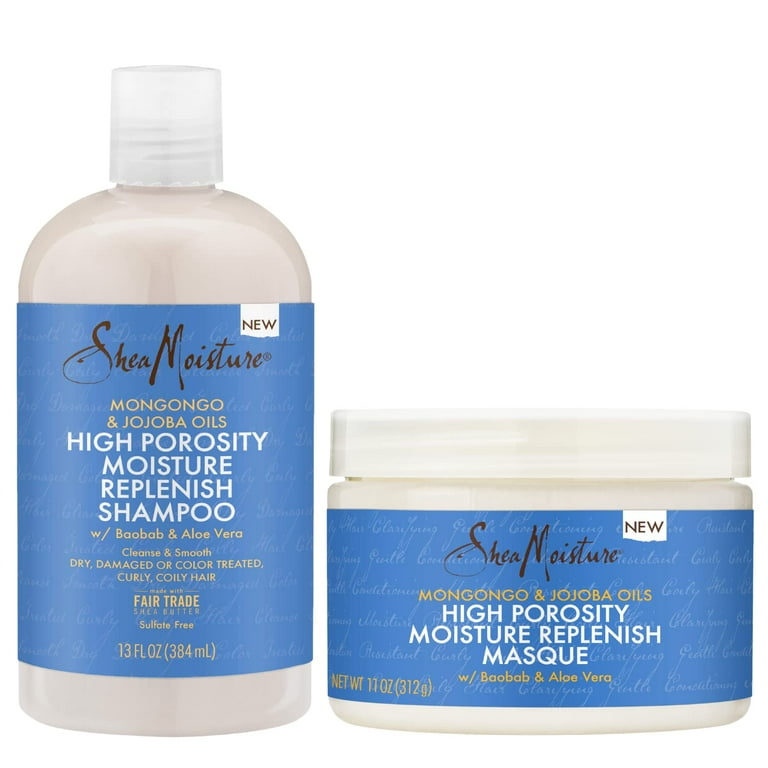
Credit: www.walmart.com
Real-life Results: What Users Say
People with low porosity hair often share dramatic before-and-after stories when they start using aloe vera juice. Some of the most common feedback includes:
- “My hair finally absorbs moisture instead of just feeling greasy on top.”
- “Curls look defined and bouncy for the first time.”
- “Less breakage and split ends.”
- “Scalp feels less itchy, and flakes are gone.”
One user said, “Aloe vera juice is the only thing that keeps my hair soft all week without reapplying heavy creams. ” These experiences are echoed in online forums, YouTube reviews, and natural hair communities.
Common Mistakes To Avoid
Even a great product like aloe vera juice won’t work if used incorrectly. Here are mistakes beginners often make:
- Using gel instead of juice: The gel is much thicker and can cause buildup. Stick to the juice for low porosity hair.
- Over-applying: More isn’t always better. Start with a light mist and add more only if needed.
- Mixing with heavy oils: This can block moisture instead of helping it absorb. If you add oil, use only a tiny amount.
- Ignoring patch tests: Some people are allergic to aloe. Always test on a small area first.
- Using old juice: Aloe vera juice can spoil. Store in the fridge and toss after two weeks.
Understanding these pitfalls will help you get the best results without frustration.
Aloe Vera Juice Vs. Aloe Vera Gel: What’s The Difference?
Many people are confused about whether to use aloe vera juice or aloe vera gel. Here’s how they compare:
| Feature | Aloe Vera Juice | Aloe Vera Gel |
|---|---|---|
| Texture | Watery, light | Thick, sticky |
| Absorption | Quick, easy | Slower, can coat hair |
| Best For | Low porosity hair | High porosity or styling |
| Risk of Buildup | Low | Medium to High |
For low porosity hair, the juice is almost always the better choice because it hydrates without weighing hair down.
Cost Comparison: Aloe Vera Juice Vs. Store-bought Leave-ins
Affordability is a major benefit of aloe vera juice. Let’s compare the average cost for one month’s use:
| Product | Average Cost (USD) | Number of Uses | Cost Per Use |
|---|---|---|---|
| Aloe Vera Juice (16oz) | $7 | 30 | $0.23 |
| Leave-In Conditioner (8oz) | $12 | 20 | $0.60 |
| Hair Milk (8oz) | $10 | 18 | $0.56 |
Aloe vera juice is not only natural but also one of the most budget-friendly options available. For those who want an affordable routine, it’s a smart choice.
How To Choose The Best Aloe Vera Juice
Not all aloe vera juice is created equal. Here’s what to look for when buying:
- Purity: Check the label. The only ingredient should be 99–100% aloe vera juice. Avoid added sugars, flavors, or preservatives.
- Cold-Pressed: This method keeps nutrients intact.
- Organic: Fewer pesticides and chemicals.
- Packaging: Dark bottles help protect the juice from sunlight, which can degrade it.
- Certifications: Look for USDA Organic or IASC (International Aloe Science Council) seals.
If you buy online or from a health store, read reviews and ask questions. A good brand will be transparent about their sourcing and processing.
For more about aloe vera and its properties, you can visit the Wikipedia Aloe Vera page.
Diy Aloe Vera Juice: Make It At Home
If you have an aloe plant at home, you can make fresh juice yourself. Here’s how:
What you need:
- 2–3 large aloe vera leaves
- Sharp knife
- Blender
- Fine strainer or cheesecloth
- Clean jar
Instructions:
- Cut the leaves from the base and wash well.
- Slice each leaf lengthwise and use a spoon to scoop out the clear inner gel (avoid the yellow sap—it can be irritating).
- Blend the gel with 1 cup of distilled water until smooth.
- Strain through cheesecloth to remove any solid pieces.
- Pour into a clean jar and store in the fridge for up to one week.
Homemade aloe vera juice is as pure as it gets, but be careful: always use fresh leaves and clean tools to avoid contamination.
The Science Behind Aloe Vera’s Effectiveness
Aloe vera’s reputation isn’t just hype. Several unique qualities make it especially useful for low porosity hair:
- Polysaccharides: These sugar molecules attract water, helping hair stay hydrated longer.
- Lignin: This compound allows other nutrients to penetrate the hair shaft more effectively.
- Enzymes: Proteolytic enzymes help break down dead skin cells on the scalp, keeping follicles clear and healthy.
- Amino acids: Aloe contains 20 of the 22 amino acids needed by the body, including 7 of the 8 essential ones for hair growth.
Most commercial hair products don’t offer this full nutritional profile, which is why aloe vera juice can outperform many more expensive options.
Who Should Avoid Aloe Vera Juice?
While most people can use aloe vera juice safely, a small number may experience irritation or allergic reactions. Avoid using aloe vera juice if you:
- Have a known allergy to aloe or related plants (like onions or garlic)
- Notice itching, redness, or swelling after application
- Are using it on broken or wounded skin
Always do a patch test before full use, especially if you have sensitive skin or a history of allergies.
Combining Aloe Vera Juice With Other Hair Care Practices
For the best results, aloe vera juice should be part of a balanced routine. Here’s how to build a simple, effective regimen:
- Clarify Once a Month: Use a gentle clarifying shampoo to remove any buildup. This helps aloe vera juice absorb better.
- Moisturize Regularly: Spray aloe vera juice daily or as needed.
- Seal in Moisture: Use a few drops of a light oil after aloe vera juice to lock in hydration.
- Protect at Night: Sleep with a satin or silk scarf or pillowcase to prevent moisture loss.
- Limit Heat Styling: High heat can damage the cuticle and make it even harder for moisture to enter.
Consistency is key. With regular care, you should see softer, healthier hair within a few weeks.
Aloe Vera Juice For Other Hair Types
Even though aloe vera juice is ideal for low porosity hair, it can also benefit other hair types:
- Normal porosity hair: Use as a light refresher or scalp tonic.
- High porosity hair: Use alongside heavier butters or oils to help retain moisture.
- Color-treated hair: Aloe can soothe scalp irritation and help maintain color.
However, people with high porosity hair may need to combine aloe vera juice with heavier products to keep moisture sealed in.
Myths And Misconceptions About Aloe Vera Juice
There are a lot of myths about aloe vera juice in the hair care world. Let’s clear up a few:
- “Aloe vera juice can fix all hair problems.” While it’s a great moisturizer, it won’t cure split ends, genetic hair loss, or all scalp conditions.
- “It makes hair grow faster.” Aloe vera juice supports a healthy scalp, which can improve growth, but it won’t dramatically speed up the process.
- “More is better.” Overusing aloe can lead to buildup or sticky hair. Less is often more.
Understanding what aloe vera juice can (and can’t) do will help you set realistic expectations.
Environmental And Ethical Benefits
Choosing aloe vera juice is not just good for your hair—it’s also better for the planet. Aloe plants grow easily with little water, require minimal pesticides, and are renewable. Most aloe vera juice is biodegradable and comes in recyclable packaging.
By using plant-based, natural products, you reduce your carbon footprint and support more sustainable beauty routines.

Credit: www.forbes.com
Aloe Vera Juice: Affordable And Accessible
One of the biggest advantages of aloe vera juice is its accessibility. You can find it in most grocery stores, health shops, and online. It’s affordable, often costing less than $10 for a 16-ounce bottle that lasts a month or more.
Many commercial hair products contain unnecessary fillers, silicones, and fragrances. Pure aloe vera juice gives you results without the extra chemicals, making it a smart choice for anyone on a budget.
Success Stories: Real People, Real Results
Let’s look at a few examples of how aloe vera juice has transformed hair routines:
- Maria, a college student with tight curls, struggled with dryness for years. After switching to aloe vera juice, she noticed less breakage and healthier ends in two months.
- Jamal used to spend $30 a month on leave-ins and stylers. Now, with aloe vera juice, he spends less and says, “My hair feels softer, and my scalp is never itchy.”
- Nina was allergic to many commercial products. Homemade aloe vera juice spray was gentle and improved her scalp health without irritation.
Stories like these are common in the natural hair community. Consistency and correct use make all the difference.
Aloe Vera Juice For Kids And Sensitive Scalps
Aloe vera juice is gentle enough for children and those with sensitive scalps. Because it’s natural and free of harsh chemicals, it rarely causes reactions. For kids, use a diluted spray (more water than juice) and always test a small patch first.
Parents love aloe vera juice because it detangles hair, reduces tears during combing, and keeps kids’ curls soft without heavy products.
Combining Aloe Vera Juice With Other Natural Ingredients
Aloe vera juice can be mixed with other natural ingredients to create custom hair treatments. Some popular combos include:
- Aloe + Rose Water: For extra softness and a light floral scent.
- Aloe + Glycerin: For extra moisture in dry climates (use sparingly).
- Aloe + Essential Oils: Like lavender or peppermint for scalp health.
- Aloe + Apple Cider Vinegar: As a clarifying rinse for buildup.
Experimenting with small batches lets you find the perfect mix for your hair.
How Often Should You Use Aloe Vera Juice?
The right frequency depends on your hair’s needs, but general guidelines are:
- Daily: As a light spray for moisture and frizz control.
- 2–3 times a week: As a leave-in or detangler.
- Weekly: In deep conditioners or scalp treatments.
If your hair feels heavy or sticky, reduce how often you use it or dilute with more water.
Signs Aloe Vera Juice Is Working For You
When aloe vera juice is a good match for your hair, you’ll notice:
- Hair feels softer and more manageable
- Less dryness and frizz
- Improved curl definition
- Scalp feels healthy, with less flaking or itching
- Fewer split ends and less breakage
If you don’t see results after 2–4 weeks, review your technique and adjust your routine.
When To Stop Using Aloe Vera Juice
If you experience any of the following, stop using aloe vera juice and check with a dermatologist:
- Redness, itching, or rash on the scalp
- Increased shedding or breakage
- Burning or stinging sensation
These reactions are rare, but it’s always best to listen to your body.
Aloe Vera Juice And Protein Treatments
Low porosity hair is often sensitive to protein buildup. Aloe vera juice does not contain high levels of protein, so it’s safe for regular use. However, if you use protein treatments, make sure to alternate with moisturizing products like aloe vera juice to maintain balance.
The Future Of Aloe Vera Juice In Hair Care
With more people seeking natural, affordable solutions, aloe vera juice is set to become even more popular. New research may reveal more benefits, and more brands are offering pure, high-quality juice.
For now, it remains one of the simplest, most effective ways to keep low porosity hair healthy without breaking the bank.
Frequently Asked Questions
What Is The Best Way To Apply Aloe Vera Juice To Low Porosity Hair?
Spray aloe vera juice evenly on damp hair after washing. Focus on mid-lengths and ends. You can also use it as a daily refresher spray. Always use a light touch—just enough to dampen, not drench, your hair.
Can I Use Aloe Vera Juice Every Day?
Yes, most people with low porosity hair can use aloe vera juice daily. If your hair starts to feel heavy or sticky, dilute the juice with more water or reduce use to a few times a week.
Is Aloe Vera Juice Safe For Color-treated Or Chemically Processed Hair?
Aloe vera juice is generally safe for color-treated or relaxed hair. It helps soothe the scalp and reduces irritation from chemicals. Always do a patch test first to check for sensitivity.
Will Aloe Vera Juice Help With Hair Growth?
Aloe vera juice supports a healthy scalp, which can encourage better hair growth. However, it won’t dramatically speed up growth. For noticeable results, combine with good nutrition and a balanced hair routine.
Where Can I Find High-quality Aloe Vera Juice?
Look for pure, organic aloe vera juice at health food stores, online retailers, or even make your own at home. Check the label for 99–100% aloe content and avoid added sugars or preservatives. For more information, visit the Wikipedia Aloe Vera page.
Aloe vera juice is more than just a trend—it’s a practical, affordable way to transform low porosity hair. With a little patience and the right technique, you can enjoy softer, healthier hair without the high price tag. Give it a try and experience the difference for yourself.

Credit: www.lemon8-app.com