

Botanical Ingredients In Moisturizers: Which Ones Have Real Evidence
Moisturizers are a staple in nearly every skincare routine. Today, you’ll see so many creams and lotions boasting “natural” and “plant-powered” formulas. But with so many botanical ingredients on labels, it can be hard to know which ones actually work—and which are just marketing.
Some plant extracts are backed by strong scientific research, while others are mostly tradition or hype. Understanding the difference is important if you want to get the most from your moisturizer.
In this guide, we’ll take a deep dive into the world of botanical ingredients in moisturizers. We’ll cover which plant-based ingredients have real evidence behind their claims, how they work, and what you should look for when shopping. You’ll also find helpful comparison tables, expert insights, and answers to common questions. By the end, you’ll know which botanicals deserve a spot in your skincare routine—and which ones you can skip.
Why Are Botanical Ingredients So Popular In Moisturizers?
People have used plants for skin care for thousands of years. Ancient Egyptians, Greeks, and Chinese all used herbal infusions to soothe and protect the skin. In modern times, consumers are searching for “cleaner” and more “natural” products, driving demand for plant-based formulas.
But popularity doesn’t always mean proven results. Some plant extracts are rich in antioxidants, vitamins, or fatty acids that help skin look and feel better. Others may smell nice or feel good, but offer little real benefit. Because the skincare market is unregulated in many countries, almost any botanical can be added to a moisturizer and advertised as beneficial—even without strong evidence.
What Makes A Botanical Ingredient “effective”?
For a botanical ingredient to be considered effective, it should meet a few key criteria:
- Scientific studies: There should be research—ideally in humans—showing that the ingredient improves skin health, hydration, or appearance.
- Clear mechanism: Scientists should understand how the ingredient works. Does it reduce water loss? Fight free radicals? Calm inflammation?
- Safe concentration: The amount used in the product should be enough to work, but not so much that it irritates the skin.
- Stable in formula: The ingredient should stay active and not degrade quickly in the moisturizer.
Not every “trendy” plant extract meets these standards. Some have centuries of traditional use but little modern evidence, while others have been studied in labs but not in real-world products.

Credit: www.amazon.com
Top Botanical Ingredients In Moisturizers With Proven Benefits
Let’s break down the most common botanical ingredients found in moisturizers and examine the scientific evidence behind each one. We’ll look at how they work, what the research says, and what to watch out for.
1. Aloe Vera
Aloe vera is probably one of the best-known plant ingredients in skincare. The clear gel from inside the leaves is packed with polysaccharides, vitamins, and minerals.
How it works: Aloe vera helps calm inflammation, speeds up wound healing, and increases hydration by forming a light barrier on the skin.
Evidence: Studies show aloe vera can improve symptoms of dry skin, burns, and even eczema. It’s especially helpful for soothing sunburns. Research published in the journal Skin Pharmacology and Physiology found that aloe vera gel increased skin hydration by almost 20% after two weeks of use.
Non-obvious insight: Many products contain “aloe vera extract” in low concentrations, which may not be as effective as pure gel.
2. Green Tea Extract
Green tea, or Camellia sinensis leaf extract, is rich in antioxidants called catechins—especially EGCG.
How it works: The antioxidants fight free radicals, reduce inflammation, and may help protect skin from UV damage.
Evidence: Multiple clinical studies show topical green tea reduces redness, soothes irritation, and improves skin moisture. One 12-week study found that a moisturizer containing 2% green tea extract improved skin elasticity and hydration in people with mild aging.
Non-obvious insight: Green tea extracts can degrade quickly when exposed to light and air. Look for products in opaque, airtight packaging.
3. Chamomile Extract
Chamomile comes from the Matricaria recutita plant. It’s known for its calming properties.
How it works: Chamomile contains apigenin and bisabolol, compounds that reduce redness and soothe irritation.
Evidence: Studies have found chamomile creams help with eczema, dermatitis, and general skin sensitivity. One trial showed chamomile was nearly as effective as hydrocortisone cream for mild eczema.
Non-obvious insight: People with ragweed allergies should be cautious, as chamomile is in the same plant family and may cause reactions.
4. Oat Extract (colloidal Oatmeal)
Oats have long been used to treat dry, itchy skin. In skincare, you’ll often see colloidal oatmeal—finely ground oats suspended in liquid.
How it works: Oat proteins and beta-glucans form a barrier, locking in moisture and calming inflammation.
Evidence: The FDA recognizes colloidal oatmeal as a skin protectant. Clinical trials show it reduces itching, redness, and water loss in eczema and dry skin.
Non-obvious insight: Not all oat extracts are the same. Only “colloidal oatmeal” is backed by FDA recognition.
5. Shea Butter
Shea butter comes from the nuts of the African Vitellaria paradoxa tree. It’s rich in fatty acids and vitamins.
How it works: It softens skin, prevents moisture loss, and has mild anti-inflammatory effects.
Evidence: Studies show shea butter improves skin hydration, elasticity, and can help with mild eczema. It’s less likely to cause allergic reactions than many nut-based oils.
Non-obvious insight: Raw shea butter is more effective but may feel greasy. Refined shea is lighter but may lose some beneficial compounds.
6. Calendula Extract
Calendula, or marigold flower, has been used for wound healing for centuries.
How it works: It contains triterpenoids and flavonoids that reduce inflammation and promote healing.
Evidence: A 2018 review found that calendula extract speeds up skin repair and reduces irritation in dermatitis and radiation burns.
Non-obvious insight: Calendula is sometimes confused with regular garden marigolds, which do not have the same benefits.
7. Licorice Root Extract
Licorice root, from Glycyrrhiza glabra, is often added to brighten skin and fade dark spots.
How it works: It contains glabridin, which blocks enzymes that cause skin pigmentation and soothes inflammation.
Evidence: Clinical studies show topical licorice extract can lighten dark spots and improve redness, especially in sensitive skin and rosacea.
Non-obvious insight: Licorice can be irritating at high concentrations, so look for products with less than 1% extract.
8. Centella Asiatica (cica, Gotu Kola)
Centella asiatica, also known as cica, is a staple in Asian skincare.
How it works: It contains compounds called asiaticoside and madecassoside that boost collagen and help skin repair.
Evidence: Studies show centella improves wound healing, reduces inflammation, and helps with eczema and psoriasis. A 2017 review found it increased skin moisture by up to 25% after four weeks.
Non-obvious insight: Not all “cica” products contain enough Centella to make a difference. Check for it high on the ingredient list.
9. Rosehip Oil
Rosehip oil is cold-pressed from the seeds of wild rose bushes.
How it works: It’s rich in vitamin A (retinoic acid), vitamin C, and omega-6 fatty acids. These nutrients support skin renewal, improve texture, and fade scars.
Evidence: Clinical studies show rosehip oil improves skin elasticity, reduces scars, and increases moisture in dry skin.
Non-obvious insight: Rosehip oil is sensitive to heat and light, so store it in a dark, cool place.
10. Jojoba Oil
Jojoba oil is extracted from the seeds of the Simmondsia chinensis shrub. It closely mimics human sebum.
How it works: It forms a breathable layer on the skin, preventing water loss without clogging pores.
Evidence: Studies show jojoba oil improves hydration, soothes irritation, and may even help acne-prone skin due to its balancing effect.
Non-obvious insight: Jojoba oil is technically a wax, not a true oil, making it more stable and less likely to oxidize.
11. Evening Primrose Oil
Derived from the seeds of the Oenothera biennis plant, this oil is rich in gamma-linolenic acid (GLA).
How it works: GLA is an omega-6 fatty acid that supports the skin barrier and reduces inflammation.
Evidence: Some studies show evening primrose oil helps with eczema and dry skin, but results are mixed. It may be more effective when used with other moisturizers.
Non-obvious insight: Not all evening primrose oils are cold-pressed, which preserves more active GLA.
12. Cucumber Extract
Cucumber is famous for its cooling, hydrating effect.
How it works: It’s mostly water, but also contains vitamin C and caffeic acid, which soothe skin and reduce swelling.
Evidence: Clinical trials show cucumber extract reduces puffiness and soothes irritated skin, especially around the eyes.
Non-obvious insight: Cucumber extract is gentle and suitable for even very sensitive skin.
13. Avocado Oil
Pressed from the flesh of avocados, this oil is packed with monounsaturated fats and vitamins.
How it works: It deeply moisturizes, strengthens the skin barrier, and delivers antioxidants.
Evidence: Studies show avocado oil improves wound healing and increases skin hydration, especially in people with dry or mature skin.
Non-obvious insight: Avocado oil absorbs better than many other plant oils, making it less greasy.
14. Safflower Oil
Safflower oil is high in linoleic acid, an essential fatty acid.
How it works: Linoleic acid strengthens the skin barrier, making it harder for water to escape.
Evidence: Research shows safflower oil improves skin hydration and is non-comedogenic, making it good for acne-prone skin.
Non-obvious insight: Some moisturizers use cheaper, lower-grade safflower oil that may not have the same benefits.
15. Sunflower Seed Oil
Sunflower oil is another source of linoleic acid.
How it works: It helps reinforce the skin’s natural barrier and reduces water loss.
Evidence: A study in premature infants found sunflower oil reduced skin infections by 41% compared to other oils.
Non-obvious insight: Sunflower oil can be used on all skin types, even sensitive or baby skin.
16. Argan Oil
Extracted from the kernels of the Moroccan argan tree, this oil is rich in vitamin E and fatty acids.
How it works: It moisturizes, reduces inflammation, and protects against free radical damage.
Evidence: Clinical research shows argan oil improves skin elasticity and hydration, especially in postmenopausal women.
Non-obvious insight: Pure argan oil is expensive and often diluted in commercial moisturizers.
17. Pomegranate Extract
Pomegranate is packed with punicalagins and vitamin C.
How it works: It fights oxidative stress, promotes collagen, and helps even skin tone.
Evidence: Studies show pomegranate extract reduces signs of aging and improves skin moisture when used regularly.
Non-obvious insight: Pomegranate extract is most effective in higher concentrations, but many creams use very little.
18. Sea Buckthorn Oil
This bright orange oil is pressed from the berries of the Hippophae rhamnoides shrub.
How it works: Contains rare omega-7 fatty acids, plus vitamin E and carotenoids, which support skin healing and hydration.
Evidence: Research shows sea buckthorn oil improves skin elasticity, hydration, and may speed up wound healing.
Non-obvious insight: The oil can stain skin and clothes if used in high amounts.
19. Coconut Oil
Extracted from coconut meat, this oil is rich in lauric acid.
How it works: It’s a strong moisturizer and also has mild antibacterial properties.
Evidence: Several studies show coconut oil improves hydration in dry skin, and helps in eczema, but it may clog pores in acne-prone skin.
Non-obvious insight: Virgin coconut oil is better for skin than refined, as it retains more nutrients.
20. Grape Seed Extract
Grape seeds are full of proanthocyanidins, powerful antioxidants.
How it works: Protects skin from UV damage, fights aging, and improves skin firmness.
Evidence: Clinical trials show grape seed extract helps maintain skin elasticity and reduces signs of sun damage.
Non-obvious insight: Grape seed oil is lighter than most plant oils, making it good for oily skin.
21. Witch Hazel Extract
Witch hazel comes from the bark and leaves of the Hamamelis virginiana shrub.
How it works: Contains tannins that reduce inflammation and tighten pores.
Evidence: Research supports witch hazel for soothing irritated skin, though it can be drying if overused.
Non-obvious insight: Alcohol-based witch hazel extracts may irritate sensitive skin—choose alcohol-free formulas.
22. Licorice Root Extract
Already mentioned above, but worth repeating for its brightening and soothing effects.
How it works: Blocks the enzyme that triggers dark spots, and reduces redness.
Evidence: Clinical studies confirm benefits for hyperpigmentation and rosacea.
Non-obvious insight: Works best when combined with sunscreen.
23. Olive Leaf Extract
From the leaves of the olive tree, this extract is high in oleuropein.
How it works: Provides antioxidant protection and calms inflammation.
Evidence: Research shows olive leaf extract can help reduce redness and protect against environmental damage.
Non-obvious insight: Olive fruit oil is different and mostly used as an emollient, not for antioxidant effects.
24. Turmeric Extract
Turmeric, or Curcuma longa, is famous for its anti-inflammatory power.
How it works: Contains curcumin, which reduces inflammation and fights free radicals.
Evidence: Small clinical trials show turmeric creams help with eczema, acne, and uneven skin tone.
Non-obvious insight: Turmeric can stain skin yellow if used in high amounts.
25. Willow Bark Extract
Willow bark is the natural source of salicin, related to salicylic acid.
How it works: Exfoliates dead skin cells, reduces oil, and fights bacteria.
Evidence: Used for centuries to treat skin problems, and modern research supports its use for acne and oily skin.
Non-obvious insight: Willow bark is gentler than synthetic salicylic acid, so less likely to irritate.
26. Cucumber Seed Oil
Different from cucumber extract, the seed oil is rich in linoleic acid and phytosterols.
How it works: Restores moisture, calms irritation, and supports skin barrier repair.
Evidence: Limited studies, but promising results for dry and sensitive skin.
Non-obvious insight: Cucumber seed oil is lighter and absorbs faster than many other oils.
27. Blackberry Leaf Extract
Blackberry leaves are packed with polyphenols and vitamin C.
How it works: Provides antioxidant protection and supports collagen production.
Evidence: Early studies show blackberry leaf extract improves skin firmness and reduces wrinkles.
Non-obvious insight: This ingredient is more common in European skincare than North American brands.
28. Squalane (from Olives Or Sugarcane)
Squalane is a stable, lightweight oil that can be derived from olives or sugarcane.
How it works: Mimics natural skin oils to prevent moisture loss and soften skin.
Evidence: Research shows squalane improves hydration and is safe for all skin types, including acne-prone.
Non-obvious insight: Squalane is different from squalene, which is less stable and can clog pores.
29. Baobab Oil
Derived from the seeds of the African baobab tree, this oil is rich in vitamins and fatty acids.
How it works: Deeply moisturizes and supports skin repair.
Evidence: Limited but promising studies suggest baobab oil improves skin softness and elasticity.
Non-obvious insight: Baobab oil is lightweight and absorbs quickly, making it good for day use.
30. Soybean Extract
Soybeans are a source of isoflavones and vitamin E.
How it works: Boosts collagen, fades dark spots, and improves moisture.
Evidence: Studies show soybean extract can reduce signs of aging and improve hydration, especially in postmenopausal women.
Non-obvious insight: Soy can cause allergies in some people, so patch test first.
—
Below is a comparison of the hydration effectiveness of some of the most-researched botanical ingredients:
| Botanical Ingredient | Main Active Compounds | Hydration Improvement (%) | Best For |
|---|---|---|---|
| Aloe Vera | Polysaccharides | ~20% (2 weeks) | All skin types, sunburn |
| Shea Butter | Fatty acids, Vitamin E | Up to 30% | Dry, sensitive skin |
| Green Tea | Catechins (EGCG) | ~15% | Redness, aging |
| Colloidal Oatmeal | Beta-glucans | ~25% | Eczema, itchy skin |
| Centella Asiatica | Asiaticoside | ~25% | Sensitive, damaged skin |
| Jojoba Oil | Wax esters | ~15% | Oily/combination skin |
Botanicals With Less Evidence (but Growing Interest)
While the ingredients above are supported by solid research, there are many other botanicals in moisturizers that have less evidence. Some are traditional remedies that still need more studies, while others are promising but new.
Examples include:
- Edelweiss extract: Known for antioxidant power, but mostly tested in labs, not on real skin.
- Algae (seaweed) extracts: May hydrate and soothe, but most studies are small.
- Moringa oil: Rich in nutrients, but limited human research.
- Mushroom extracts (reishi, shiitake): Some studies suggest anti-aging benefits, but evidence is early.
When trying new botanicals, patch test and look for products that combine them with proven moisturizers.
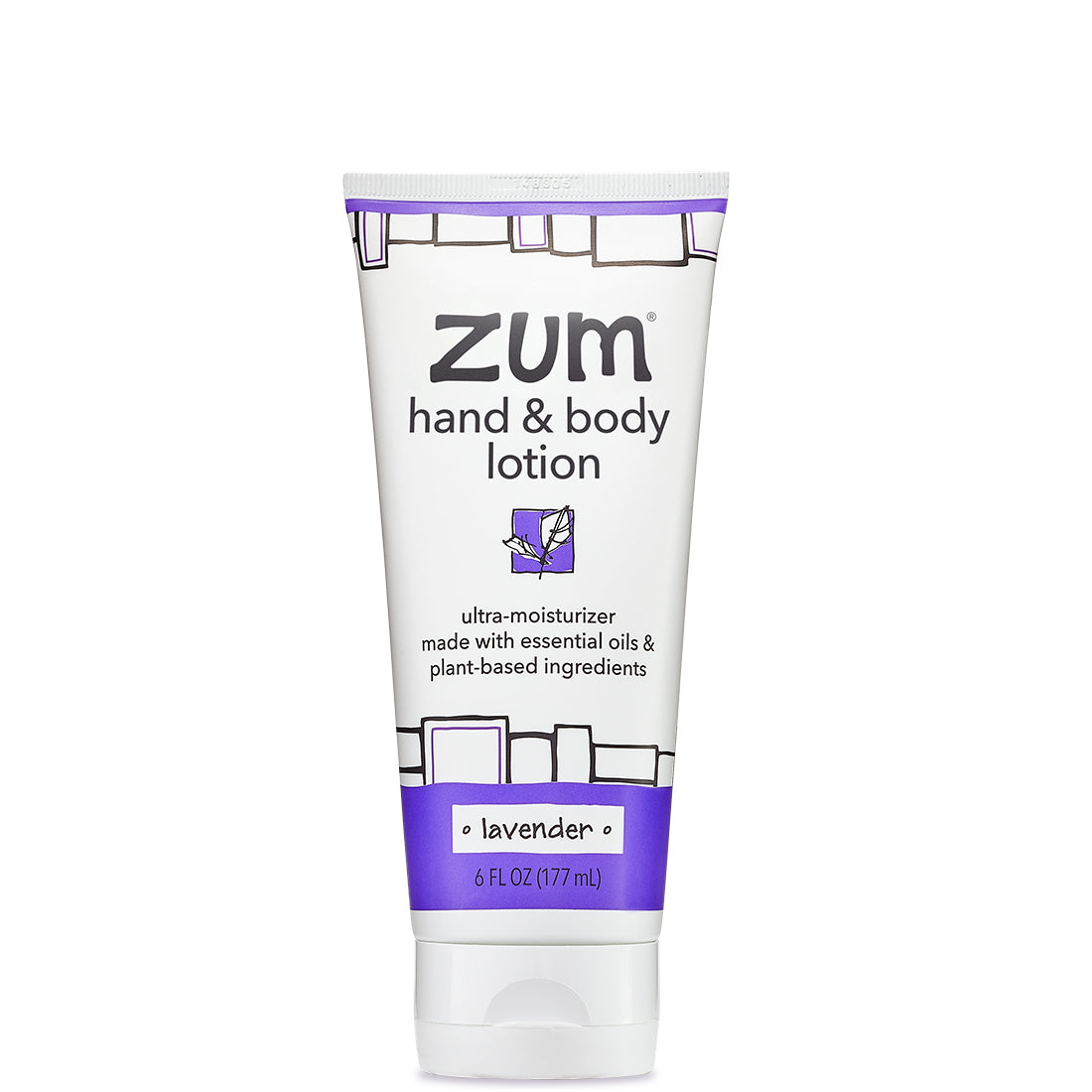
Credit: www.indigowild.com
How To Choose A Moisturizer With Botanical Ingredients
With so many options, picking the right product can be a challenge. Here’s what really matters:
- Look for evidence-backed botanicals: Prioritize ingredients like aloe, green tea, colloidal oatmeal, centella, shea butter, and licorice root.
- Check the ingredient list order: Ingredients are listed by amount. Botanicals high on the list are more likely to be effective.
- Watch for potential allergens: Some plant extracts can cause reactions. Always patch test first.
- Packaging matters: Antioxidants (like green tea and vitamin C) break down with light and air. Choose opaque, airtight containers.
- Avoid unnecessary fragrance: Many botanicals are added for scent, which can irritate sensitive skin.
- Match to your skin type:
- Dry skin: Shea butter, avocado oil, squalane, colloidal oatmeal
- Oily skin: Jojoba oil, grape seed oil, witch hazel
- Sensitive skin: Aloe vera, centella, chamomile, cucumber
Here’s a quick comparison of botanical oils for different skin types:
| Botanical Oil | Comedogenic Rating (0-5) | Ideal Skin Type | Texture |
|---|---|---|---|
| Jojoba Oil | 2 | Oily/Acne-prone | Light, fast-absorbing |
| Shea Butter | 0 | Dry/Sensitive | Rich, heavy |
| Avocado Oil | 3 | Dry/Mature | Medium, nourishing |
| Grape Seed Oil | 1 | Oily/Combination | Very light |
| Coconut Oil | 4 | Very dry | Heavy, can clog pores |
Common Mistakes When Using Botanical Moisturizers
Even the best botanical ingredients can fail if used incorrectly. Here are a few mistakes beginners often make:
- Relying on one ingredient: Skin is complex. The best moisturizers combine several botanicals for balanced benefits.
- Ignoring concentration: A long list of plant extracts is useless if they’re in tiny amounts. Look for actives in the top half of the ingredient list.
- Overusing essential oils: Some essential oils (like citrus or lavender) can irritate skin, especially in high concentrations.
- Believing in “miracle” claims: No single botanical can fix all skin problems. Be realistic.
- Skipping patch tests: Even natural ingredients can cause allergic reactions.
The Role Of Clinical Evidence In Botanical Skincare
It’s important to understand how clinical evidence is gathered for botanical ingredients:
- In vitro studies: Done in a lab, usually with skin cells. Good for understanding mechanisms.
- Animal studies: Sometimes used, but may not always translate to human skin.
- Human trials: The gold standard. Look for double-blind, placebo-controlled studies.
Not every botanical has strong human research. Sometimes, traditional use and lab studies give clues, but clinical trials are best.
One good example: The American Academy of Dermatology recognizes colloidal oatmeal as an effective treatment for eczema, based on many human trials. In contrast, ingredients like moringa oil are still mostly supported by tradition and basic lab data.
If you want to dive deeper into published studies, check resources like the National Institutes of Health’s PubMed Central.
How Botanical Ingredients Compare To Synthetic Ingredients
Plant-based ingredients are trendy, but are they better than synthetic moisturizers? The answer: it depends. Here are some key points:
- Botanicals often offer antioxidants and anti-inflammatory effects, which many synthetics lack.
- Synthetic ingredients like petrolatum and hyaluronic acid are excellent for moisture retention and are less likely to cause allergies.
- Combining both in a formula can give you the best results—hydration, soothing, and protection.
Some skin types may react better to synthetics, especially if you have allergies to plants.
Credit: dermatologyseattle.com
How To Read Moisturizer Labels For Botanical Claims
Reading a skincare label can be confusing, especially with so many botanical names. Here are tips:
- Look for the Latin name: “Centella asiatica” instead of just “cica”.
- Check the source: “Colloidal oatmeal” is more specific than just “oat extract.”
- Watch for “extract” vs. “oil”: These are different and may have unique effects.
- See where it’s listed: Top ingredients are usually present in higher amounts.
If a product claims a botanical benefit but lists it last, it may not be effective.
Future Trends In Botanical Moisturizers
Plant-based skincare is evolving quickly. Some trends to watch:
- Biotechnology: Lab-grown plant extracts are more stable and consistent.
- Sustainable sourcing: Brands are focusing on eco-friendly harvesting.
- Fermented botanicals: Fermentation can make plant compounds more bioavailable.
- Personalized skincare: DNA tests and skin scans may soon suggest specific botanicals for your skin.
But remember, trends don’t always mean better results—always look for evidence.
Frequently Asked Questions
What Are The Best Botanical Ingredients For Sensitive Skin?
The most evidence-backed botanicals for sensitive skin are aloe vera, colloidal oatmeal, chamomile, and centella asiatica. These reduce redness, soothe irritation, and are less likely to cause reactions.
Can Botanical Moisturizers Replace Medical Treatments For Skin Problems?
No. While some botanicals can help mild issues like dryness or redness, severe skin conditions (like eczema or psoriasis) may require prescription treatments. Always talk to a dermatologist before replacing any medication.
Are Botanical Ingredients Always Safer Than Synthetic Ones?
Not always. Some plant extracts can cause allergies or irritation, especially essential oils or poorly refined oils. Synthetic ingredients like petrolatum or glycerin are very safe for most people.
How Can I Tell If A Botanical Moisturizer Is Actually Effective?
Look for products with evidence-backed ingredients high on the ingredient list. Check for clinical studies or recommendations from trusted organizations. Patch test before using new products, and monitor how your skin responds.
What Should I Avoid When Choosing A Botanical Moisturizer?
Avoid products with a long list of fragrance ingredients, high levels of essential oils, or botanicals you are allergic to. Be cautious with products that make “miracle” claims without sharing evidence or research.
—
Choosing the right moisturizer with botanical ingredients doesn’t have to be confusing. Focus on ingredients with proven benefits, be aware of possible irritants, and match the product to your skin’s needs. With the right knowledge, you can enjoy the soothing and hydrating power of nature—without falling for empty promises.