

Japanese Hair Care Secrets: What The West Can Learn
For centuries, Japanese women have been admired for their shiny, healthy hair. Even in old paintings and photographs, their hair stands out—long, smooth, and full of life. Many people in the West wonder how Japanese people keep their hair looking so perfect, even as pollution and stress rise everywhere. The truth is, Japan’s hair care rituals are not just about products. They are about traditions, healthy habits, and a deep respect for nature. Today, Western countries are starting to notice these differences. They want to know: what are the real secrets behind Japanese hair? What can we learn and use in our daily routine?
This article will take you deep into Japanese hair care culture. You’ll discover unique ingredients, gentle routines, and the mindset behind them. We’ll also see how these methods compare with Western habits, and why some Japanese practices work so well. If you’ve struggled with dry, dull, or damaged hair, you may find answers here that you haven’t heard before. Let’s explore the wisdom behind Japan’s beautiful hair, and see what lessons can help anyone—no matter where you live.
The Philosophy Behind Japanese Hair Care
Japanese hair care starts with a simple idea: hair is a sign of health. In Japan, people believe that how you treat your hair reflects how you care for yourself. This is why many Japanese hair routines focus on health from the inside out.
Unlike in the West, where styling and quick fixes are popular, Japanese people look for long-term solutions. They pay attention to diet, sleep, and stress because they know these things affect hair. It’s not just about looking good for one day; it’s about keeping your hair healthy for years.
Another part of Japanese philosophy is respect for nature. Many Japanese hair products use natural ingredients like camellia oil, rice water, or seaweed. People avoid harsh chemicals and instead choose gentle options. This natural approach has helped Japanese hair care become famous around the world.
Unique Ingredients In Japanese Hair Care
Japanese hair care uses some ingredients that are less common in the West. These natural options often have deep roots in Japanese culture.
1. Camellia Oil
This oil, also called tsubaki oil, comes from the seeds of the camellia flower. It’s rich in oleic acid, a type of healthy fat. Camellia oil keeps hair soft and strong. Japanese women have used it for centuries to make hair shiny and easy to comb.
2. Rice Water
After washing rice, the leftover water is full of vitamins and minerals. Japanese women, especially in the past, used rice water to rinse their hair. It helps hair grow faster and makes it smooth. Rice water also contains inositol, which repairs damaged hair.
3. Seaweed Extracts
Seaweed is common in Japanese food, but it’s also used in hair care. Seaweed is rich in minerals like iodine and calcium. These help keep the scalp healthy and prevent hair thinning.
4. Persimmon Tannin
Persimmon, a sweet fruit, contains tannins that fight odor and keep the scalp clean. Some Japanese shampoos use persimmon extract to help with scalp health.
5. Green Tea
Green tea is not just for drinking. It’s packed with antioxidants that protect hair from damage. Green tea extracts are used in some shampoos and treatments to keep hair young and strong.
6. Silk Proteins
Silk has a special place in Japanese culture. Silk proteins can bond with hair, making it smoother and less frizzy. Some Japanese conditioners include silk to make hair shiny and soft.
7. Sake (rice Wine)
Sake contains amino acids that help repair hair. Some salons in Japan offer sake-based treatments for dry or damaged hair.
Ingredient Comparison Table
Below is a comparison between common Japanese and Western hair care ingredients.
| Japanese Ingredient | Benefit | Common Western Alternative | Main Difference |
|---|---|---|---|
| Camellia Oil | Softens, strengthens | Argan Oil | Camellia is lighter, less greasy |
| Rice Water | Speeds growth, smoothness | Coconut Water | Rice water has inositol for repair |
| Seaweed Extracts | Scalp health, thickening | Biotin supplements | Seaweed is a direct mineral source |
| Green Tea | Antioxidant, anti-aging | Rosemary Extract | Green tea is gentler, less irritating |
Many of these ingredients are now popular outside Japan, but the way they are used in Japan is often unique—focusing on gentleness and balance.
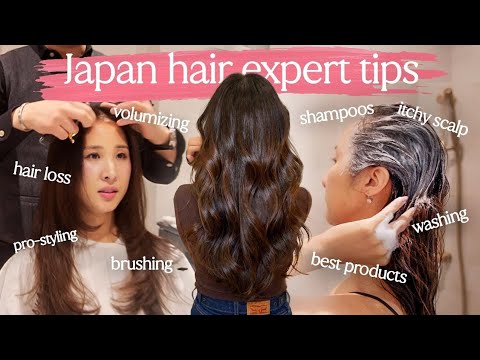
Credit: www.youtube.com
The Japanese Hair Care Routine
The Japanese approach to hair care is about consistency and care. Here’s how a typical routine looks:
1. Daily Brushing
Japanese people often use a wooden or boar bristle brush. This helps spread natural oils from the scalp down the hair. It also improves blood flow to the scalp, which can boost hair growth. Brushing is done gently to avoid breakage.
2. Double Cleansing
Just like skincare, Japanese hair care often uses a two-step wash. First, rinse with warm water or a mild shampoo to remove dirt. Then, use a richer shampoo or treatment to deeply clean the scalp. This prevents buildup without drying out hair.
3. Scalp Massage
During washing, many Japanese people massage their scalp for a few minutes. This boosts circulation and helps relax the body. A healthy scalp means healthy hair.
4. Rinsing With Lukewarm Or Cool Water
Hot water can dry out hair. In Japan, rinsing with cool water is common. It closes the hair cuticle and adds shine.
5. Conditioning And Treatments
Conditioner is applied mostly on the ends, not the roots. Weekly treatments, like hair masks or oil packs, are also common. These deep treatments use natural oils or proteins to repair and strengthen hair.
6. Minimal Heat Styling
Japanese people often avoid blow dryers and curling irons. If they must use them, they choose the lowest heat setting and always use a heat protectant.
7. Air Drying
Letting hair dry naturally is seen as the healthiest option. If time is short, a gentle towel pat and a cool setting on the dryer is used.
8. Protection From Sun And Pollution
Hats, scarves, or special sprays are used to protect hair from UV rays and city pollution.
9. Regular Trims
Even if growing hair long, Japanese women get regular trims to avoid split ends.
Example: A Typical Japanese Hair Care Day
- Morning: Light brushing, protective styling (like a low bun or braid)
- Evening: Scalp massage, double shampoo, conditioning, cool rinse, gentle towel dry
- Once a week: Deep mask or camellia oil treatment
A key insight is that Japanese routines are not rushed. Time is set aside for gentle care, which pays off over the years.
Diet And Hair Health In Japan
What you eat shows in your hair. Japanese diets are rich in fish, seaweed, rice, vegetables, and green tea. These foods provide key nutrients:
- Omega-3 fatty acids (from fish): Keeps scalp hydrated
- Zinc and iron (from seaweed and fish): Prevents hair loss
- Vitamins A, C, E (from vegetables): Helps hair grow strong
- Antioxidants (from green tea): Protects hair from damage
A study by the Ministry of Health, Labour and Welfare in Japan found that people who eat a traditional Japanese diet have lower rates of hair loss than those with a Western diet. This is because the Japanese diet avoids high sugar and processed foods, which can harm hair.
Japanese Vs. Western Diet: Nutrients For Hair
Here’s a comparison between common Japanese and Western foods for hair health:
| Japanese Food | Key Nutrient | Western Alternative | Effect on Hair |
|---|---|---|---|
| Fish (Salmon, Mackerel) | Omega-3 | Red Meat | Fish is anti-inflammatory, red meat can cause scalp issues |
| Seaweed | Iodine, Zinc | Spinach | Seaweed has more minerals for scalp health |
| Green Tea | Antioxidants | Coffee | Green tea is less dehydrating |
| Rice | Complex Carbs | White Bread | Rice gives steady energy, bread can spike sugar |
One insight beginners often miss is that a healthy scalp depends more on diet than expensive products. Even the best shampoo cannot fix the damage from poor nutrition.
Japanese Hair Tools And Accessories
The right tools are important in Japan’s hair care. These are some favorites:
1. Wooden Combs And Brushes
Unlike plastic, wooden combs reduce static and are gentle on hair. They distribute oils evenly, keeping hair soft.
2. Boar Bristle Brushes
These brushes are famous for smoothing the hair cuticle. They also help with detangling and add shine.
3. Silk Pillowcases
Sleeping on silk prevents hair from breaking and reduces frizz. Many Japanese people use silk or satin pillowcases for this reason.
4. Kanzashi Hairpins
Kanzashi are traditional hairpins. They are not just for decoration—they also help hold hair in place without causing breakage.
5. Turbie Towels
Light, absorbent towels are used to dry hair gently. Rough towel drying can cause split ends, so Japanese people pat hair dry instead.
6. Scalp Massagers
Small handheld tools are used to massage the scalp. These improve blood flow and help remove buildup.
Choosing the right tools may seem like a small thing, but it can prevent damage over time.
How Japanese Hair Salons Differ
Japanese hair salons are known for their attention to detail. A visit is often a relaxing experience, not just a quick haircut.
- Consultation: Stylists spend time understanding your hair type, lifestyle, and what you want. They give honest advice, even if it means a simpler style.
- Scalp Care: Many salons offer scalp massages, steam treatments, and special shampoos for the scalp. This focus on scalp health is less common in the West.
- Precision Cutting: Japanese stylists use special scissors and techniques for clean, even cuts. This helps hair grow out better and look healthier.
- Education: Customers are taught how to care for their hair at home. This includes product recommendations and simple styling tips.
- Cleanliness: Hygiene is a top priority. Tools are sanitized between clients, and towels are always fresh.
Some salons even use carbonated water rinses to remove buildup and add shine. This attention to detail is part of the reason Japanese hair care is so effective.
Salon Service Comparison Table
| Service | Japanese Salons | Western Salons | Impact on Hair Health |
|---|---|---|---|
| Scalp Massage | Standard | Rare | Boosts blood flow, reduces stress |
| Product Use | Natural, gentle | Often chemical-heavy | Less damage, more shine |
| Cutting Technique | Precision-based | Speed-based | Healthier hair growth |
| Education | Personalized | Generic advice | Better home care |
A visit to a Japanese salon often feels like a wellness treatment, not just a haircut.
Common Mistakes In Western Hair Care
If you’re used to Western hair care, you might be making mistakes that Japanese people avoid. Here are some common issues:
1. Overwashing
Washing hair every day with strong shampoos strips away natural oils. In Japan, people often wash every other day, or use very mild shampoos.
2. Harsh Chemicals
Many Western shampoos use sulfates and silicones. These can make hair feel smooth but may cause long-term damage. Japanese products use milder cleansers and fewer artificial ingredients.
3. Too Much Heat Styling
Daily blow drying, straightening, or curling can damage hair. Japanese people avoid these tools or use them on low settings.
4. Ignoring The Scalp
Many Western routines focus only on hair, not the scalp. In Japan, scalp health is the first priority.
5. Rough Towel Drying
Vigorously rubbing wet hair with a towel causes breakage. Japanese people gently pat their hair dry.
6. Skipping Sun Protection
Few in the West use sun hats or UV sprays for hair. In Japan, these are common, especially in summer.
7. Poor Diet Choices
Western diets often include too much sugar and fat, which can harm hair. The Japanese diet is lighter and more balanced.
8. Neglecting Regular Trims
Trying to grow long hair by skipping trims leads to split ends. Japanese women trim regularly to keep ends healthy.
These mistakes can undo the benefits of even the best products.
What The West Can Learn And Apply
Japanese hair care is not about buying expensive products. It’s about changing your approach. Here are the biggest lessons:
1. Focus On Scalp Health
Healthy hair starts with a clean, balanced scalp. Try scalp massages, gentle cleansing, and regular exfoliation.
2. Use Natural, Gentle Ingredients
Switch to shampoos and conditioners with plant-based oils, proteins, and extracts. Avoid sulfates and heavy silicones.
3. Practice Consistency
Set a simple routine and stick to it. Regular gentle care is better than occasional harsh treatments.
4. Protect Hair From The Environment
Use hats, scarves, or UV sprays to shield hair from sun and pollution. This is especially important if you live in a city.
5. Eat For Hair Health
Add more fish, seaweed, green tea, and vegetables to your diet. Drink plenty of water and cut back on sugar.
6. Be Gentle
Treat hair like a delicate fabric. Avoid rough brushing, towel drying, and tight hairstyles.
7. Prioritize Regular Trims
Schedule trims every 2-3 months, even if you want to grow your hair long. This keeps ends healthy and prevents breakage.
8. Invest In Good Tools
Choose wooden combs, boar bristle brushes, and silk pillowcases. These small changes make a big difference over time.
9. Educate Yourself
Learn about your hair type and what it needs. Don’t just follow trends—find what works for you.
10. Take Your Time
Set aside a few minutes each day for gentle hair care. This habit is key to long-term health and beauty.
.jpg)
Credit: www.vogue.com
Non-obvious Insights For Beginners
Many people focus only on products, but two often-missed truths are:
- The scalp ages faster than hair. If you ignore scalp health, hair will thin and weaken, no matter how many treatments you use.
- Water quality matters. Hard water with lots of minerals can make hair dull. Many Japanese people use filtered water or final rinses with bottled water for extra shine.
Another insight: Japanese people view hair care as a form of self-respect. This mindset makes it easier to stick with good habits.
Adapting Japanese Secrets For Different Hair Types
Some people worry that Japanese routines only work for straight, Asian hair. In reality, the principles apply to all hair types. Here’s how you can adapt them:
- Curly Hair: Use camellia oil as a leave-in treatment for softness. Focus on scalp massages to reduce dryness.
- Fine Hair: Avoid heavy oils; use light rice water rinses instead.
- Thick or Coarse Hair: Deep condition weekly with silk protein masks.
- Color-Treated Hair: Japanese products are often gentle and safe for colored hair. Choose sulfate-free options.
The main idea is to be gentle, protect your scalp, and feed your hair from within.

Credit: www.realestate-tokyo.com
The Science Behind Japanese Hair Care
Scientific research supports many Japanese hair care practices. For example, studies show:
- Camellia oil can reduce protein loss from hair, making it stronger.
- Rice water contains inositol, which repairs damaged hair and stays inside the hair even after rinsing.
- Scalp massage increases blood flow, which helps deliver nutrients to the hair root.
A 2016 study published in the Journal of Cosmetic Science found that gentle cleansing and minimal heat styling reduce hair breakage by up to 50% over one year. These results match what Japanese women have practiced for generations.
If you want more details, the National Institutes of Health has research on the benefits of natural oils and scalp massage for hair health.
Japanese Hair Myths And Facts
Some myths about Japanese hair care have spread online. Let’s clear up a few:
- Myth: You need to use only Japanese products.
Fact: The methods matter more than the brand. You can use local, gentle, natural products and still see results.
- Myth: Japanese routines are only for women.
Fact: Men in Japan also practice scalp care, gentle washing, and diet habits for healthy hair.
- Myth: Japanese hair is naturally perfect.
Fact: Genetics play a role, but daily care and a healthy lifestyle are just as important.
Remember, it’s the approach and attitude that make the biggest difference.
Frequently Asked Questions
What Is The Most Important Japanese Hair Care Secret?
The most important secret is gentle, consistent care. Japanese routines focus on scalp health, natural ingredients, and regular habits. This long-term approach keeps hair strong and shiny.
Can I Use Japanese Hair Care Methods On Curly Or Textured Hair?
Yes, you can adapt the core principles—like scalp massage, gentle washing, and natural oils—to any hair type. You may need to choose products that fit your hair’s needs, but the routine works for everyone.
How Often Should I Wash My Hair, Japanese-style?
Most Japanese people wash their hair every other day or two to three times a week, using a mild shampoo. If your hair or scalp is oily, you can wash more often, but always use gentle products.
Are Japanese Hair Products Better Than Western Ones?
Not always. The real difference is in the ingredients and methods. Japanese products often use gentle, natural ingredients. You can find or make similar products in the West—focus on quality, not just the brand.
What Foods Should I Eat For Healthier Hair, Like In Japan?
Eat more fish, seaweed, green tea, and vegetables. These foods give your body the nutrients hair needs to grow strong. Avoid too much sugar and processed food.
Japanese hair care is about more than just looking good. It’s a reflection of self-care, respect for tradition, and a love of nature. If you bring even a few of these secrets into your life, your hair—and your sense of well-being—may surprise you.