

Azelaic Acid And Barrier Health: Gentle Active For Sensitive Skin
Sensitive skin often feels like a puzzle. One day, your face is calm and soft. The next, it’s red, bumpy, or tingling for no clear reason. If you have ever struggled with this, you know that finding the right skincare can be a challenge. Many popular actives—like retinol or strong acids—are simply too harsh. But there is one ingredient that stands out for its unique ability to help sensitive skin without causing more problems: azelaic acid.
Azelaic acid is not new, but it’s gaining attention for good reason. It’s a gentle, multi-tasking ingredient that soothes, brightens, and clears the skin, all while respecting your skin’s natural barrier. For people with sensitive or reactive skin, this is a game changer.
But how does azelaic acid actually work? Why is it so safe for the skin barrier? And what makes it different from other actives?
This article explores everything you need to know about azelaic acid and barrier health—from how it works, to how to use it, to expert tips for sensitive skin. If you want clear, glowing, and strong skin without irritation, keep reading.
What Is Azelaic Acid?
Azelaic acid is a naturally occurring dicarboxylic acid. It is found in grains like wheat, rye, and barley, but for skincare, it’s usually made in a lab to ensure safety and purity. Azelaic acid has been used in dermatology for over 30 years, especially for treating conditions like rosacea and acne. It is available in over-the-counter products (usually 10%) and prescription creams (up to 20%).
Unlike some strong acids, azelaic acid is not an alpha hydroxy acid (AHA) or beta hydroxy acid (BHA). It’s a unique active that works in several ways, making it suitable for a wide range of skin concerns.
How Azelaic Acid Works
Azelaic acid is a multifunctional ingredient. Here’s what it does:
- Antibacterial: It kills acne-causing bacteria (Propionibacterium acnes) on the skin.
- Anti-inflammatory: It reduces redness and swelling, making it perfect for sensitive skin.
- Keratolytic: It helps to unclog pores by removing dead skin cells, but in a gentler way than traditional exfoliants.
- Tyrosinase Inhibitor: It fades dark spots and evens skin tone by blocking the enzyme that causes excess pigmentation.
Why It’s Gentle
Azelaic acid works at a neutral pH (around 4.5–5.5), which is close to the skin’s natural pH. This means it does not disrupt the skin barrier the way some low-pH acids can. Its molecules are also larger, so it penetrates the skin slowly—further reducing the risk of irritation.
Understanding The Skin Barrier
The skin barrier is your body’s first line of defense. It’s a thin, protective layer on the surface of your skin, made up of lipids (fats), proteins, and dead skin cells. This barrier keeps moisture in and harmful things (like bacteria or pollution) out.
When the barrier is healthy, your skin feels soft, smooth, and calm. But when it’s damaged, problems like redness, dryness, and sensitivity can appear.
Signs Of A Damaged Barrier
- Redness or inflammation
- Tightness or stinging
- Increased sensitivity
- Dry, flaky patches
- Breakouts or rough texture
Sensitive skin often has a weaker barrier, so protecting it is even more important.
How Azelaic Acid Supports Barrier Health
Unlike many actives that strip or weaken the skin, azelaic acid helps maintain and even improve the skin barrier. Here’s how:
1. Mild Exfoliation
Azelaic acid gently removes dead cells from the surface, helping other barrier-supporting ingredients absorb better. Unlike strong exfoliants, it does not thin the outer layer or disrupt the skin’s lipids.
2. Reducing Inflammation
Inflammation is a big reason why barriers break down. Azelaic acid calms redness and irritation, especially in conditions like rosacea and perioral dermatitis, helping the barrier recover.
3. Controlling Microbes
It stops the growth of harmful bacteria without hurting the good bacteria that live on your skin. This keeps the skin’s micro-ecosystem balanced, which is essential for a healthy barrier.
4. Fading Pigmentation Safely
Many brightening agents can be harsh, but azelaic acid blocks pigment production without causing peeling or burning. This makes it safer for sensitive or compromised skin.
5. Compatible With Barrier-repair Ingredients
Azelaic acid works well with ceramides, fatty acids, cholesterol, and other soothing agents. When used together, they strengthen and restore the barrier more effectively.
Scientific Data
Studies show that azelaic acid not only treats acne and rosacea but also improves hydration and reduces transepidermal water loss (TEWL)—a marker of barrier strength. In clinical trials, people using azelaic acid reported less irritation and better skin comfort compared to other actives.
Why Sensitive Skin Needs Gentle Actives
Sensitive skin is easily irritated by strong ingredients, even those meant to help. But skipping actives completely can mean missing out on important benefits, like clearer pores or brighter skin tone.
The key is finding actives that do not disrupt the barrier. Azelaic acid stands out because:
- It works at a barrier-friendly pH.
- It targets many concerns with one ingredient.
- It is less likely to cause burning, peeling, or long-term damage.
Most dermatologists recommend starting with gentle actives like azelaic acid before trying stronger options.
Azelaic Acid Vs. Other Popular Actives
To see how azelaic acid compares, let’s look at a few common skincare ingredients for sensitive skin:
| Active Ingredient | Benefits | Barrier Safety | Common Side Effects |
|---|---|---|---|
| Azelaic Acid | Brightening, anti-acne, anti-redness | Excellent | Mild tingling (rare) |
| Niacinamide | Barrier repair, anti-inflammatory | Excellent | Flushing (rare) |
| Retinoids | Anti-aging, acne, smoothing | Can weaken | Dryness, irritation |
| AHAs/BHAs | Exfoliation, brightening | Can weaken | Stinging, peeling |
| Vitamin C | Brightening, antioxidant | Neutral to low | Stinging, redness |
As you can see, azelaic acid and niacinamide are the most barrier-friendly. Retinoids and acids often cause more problems for sensitive skin.
Non-obvious Insight: Layering Caution
Beginners often think that using several actives together will boost results. But for sensitive skin, mixing azelaic acid with other strong actives (like vitamin C or retinol) can backfire. It’s better to use only one active at a time, or alternate them on different days.
Who Should Use Azelaic Acid?
Azelaic acid is suitable for many people, but it shines for:
- Sensitive skin: Redness, burning, or easily irritated.
- Rosacea-prone skin: Chronic flushing, bumps, or visible blood vessels.
- Acne-prone skin: Mild to moderate pimples, clogged pores.
- Pigmentation issues: Dark spots, melasma, post-acne marks.
- Barrier repair routines: People recovering from over-exfoliation or other damage.
People with very dry or eczema-prone skin can also benefit, but should use a rich moisturizer with it.
How To Use Azelaic Acid For Sensitive Skin
Getting the best from azelaic acid means using it correctly. Here’s a step-by-step guide:
1. Choose The Right Strength
- 10% (over-the-counter): Good for most people starting out. Gentle enough for daily use.
- 15–20% (prescription): Used for stubborn acne or rosacea. Start with a lower frequency.
2. Patch Test First
Always test a small amount on your jaw or neck before using on your whole face. Wait 24 hours to check for reactions.
3. Apply On Clean, Dry Skin
Cleanse with a mild, non-foaming cleanser. Pat dry and wait 5–10 minutes—this reduces the chance of stinging.
4. Use A Pea-sized Amount
Apply a thin layer to the whole face, or just to problem areas. Using more doesn’t speed up results, but can increase irritation.
5. Moisturize Well
Follow with a gentle, fragrance-free moisturizer. This seals in hydration and supports the barrier.
6. Use Sunscreen In The Morning
Azelaic acid does not make skin very sun-sensitive, but protecting your barrier with broad-spectrum SPF is still essential.
7. Start Slow
Use 2–3 times a week at first. If your skin tolerates it, increase to daily use.
8. Avoid Irritating Products
Skip scrubs, strong acids, or harsh treatments while your skin adjusts.
9. Watch For Results
Improvement is often seen in 4–8 weeks. For pigmentation, it may take longer.
Real-life Example
Maria, 28, struggled with sensitive, acne-prone skin. She tried retinoids and acids, but always ended up red and sore. After switching to a 10% azelaic acid cream and a plain moisturizer, her redness faded and breakouts became less frequent within 6 weeks.
She now uses it every night without irritation.
Combining Azelaic Acid With Other Ingredients
Azelaic acid works well with barrier-supporting ingredients. Here are some good combinations:
- Niacinamide: Both calm redness and strengthen the barrier.
- Ceramides: Help repair and protect.
- Centella asiatica (cica): Extra soothing for inflamed skin.
- Hyaluronic acid: Boosts hydration.
Ingredients To Avoid Mixing
- Strong acids (AHAs, BHAs)
- High-strength retinoids
- Benzoyl peroxide (unless directed by a doctor)
If you want to use these, alternate days or routines.
Non-obvious Insight: Wait Time Matters
Many people apply all their products quickly. With azelaic acid, waiting a few minutes after cleansing and before moisturizing can reduce stinging and increase comfort.
Common Side Effects And How To Manage Them
Azelaic acid is well-tolerated, but mild side effects can happen, especially at first. These include:
- Tingling or mild stinging
- Slight dryness
- Temporary redness
These usually fade after a few days or weeks. To manage:
- Use less product and apply less often.
- Always moisturize after.
- Avoid hot water and harsh cleansers.
If burning or peeling continues, stop use and consult a dermatologist.
Azelaic Acid For Rosacea: Special Considerations
Rosacea is a skin condition with redness, bumps, and visible blood vessels, often triggered by heat, stress, or spicy food. Many treatments are too harsh, but azelaic acid is a first-line therapy.
Why Azelaic Acid Works For Rosacea
- Reduces inflammation: Calms the immune response that causes redness.
- Clears bumps: Helps unclog pores without peeling.
- Safe for long-term use: Unlikely to thin or weaken the skin.
Practical Tips
- Start with a lower strength (10%).
- Use a simple, non-irritating routine (cleanser, azelaic acid, moisturizer).
- Avoid hot water, scrubbing, and alcohol-based products.
Credit: www.amazon.com
Azelaic Acid And Pigmentation: A Barrier-safe Solution
Pigmentation problems like melasma or post-acne marks can be hard to treat in sensitive skin. Many brightening agents, like hydroquinone or strong acids, are too irritating. Azelaic acid is different:
- Blocks melanin production gently.
- Can be used long-term with less risk of rebound pigmentation.
- Works well with niacinamide for extra brightening.
How Long Does It Take?
Pigmentation fades slowly. Expect to see changes after 8–12 weeks. Consistency is key.
Myths And Mistakes About Azelaic Acid
1. “it’s Not As Effective As Other Actives”
Some believe azelaic acid is too mild. In reality, studies show it works as well as benzoyl peroxide for acne and is comparable to hydroquinone for pigmentation—without the harshness.
2. “you Can’t Use It Every Day”
Most people can use azelaic acid daily once their skin adjusts. Just start slow and listen to your skin.
3. “only For Acne”
Azelaic acid helps with acne, but also redness, pigmentation, and barrier repair. It’s much more than an anti-acne treatment.
4. “you Can Mix It With Anything”
Beginners often combine azelaic acid with all their other actives, leading to irritation. It’s best used with simple, soothing products.
5. “results Are Immediate”
Like all gentle actives, azelaic acid takes time. Quick changes often mean damage, not true improvement.
Credit: benaturalsskincare.com
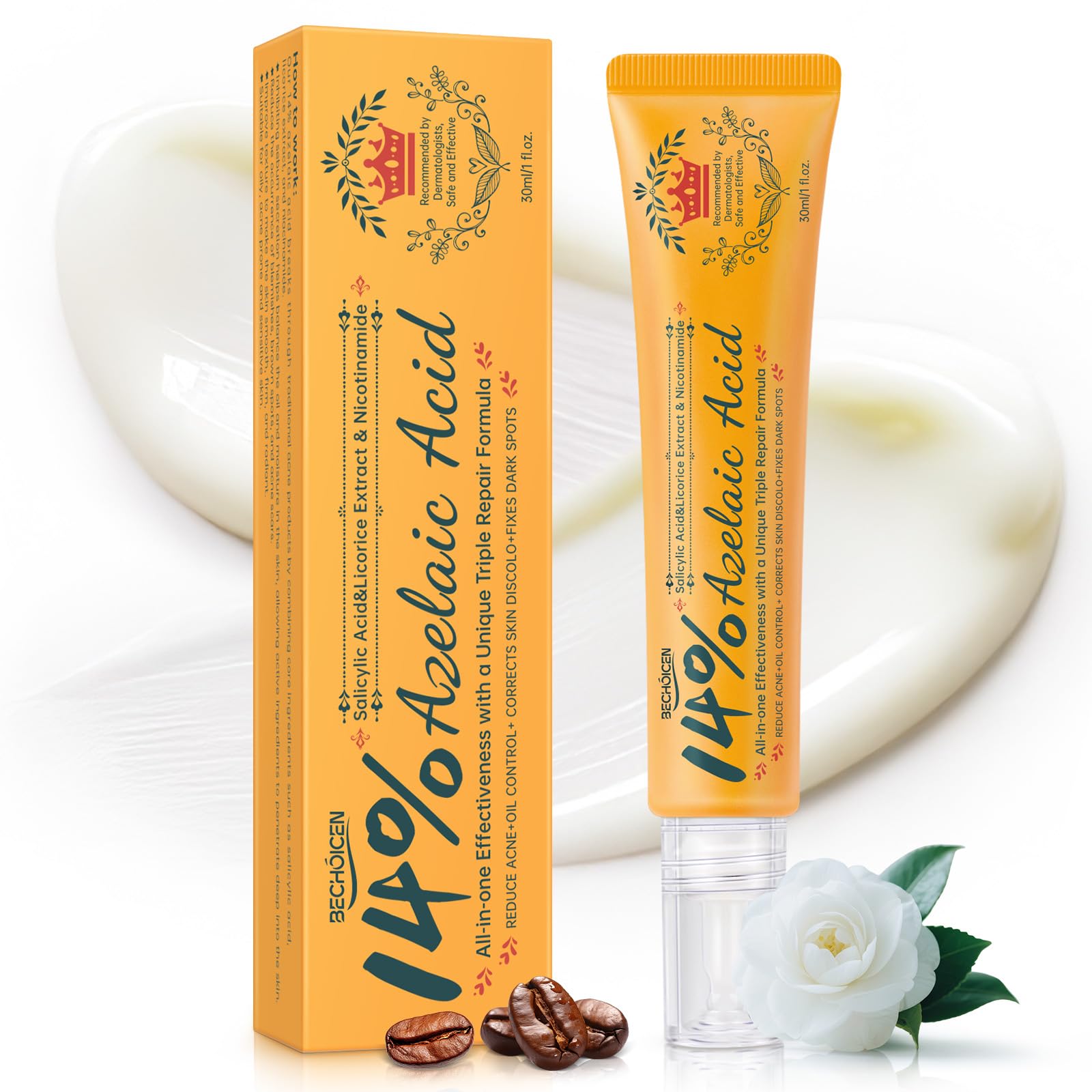
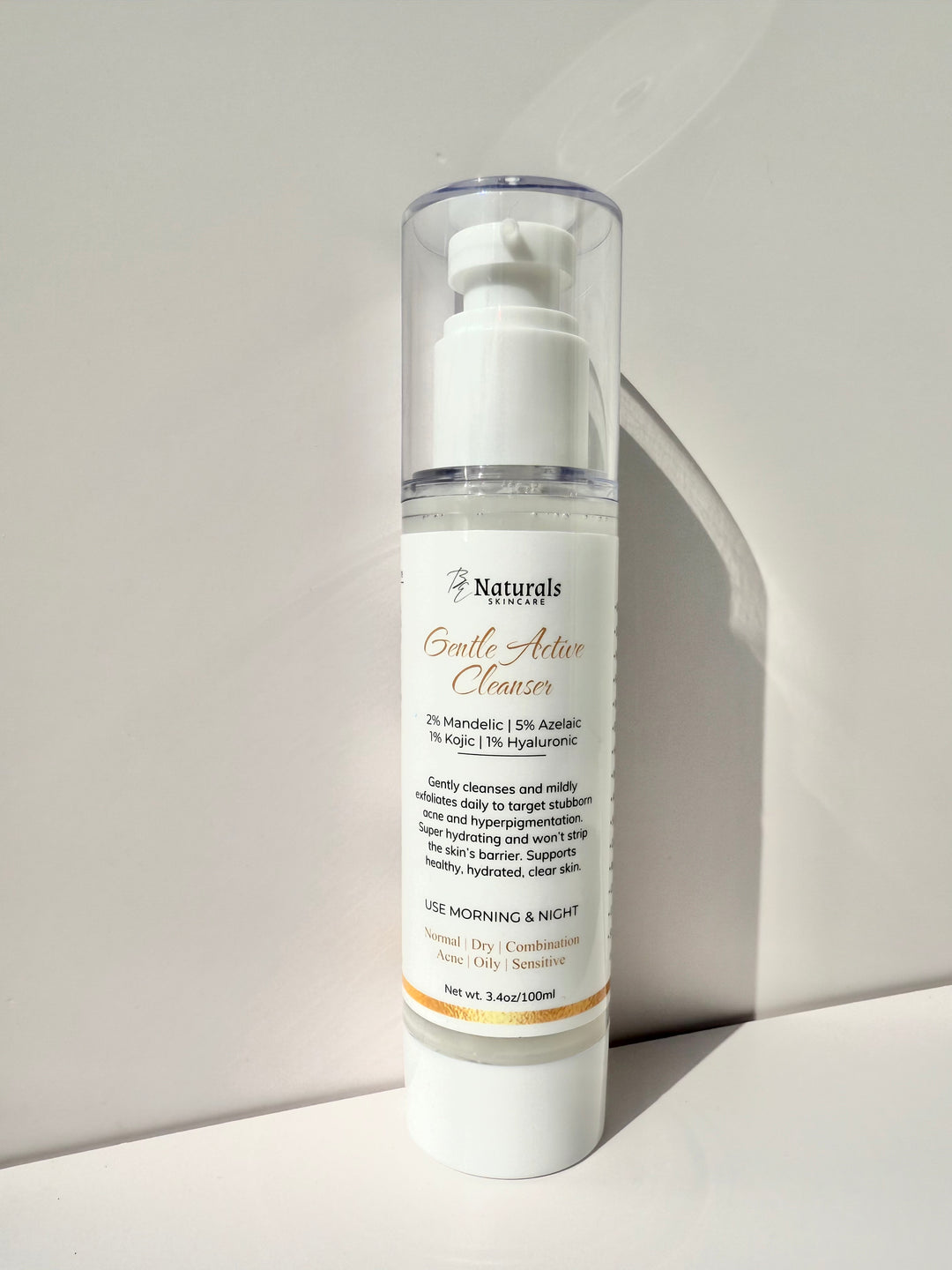
Choosing The Right Azelaic Acid Product
There are many options on the market, but not all are equal. Here’s what to look for:
1. Concentration
- 10% is best for sensitive skin.
- Higher strengths (15–20%) are for stubborn cases or under doctor care.
2. Formula Type
- Creams: More moisturizing, better for dry or sensitive skin.
- Gels: Lighter, better for oily or combination skin.
3. Extra Ingredients
Look for supporting ingredients like ceramides, niacinamide, or panthenol. Avoid added fragrance, alcohol, or essential oils.
4. Packaging
Choose tubes or pumps to keep the product stable and hygienic.
5. Brand Reputation
Stick to well-known, reputable brands. Prescription options may be needed for severe cases.
Product Comparison
Here’s a quick look at how different types of azelaic acid products stack up:
| Product Type | Texture | Best For | Common Additives |
|---|---|---|---|
| Cream | Thick, moisturizing | Dry, sensitive skin | Ceramides, squalane |
| Gel | Light, non-greasy | Oily, acne-prone skin | Niacinamide, zinc |
| Lotion | Medium, easy to layer | Normal, combination skin | Panthenol, bisabolol |
Real-world Results And Research
Clinical studies support azelaic acid’s safety and effectiveness. For example:
- A 12-week study found that azelaic acid 15% gel reduced rosacea redness by 54%, with most participants reporting little or no irritation.
- In people with mild to moderate acne, azelaic acid 20% cream decreased pimples by 70% after 16 weeks, with better skin comfort than benzoyl peroxide.
- Studies on pigmentation show that azelaic acid can lighten melasma and dark spots in as little as 8–12 weeks, especially when combined with sunscreen.
Azelaic acid is also pregnancy-safe, unlike retinoids or hydroquinone. Dermatologists often recommend it for pregnant or breastfeeding patients with sensitive skin.
Building A Routine With Azelaic Acid
A simple, effective routine for sensitive skin might look like this:
Morning:
- Gentle, hydrating cleanser
- Azelaic acid (wait 10 minutes)
- Soothing moisturizer
- Broad-spectrum sunscreen
Night:
- Cleanser
- Azelaic acid (if tolerated daily)
- Moisturizer with ceramides/panthenol
Customizing Your Routine
If your skin is very sensitive, use azelaic acid every other night at first. You can also layer a thin moisturizer underneath to buffer it if you’re worried about stinging.
Remember: less is more. Avoid scrubs, harsh toners, or too many actives.
Tips For Success With Azelaic Acid
- Be patient: Results are gradual but real.
- Use gentle cleansers: Avoid soaps or foaming washes.
- Hydrate, hydrate, hydrate: Moisturize well.
- Protect from the sun: Barrier health depends on SPF.
- Listen to your skin: If irritation happens, reduce frequency.
Dealing With Setbacks
If your skin flares up, take a break from all actives and focus on repair: gentle cleanser, rich moisturizer, and SPF. Once calm, restart azelaic acid slowly.
What Dermatologists Say
Dermatologists love azelaic acid for its unique blend of safety and effectiveness. It is often the first choice for sensitive or rosacea-prone patients who cannot tolerate stronger treatments. Many experts now recommend it as a “starter active” for anyone new to skincare.
Dr. Whitney Bowe, a board-certified dermatologist, notes: “Azelaic acid is one of the most versatile and gentle actives we have. It’s safe for sensitive skin, pregnancy, and long-term use. It checks a lot of boxes that other ingredients don’t.”
For more clinical details, you can check out this review on azelaic acid and skin health.
When To See A Dermatologist
Most mild to moderate cases can be managed at home. However, you should see a doctor if:
- Your skin becomes very red, swollen, or painful.
- Azelaic acid does not help after 2–3 months.
- You have severe rosacea, acne, or pigmentation.
- You want to use prescription-strength products.
Dermatologists can offer stronger formulas or combine treatments for better results.
Credit: benaturalsskincare.com
Frequently Asked Questions
What Is The Best Way To Start Using Azelaic Acid If I Have Very Sensitive Skin?
Begin with a low concentration (10%) and use it every other night. Always patch test first. Apply a thin layer after cleansing, then follow with a barrier-supporting moisturizer. If you feel tingling or dryness, use it less often until your skin adjusts.
Can I Use Azelaic Acid With Other Actives Like Vitamin C Or Retinol?
It’s best to avoid using strong actives together if your skin is sensitive. Alternate nights or use vitamin C in the morning and azelaic acid at night. Always listen to your skin and keep your routine simple.
How Long Does It Take To See Results With Azelaic Acid?
Most people see improvement in redness and breakouts in 4–8 weeks. Pigmentation and dark spots may take 8–12 weeks or longer. Consistency is key—don’t stop too soon.
Is Azelaic Acid Safe For Pregnant Or Breastfeeding Women?
Yes, azelaic acid is considered safe during pregnancy and breastfeeding, unlike many other actives. Always check with your healthcare provider before starting a new skincare product.
What Should I Do If I Experience Irritation Or A Reaction?
Stop using azelaic acid and switch to a gentle routine with a fragrance-free moisturizer and sunscreen. If irritation continues or worsens, see a dermatologist for advice.
Azelaic acid is truly a star for sensitive skin. It offers real results—clearer, calmer, brighter skin—without risking your barrier. With patience and the right routine, you can enjoy all the benefits of this gentle active and finally feel confident in your skin.