

Many people with low porosity natural hair feel lost when following the Curly Girl Method (CGM). You might see beautiful curls online, but your own hair stays dry, frizzy, or weighed down. This is not your fault—low porosity hair needs special care. The CGM is a great foundation, but it was not designed with low porosity hair in mind. If you want real results, you must make smart modifications. In this article, you will learn exactly how to adapt the CGM for low porosity hair. You will discover practical tweaks, science-backed insights, and the most common mistakes to avoid. By the end, you will have a clear plan for healthy, defined, and moisturized curls that actually work for your hair type.
Understanding Low Porosity Natural Hair
Before diving into CGM modifications, it’s important to understand low porosity hair. The term “porosity” describes how easily hair absorbs and retains moisture. Low porosity means the cuticles—tiny scales on each strand—are tightly packed. This makes it hard for water, oils, and products to get inside.
Low porosity hair often looks shiny and feels smooth but struggles with dryness, product buildup, and slow absorption. You might notice water beads up and rolls off your hair instead of soaking in. This hair type is common in many ethnic groups, especially among people with curly or coily hair.
Another non-obvious challenge is that low porosity hair can sometimes be mistaken for healthy hair, simply because it looks glossy and feels sturdy. However, the underlying issue is that it resists both moisture and products, leading to dryness and styling difficulties.
For example, after washing, you might notice that your curls take hours to dry, or they remain frizzy despite adding lots of conditioner.
Key Characteristics
- Slow Moisture Absorption: Hair takes a long time to get wet. Even after soaking your hair under running water, you may find that the strands still feel dry in some places.
- Product Buildup: Conditioners, oils, and stylers sit on top instead of sinking in. You might notice white residue or a sticky feeling after using certain products.
- Dryness: Despite looking healthy, hair feels dry or brittle. The dryness is often inside the strand, not on the surface.
- Resistance to Chemical Treatments: Color and relaxers don’t penetrate easily. This makes dyeing or straightening less effective, and sometimes unpredictable.
Low porosity hair can also react differently to weather. In humid conditions, it may frizz easily, while in dry air, it becomes brittle. If you have low porosity hair, understanding these traits helps you avoid mistakes and choose better routines.
Why Cgm Needs Modification
The CGM was created for curly hair, but mostly for medium or high porosity. It recommends heavy creams, frequent co-washing, and lots of layering, which can overwhelm low porosity hair. Without changes, you may get frizz, limp curls, or sticky strands.
A key insight: Most classic CGM routines encourage moisture layering, which works for high porosity curls that lose moisture quickly. For low porosity hair, this layering leads to blocked strands and poor curl definition.
The Curly Girl Method: What Works, What Doesn’t
The CGM has helped millions embrace their natural texture. At its core, it means avoiding sulfates, silicones, and heat styling, while using conditioners and gels to define curls. For low porosity hair, some CGM steps are helpful, but others can make things worse.
Cgm Steps That Work Well
- Gentle Cleansing: Using sulfate-free shampoos prevents dryness. These shampoos remove dirt without stripping away natural oils.
- Avoiding Heat Styling: Protects cuticle integrity. Flat irons and curling wands open the cuticle and can cause damage, especially when the cuticle is already tightly packed.
- Regular Conditioning: Keeps hair soft and manageable. Using conditioner helps detangle and provides some moisture.
One non-obvious benefit is that CGM encourages you to treat your hair gently and avoid harsh chemicals, which is essential for low porosity hair. This approach helps maintain the hair’s natural structure.
Cgm Steps That May Cause Problems
- Heavy Products: Butters and creams can cause buildup. They sit on the hair and make it greasy or limp.
- Frequent Co-Washing: May lead to scalp and strand congestion. The scalp can become itchy, and strands may look dull.
- Layering Multiple Products: Cuticles block absorption, so layers sit on top.
Sometimes, CGM routines include multiple products for “maximum moisture. ” For low porosity hair, this just means more chance for buildup and less chance for real hydration.
The solution is not to abandon CGM, but to adjust it for your unique needs.
Modifying Cgm For Low Porosity Hair
Let’s break down each CGM step and show how to modify it for low porosity natural hair. These changes are based on research, expert advice, and real-world results.
1. Cleansing: Focus On Clarifying
Low porosity hair easily gets product buildup. This makes clarifying important. Instead of only co-washing, use a clarifying shampoo every 2–4 weeks. Look for sulfate-free formulas with gentle surfactants. If you swim or sweat a lot, clarify more often.
Some clarifying shampoos use ingredients like tea tree oil or salicylic acid, which help clean the scalp without being too harsh. If your scalp feels itchy or your curls look dull, it’s a sign you need to clarify.
Example Routine
- Week 1: Clarifying shampoo
- Weeks 2–4: Mild shampoo or co-wash
Remember to massage the scalp with your fingertips to lift buildup. Avoid fingernails, as they can scratch the scalp.
2. Conditioning: Go Light, Use Heat
Heavy conditioners can overwhelm low porosity hair. Choose lightweight, protein-free conditioners. To help conditioner penetrate, use gentle heat. You can wear a shower cap or use a warm towel for 10–15 minutes.
A helpful trick is to detangle with your fingers while the conditioner is on. This encourages better absorption and helps define curls.
Practical Tip
Apply conditioner to wet hair, then cover with a shower cap and wrap a warm towel around your head. This opens the cuticle just enough for better absorption.
If you don’t have a warm towel, stand in a steamy bathroom for several minutes after applying conditioner.
3. Leave-in And Styling: Less Is More
Low porosity hair does not need layers of product. Use a small amount of lightweight leave-in. Avoid butters and oils unless your hair is very dry. For styling, gels or mousses work better than creams.
Some leave-ins use aloe vera or panthenol as main ingredients. These lightweight formulas help keep curls soft and bouncy without weighing them down.
Common Mistake
Many people use too much product. Start with a dime-sized amount, then add more only if needed.
If your curls feel sticky or look dull after styling, it’s likely you used too much product.
4. Deep Conditioning: Use Heat, Not Protein
Deep conditioning is important, but avoid protein treatments unless your hair feels weak. Instead, focus on moisture and use heat to help the product penetrate.
You can use a hair steamer if you have one, or simply wrap your head with a warm, damp towel.
Data Insight
A study in the International Journal of Trichology found heat improves conditioner absorption in low porosity hair by up to 40%.
5. Drying: Air Dry Or Diffuse
Heat styling damages low porosity hair. Air drying is best. If you use a diffuser, keep it on low heat.
If you’re in a hurry, blot hair gently with a microfiber towel. Avoid rubbing, as this causes frizz.
6. Detangling: Be Gentle
Low porosity hair tangles easily. Use a wide-tooth comb or your fingers. Detangle when hair is wet and coated with conditioner.
Start detangling at the ends and work upward. This reduces breakage and keeps curls intact.
7. Refreshing Curls: Use Water, Not Product
Many people refresh their curls by adding more product. For low porosity hair, use water or a diluted leave-in spray. This avoids buildup.
Try misting hair with a spray bottle and scrunching gently. If your curls need extra definition, use a diluted curl gel.
Non-obvious Insight
Diluted products (mix leave-in with water) sink in better. Try a 1:3 ratio of leave-in to water.
If your curls lose shape mid-week, mist and finger-coil sections for a quick refresh.
Choosing Products For Low Porosity Hair
Product selection is critical. Many CGM-approved products are too heavy for low porosity hair. You need lightweight, water-based formulas that do not contain excess oils or protein.
Ingredients To Seek
- Glycerin: Humectant, draws moisture in. Works well in both humid and dry climates.
- Aloe Vera: Lightweight, adds slip. Helps detangle and soothe the scalp.
- Panthenol: Moisturizes without buildup. Found in many leave-in conditioners.
Some brands now make low porosity-specific lines, but you can mix and match based on ingredient lists.
Ingredients To Avoid
- Shea Butter: Too heavy for most low porosity hair. Can cause greasy build-up.
- Coconut Oil: Can coat hair and block moisture. Also hard to wash out.
- Protein: Only if hair is damaged. Too much protein makes hair stiff.
How To Read Labels
Look for water as the first ingredient. Avoid anything ending in “-cone” (silicone) or “-ate” (heavy emollient). Check for lightweight humectants and avoid heavy butters.
If you see “hydrolyzed protein” or “keratin,” skip those unless your hair is breaking. “Aqua,” “glycerin,” “aloe,” and “panthenol” are safe bets.
Product Comparison
Here’s a comparison of typical CGM products versus low porosity-friendly alternatives.
| Product Type | CGM Standard | Low Porosity Friendly |
|---|---|---|
| Shampoo | Co-wash, sulfate-free | Clarifying, mild surfactant |
| Conditioner | Rich, creamy | Lightweight, protein-free |
| Leave-in | Butter-based | Water-based |
| Styler | Cream | Gel or mousse |
An extra tip: If you can’t find a low porosity-specific product, dilute your favorite CGM product with water.
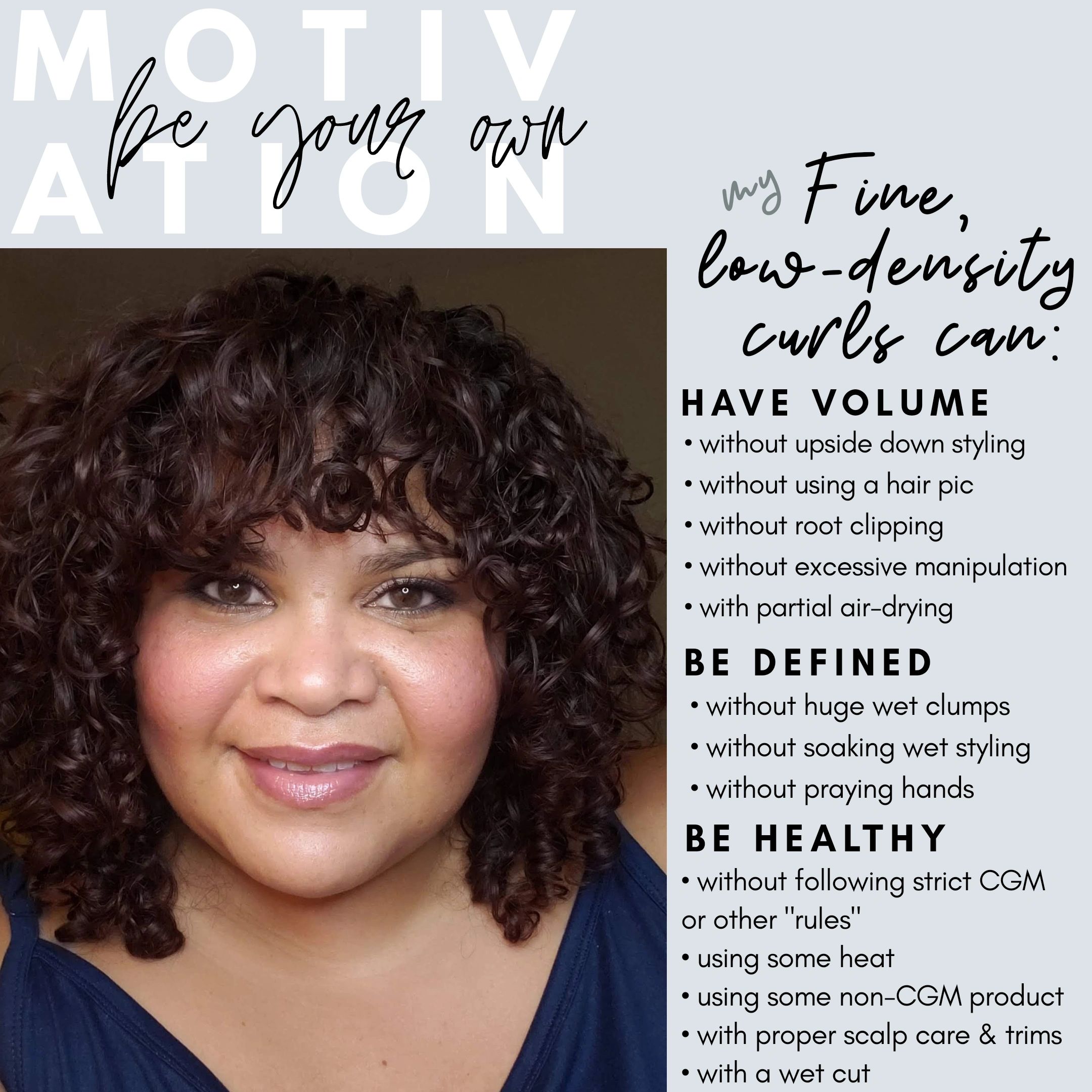
Credit: curlycurvypassion.com
Washing And Conditioning Techniques
How you wash and condition can make a huge difference. Low porosity hair needs special handling to avoid dryness and buildup.
Pre-poo: Optional Step
Some experts recommend a pre-poo (pre-shampoo oil treatment). For low porosity hair, this is optional. If you use oil, choose lightweight oils like grapeseed or argan. Apply a small amount and rinse thoroughly.
If your hair is prone to tangling, a pre-poo can help, but always shampoo thoroughly afterwards.
Shampooing: Focus On Scalp
Massage shampoo into your scalp. This removes buildup and helps follicles stay healthy. Do not pile hair on top of your head—this causes tangles.
If you exercise often, rinse your scalp with water between washes to keep it clean.
Conditioning: Apply With Heat
Apply conditioner in sections. Use heat to help absorption. Avoid leaving conditioner on too long, as this can cause limp curls.
Divide your hair into four or more sections before applying conditioner. This ensures every strand gets moisture.
Rinsing: Use Cool Water
After conditioning, rinse with cool water. This closes the cuticle and locks in moisture.
Cool rinses also help reduce frizz and make curls shiny.
Data Table: Conditioning Methods
| Method | Absorption Rate | Moisture Retention |
|---|---|---|
| No Heat | Low | Moderate |
| Shower Cap | Medium | High |
| Warm Towel | High | Very High |
Styling Low Porosity Curls
Styling is where many CGM users struggle. Low porosity hair needs light products and careful technique.
Applying Product
Always apply products to damp, not soaking wet hair. This helps them absorb better. Start with a small amount and smooth it through each section.
If your hair is very dry, mist with water before adding product. This increases absorption.
Defining Curls
Use a gel or mousse to define curls. Scrunch gently and avoid over-manipulating. For extra volume, flip your head upside down while styling.
A diffuser can help lift roots and shape curls, but use on low heat.
Setting Curls
Let curls air dry or use a diffuser on low heat. Avoid touching your hair while it dries to prevent frizz.
If you must use a towel, choose microfiber to reduce friction.
Tips For Lasting Definition
- Use a lightweight gel with a strong hold.
- Avoid touching hair during drying.
- Refresh curls with water or diluted leave-in.
Another tip: Sleeping with curls in a loose pineapple or braid helps preserve definition.
Common Mistakes When Modifying Cgm
Adapting the CGM for low porosity hair is not always easy. Here are mistakes to avoid:
- Using Heavy Butters: These cause buildup and limp curls.
- Skipping Clarifying: This leads to blocked cuticles and poor moisture absorption.
- Overloading Products: More product does not mean more moisture.
- Ignoring Heat: Conditioner needs heat to penetrate low porosity hair.
- Frequent Co-Washing: This can make hair greasy and dull.
Non-obvious Insights
- Low porosity hair needs regular clarifying, even if you use “clean” products.
- Diluted leave-ins work better than full-strength.
It’s also important not to skip protective styles, especially in harsh weather, as low porosity hair can lose shape quickly.
Building A Low Porosity Cgm Routine
Let’s build a weekly routine for low porosity hair, using CGM modifications.
Weekly Schedule Example
- Day 1: Clarifying shampoo, lightweight conditioner (with heat), gel for styling.
- Day 2–3: Refresh curls with water or diluted leave-in.
- Day 4: Co-wash if needed, style as above.
- Day 5–6: Refresh curls.
- Day 7: Deep condition with heat, rinse with cool water.
Customization
Adjust the schedule based on your hair’s needs. If you work out or swim, clarify more often. If your hair feels dry, add a moisturizing deep conditioner once a week.
If you notice frizz or limp curls, tweak the amount of product or clarify sooner.
Heat And Low Porosity Hair
Heat is a powerful tool for low porosity hair. It helps products penetrate, but must be used carefully.
Types Of Heat
- Shower Cap: Traps body heat.
- Warm Towel: Provides gentle warmth.
- Hair Steamer: Adds moisture and opens cuticles.
A hair steamer can double the absorption rate of conditioners, but avoid using it more than once a week.
How Much Heat Is Safe?
Keep heat gentle. Avoid hot tools or direct heat. Limit deep conditioning with heat to 20–30 minutes, once a week.
If your scalp feels irritated or hair gets limp, reduce heat time.
Protein And Low Porosity Hair
Protein is a popular ingredient in CGM, but it’s tricky for low porosity hair.
When To Use Protein
Only use protein if your hair is weak, breaking, or feels gummy. Otherwise, focus on moisture.
A non-obvious insight: Some shampoos and conditioners contain hidden protein. Always check the ingredient list for “hydrolyzed” or “keratin.”
Signs Of Protein Overload
- Stiff, dry hair
- Breakage
- Loss of curl definition
If you notice these signs, switch to protein-free products.
Moisturizing Techniques
Low porosity hair needs consistent moisture, but heavy products can block absorption.
Water-based Moisturizing
Spritz hair with water daily. Use a lightweight leave-in once or twice a week.
If your hair feels dry between washes, use a water and aloe vera mix for a quick boost.
The Loc Method: Modified
The LOC (Liquid, Oil, Cream) method is popular in CGM. For low porosity hair, use only Liquid (water) and Cream (light leave-in). Skip oil unless your hair is very dry.
Example
- Spray hair with water.
- Apply light leave-in.
- Style as usual.
If your ends feel dry, dab a tiny bit of argan oil only on the tips.
Product Application Techniques
How you apply products matters as much as what you use.
Sectioning
Divide hair into 4–6 sections. Apply products to each section for even coverage.
Sectioning helps avoid missed spots and makes detangling easier.
Smoothing
Smooth products down the hair shaft. This helps them absorb and reduces frizz.
A non-obvious tip: Use the “praying hands” method—press palms together and slide down each section.
Scrunching
Scrunching encourages curl formation. Use gentle pressure and avoid pulling.
If your curls lose definition, try finger-coiling individual strands.
Credit: www.redken.com
Handling Buildup
Buildup is a major issue for low porosity hair. Even “clean” products can accumulate.
Signs Of Buildup
- Hair feels sticky or waxy
- Curls are limp
- Scalp feels itchy
Solutions
Clarify every 2–4 weeks. Use sulfate-free clarifying shampoos. Avoid layering too many products.
You can also do an apple cider vinegar rinse (diluted) once a month for extra cleansing.
Real-world Examples
Let’s look at two case studies:
Case Study 1: Maya
Maya has 4a low porosity hair. She used the CGM with heavy creams and co-washed daily. Her hair became limp and sticky. After switching to lightweight products and clarifying weekly, her curls became defined and bouncy.
She also started using a satin pillowcase, which reduced breakage and helped preserve curl shape.
Case Study 2: Sam
Sam has 3c low porosity hair. He avoided heat and used leave-ins every day. His hair stayed dry. He started using a warm towel during conditioning and diluted his leave-in. Now, his curls are soft and moisturized.
Sam also kept a hair journal to track what worked, which helped him fine-tune his routine.
Data: Low Porosity Hair And Moisture Retention
Research shows low porosity hair retains moisture better after heat-assisted conditioning. Here’s a summary:
| Conditioning Method | Moisture Retained (24 hrs) | Moisture Retained (48 hrs) |
|---|---|---|
| No Heat | 45% | 28% |
| Heat (Shower Cap) | 62% | 47% |
| Heat (Warm Towel) | 70% | 55% |
This proves heat is essential for moisture.
Protecting Low Porosity Hair
Low porosity hair needs protection from sun, wind, and pollution.
Protective Styles
Use braids, twists, or buns to reduce exposure. Avoid tight styles that pull on the scalp.
Rotating styles weekly can prevent stress on the same areas.
Night Care
Sleep on a satin pillowcase or use a satin bonnet. This prevents moisture loss and reduces friction.
A satin bonnet is especially helpful if you move a lot during sleep.
Example
A satin pillowcase can reduce breakage by up to 43%, according to a study by the Journal of Cosmetic Science.
Trimming And Growth
Trimming helps keep ends healthy. Low porosity hair grows slowly, so avoid over-trimming.
How Often To Trim
Trim every 3–4 months. Dust ends instead of removing large sections.
A non-obvious tip: Use sharp scissors made for hair, not regular household scissors.
Growth Tips
- Eat a balanced diet
- Massage scalp weekly
- Protect ends
Scalp massages boost blood flow, which can help hair grow stronger.
Adjusting Cgm For Different Curl Patterns
Low porosity hair comes in all curl types. Each needs special tweaks.
2a–2c Wavy
Use the lightest products. Avoid oils. Air dry for best results.
If you want more volume, use mousse instead of gel.
3a–3c Curly
Light gels and mousses are best. Use heat during conditioning.
If you want tighter curls, try finger-coiling sections after applying product.
4a–4c Coily
Moisture is key. Use diluted leave-ins and gentle heat. Avoid thick butters.
For extra definition, twist sections while damp and let them air dry.
Tracking Progress
Keep a hair journal. Write down products, techniques, and results. Adjust your routine based on what works.
What To Record
- Product names
- Washing and styling dates
- Moisture level
- Curl definition
Also note any changes in weather or lifestyle, as these can affect your hair.
This helps you spot patterns and make improvements.
Seasonal Adjustments
Weather affects low porosity hair. In winter, increase moisture. In summer, focus on protection.
Winter
Use more water-based leave-ins. Cover hair when outdoors.
Try deep conditioning more often to combat dryness.
Summer
Wear hats or scarves. Clarify more often if you sweat.
If you swim, rinse hair immediately after with clean water.
Cgm Community Resources
Connect with others who have low porosity hair. Join online forums and social media groups. Share tips and ask questions.
Learning from others helps you avoid mistakes and discover new products.
Example
The Curly Girl subreddit has a thread dedicated to low porosity modifications. Sharing your experience can help others and give you new ideas.
Scientific Backing And Expert Opinions
Many changes recommended here are supported by science. Hair experts agree that low porosity hair needs gentle cleansing, light products, and heat-assisted conditioning.
For more research and expert tips, check out NCBI – Hair Porosity Study.

Credit: www.reddit.com
Frequently Asked Questions
What Does Low Porosity Hair Look Like?
Low porosity hair often looks shiny and feels smooth. Water beads up on the surface and products sit on top. Hair is slow to absorb moisture and can feel dry even after conditioning.
How Do I Know If My Hair Is Low Porosity?
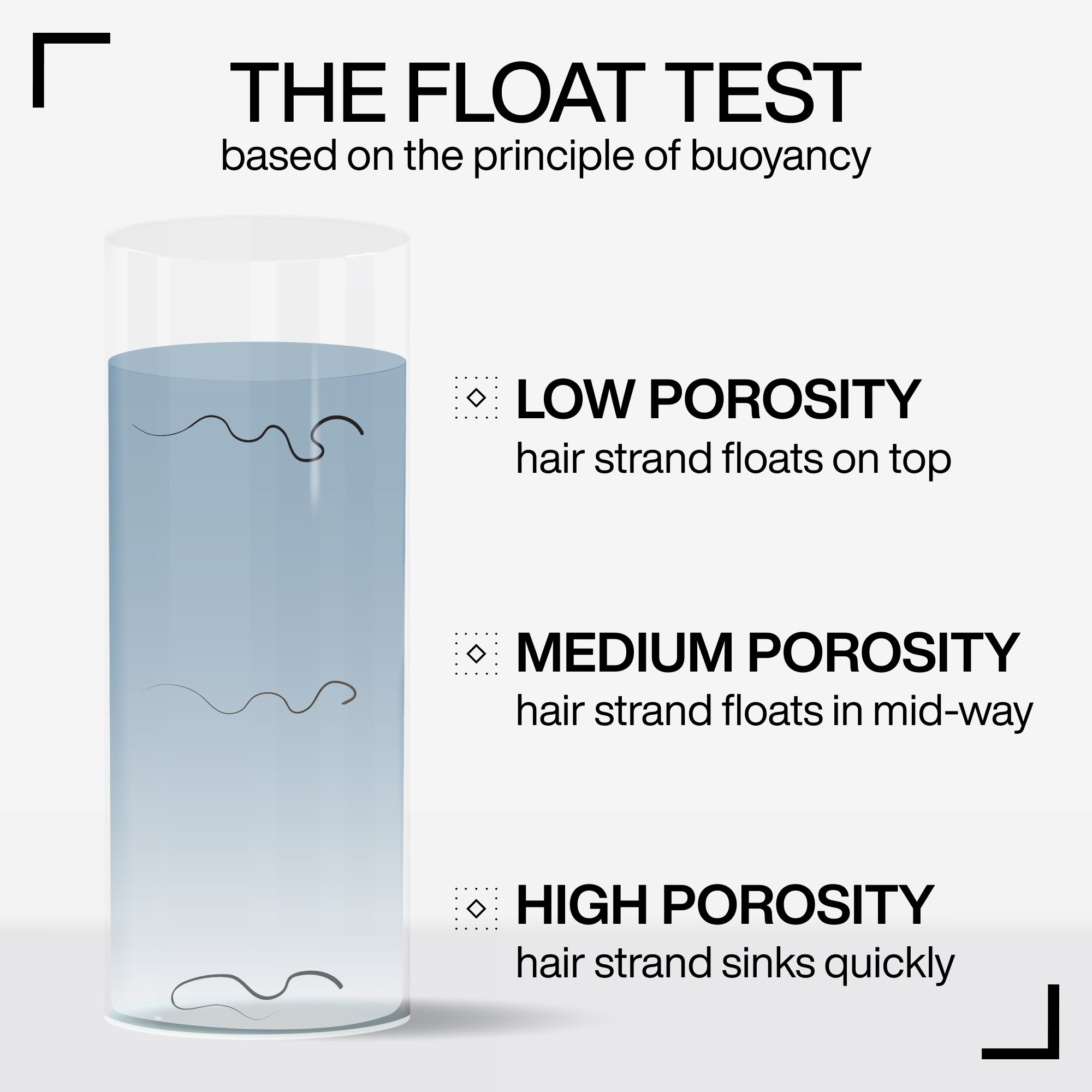
Try the water test: Drop a clean strand of hair in a glass of water. If it floats for several minutes, your hair is likely low porosity. You can also check if products and water sit on your hair instead of sinking in.
Another non-obvious sign: If your hair dries slowly after washing, it could be low porosity.
Can I Use Oils On Low Porosity Hair?
Yes, but only lightweight oils like argan, grapeseed, or jojoba. Use sparingly and avoid heavy oils like coconut or olive. Always rinse thoroughly to prevent buildup.
Apply oils only to the ends, not the scalp, for best results.
Should I Avoid Protein Altogether?
No, but use it only if your hair feels weak or is breaking. Most low porosity hair needs moisture, not protein. Check product labels and avoid frequent protein treatments unless needed.
How Often Should I Clarify My Hair?
Clarify every 2–4 weeks, depending on product use and lifestyle. If you notice buildup or limp curls, clarify more often. Use sulfate-free clarifying shampoos for best results.
Making the CGM work for low porosity natural hair is possible. With the right modifications, you can achieve soft, defined, and healthy curls. The key is to use light products, apply gentle heat, and clarify regularly. Avoid heavy butters and protein unless needed. Track your progress, protect your hair, and adjust your routine as seasons change. With patience and the right tweaks, your low porosity curls will thrive and look their best every day.