

Finding the best moisturizer with SPF for oily, acne-prone skin can feel impossible. Many products promise to hydrate without causing breakouts, but few actually deliver. If your skin gets shiny by noon and new pimples pop up every week, you know the struggle.
Add sun protection to the mix, and things get even harder. The wrong formula can leave your face greasy, clog pores, or make acne worse. The right one, however, can keep skin balanced, protected, and comfortable all day.
This guide will help you understand what to look for in a moisturizer with SPF if you have oily, acne-prone skin. We’ll explore why this skin type is tricky, what ingredients matter, and review some of the top products that dermatologists and real users recommend.
You’ll also find expert tips, practical advice, and some science-backed facts that most beginners miss. By the end, you’ll feel ready to pick a moisturizer with SPF that truly works for you.
Why Moisturizer With Spf Matters For Oily, Acne-prone Skin
Oily, acne-prone skin is sensitive in its own way. Many people believe they don’t need a moisturizer because their skin already produces too much oil. This is a myth. When you skip moisturizer, your skin can become dehydrated, causing it to produce even more oil to compensate.
This leads to a vicious cycle of shine and breakouts.
Adding SPF is just as important. Sun exposure triggers inflammation, which can make acne worse and darken acne scars. UV rays also age the skin faster, leading to wrinkles, uneven tone, and long-term damage. Using a moisturizer with SPF gives you two benefits at once: hydration and protection.
But not every product is suitable. Many sunscreens are too heavy, greasy, or pore-clogging for oily skin. Some moisturizers with SPF contain fragrances or oils that trigger breakouts. That’s why it’s essential to pick the right formula made for your skin’s needs.
What To Look For In A Moisturizer With Spf For Oily, Acne-prone Skin
Choosing the right product is more than just grabbing the first bottle labeled “oil-free.” Here’s what really matters:
1. Non-comedogenic Formulas
This means the product is made to avoid clogging pores. Non-comedogenic is a must for oily, acne-prone skin, but not all products labeled this way are truly safe. Look for products tested by dermatologists or with proven track records.
2. Lightweight Texture
Gel-based or water-based moisturizers work best. They absorb quickly and do not leave a greasy film. Creams can be too heavy unless specifically designed for oily skin.
3. Broad-spectrum Spf 30 Or Higher
SPF 30 protects against about 97% of UVB rays. “Broad-spectrum” means it protects from both UVA (aging) and UVB (burning) rays. Anything less than SPF 30 may not give enough protection, especially if you’re outdoors often.
4. Oil-free And Fragrance-free
Oil-free products do not add extra shine or clog pores. Fragrance-free formulas reduce the risk of irritation and allergic reactions, which can make acne worse.
5. Mattifying Ingredients
Look for ingredients like niacinamide, silica, or dimethicone. These help absorb excess oil and keep skin matte for longer.
6. Added Skin Benefits
Some moisturizers with SPF also include ingredients like salicylic acid (to help clear pores), niacinamide (to calm redness), or antioxidants (to repair skin). These can give your skin extra help against acne and sun damage.
7. No Alcohol Or Harsh Chemicals
Alcohol can dry out the skin, causing more oil production and irritation. Avoid products with high alcohol content or harsh preservatives.
Two Non-obvious Insights
- Mineral vs. Chemical Sunscreens: Mineral sunscreens (using zinc oxide or titanium dioxide) sit on top of the skin and are often less irritating. They’re better for very sensitive, acne-prone skin. Chemical sunscreens absorb UV rays and can sometimes trigger breakouts, especially if the formula is heavy.
- Reapplication Is Key: Even the best moisturizer with SPF will not protect you all day. SPF wears off after a few hours, especially if you sweat or touch your face. Carry a powder sunscreen or oil-free spray for easy reapplication.
Best Ingredients For Oily, Acne-prone Skin In Spf Moisturizers
Understanding ingredient labels will help you pick the best product. Here are some to look for, and a few to avoid:
Good Ingredients
- Niacinamide: Calms redness, controls oil, and strengthens skin barrier.
- Salicylic Acid: Gently exfoliates, keeps pores clear.
- Zinc Oxide/Titanium Dioxide: Physical sunscreens, gentle and non-irritating.
- Hyaluronic Acid: Hydrates skin without adding oil.
- Dimethicone: Smooths skin, controls shine.
- Green Tea Extract: Soothes and fights inflammation.
Ingredients To Avoid
- Coconut Oil, Cocoa Butter: Highly comedogenic, likely to clog pores.
- Fragrance/Parfum: Can cause irritation and breakouts.
- Alcohol (denatured, SD alcohol): Dries out skin, triggers oil rebound.
Top 12 Moisturizers With Spf For Oily, Acne-prone Skin
Below is a detailed review of the top products that fit the needs of oily, acne-prone skin. Each product is chosen based on dermatologist recommendations, real user reviews, and ingredient quality.
1. La Roche-posay Anthelios Clear Skin Dry Touch Sunscreen Spf 60
This French brand is trusted by dermatologists worldwide. The Anthelios Clear Skin formula is oil-free, non-comedogenic, and has a unique dry-touch finish. It uses both chemical and mineral filters to give strong broad-spectrum protection.
- Texture: Lightweight, dries matte
- Key Ingredients: Silica (oil-absorbing), perlite, antioxidants
- Why It’s Great: Stays shine-free for hours, doesn’t clog pores
- Downside: Can leave a slight white cast on deeper skin tones
2. Neutrogena Hydro Boost Water Gel Lotion Spf 30/50
Neutrogena’s Hydro Boost range is famous for its water-based hydration. The SPF version delivers the same lightweight moisture but adds sun protection.
- Texture: Gel, quickly absorbed
- Key Ingredients: Hyaluronic acid, glycerin
- Why It’s Great: Feels refreshing, not sticky
- Downside: Some people notice a bit of shine after a few hours
3. Eltamd Uv Clear Broad-spectrum Spf 46
A favorite among dermatologists treating acne-prone patients. This formula uses both zinc oxide and niacinamide, making it calming and protective.
- Texture: Lightweight lotion, invisible finish
- Key Ingredients: Zinc oxide, niacinamide, hyaluronic acid
- Why It’s Great: Helps with redness and breakouts, safe for sensitive skin
- Downside: Higher price point
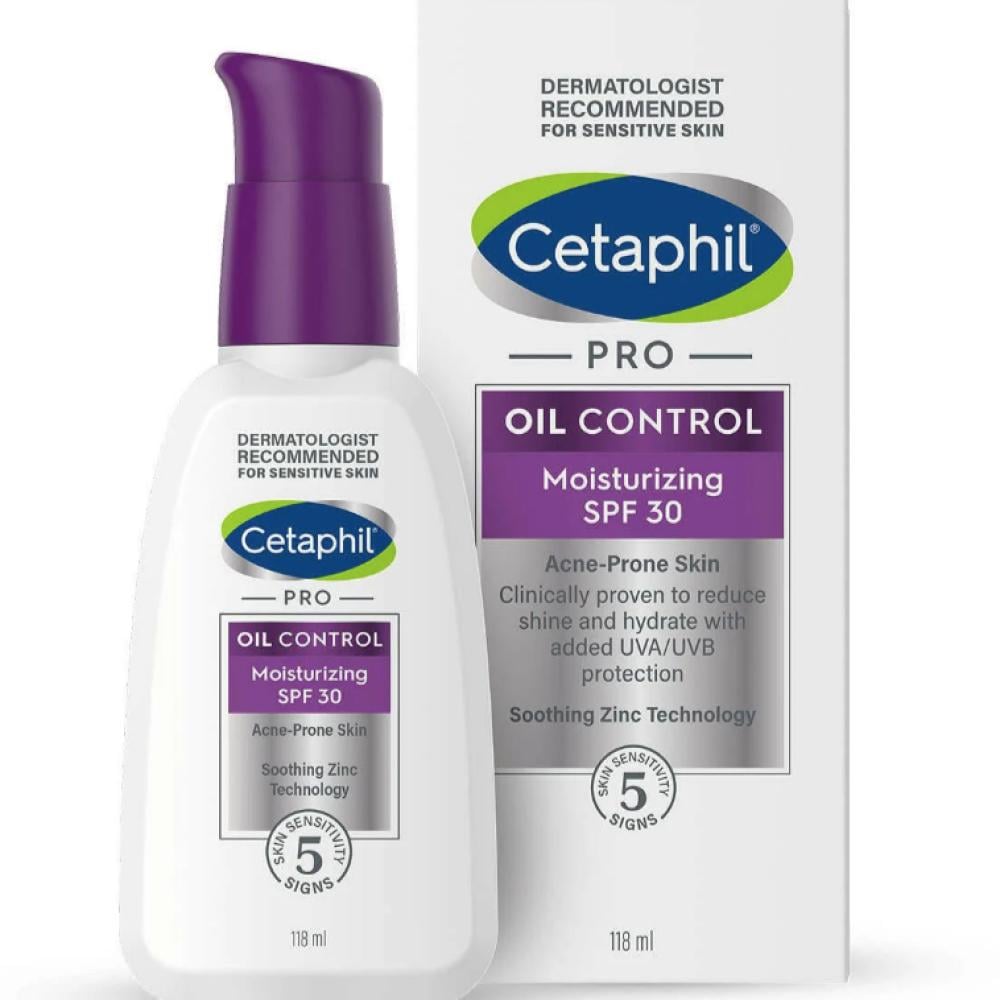
4. Cetaphil Pro Oil Absorbing Moisturizer Spf 30
Cetaphil is known for gentle skincare. This moisturizer is designed for oily skin, absorbs excess oil, and keeps skin matte.
- Texture: Lotion, non-greasy
- Key Ingredients: Oleosome technology, micropearl mattifiers
- Why It’s Great: Reduces shine, non-irritating
- Downside: SPF 30 only (not higher), may not suit very oily skin
5. Cerave Ultra-light Moisturizing Lotion Spf 30
CeraVe’s formula is oil-free and contains ceramides to help restore the skin barrier. It is non-comedogenic and lightweight.
- Texture: Thin lotion, fast-absorbing
- Key Ingredients: Ceramides, niacinamide, hyaluronic acid
- Why It’s Great: Strengthens skin, good for daily use
- Downside: Some users wish for a higher SPF
6. Paula’s Choice Clear Ultra-light Daily Hydrating Fluid Spf 30+
Paula’s Choice makes products for sensitive and acne-prone skin. This moisturizer hydrates without heaviness and gives broad-spectrum protection.
- Texture: Fluid, almost watery
- Key Ingredients: Antioxidants, green tea extract, vitamin E
- Why It’s Great: Calms redness, layers well under makeup
- Downside: Not water-resistant
7. Bioderma Photoderm Akn Mat Spf 30
A French pharmacy favorite, this sunscreen is made for oily and acne-prone skin. It helps control sebum and prevent new blemishes.
- Texture: Light cream, matte finish
- Key Ingredients: Fluidactiv complex, zinc gluconate
- Why It’s Great: Controls oil, prevents clogged pores
- Downside: Can be hard to find in some countries
8. Neutrogena Oil-free Moisture Spf 35
Simple, affordable, and reliable. This oil-free moisturizer hydrates and protects without clogging pores.
- Texture: Lightweight lotion
- Key Ingredients: Glycerin, dimethicone
- Why It’s Great: Non-greasy, budget-friendly
- Downside: Some users feel it’s not mattifying enough
9. Eucerin Oil Control Sun Gel-cream Dry Touch Spf 50+
A European favorite, this product is made for high sun protection and oil control. Suitable for humid climates.
- Texture: Gel-cream, very matte
- Key Ingredients: L-carnitine, silica
- Why It’s Great: Controls oil for hours, SPF 50+
- Downside: Can sting eyes if applied too close
10. Murad Oil And Pore Control Mattifier Broad Spectrum Spf 45
This product not only protects but also claims to reduce oil for up to 10 hours. It helps blur pores and gives a smooth base for makeup.
- Texture: Creamy, but dries matte
- Key Ingredients: Oil-trapping microspheres, avocado, African yellow wood bark extract
- Why It’s Great: Matte finish lasts, pore-blurring effect
- Downside: Higher price, scent may not suit everyone
11. Aveeno Positively Radiant Daily Moisturizer Spf 30
Aveeno uses soy extract to brighten skin and even tone. This moisturizer is oil-free, non-comedogenic, and gentle.
- Texture: Lightweight lotion
- Key Ingredients: Total Soy Complex, SPF 30
- Why It’s Great: Brightens skin, evens out post-acne marks
- Downside: Can feel slightly sticky in very humid weather
12. Garnier Skinactive Moisture Rescue Actively Hydrating Daily Lotion Spf 15
A more affordable option for light hydration and sun protection. It’s best for people who spend limited time outdoors.
- Texture: Gel lotion
- Key Ingredients: Glycerin, fruit water antioxidants
- Why It’s Great: Light, refreshing, budget-friendly
- Downside: SPF is only 15, so not enough for long sun exposure
Quick Comparison: Top 6 Moisturizers With Spf
To help you see the differences between the top choices, here is a quick comparison:
| Product | SPF | Texture | Oil-Free | Mattifying | Key Ingredient | Price Range |
|---|---|---|---|---|---|---|
| La Roche-Posay Anthelios Clear Skin | 60 | Light cream | Yes | Yes | Silica | $$$ |
| Neutrogena Hydro Boost | 30/50 | Gel | Yes | Somewhat | Hyaluronic Acid | $$ |
| EltaMD UV Clear | 46 | Lotion | Yes | Somewhat | Zinc Oxide | $$$ |
| Cetaphil PRO Oil Absorbing | 30 | Lotion | Yes | Yes | Micropearl | $$ |
| CeraVe Ultra-Light | 30 | Lotion | Yes | Somewhat | Ceramides | $$ |
| Murad Oil & Pore Control | 45 | Cream | Yes | Yes | Avocado | $$$ |
How To Apply Moisturizer With Spf For Best Results
Even the best product will not work if you don’t use it correctly. Here are some expert tips:
- Apply to Clean Skin: Always start with a gentle cleanser. If you use acne treatments (like benzoyl peroxide or salicylic acid), let them absorb before applying moisturizer with SPF.
- Use Enough Product: Most people use too little. Apply a nickel-sized amount for the face and more for the neck.
- Wait Before Makeup: Give your moisturizer with SPF 3-5 minutes to set before applying makeup. This helps prevent pilling.
- Reapply During the Day: If you’re outside or sweating, reapply every 2 hours. Use an oil-free SPF spray or powder for touch-ups.
- Don’t Forget the Neck and Ears: These areas are often missed and can show sun damage early.
Pro Application Mistakes To Avoid
- Layering Too Many Products: Using several serums, creams, and SPF can make skin greasy and cause pilling. Keep your morning routine simple.
- Applying on Damp Skin: While some products are best on damp skin, SPF formulas can become diluted. Pat your skin dry first.
- Skipping SPF on Cloudy Days: UV rays pass through clouds. Apply SPF every morning, even if you don’t see the sun.
Sunscreen Vs. Moisturizer With Spf: Do You Need Both?
A common question is whether you need a separate sunscreen if your moisturizer has SPF. Here’s what experts say:
- Moisturizer with SPF is enough for most daily use, especially if you work indoors.
- If you will be outdoors for long periods, sweating, or swimming, use a dedicated sunscreen with SPF 30 or higher for better protection.
Key Insight: Moisturizer with SPF is designed for daily comfort and convenience, but it may not be as water-resistant or long-lasting as a dedicated sunscreen.
Ingredient Comparison: Physical Vs. Chemical Sunscreens
Understanding the difference can help you choose what’s best for your skin.
| Type | Main Ingredients | How It Works | Pros | Cons |
|---|---|---|---|---|
| Physical (Mineral) | Zinc Oxide, Titanium Dioxide | Reflects UV rays off skin | Less irritating, works instantly, blocks UVA & UVB | May leave white cast |
| Chemical | Avobenzone, Octinoxate, Oxybenzone | Absorbs UV rays, turns into heat | Lightweight, invisible finish | Can irritate sensitive skin, takes 20 min to work |
Credit: cosmetics.sa
Myths And Facts: Moisturizer With Spf For Oily, Acne-prone Skin
Many myths make choosing the right product confusing. Let’s clear up some common ones:
- Myth: Oily skin doesn’t need moisturizer.
- Fact: Skipping moisturizer can make skin oilier and worsen acne.
- Myth: SPF makes acne worse.
- Fact: The right, non-comedogenic SPF protects against irritation and scars.
- Myth: Only physical sunscreens are safe for acne-prone skin.
- Fact: Some chemical sunscreens are gentle and suitable—look for oil-free formulas.
- Myth: You don’t need SPF indoors.
- Fact: UVA rays penetrate windows and can cause damage even inside.
How To Choose The Best Moisturizer With Spf For You
The perfect product for someone else might not work for you. Here are some steps to find your match:
- Know Your Skin’s Triggers: If you break out from certain ingredients (like coconut oil or shea butter), always check the label.
- Try Samples First: Many brands offer travel sizes. Test them for a few days to see how your skin reacts.
- Monitor Your Skin: If you notice more breakouts or oiliness, switch products.
- Check Reviews from People With Similar Skin: Look for feedback from users who share your skin concerns.
- Consult a Dermatologist: For stubborn acne or sensitive skin, get expert advice.
Common Mistakes Beginners Make
- Choosing SPF based only on price: The cheapest option may not be best for your skin’s needs.
- Ignoring ingredient lists: Even “oil-free” products can have hidden pore-cloggers.
- Not reapplying: SPF protection fades after a few hours.
Real-world Experiences: What Users Say
Reading real reviews can give you a sense of how a product performs. Here are some insights from users with oily, acne-prone skin:
- La Roche-Posay Anthelios: “I finally found a sunscreen that doesn’t make me look like a greaseball by noon.”
- Neutrogena Hydro Boost: “Lightweight and refreshing. My makeup sits well on top.”
- EltaMD UV Clear: “Helped calm my redness and didn’t cause any new pimples.”
- Murad Mattifier: “My skin stays matte even on hot days. Worth the price.”
Advanced Tips: Getting The Most From Your Moisturizer With Spf
- Blotting Papers: Use these during the day to absorb excess oil without removing your SPF.
- Layering with Acne Treatments: If you use retinol or other strong treatments at night, use a soothing, non-active moisturizer with SPF in the morning to avoid irritation.
- Powder Sunscreen for Touch-Ups: These are easy to reapply and won’t mess up makeup or make skin oily.

Credit: www.amazon.com
Dermatologist Recommendations
Dermatologists suggest looking for broad-spectrum, oil-free, non-comedogenic products. Many recommend brands like EltaMD, La Roche-Posay, and Neutrogena for oily, acne-prone skin due to their gentle but effective formulas. For severe acne or sensitivity, always patch test new products and consult a professional.
For more in-depth research and ingredient safety, you can visit American Academy of Dermatology.
Faq: Frequently Asked Questions
What Spf Level Is Best For Oily, Acne-prone Skin?
For daily use, SPF 30 or higher is best. It offers strong protection without feeling too heavy. If you spend more time outdoors, consider SPF 50 or above.
Can I Skip Moisturizer If I Have Oily Skin?
No. Even oily skin needs hydration. Skipping moisturizer can make your skin produce more oil, leading to more shine and breakouts. Choose a lightweight, oil-free product.
How Do I Reapply Spf During The Day Without Ruining Makeup?
Use an oil-free SPF spray or powder sunscreen. These products are designed for easy touch-ups over makeup and won’t add extra shine.
Are Mineral Sunscreens Better For Acne-prone Skin?
Mineral sunscreens (with zinc oxide or titanium dioxide) are usually less irritating and less likely to clog pores. They are a good choice for sensitive, acne-prone skin.
Can Moisturizer With Spf Replace Regular Sunscreen?
It can for daily, indoor use. But if you are outdoors for a long time, swimming, or sweating, use a dedicated sunscreen with higher water resistance and SPF.
Every step you take to protect and care for your oily, acne-prone skin pays off. With the right moisturizer with SPF, you can stay hydrated, shine-free, and safe from sun damage—without risking breakouts. Now you have the knowledge to choose confidently and enjoy healthier skin every day.
.png)
Credit: www.glamour.com