

Hormonal acne is one of the most stubborn and confusing skin problems. Many people find that their regular skincare routine suddenly stops working. Moisturizers, in particular, become a challenge. Some are too heavy and cause more breakouts. Others are too light and leave skin feeling dry and irritated. If you have hormonal acne, you might feel like you need to choose between hydration and clear skin. But is it possible to find a moisturizer that calms your skin without clogging your pores? The answer is yes—if you know what to look for and how to use it.
This article is your complete guide to choosing and using a moisturizer for hormonal acne skin. You’ll learn why hormonal acne needs special care, what ingredients to look for, and how to find products that soothe without causing congestion. You’ll also discover expert tips, what mistakes to avoid, and how to build a routine that supports your skin’s health during hormonal changes.
Understanding Hormonal Acne And Its Challenges
Hormonal acne is not the same as teenage acne or the occasional pimple. It often appears in adults, especially women, and is linked to hormonal fluctuations. These changes can happen during periods, pregnancy, menopause, or stress. The result: breakouts around the jawline, chin, and lower face.
What makes hormonal acne tricky is that the skin can be both oily and sensitive. Hormones increase oil production, but also make the skin more reactive. Many acne treatments dry out the skin, causing irritation. This combination means your moisturizer must:
- Hydrate without adding oiliness
- Soothe redness and irritation
- Avoid ingredients that block pores
- Support the skin barrier
Most drugstore moisturizers are not designed for this. Some contain comedogenic (pore-clogging) ingredients. Others focus only on oil control and forget about calming or repairing the skin. That’s why a targeted approach is essential.
Why Moisturizer Matters For Hormonal Acne Skin
You might think skipping moisturizer will help your acne. In fact, the opposite is true. Dehydrated skin tries to protect itself by producing even more oil. This can lead to more breakouts. Also, many acne-fighting treatments (like benzoyl peroxide or retinoids) dry out the skin. If you don’t moisturize, you can end up with flaking, redness, and a weak skin barrier.
A good moisturizer:
- Balances oil and water levels
- Reduces irritation from acne treatments
- Helps heal damaged skin
- Makes skin less likely to scar
The right formula can even make your other products work better, because healthy skin absorbs active ingredients more evenly.
What To Look For In A Moisturizer For Hormonal Acne
Choosing a moisturizer for hormonal acne is all about balance. Here’s what matters most:
1. Non-comedogenic Ingredients
Always check for the term non-comedogenic on the label. This means the product is less likely to block pores. However, there is no official standard—so you still need to check the ingredient list. Some common pore-clogging ingredients to avoid include:
- Coconut oil
- Isopropyl myristate
- Lanolin
- Wheat germ oil
- Algae extract
Surprisingly, some “natural” oils, like coconut or wheat germ oil, are very comedogenic, while others (like squalane or hemp seed oil) are much safer.
2. Lightweight, Hydrating Formulas
Look for moisturizers described as gel-cream, lotion, or fluid. These tend to absorb quickly without leaving a greasy feeling. Heavy creams can trap oil and bacteria under the skin.
Good hydrating ingredients include:
- Hyaluronic acid
- Glycerin
- Aloe vera
- Squalane
These draw water into the skin but do not add extra oil.
3. Calming And Soothing Agents
Hormonal acne skin is easily irritated. Calming ingredients can reduce redness and swelling. Some of the best include:
- Niacinamide (Vitamin B3): Calms, reduces oil production, and supports the skin barrier.
- Centella asiatica (Cica): Soothes and helps heal.
- Panthenol (Pro-vitamin B5): Hydrates and calms.
- Allantoin: Reduces irritation.
4. Oil Control Without Overdrying
You want to reduce shine, but not strip your skin. Ingredients like zinc PCA and niacinamide help control oil, while avoiding harsh alcohols or astringents that can cause rebound oiliness.
5. Barrier Support
A strong skin barrier keeps out bacteria and irritants. Ingredients that help repair the barrier include:
- Ceramides
- Cholesterol
- Fatty acids
- Madecassoside (from centella asiatica)
A healthy barrier makes your skin less reactive and helps prevent post-acne marks.
6. Fragrance-free Or Low Fragrance
Many people with hormonal acne are sensitive to fragrance. It can cause redness and stinging. Choose fragrance-free or low fragrance options, especially if your skin is easily irritated.
7. Avoiding Common Irritants
Some preservatives, dyes, and harsh alcohols can trigger breakouts or sensitivity. Be careful with products containing:
- Denatured alcohol (alcohol denat.)
- Sodium lauryl sulfate
- Synthetic dyes
Always patch test new products if you are unsure.
8. Sun Protection (for Day Use)
If you are using any acne treatments, your skin will be more sensitive to the sun. A moisturizer with broad spectrum SPF 30 or higher can prevent dark marks and scarring. For night, skip the SPF to avoid extra ingredients.
Popular Types Of Moisturizers For Hormonal Acne
Not all moisturizers are created equal. Here’s a closer look at the most common types and how they perform for hormonal acne skin.
| Type | Texture | Best For | Potential Drawbacks |
|---|---|---|---|
| Gel | Light, water-based | Very oily or hot climates | May not be enough for dry patches |
| Gel-Cream | Light but slightly creamy | Combination, oily, or sensitive skin | Rarely too heavy |
| Lotion | Fluid, milky | Normal to oily skin | Some contain oils |
| Cream | Thick, rich | Dry, compromised skin | Risk of clogged pores |
| Emulsion | Lightweight, between lotion and gel | Oil control with hydration | May need a second layer for very dry skin |
For most people with hormonal acne, gel-creams or light lotions are the safest starting point.

Credit: www.businessinsider.com
Ingredients To Seek Out For Calming Without Clogging
If you want your moisturizer to calm the skin and not make acne worse, focus on these science-backed ingredients.
Hyaluronic Acid
A powerful humectant that draws water into the skin. It is lightweight, absorbs quickly, and is suitable for all skin types—including very oily or acne-prone skin. Hyaluronic acid can reduce dryness caused by acne treatments without adding oil.
Niacinamide
One of the best multi-taskers for hormonal acne. It helps control oil production, reduces redness, fades post-acne marks, and strengthens the barrier. Niacinamide is gentle and works well with most other actives.
Squalane
This oil is derived from olives or sugarcane, but is non-comedogenic. Squalane mimics your skin’s natural oils, hydrates, and calms irritation. It’s lightweight and unlikely to clog pores.
Centella Asiatica
Also called “cica,” this plant extract is famous for calming inflamed skin and speeding up healing. It’s especially good for skin that is red, itchy, or recovering from breakouts.
Zinc Pca
Zinc has anti-inflammatory properties and helps regulate oil. Zinc PCA is a form that’s easily absorbed and helps calm acne-prone skin.
Panthenol
This B-vitamin soothes, hydrates, and helps the skin repair itself faster. It’s found in many moisturizers for sensitive or acne-prone skin.
Allantoin
A gentle ingredient that relieves irritation and supports skin healing. It’s good for anyone whose skin gets red or flaky from acne treatments.
Ceramides
Ceramides are fats that make up the skin barrier. Replenishing them helps protect from irritation and dehydration.
Glycerin
A simple but effective hydrator. Glycerin draws water into the skin, helping it stay plump and comfortable without feeling greasy.
Green Tea Extract
Naturally rich in antioxidants and anti-inflammatory compounds, green tea helps reduce swelling and calm redness.
Ingredients To Avoid For Hormonal Acne Skin
Some ingredients can make hormonal acne worse—either by clogging pores, causing irritation, or both. Here’s what to keep off your list.
Comedogenic Oils
While not all oils are bad for acne-prone skin, some are almost guaranteed to clog pores:
- Coconut oil
- Wheat germ oil
- Cocoa butter
- Algae extract
If you want to use oils, stick to squalane, hemp seed oil, or rosehip oil.
Heavy Silicones
Some silicones, like dimethicone, are generally safe. But very occlusive silicones (or layering too many) can trap sweat and oil under the skin, leading to congestion.
Harsh Alcohols
Alcohol denat. and isopropyl alcohol are sometimes used to make products feel light or dry quickly. But they can strip the skin and cause rebound oiliness.
Strong Fragrances
Fragrance is a common trigger for sensitivity. If your skin gets red or stings, avoid scented products.
Essential Oils
While some, like tea tree oil, can help acne in small doses, others (lavender, citrus) are more likely to irritate. Essential oils are not necessary in a moisturizer.
Lanolin
A natural wax from sheep’s wool. It’s very moisturizing, but also highly comedogenic.
Dyes And Colorants
These add nothing to the formula and can cause irritation.
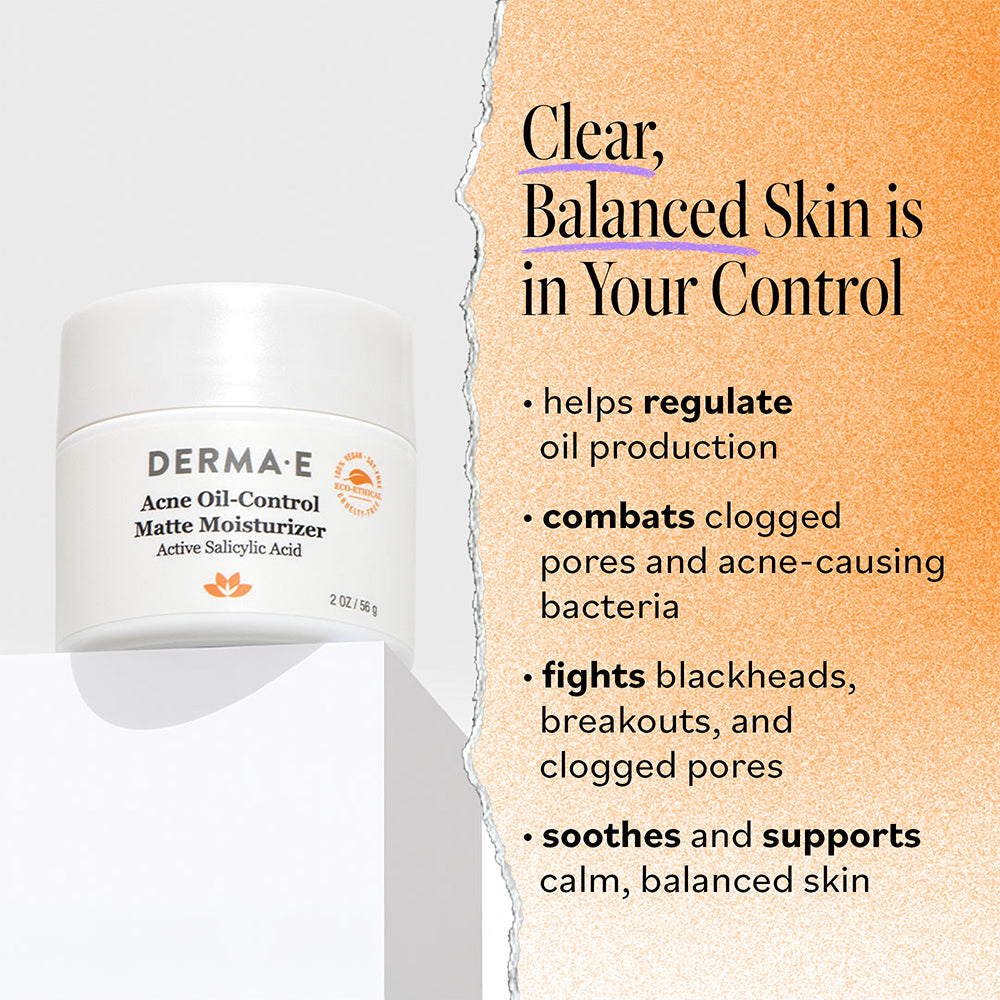
Credit: dermae.com
How To Choose The Right Moisturizer For Your Hormonal Acne
Finding your ideal moisturizer can take some trial and error. Here’s a step-by-step approach to make the process easier and safer.
- Know Your Skin Type: Is your skin oily, dry, or combination? Do you get flaky patches, or are you shiny all over? Hormonal acne can cause skin to switch between types.
- Identify Your Main Concerns: Is your skin mostly inflamed, or just congested? Do you use drying acne treatments?
- Check the Ingredient List: Look for non-comedogenic, lightweight, and calming ingredients. Avoid known triggers.
- Patch Test: Before applying a new moisturizer all over your face, test it on a small area for a few days.
- Start Slow: When trying a new product, use it alone (not with other new products) to see how your skin reacts.
- Notice Improvements: Within a week, skin should feel less tight, less red, and not more congested. If you break out in new places, stop using it.
- Adjust as Needed: Your skin’s needs can change with hormones, weather, and other treatments. It’s normal to switch moisturizers seasonally.
How To Use Moisturizer For Best Results
Even the best moisturizer won’t work if it’s used the wrong way. Here’s how to fit it into your routine for maximum calming and minimum clogging.
Step 1: Cleanse Gently
Use a mild, non-stripping cleanser. Avoid harsh scrubs or foaming washes with strong sulfates. The goal is clean, not tight or squeaky skin.
Step 2: Apply Treatments (if Any)
If you use acne treatments (like benzoyl peroxide, retinoids, or spot treatments), apply them first. Let each layer absorb fully.
Step 3: Moisturize
Take a small amount (about a pea-sized blob for the face). Dot it over your cheeks, forehead, chin, and nose, then gently smooth it in. Avoid rubbing hard.
Step 4: Sunscreen (morning Only)
Always finish with broad-spectrum SPF in the morning. Acne treatments make your skin more sensitive to UV damage.
Step 5: Adjust As Needed
If your skin feels dry or tight after a few hours, you may need a richer moisturizer at night, or a hydrating mist during the day.
Pro Tips:
- Don’t over-moisturize. Too many layers can suffocate the skin.
- If you use actives like retinoids or acids, wait 10-15 minutes after applying them before moisturizing.
- If your moisturizer pills (rolls off in little balls), you may be using too much, or it may not layer well with other products.
Credit: www.businessinsider.com
Examples Of Moisturizers That Calm Without Clogging
To make things more concrete, here are some popular moisturizers that meet the needs of hormonal acne skin. These are not the only options, but they are backed by reviews and dermatologist recommendations.
- La Roche-Posay Toleriane Double Repair Face Moisturizer
- Lightweight, non-comedogenic, includes ceramides and niacinamide.
- CeraVe PM Facial Moisturizing Lotion
- Contains ceramides, hyaluronic acid, and niacinamide. Fragrance-free.
- Neutrogena Hydro Boost Water Gel
- Gel-based, rich in hyaluronic acid, oil-free.
- Paula’s Choice Clear Oil-Free Moisturizer
- Calms redness, non-greasy, suitable for sensitive skin.
- Avene Cleanance MAT Mattifying Emulsion
- Controls oil, soothes, and hydrates without clogging.
- Dr. Jart+ Cicapair Tiger Grass Calming Gel Cream
- Contains centella asiatica, lightweight and calming.
- EltaMD AM Therapy Facial Moisturizer
- Oil-free, non-comedogenic, hydrates and soothes.
- Bioderma Sébium Mat Control
- Oil-regulating, mattifying, gentle hydration.
- Vanicream Lite Lotion
- Simple, minimal ingredients, good for very sensitive skin.
- The Ordinary Natural Moisturizing Factors + HA
- Affordable, non-greasy, hydrates and supports the skin barrier.
Insider Tip: Sometimes, using two moisturizers—a lighter one in the morning and a slightly richer one at night—can help balance hydration and oil control, especially during hormonal shifts.
Comparing Moisturizer Features For Hormonal Acne
To help you choose, here’s a comparison of key features for a few popular products.
| Product | Texture | Main Calming Ingredient | Non-Comedogenic? | Fragrance-Free? |
|---|---|---|---|---|
| La Roche-Posay Toleriane | Lotion | Niacinamide | Yes | Yes |
| Neutrogena Hydro Boost | Gel | Hyaluronic acid | Yes | Yes |
| Dr. Jart+ Cicapair | Gel-Cream | Centella Asiatica | Yes | Yes |
| CeraVe PM | Lotion | Niacinamide | Yes | Yes |
| Vanicream Lite | Lotion | None (minimal formula) | Yes | Yes |
Look for options that fit your texture preference and main calming needs.
Mistakes To Avoid When Moisturizing Hormonal Acne Skin
Many people accidentally make things worse by using the wrong moisturizer or applying it incorrectly. Here are the most common mistakes:
- Skipping Moisturizer: Drying out your skin does not stop acne. It only triggers more oil production and irritation.
- Using Heavy Creams: These can suffocate pores, especially at night. Save rich creams for very dry patches only.
- Layering Too Many Products: More is not always better. Stick to simple routines.
- Ignoring Ingredients: Some “acne” products still contain comedogenic oils or fragrances.
- Not Adjusting for Weather: Skin needs change with humidity, temperature, and hormones. Switch formulas as needed.
- Applying on Dirty Skin: Always cleanse before moisturizing.
- Rubbing Too Hard: Gentle patting is enough. Over-massaging can irritate sensitive skin.
- Not Using Sunscreen: Daytime moisturizers should include SPF or be followed by a separate sunscreen.
How To Build A Complete Skincare Routine For Hormonal Acne
Moisturizer is only one part of your acne-fighting plan. Here’s how to structure a simple, effective routine.
Morning
- Cleanser: Gentle, non-stripping.
- Treatment (if needed): Niacinamide serum or other calming product.
- Moisturizer: Lightweight, calming, non-comedogenic.
- Sunscreen: Broad spectrum, SPF 30 or higher.
Night
- Cleanser: Remove sunscreen and makeup.
- Acne Treatment: Retinoid, benzoyl peroxide, or other treatment (if using).
- Moisturizer: Slightly richer than morning if skin feels dry.
Weekly
- Exfoliate (optional): Once or twice a week, use a gentle chemical exfoliant (like salicylic acid) to help clear pores. Avoid physical scrubs.
- Mask (optional): Clay or hydrating masks can help, but avoid anything with drying alcohols or heavy oils.
Important: Always introduce one new product at a time. This makes it easier to spot what works and what doesn’t.
Addressing Special Concerns In Hormonal Acne
Hormonal acne often comes with extra challenges. Here are a few, and how moisturizer can help:
Flaky Or Peeling Skin
Many acne treatments cause peeling. Instead of skipping moisturizer, look for products with hyaluronic acid or ceramides. Apply a little extra on flaky spots. Avoid scrubbing flakes—this can cause more irritation.
Redness And Sensitivity
If your skin is red or stings, focus on moisturizers with centella asiatica, panthenol, or allantoin. Avoid products with strong acids or essential oils until your skin calms down.
Dark Marks After Acne
Post-inflammatory hyperpigmentation (PIH) is common after hormonal acne. Niacinamide and vitamin C can help fade dark spots over time. Always use sunscreen daily to prevent marks from getting darker.
Adult Or Late-onset Acne
Hormonal acne is common in adults, especially women over 25. Adult skin can be drier, so you may need more hydrating ingredients than you did as a teen. Don’t be afraid to use a richer moisturizer at night if needed.
When To See A Dermatologist
If your hormonal acne is severe, painful, or not improving with over-the-counter products, it’s time to get professional help. A dermatologist can prescribe stronger treatments and help you find a moisturizer that works with your plan.
You should also see a doctor if you notice:
- Sudden severe breakouts
- Cystic acne (large, painful lumps under the skin)
- Acne with other symptoms (hair loss, weight changes, irregular periods)
- Scarring or discoloration that won’t fade
They can check for underlying hormonal issues and recommend personalized solutions.
Real-life Example: A Week With A Calming, Non-clogging Moisturizer
Let’s look at what a typical week looks like when switching to the right moisturizer for hormonal acne.
Day 1: Skin feels tight from recent breakouts and treatments. You apply a gel-cream moisturizer with niacinamide and hyaluronic acid. No stinging or redness.
Day 3: Redness is less visible. Flaky spots are softer. No new breakouts.
Day 5: Skin feels smoother and less oily mid-day. Makeup applies more evenly.
Day 7: Existing pimples are healing faster. No clogged pores or new bumps.
Key Insight: Consistency is more important than finding a “miracle” product. Give your moisturizer at least two weeks before judging results.
Deeper Insight: Why “natural” Isn’t Always Better
Many people believe that “natural” moisturizers are safer. But natural oils like coconut or cocoa butter are highly comedogenic. Essential oils can irritate sensitive, acne-prone skin. Instead, look for tested ingredients like squalane, hyaluronic acid, or glycerin. Always check how your skin responds, not just the marketing claims.
Lifestyle Tips For Calming Hormonal Acne
Moisturizer is important, but other habits can support your skin:
- Manage stress: High stress increases cortisol, which can trigger acne.
- Eat a balanced diet: Some people find dairy or high-sugar foods make their acne worse.
- Get enough sleep: Poor sleep can make hormonal swings worse.
- Don’t pick at breakouts: This causes more inflammation and scarring.
- Wash pillowcases and phones regularly: Bacteria can worsen acne.
The Role Of Science And Research
Research shows that a balanced skin barrier is key to preventing both breakouts and sensitivity. Studies support the use of non-comedogenic moisturizers with calming ingredients for acne-prone skin. For more details, see this review by the National Institutes of Health.
Frequently Asked Questions
What Does “non-comedogenic” Mean?
Non-comedogenic means that a product is formulated to not block pores. However, there is no strict standard, so always check the ingredient list. Some ingredients may be safe for most people but cause breakouts for others.
Can I Use Oil In My Moisturizer If I Have Hormonal Acne?
Some oils, like squalane or hemp seed oil, are safe and non-comedogenic. Avoid heavy oils like coconut, cocoa butter, or wheat germ oil, which are more likely to clog pores.
How Often Should I Moisturize If I Have Hormonal Acne?
Twice a day—morning and night—is ideal. If you use drying acne treatments, you may need a richer moisturizer at night. Always adjust based on how your skin feels.
Can Moisturizer Really Help Clear Hormonal Acne?
Moisturizer alone will not cure acne, but it supports your skin barrier, reduces irritation, and can make other treatments more effective. The right moisturizer prevents dehydration, which can worsen breakouts.
What Should I Do If Every Moisturizer Breaks Me Out?
Try single-ingredient hydrating products (like pure hyaluronic acid or squalane oil) and introduce them slowly. Consult a dermatologist for patch testing or recommendations tailored to your skin.
Final Thoughts
Choosing the best moisturizer for hormonal acne skin can feel overwhelming, but it’s possible to find products that calm, hydrate, and protect without clogging pores. Focus on lightweight, non-comedogenic formulas with soothing ingredients, and avoid common triggers like heavy oils or fragrances. Remember, healthy skin is balanced skin—a good moisturizer is essential for healing and preventing future breakouts. Stay patient, adjust as your skin’s needs change, and don’t hesitate to ask a dermatologist for help if you’re stuck. With the right approach, you can support your skin through every hormonal shift and enjoy a clearer, calmer complexion.