

Menopause is a natural phase in every woman’s life, but the changes it brings can be challenging. For many, hair loss during menopause is a distressing surprise. Thinning hair or increased shedding can affect confidence and self-image. While hormonal shifts are the main cause, lifestyle choices—especially exercise and stress management—play a bigger role than most people realize. If you are looking for practical ways to prevent menopausal hair loss, understanding the connection between your body, mind, and hair health is the first step. This guide will explain how exercise and stress control can protect your hair, offer actionable tips, uncover mistakes to avoid, and help you feel empowered during this important stage.
Understanding Menopausal Hair Loss
Menopause usually occurs between ages 45 and 55. The most common cause of hair loss during this period is changing hormone levels, especially a drop in estrogen and progesterone. These hormones help hair grow and stay healthy. When they decrease, androgens (male hormones present in all women) can increase. Androgens shrink hair follicles, leading to thinner hair and more hair falling out.
Symptoms often include:
- A wider part in the hair
- Noticeable thinning at the crown
- More hair left on the pillow or in the shower
- Slower hair growth
In some cases, hair may also become more brittle or dry. Some women notice their hair texture changes, becoming finer and less manageable. This can happen gradually, making it easy to overlook at first, but over several months the effects become more obvious.
Other factors, like genetics, medications, or health issues, can also play a role. For example, a family history of female pattern baldness makes hair loss more likely. Certain medicines, such as blood thinners or antidepressants, may have side effects that impact hair.
Health problems like thyroid disorders or anemia can also contribute.
However, research shows that lifestyle factors—especially stress and lack of exercise—can make hair loss worse. Many women are surprised to learn that daily habits, such as skipping physical activity or living with high stress, directly affect hair health. This means that while you cannot control your genes, you can make choices that help your hair stay stronger for longer.
How Exercise Helps Prevent Menopausal Hair Loss
Regular physical activity is not just good for your heart and weight; it can be a secret weapon against menopausal hair loss. Here’s how:
1. Improves Blood Circulation
Exercise increases your heart rate and blood flow. Better circulation means more oxygen and nutrients are delivered to your hair follicles. Healthy follicles produce stronger, thicker hair. Without enough blood flow, hair roots may become weak and hair can fall out more easily.
For example, aerobic exercise like a brisk walk gets your heart pumping and sends fresh blood all over your body—including your scalp. This is why even simple movement can have a noticeable effect on hair quality over time.
2. Balances Hormones
Physical activity helps regulate hormone levels. It can reduce the effects of androgens and help balance estrogen and progesterone. Even moderate exercise, like brisk walking or cycling, can have a positive effect on hormone balance.
After menopause, your ovaries produce less estrogen, but regular exercise helps your body use hormones more efficiently. This can lower the negative impact of androgens on your hair follicles. Studies show that women who stay active often have fewer symptoms related to hormone imbalance, including hair loss.
3. Reduces Inflammation
Chronic inflammation is linked to hair thinning and loss. Exercise releases anti-inflammatory chemicals and reduces stress hormones that can hurt your hair. Inflammation can damage hair follicles and slow down the growth cycle.
People who exercise regularly often have lower levels of substances in their blood that cause inflammation. This doesn’t just help your hair—it benefits your whole body, reducing the risk of diseases like diabetes and heart problems.
4. Lowers Stress
Exercise is a natural stress reliever. It boosts endorphins (“feel good” hormones) and lowers cortisol, which is a hormone linked to hair shedding. After a workout, many women notice they feel calmer and more positive.
Exercise also helps your mind handle daily pressures better. Over time, this means less stress builds up in your body, and hair loss triggered by stress becomes less likely.
5. Supports Weight Control
Excess weight can increase androgens and worsen hair loss. Staying active helps manage weight and, in turn, supports healthier hair. Fat tissue produces hormones that can throw off your body’s balance, so keeping a healthy weight is another way to protect your hair.
Types Of Exercise That Benefit Hair Health
Not all exercise is equal when it comes to hair. Here are the most helpful types:
Aerobic Exercise
Activities like walking, jogging, swimming, or cycling improve overall circulation and reduce stress. Aim for at least 150 minutes per week of moderate activity.
Aerobic activities are easy to start and can fit into most lifestyles. For example, a 20-minute walk after lunch or a short swim at your local pool can make a big difference. Regular aerobic exercise also boosts your energy, making it easier to stay motivated with other healthy habits.
Strength Training
Lifting weights or doing resistance exercises improves muscle tone and metabolism, which can also support hormone balance.
You do not need to lift heavy weights to see benefits. Simple bodyweight exercises, like squats, lunges, or push-ups, help maintain muscle mass, which often declines during menopause. Strong muscles support your metabolism, helping you burn calories and keep hormones in check.
Yoga And Pilates
These activities combine gentle movement with breathing and relaxation, making them excellent for both body and mind.
Yoga and Pilates are especially helpful for those who feel stiff or have joint pain. They can be adapted for any fitness level. Many women find that yoga helps them sleep better and feel calmer—two important factors for hair health.
Certain yoga poses, like downward dog or headstands, are thought to improve scalp circulation directly.
Scalp Exercise
Simple movements, such as massaging the scalp with your fingers, increase blood flow directly to hair roots.
You can do a quick scalp massage each morning or evening. Use the pads of your fingers to gently move the skin in small circles. Some women add a few drops of nourishing oil (like coconut or argan oil) for extra benefit.
Over time, this can make your scalp healthier and your hair stronger.
Creating An Exercise Plan
Consistency is key. Here is a sample weekly plan:
| Day | Activity | Duration |
|---|---|---|
| Monday | Brisk Walk | 30 minutes |
| Tuesday | Yoga | 40 minutes |
| Wednesday | Strength Training | 30 minutes |
| Thursday | Cycling | 30 minutes |
| Friday | Rest or Scalp Massage | 15 minutes |
| Saturday | Swimming | 30 minutes |
| Sunday | Pilates | 40 minutes |
Mixing different activities helps you stay interested and works different muscles. Adjust the plan based on your fitness level and schedule. Even short bursts of movement—like taking the stairs or dancing to music—add up over the week.
Practical Exercise Tips For Beginners
- Start slow and listen to your body
- Choose activities you enjoy
- Wear comfortable clothing and shoes
- Stay hydrated before, during, and after exercise
- Set realistic goals and track your progress
If you’re new to exercise, begin with 10–15 minutes a day and build up gradually. Don’t worry about doing everything perfectly. The most important thing is to keep moving. Small, regular changes lead to big improvements over time.
Many women find it helpful to exercise with a friend or in a group. This adds motivation and makes the process more social and fun.
The Science Behind Stress And Hair Loss
Stress is more than just a feeling; it creates real changes in your body. During stress, your body produces more cortisol and other hormones that can disrupt the normal growth cycle of hair. This can push hair follicles into a “resting” phase, leading to more hair falling out—a condition called telogen effluvium.
Hair grows in cycles: growth, rest, and shedding. Stress shortens the growth phase and increases the number of hairs entering the rest phase. Because of this, you may notice more hair in your brush or shower drain, sometimes months after a stressful event.
How Stress Affects Hair During Menopause
During menopause, your body is already dealing with hormone fluctuations. Added stress makes these shifts more dramatic, which can worsen hair loss. Some women notice hair shedding a few months after a stressful event, such as a major life change or illness.
Stress can also make other menopause symptoms, like hot flashes or trouble sleeping, worse. This creates a cycle where stress and menopause feed each other, making it even harder to feel and look your best.
Common Stress Triggers In Menopause
- Night sweats and sleep problems
- Anxiety about aging or health
- Changes in work or family roles
- Body image concerns
Even positive changes, like a child moving out or retirement, can cause stress. Learning to recognize your own triggers is the first step in managing them.
Why Managing Stress Matters For Hair
- Reduces cortisol levels that harm hair follicles
- Supports hormone balance
- Helps the immune system function better
- Improves sleep, which is vital for hair growth
Managing stress is not just about feeling good; it keeps your whole body—including your scalp—in a healthier state. Chronic stress can also increase inflammation, which, as mentioned earlier, is linked to more hair shedding.
Effective Stress Management Strategies
Managing stress is not just about feeling calm; it’s about protecting your health and your hair. Here are proven ways to control stress during menopause:
1. Mindful Breathing
Taking slow, deep breaths signals your body to relax. Practicing mindful breathing for even five minutes a day can lower stress hormones.
Try this: Inhale for a count of four, hold for four, exhale for four, and pause for four. Repeat this a few times whenever you feel tense.
2. Meditation
Regular meditation helps control anxiety and improves emotional health. Studies show it can lower cortisol and improve sleep quality.
Apps like Headspace or Calm offer guided sessions for beginners. Even a few minutes of sitting quietly, focusing on your breath, can have noticeable effects.
3. Progressive Muscle Relaxation
This involves tensing and relaxing each muscle group in your body. It helps release tension and creates a sense of calm.
Start at your feet and move up to your head, tensing each muscle for five seconds and then letting go. This can be especially helpful before bed.
4. Journaling
Writing about your feelings can reduce mental stress. It helps you process emotions and find solutions.
Try jotting down three things you’re grateful for each day, or write about what’s worrying you. Putting thoughts on paper often makes problems feel smaller and easier to handle.
5. Social Support
Talking with friends, family, or a counselor can ease worries. Social support has been shown to reduce stress and even improve physical health.
If you don’t feel comfortable talking about menopause or hair loss, online forums can offer a safe place to share and learn from others.
6. Setting Boundaries
Learning to say “no” or setting limits with work and family can reduce overload and help you focus on self-care.
Remember, it’s okay to put your needs first sometimes. Even small boundaries—like having 30 minutes of quiet time each day—can make a big difference.
7. Sleep Hygiene
Good sleep habits, like a regular bedtime and limiting screens before bed, help regulate hormones and reduce stress.
Keep your bedroom dark and cool, avoid caffeine late in the day, and try relaxing routines before bed, such as gentle stretching or reading.
8. Enjoyable Hobbies
Activities you love—like gardening, painting, or music—give your mind a break and boost mood.
Regular hobbies help shift your focus away from worries and bring more joy into daily life. Even a few minutes a day can help.
9. Professional Help
If stress feels unmanageable, a psychologist or therapist can offer coping skills and support.
It’s a sign of strength to ask for help. Many women benefit from professional advice during menopause, especially if stress leads to anxiety or depression.
Diet, Exercise, And Stress: The Hair Health Connection
What you eat, how you move, and how you manage stress are all connected when it comes to hair health. Here’s how they work together:
Nutrients For Hair Growth
Certain nutrients are vital for hair:
- Protein: Hair is made of protein. Not getting enough can cause thinning.
- Iron: Low iron is a common cause of hair loss, especially in women.
- Omega-3 fatty acids: Help keep the scalp healthy.
- Vitamins A, C, D, and E: Support hair growth and repair.
Add variety to your meals to cover these nutrients. For example, eggs and fish are good protein sources, while spinach and lentils provide iron. Nuts and seeds add healthy fats. Fruits and vegetables bring vitamins and antioxidants that support scalp health.
A balanced diet supports your exercise routine and helps your body respond better to stress. Together, these factors create the best environment for healthy hair.
How Exercise And Diet Reduce Stress
Regular activity and healthy foods help your body handle stress better. They lower inflammation, balance blood sugar, and improve mood—all of which are important for hair health.
For example, eating a breakfast with protein and fiber helps keep energy and mood stable throughout the day. Combining this with a morning walk sets a positive tone. Over time, these habits reduce overall stress and improve the way your body handles challenges.
Realistic Expectations: What Exercise And Stress Management Can And Cannot Do
It’s important to be realistic. Exercise and stress management can make a big difference, but they are not a magic cure for every type of hair loss.
What They Can Do
- Slow down or reduce menopause-related hair loss
- Improve hair strength and thickness
- Support new hair growth
- Improve self-esteem and emotional well-being
Many women notice less breakage and better hair quality within a few months. Improved mood and confidence often come even sooner.
What They Cannot Do
- Reverse genetic hair loss completely
- Provide instant results (it can take months to see changes)
- Replace medical treatments for serious conditions
If you have a strong family history of hair thinning, or if your hair loss is caused by a medical problem, lifestyle changes alone may not be enough. Still, they are a valuable part of any hair health plan and can support other treatments.
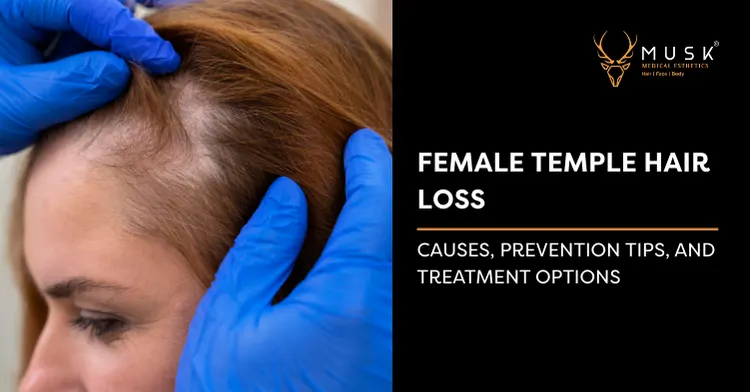
Credit: muskclinic.com
Common Mistakes To Avoid
Many women unknowingly make choices that can make menopausal hair loss worse. Here’s what to watch out for:
1. Over-exercising
Too much intense exercise can actually raise cortisol levels and increase stress, leading to more hair shedding.
Aim for balance. It’s better to do moderate exercise regularly than push yourself too hard and burn out.
2. Ignoring Nutrition
Exercise alone is not enough. Without the right nutrients, your hair cannot grow well.
Skipping meals, following fad diets, or avoiding whole food groups can leave your hair undernourished.
3. Skipping Rest Days
Your body and hair need time to recover. Rest days are just as important as active days.
Overtraining can weaken your immune system and slow hair repair.
4. Using Harsh Hair Products
Styling products with strong chemicals or frequent heat styling can damage hair already weakened by menopause.
Choose gentle, hydrating products and let your hair air dry when possible.
5. Not Managing Stress
Ignoring stress can have silent but serious effects on hair and overall health.
Even simple daily stress management, like a few minutes of deep breathing, helps protect your hair.
6. Expecting Quick Results
Hair grows slowly—about half an inch per month. Be patient and consistent.
Trying too many new products or routines at once can make it hard to see what’s really working.
7. Not Seeking Medical Advice
If hair loss is severe or sudden, it’s important to see a doctor. Sometimes hair loss can signal other health issues like thyroid problems.
A professional can run tests and suggest the best treatment plan for your situation.
Non-obvious Insights For Better Results
Most articles offer the basics, but here are some less obvious tips to maximize your results:
1. Exercise Outdoors When Possible
Sunlight helps your body produce vitamin D, which is linked to hair growth. Just 10-15 minutes in the morning sun can be beneficial.
If you live somewhere with little sun, talk to your doctor about supplements.
2. Combine Stress Management Techniques
Instead of using just one method, try combining techniques—like yoga and journaling—for a stronger effect.
Pairing breathing exercises with gentle stretching can make both more effective.
3. Pay Attention To The Scalp
Regular scalp massage with nourishing oils can boost circulation and help reduce stress. Try massaging your scalp for five minutes before bed.
Using oils like rosemary or peppermint may also help, but do a patch test to avoid irritation.
4. Track Your Progress
Keep a simple diary of your exercise routine, stress levels, and hair changes. This helps you see patterns and stay motivated.
Photos, notes on hair texture, and mood ratings can all be useful.
5. Join A Support Group
Connecting with others going through menopause can reduce stress and provide new tips for coping and self-care.
Look for local meetups or online communities focused on women’s health.
Comparing Exercise Types For Hair Health
Different types of exercise offer different benefits for hair health. Here’s a side-by-side comparison:
| Exercise Type | Best For | Impact on Hair Health | Notes |
|---|---|---|---|
| Aerobic (e.g., walking, cycling) | Cardio health, stress reduction | Improves blood flow to scalp | Do 3-5 times per week |
| Strength Training | Muscle tone, metabolism | Supports hormone balance | 2-3 times per week |
| Yoga/Pilates | Flexibility, relaxation | Reduces stress, balances hormones | Great for beginners |
| Scalp Massage | Direct scalp health | Boosts circulation | Daily, 5-10 minutes |
Mixing different types of exercise provides the best results. For example, combine walking and yoga in the same week for both circulation and relaxation benefits.
Data On Exercise, Stress, And Hair Loss
Many people ask: “Is there real proof that exercise and stress management help with menopausal hair loss?” Research and clinical experience say yes.
- A 2018 study from the Journal of Clinical and Aesthetic Dermatology found that women who exercised regularly and managed stress had 30% less hair shedding during menopause compared to women with a sedentary lifestyle and high stress.
- The American Academy of Dermatology recommends physical activity and stress reduction as part of a holistic plan for managing hair loss in women.
- Mind-body therapies, such as yoga and meditation, have been shown to reduce cortisol levels by up to 25% within eight weeks.
Here’s how different factors compare for their impact on menopausal hair loss:
| Factor | Effect on Hair Loss | Time to See Results |
|---|---|---|
| Exercise | Reduces shedding, improves growth | 3-6 months |
| Stress Management | Lowers cortisol, prevents hair follicle damage | 2-6 months |
| Diet | Supports growth, prevents thinning | 2-4 months |
| Medical Treatment | Depends on cause | Varies |
It’s important to remember that everyone’s hair responds differently. If progress is slow, do not give up. Consistency usually brings steady improvement.
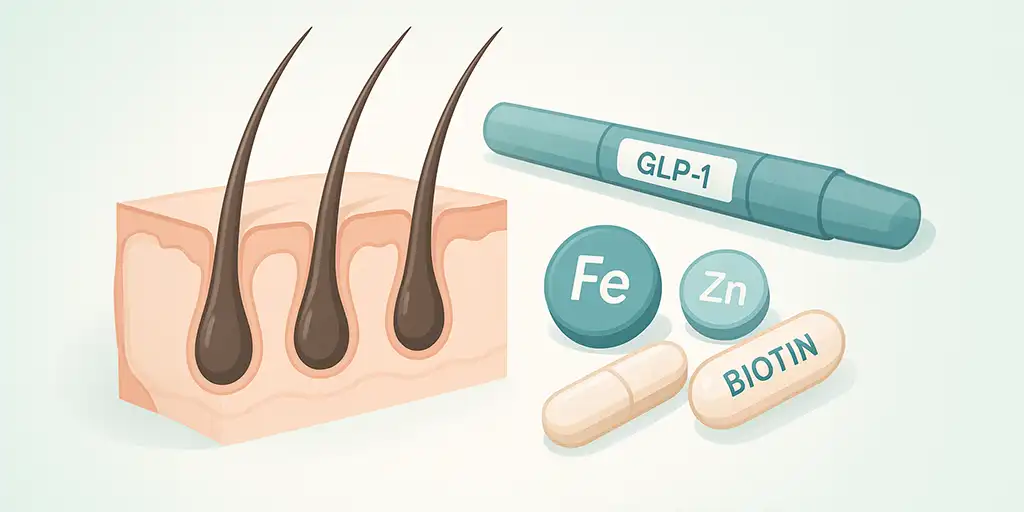
Credit: legacyphysicians.care
Steps To Start Your Hair Health Journey
If you want to use exercise and stress management to prevent menopausal hair loss, follow these simple steps:
- Consult with your doctor before starting a new exercise routine, especially if you have health conditions.
- Choose activities that fit your fitness level and interests.
- Set small, clear goals (for example, walking 20 minutes three times a week).
- Add one new stress management technique each week.
- Track your progress and celebrate small wins.
- Adjust your plan as you learn what works best for you.
Change does not happen overnight. If you miss a day or feel discouraged, be gentle with yourself. Every positive step counts, and your efforts will add up over time.
Hair Care Tips During Menopause
Besides exercise and stress control, gentle hair care can protect your strands:
- Use a mild shampoo and a nourishing conditioner.
- Avoid harsh chemical treatments or frequent heat styling.
- Pat your hair dry with a towel instead of rubbing.
- Use a wide-tooth comb to prevent breakage.
- Consider a silk pillowcase to reduce friction at night.
If your scalp is dry or itchy, try using a gentle, fragrance-free oil once a week. Avoid tight hairstyles that pull on your hair, as this can cause traction alopecia (hair loss from pulling).
When To See A Specialist
If you notice sudden, severe, or patchy hair loss, or if you have other symptoms like fatigue or weight changes, see a doctor. Sometimes hair loss is due to conditions like thyroid disease, iron deficiency, or autoimmune issues. A dermatologist or trichologist (hair specialist) can help diagnose and treat the problem.
Your doctor may run blood tests, check your scalp, or suggest treatments such as topical solutions, medications, or even light therapy. Early diagnosis and treatment can often prevent further hair loss.
Frequently Asked Questions

Credit: hairgp.co.uk
What Type Of Exercise Is Best For Menopausal Hair Loss?
Aerobic activities like walking, swimming, and cycling are best for improving blood flow to the scalp and reducing stress. Yoga and Pilates are also helpful because they combine physical movement with relaxation. Strength training supports hormone balance. The most important thing is to choose an activity you enjoy and do it regularly.
How Soon Will I See Results From Exercise And Stress Management?
Most women notice less hair shedding and improved hair thickness in about three to six months of regular exercise and stress control. Hair grows slowly, so patience is key. Consistency with your new habits will bring the best results.
Can Stress Alone Cause Permanent Hair Loss During Menopause?
Severe or long-term stress can trigger hair shedding (telogen effluvium), but this type of loss is usually temporary. Hair often grows back once stress is controlled. However, if there are other factors, like genetics or illness, hair loss may last longer.
Do Supplements Help With Menopausal Hair Loss?
Supplements can help if you are deficient in nutrients like iron, vitamin D, or biotin. However, too much of some vitamins can cause problems. It’s best to get nutrients from food and talk to a doctor before starting supplements.
Where Can I Find More Information About Menopause And Hair Loss?
The North American Menopause Society and the American Academy of Dermatology offer detailed resources. For in-depth research, see the National Institutes of Health website.
Taking control of your hair health during menopause is possible. By combining regular exercise, effective stress management, and gentle hair care, you can protect your hair and boost your confidence. Remember, progress takes time—be patient with yourself, and celebrate each step forward.