

High Porosity Hair And Frizz: Humidity Defense Strategies
If your hair feels rough, dries quickly, and frizzes easily—especially in humid weather—you might have high porosity hair. High porosity means your hair absorbs moisture fast but also loses it just as quickly. This can make your hair look frizzy, dull, and hard to manage. Humidity makes things worse, causing the cuticles to swell and frizz even more. Many people struggle to control their hair, but few know how to defend against humidity the right way. In this guide, you’ll learn how high porosity hair works, why it frizzes, and the most effective ways to protect it from humid conditions. You’ll find practical tips, product choices, and science-backed strategies that go beyond basic advice. Whether your hair is curly, wavy, or straight, these insights will help you keep it smooth and healthy—even on the most humid days.
Understanding High Porosity Hair
High porosity hair has unique traits that set it apart from other hair types. The cuticle layer—the outer part of the hair shaft—is raised or has gaps, making it easier for moisture and chemicals to enter and leave. This structure affects how your hair reacts to weather, products, and styling.
Unlike low porosity hair, which has tightly closed cuticles, high porosity hair lets water and products in and out very quickly. This can be a blessing when applying moisturizing treatments, but a problem when it comes to holding onto that moisture.
Hair can feel dry, brittle, and seem impossible to keep smooth. The structure also means high porosity hair is often more sensitive to environmental changes.
Causes Of High Porosity
- Genetics: Some people are born with high porosity hair. It’s more common in curly and coily hair types.
- Chemical treatments: Coloring, relaxing, or bleaching can damage the cuticle, increasing porosity.
- Heat styling: Frequent use of flat irons, curling irons, or blow dryers can raise the cuticle.
- Environmental factors: Sun exposure, wind, and pollution can wear down the hair’s protective layer.
Even simple things like swimming in chlorinated pools or spending a lot of time outdoors can slowly wear away the cuticle, making hair more porous over time. If you notice your hair reacting differently after years of styling or exposure, your porosity may have changed.
Characteristics Of High Porosity Hair
- Absorbs water and products quickly
- Dries fast after washing
- Prone to frizz and breakage
- Looks dull or rough
- Tangles easily
A simple test: Drop a clean strand of hair into a glass of water. If it sinks quickly, you probably have high porosity hair.
It’s also common for high porosity hair to feel rough along the strand when you run your fingers down it. You may notice that no matter how much conditioner you use, your hair gets dry or frizzy within hours.
Why Humidity Causes Frizz
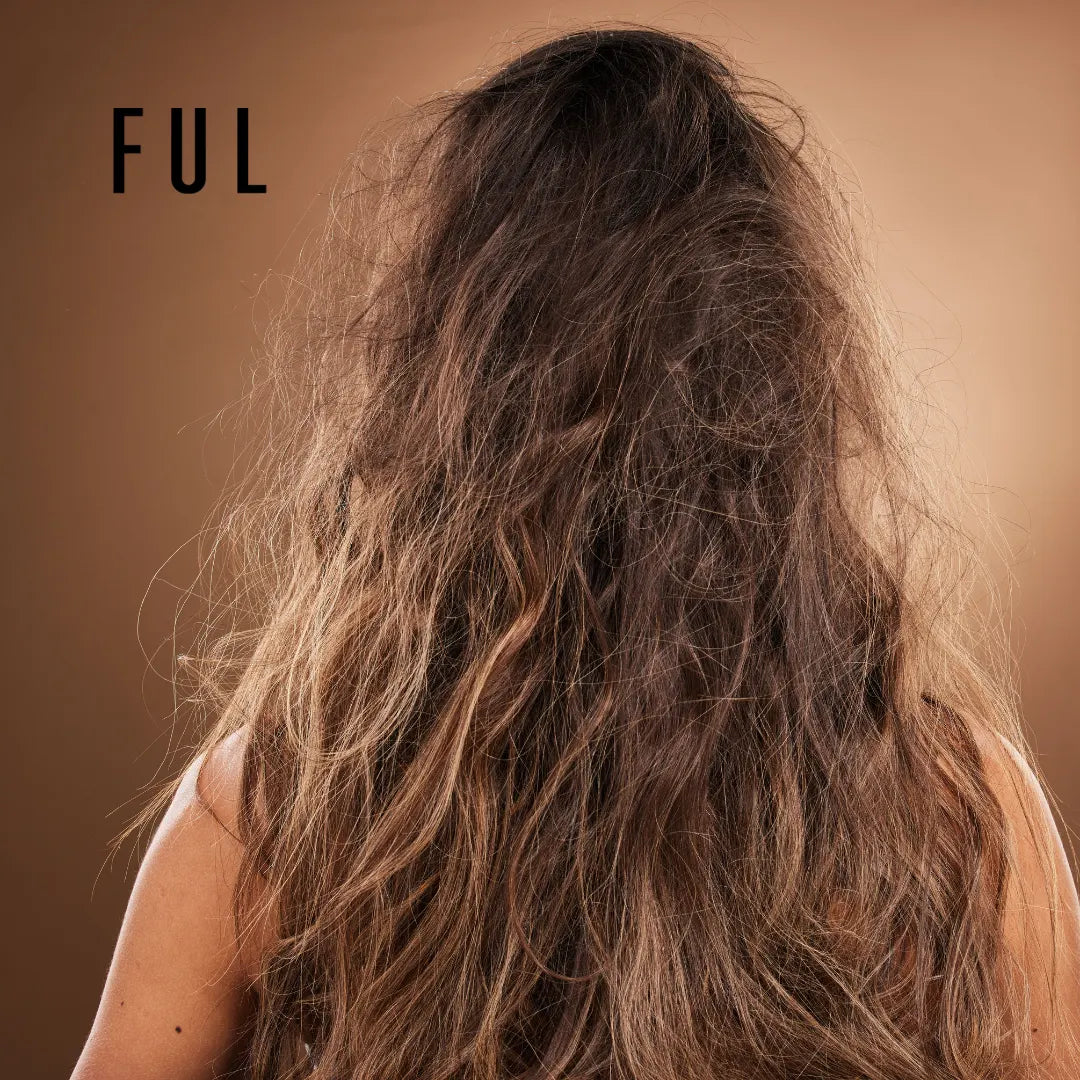
High porosity hair has open cuticles. When the air is humid, water vapor enters the hair shaft easily. The hair swells, and the cuticles lift even more, making the surface uneven. This leads to frizz—hair that sticks out, loses shape, and feels rough.
Research shows that humidity can increase frizz by up to 80% in high porosity hair compared to low porosity hair. The raised cuticle lets moisture in and out, so your hair keeps changing shape as the weather changes. This makes it hard to keep a smooth style.
When your hair absorbs moisture from the air, the shaft swells in some places but not others. This uneven swelling causes some hairs to curl outwards or upwards, creating that classic “halo” of frizz. The effect is even more noticeable for those with curls or waves, as each strand reacts differently to the extra moisture.
How Humidity Affects High Porosity Hair
Humidity is the level of water vapor in the air. When humidity rises, hair absorbs moisture from the environment, especially if it’s porous. This process has several effects:
- Swelling: Hair strands expand and lose their natural shape.
- Frizzing: Cuticles open more, causing individual hairs to separate.
- Loss of definition: Curls and waves lose their pattern.
- Breakage: Hair becomes weak and snaps easily.
Studies from the International Journal of Cosmetic Science show that hair in high humidity absorbs up to 30% more water, which directly leads to frizz and breakage.
Humidity can also affect the way products work. For example, a styling cream that smooths hair on dry days might actually attract more moisture to your hair on a humid day, making the problem worse. The science behind this is called “hygroscopicity”—the ability of a substance (like hair) to absorb water from the air.
Example: Curly Hair In Humidity
Curly hair is often high porosity. After washing, it feels soft and defined. But on humid days, curls lose their shape, frizz appears, and tangles increase. If you’ve ever tried to style your hair in summer and ended up with a mess, humidity is likely the cause.
Even if you spend time carefully defining your curls, humid air can undo your work in minutes. The extra moisture causes some curls to stretch out and others to shrink, leading to a mix of textures and lots of frizz.
Non-obvious Insight
Many believe only rain causes frizz, but indoor humidity (like steamy bathrooms or kitchens) can trigger frizz too. It’s not just the weather—any moisture in the air can affect your hair. Even using a humidifier in your bedroom can change how your hair behaves overnight.
Daily Care Routines For High Porosity Hair
Taking care of high porosity hair means focusing on moisture retention and cuticle protection. Here are the most effective daily routines:
Gentle Cleansing
- Use sulfate-free shampoos. Sulfates strip away natural oils and open the cuticle even more.
- Wash less often—2 to 3 times a week is enough for most people.
Washing less helps your scalp’s natural oils coat the hair, providing some natural defense against humidity. If your scalp gets oily between washes, try rinsing with water or using a gentle, sulfate-free co-wash.
Conditioning
- Apply a deep conditioner every wash. Look for formulas with proteins, oils, and butters.
- Use a leave-in conditioner. This adds extra moisture and helps seal the cuticle.
Deep conditioners with ingredients like hydrolyzed protein, keratin, or silk can help rebuild the hair shaft temporarily, making it less prone to frizz. Leave-in conditioners are especially important after you wash, as they form a barrier against humidity.
Detangling
- Use wide-tooth combs or fingers. Avoid brushes that snag and break hair.
- Detangle when hair is wet and coated with conditioner.
Detangling gently prevents breakage and keeps the cuticle smoother. Start from the ends and work up to the roots to avoid pulling.
Drying Techniques
- Avoid towel rubbing. Instead, use a microfiber towel or cotton T-shirt to gently squeeze out water.
- Air dry whenever possible. Heat styling increases porosity.
Microfiber towels are much gentler than regular towels and help prevent frizz by reducing friction. If you must use a blow dryer, use a diffuser on a cool setting.
Styling
- Use lightweight, non-alcohol gels or creams to define curls and reduce frizz.
- Avoid heavy waxes—they can weigh down the hair and block moisture.
Lightweight gels and creams can help hold your style without making hair crunchy or greasy. Look for products with humidity-blocking ingredients like polyquaterniums or silicones (if you don’t mind using them).
Non-obvious Insight
Many skip leave-in conditioners thinking they make hair greasy. But for high porosity hair, leave-ins are essential to lock in moisture and prevent frizz. If you’re worried about heaviness, try a spray formula or dilute your cream leave-in with water before applying.
Best Products For High Porosity Hair In Humid Conditions
Choosing the right products is key to defending against humidity. The best options focus on moisture retention and cuticle sealing.
Moisturizing Shampoos And Conditioners
Look for formulas with:
- Hydrolyzed proteins (keratin, silk, wheat): Repair gaps in the cuticle
- Shea butter, coconut oil, argan oil: Seal moisture
- Glycerin: Attracts moisture (in low humidity), but can cause frizz in high humidity—use carefully
Some people with high porosity hair find that alternating between a protein-rich conditioner and a moisture-rich conditioner helps maintain balance. Try using a protein conditioner once a week and a moisturizing one for regular washes.
Leave-in Conditioners
These products form a protective layer. Choose:
- Cream-based leave-ins for thick, curly hair
- Lightweight sprays for fine hair
If you have very thick or tightly curled hair, consider layering a leave-in cream with a light oil for extra protection. Fine hair types may prefer sprays to avoid buildup.
Sealants
- Oils like jojoba, castor, or olive oil: Create a barrier to lock in moisture
- Silicone-based serums: Coat the cuticle and block humidity
Different oils have different weights. For example, argan oil is lightweight and suits most hair types, while castor oil is heavier and best for thick or very dry hair.
Anti-humidity Sprays
These sprays add an extra shield. Apply as the last step after styling.
Some anti-humidity sprays use advanced polymers that flex with your hair, helping to keep it smooth even as you move or touch it. Use sparingly to avoid weighing down your style.
Comparison: Oils Vs. Silicones
Here’s a quick comparison to help you choose the best sealant:
| Sealant Type | Benefits | Drawbacks | Best For |
|---|---|---|---|
| Natural Oils | Moisturizes, nourishes, easy to wash out | Can feel greasy, may weigh down fine hair | Curly, thick, dry hair |
| Silicone Serums | Blocks humidity, smooths cuticle, lightweight | Build-up risk, needs clarifying shampoo | Straight, fine, frizz-prone hair |
Non-obvious Insight
Some anti-humidity sprays contain alcohol, which dries hair further. Always check the ingredient list and choose alcohol-free versions for high porosity hair. Alcohol can sneak into even “moisturizing” sprays, so look for names like “ethanol” or “SD alcohol” and avoid them.
Humidity Defense Strategies
Humidity defense is more than just products. It’s a combination of habits, techniques, and tools. Let’s break down the most effective strategies:
1. Layering Products
Apply products in layers:
- Start with a leave-in conditioner
- Follow with an oil or serum
- Finish with an anti-humidity spray
This “layering” creates multiple barriers, each helping to block humidity.
For best results, apply products to damp (not soaking wet) hair. This helps each layer absorb better and work together to lock in moisture.
2. Protective Hairstyles
Styles like braids, buns, or twists keep hair compact and reduce exposure to humid air. These styles can decrease frizz by up to 60% in high porosity hair, according to studies from the Journal of Dermatology.
You can also try flat twists or cornrows for a sleek look, or a simple top knot if you prefer low-maintenance. Remember to avoid pulling hair too tight, which can cause breakage.
3. Overnight Care
Protect your hair while you sleep:
- Use a silk or satin pillowcase. Cotton absorbs moisture and roughs up the cuticle.
- Wrap hair in a silk scarf or bonnet.
This reduces friction, prevents tangling, and helps hair retain its style overnight. A silk pillowcase is a small investment that can make a big difference in hair health.
4. Avoiding Humidity Traps
- Close windows in humid weather.
- Run air conditioning or dehumidifiers indoors.
- Avoid steam-heavy environments when possible.
If you must cook or shower, tie hair up and cover with a scarf or shower cap. Even a few minutes in a steamy room can undo your styling efforts.
5. Humidity-proof Styling
- Use heat styling sparingly. If you must, always apply a heat protectant.
- Avoid water-based styling products on humid days.
Water-based products can re-open the cuticle and attract more moisture from the air, making frizz worse. Save them for dry days or use only a small amount.
6. Regular Trims
Trim ends every 6–8 weeks. Split ends make the cuticle more open, leading to more frizz.
Regular trims also help prevent tangling and make your hair look healthier overall. If you notice increased split ends, try trimming more often.
7. Diy Masks And Treatments
Use homemade masks with ingredients like avocado, egg, and olive oil. These fill gaps in the cuticle and add protein.
DIY treatments can be tailored to your hair’s needs. For example, add honey for extra moisture or yogurt for gentle protein.
Humidity Defense Strategy Comparison
| Strategy | Effectiveness | Time Required | Best For |
|---|---|---|---|
| Layering Products | Very High | 5–10 mins | Daily styling |
| Protective Hairstyles | High | 10–20 mins | Extended wear |
| Overnight Care | Medium | 1–2 mins | All hair types |
| DIY Masks | Medium | 30–60 mins weekly | Repair treatment |
Non-obvious Insight
Protective styles are not just for long hair. Even short hair can benefit from twists or small braids to reduce frizz. Accessories like headbands or hair wraps can also help shield hair from the air.
Ingredients That Matter
Not all ingredients help high porosity hair. Some make frizz worse, while others provide real defense.
Best Ingredients
- Hydrolyzed protein: Repairs gaps in cuticle.
- Ceramides: Restore natural barrier.
- Shea butter and cocoa butter: Seal moisture.
- Panthenol (Pro-Vitamin B5): Adds shine and smoothness.
Ceramides, in particular, are often overlooked but are critical for strengthening the hair’s protective layer and helping the cuticle lay flat. Panthenol attracts moisture to the inner hair shaft but helps keep the cuticle smooth.
Ingredients To Avoid
- Alcohols: Dry out hair, increase frizz.
- Sulphates: Strip natural oils.
- Parabens: Can irritate the scalp.
Some hair products contain “fatty alcohols” like cetyl or stearyl alcohol, which are actually moisturizing. It’s the short-chain, drying alcohols (like ethanol) that should be avoided.
Example: Hydrolyzed Protein
Hydrolyzed protein is broken down to a small size, so it can enter hair and patch up damaged cuticles. This helps block humidity and reduce frizz.
If your hair feels limp or mushy, it may be overloaded with moisture and need a protein boost. On the other hand, if it feels stiff or straw-like, you may need more moisture.
Ingredient Comparison
| Ingredient | Benefit | Best Use |
|---|---|---|
| Hydrolyzed Protein | Repairs, strengthens | Weekly treatments |
| Ceramides | Restores barrier | Daily leave-ins |
| Shea Butter | Locks moisture | Styling creams |
| Alcohols | Dries hair | Avoid for high porosity |
Non-obvious Insight
Some “natural” products use drying alcohols. Always check the full ingredient list, not just marketing claims. Even trusted brands sometimes use alcohol to help products dry quickly.
Credit: fullondon.com
Common Mistakes With High Porosity Hair
Many people make mistakes that increase frizz and damage. Avoid these to protect your hair:
- Skipping protein treatments: Without protein, cuticles stay open and hair loses strength.
- Over-washing: Washing daily strips oils and makes hair more porous.
- Using hot water: Hot water opens cuticles—use lukewarm or cool water instead.
- Heavy products: Butters and oils can weigh down fine hair and make it look greasy.
- Ignoring regular trims: Split ends worsen porosity and frizz.
Another mistake is not rinsing out conditioner thoroughly. Leftover residue can attract more humidity and cause build-up.
Example: Product Build-up
High porosity hair absorbs products fast. Too much layering, without clarifying, can lead to sticky, dull hair. Use a gentle clarifying shampoo every 2–4 weeks.
If your hair feels heavy, limp, or doesn’t respond to styling, product build-up may be the cause. Clarifying helps reset your hair and lets your regular products work better.
Weather-proofing Your Hair: Tips For Different Climates
Humidity is not the same everywhere. Adjust your routine based on your local climate:
Tropical (hot And Humid)
- Use lighter oils and serums.
- Wear protective styles more often.
- Avoid glycerin-heavy products.
Humidity can be extreme in tropical climates, so focus on sealing the cuticle and keeping styles tight. Consider rinsing hair with cool water before styling to help close the cuticle.
Temperate (moderate Humidity)
- Balance moisture and protein.
- Use anti-humidity sprays only on rainy days.
In temperate climates, humidity levels can change quickly. Keep a travel-sized anti-humidity spray for unexpected weather.
Dry Or Desert (low Humidity)
- Use glycerin-based products to attract moisture.
- Focus on deep conditioning.
When the air is dry, your hair needs help holding onto water. Seal in moisture with a heavier oil after deep conditioning.
Urban Environments
- Pollution increases cuticle damage. Use clarifying shampoos monthly.
- Wear hats or scarves to shield hair from city air.
Air pollution can break down hair’s protective barrier, making it more porous. A simple scarf or wide-brimmed hat can block both pollution and humidity.
Non-obvious Insight
Humidity changes indoors and outdoors. If you travel between air-conditioned rooms and humid streets, your hair needs extra protection—consider carrying a small bottle of anti-humidity spray. Switching climates suddenly can cause hair to frizz or fall flat, so adjust your routine as you move through your day.
Science Behind Humidity Defense
Humidity defense is not just about products—it’s about understanding how hair reacts to water.
- Cuticle sealing: Closed cuticles block moisture entry.
- Hydrophobic barriers: Oils and silicones create a water-repellent surface.
- Protein reinforcement: Proteins fill cuticle gaps so water can’t get in.
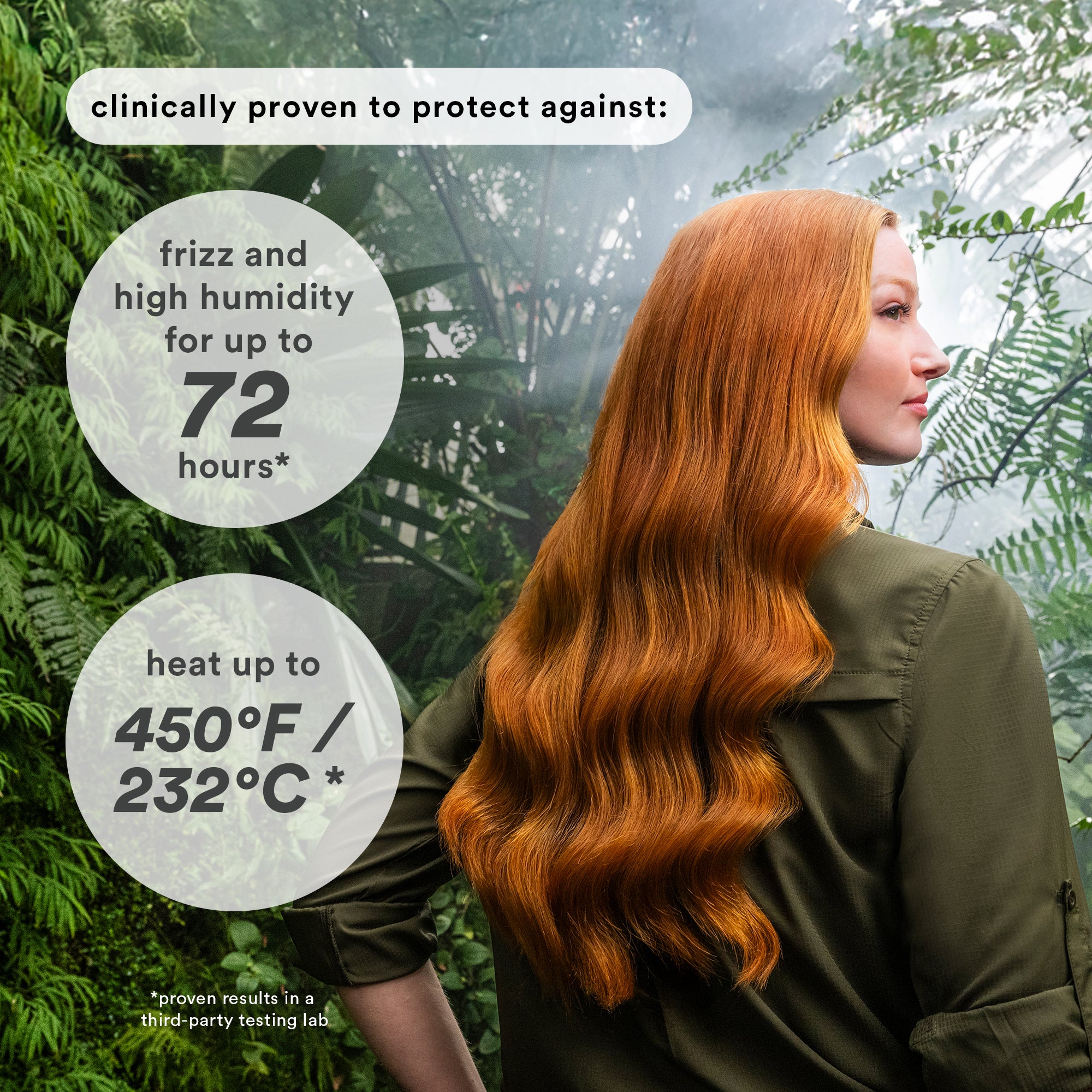
Research from the American Academy of Dermatology shows that using a combination of protein, oil, and silicone can reduce frizz by up to 70% in high porosity hair.
The science also shows that hair acts like a sponge. When the cuticle is damaged, it’s full of holes. Protein repairs those holes, oils cover them, and silicones act as a shield.
Example: Silicone Shield
Silicone molecules are larger than water. They sit on the hair surface and block water vapor, keeping hair smooth even in high humidity.
Some modern silicones are water-soluble, so they’re easier to wash out and less likely to cause build-up. Look for ingredients like “dimethicone copolyol” if you want a gentler option.
Diy Humidity Defense Recipes
If you prefer natural solutions, try these easy recipes:
1. Avocado & Egg Mask
- 1 ripe avocado
- 1 egg
- 1 tbsp olive oil
Mash together, apply to damp hair, leave for 30 minutes, rinse with cool water. This fills cuticle gaps and adds protein.
Avocado is rich in natural oils, while egg adds protein to strengthen the hair. Olive oil helps seal everything in.
2. Aloe Vera Leave-in
- 2 tbsp aloe vera gel
- 1 tbsp coconut oil
Mix and apply to hair ends. Aloe vera smooths cuticles, coconut oil seals moisture.
Aloe vera is especially helpful for calming frizz and soothing itchy scalps.
3. Apple Cider Vinegar Rinse
- 1/4 cup apple cider vinegar
- 2 cups water
After shampoo, pour over hair, leave for 2–3 minutes, rinse. This closes cuticles and reduces frizz.
Vinegar helps restore your scalp’s natural pH, which can be thrown off by hard water or product build-up.
Practical Tip
Always patch test before using DIY treatments. Some ingredients can irritate sensitive scalps. If you’re new to DIY, start with a small amount and see how your hair reacts.
Credit: www.alibaba.com
Professional Treatments And Salon Solutions
Sometimes home routines are not enough. Professional treatments can help:
Keratin Treatments
Keratin fills cuticle gaps and smooths the hair. These treatments can last 2–3 months and reduce frizz by up to 80%.
Keratin treatments work by bonding proteins to your hair’s surface, creating a smooth shield. However, they often use heat and chemicals, so ask your stylist about gentler versions if your hair is fragile.
Olaplex And Bond Builders
These repair broken bonds inside the hair shaft. They strengthen hair and decrease porosity.
Bond builders are especially helpful for hair that’s been chemically treated, bleached, or heat-styled often.
Deep Conditioning
Salons offer deep conditioning with steam, oils, and proteins. This penetrates deeply and locks in moisture.
Steam treatments open the cuticle slightly, allowing nourishing ingredients to get inside, then seal the cuticle as the hair cools.
Cautions
Some salon treatments use strong chemicals. Ask your stylist for details and choose gentle options for high porosity hair.
Always do a strand test before committing to a new professional treatment, especially if your hair is already fragile.
Non-obvious Insight
Professional treatments work best when supported by good home care. Don’t rely only on salons—daily routines matter most. Think of salon treatments as a boost, not a cure-all.
Lifestyle Habits That Help
Small changes in your daily life can protect your hair from humidity:
- Drink more water: Hydrated bodies produce healthier hair.
- Eat protein-rich foods: Eggs, nuts, and fish support hair strength.
- Reduce stress: Stress hormones weaken hair and increase frizz.
- Wear hats or scarves: Physical barriers shield hair from humid air.
Other helpful habits include protecting your hair during workouts (sweat can increase frizz) and minimizing sun exposure, which can dry out and damage the cuticle.
Practical Example
Carry a silk scarf in your bag. If the weather turns humid, wrap your hair to instantly protect it. This trick works for unexpected rain or even a quick walk through a steamy street.
Credit: caen.verbproducts.com
How To Build Your Own Humidity Defense Routine
Every head of hair is unique. Here’s how to create a routine that works for you:
- Assess your porosity: Do the water test or ask a stylist.
- Choose the right products: Pick sulfate-free shampoo, protein conditioner, leave-in, and sealant.
- Layer your products: Always start with moisture, then seal, then shield.
- Pick protective styles: Find styles you like and can do quickly.
- Adjust for climate: Change products if you travel or seasons change.
- Track results: Keep a hair journal—note what works and what doesn’t.
Experiment with different combinations to see what helps your hair most. Don’t be afraid to swap products or methods if your hair’s needs change.
Example Routine
- Wash with sulfate-free shampoo twice a week.
- Deep condition weekly with protein treatment.
- Use leave-in conditioner after every wash.
- Seal with lightweight oil.
- Style in braids or twists on humid days.
- Sleep on silk pillowcase.
Adjust the order, amount, or frequency based on your hair’s thickness, texture, and how it reacts to humidity.
Latest Research And Innovations
Science keeps improving hair care. New products and methods are emerging:
- Nanoemulsions: Smaller particles penetrate the cuticle, offering better frizz control.
- Peptide-based conditioners: Repair hair at the molecular level.
- Smart anti-humidity sprays: Adjust their barrier based on humidity levels.
A recent study from the Journal of Cosmetic Science found peptide conditioners reduced humidity-related frizz by 50% compared to traditional products.
Some brands now use botanical extracts like bamboo or rice water, which help strengthen hair without heavy build-up. Keep an eye out for these innovations as they become more common in stores.
External Resource
For more scientific details, visit NIH Cosmetic Science.
Frequently Asked Questions
What Is High Porosity Hair?
High porosity hair has cuticles that are raised or have gaps. This means the hair absorbs moisture easily but also loses it fast. It often feels rough, dries quickly, and is prone to frizz and breakage.
How Can I Tell If My Hair Is High Porosity?
You can do a simple water test. Drop a clean hair strand into a glass of water. If it sinks quickly, your hair is likely high porosity. Other signs include fast drying after washing and constant frizz.
Will Humidity Always Make High Porosity Hair Frizzy?
Humidity increases frizz in high porosity hair because open cuticles let moisture in and out. But using the right products, layering techniques, and protective styles can reduce frizz by up to 70–80%.
Are Silicone-based Products Safe For High Porosity Hair?
Silicone products are safe when used in moderation. They create a barrier that blocks humidity. However, they can build up over time, so use a clarifying shampoo every few weeks.
Can I Fix High Porosity Hair Permanently?
You can improve the condition of high porosity hair with protein treatments, oils, and good care. But some porosity is genetic or caused by irreversible damage. The goal is to manage and defend, not completely change porosity.
Keeping high porosity hair smooth in humid weather is possible with the right care, smart product choices, and a few lifestyle habits. Understanding your hair’s needs and defending against humidity can make a huge difference. Try these strategies, adjust your routine, and enjoy healthier, frizz-free hair—even when the air is thick with moisture.