

When you walk outside on a humid day, you can almost feel your hair reacting. Sometimes it puffs up, sometimes it falls flat, and sometimes it simply won’t cooperate. If you’ve ever wondered why your hair changes so much with the weather, the answer often lies in hair porosity—a hidden but powerful trait. And when you add climate, especially humidity, into the mix, you unlock a whole new world of hair science. Understanding how hair porosity and climate interact is the key to better hair days, no matter where you live or travel.
What Is Hair Porosity?
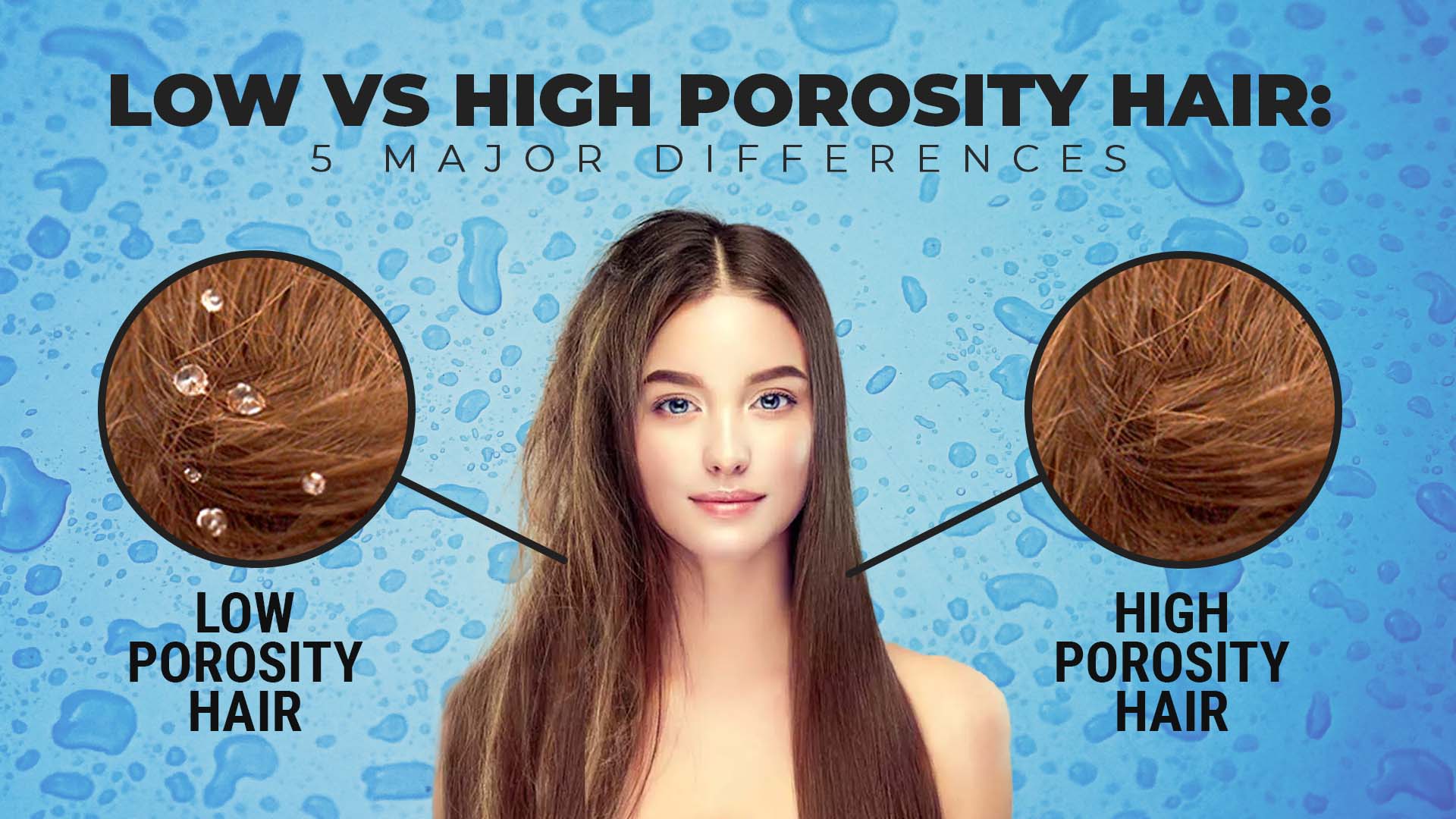
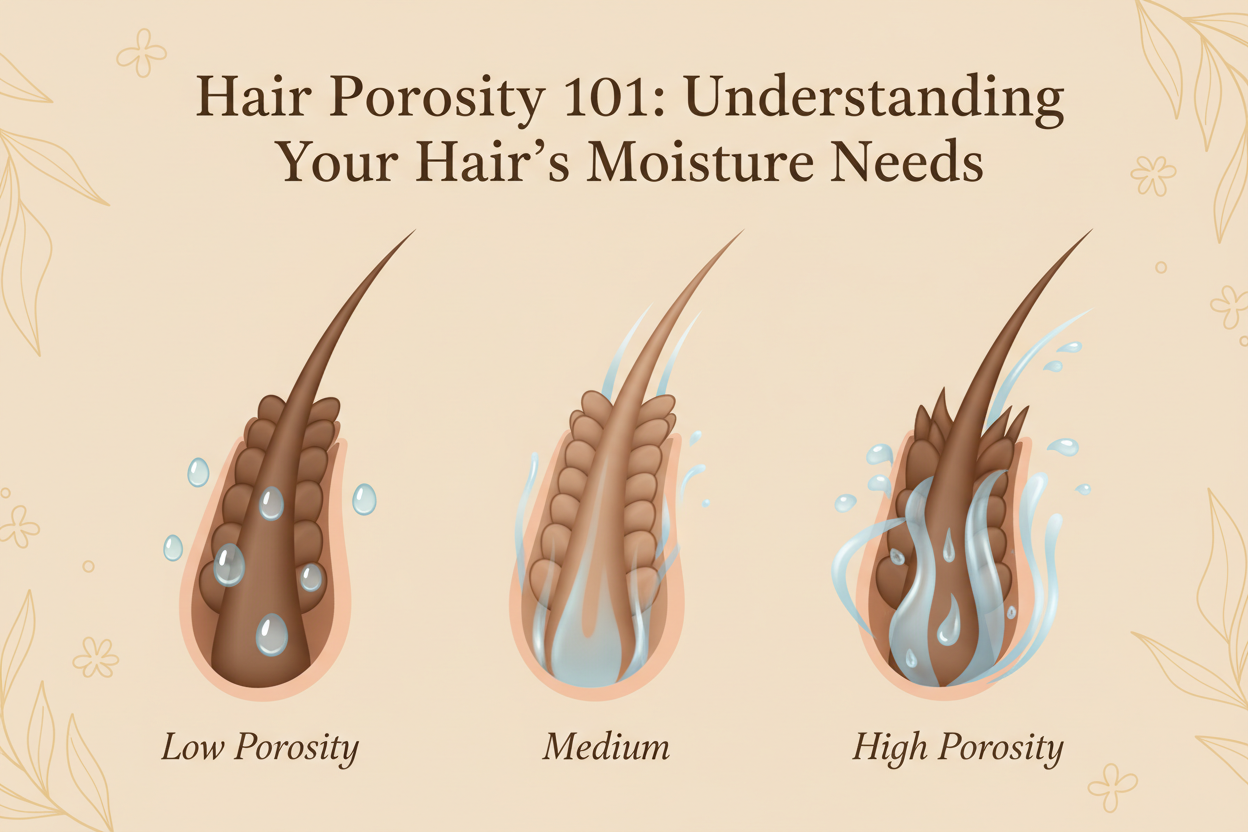
Hair porosity is the ability of your hair to absorb and keep moisture. It depends on how open or closed the outer layer of your hair—the cuticle—is. Think of the cuticle as shingles on a roof. If they’re flat and smooth, water has a hard time getting in or out. If they’re raised or broken, water moves in and out easily.
There are three main types of hair porosity:
- Low porosity: Cuticles are tightly packed. Hair resists moisture, both in and out.
- Medium (normal) porosity: Cuticles are slightly open. Hair easily accepts and holds moisture.
- High porosity: Cuticles are wide open or damaged. Hair absorbs moisture quickly but loses it just as fast.
Each type has its own strengths and challenges. People often don’t realize that porosity can matter more than hair texture or curl pattern when it comes to moisture and frizz.
How Does Humidity Affect Hair?
Humidity is the amount of water vapor in the air. When humidity rises, the air holds more moisture. This extra moisture tries to move into or out of your hair depending on the difference between your hair’s moisture and the air’s.
Here’s what typically happens:
- If your hair is dry and the air is humid, water moves into your hair, making it swell.
- If your hair is wet and the air is dry, water leaves your hair, making it feel rough or brittle.
This movement is called osmosis. Hair is like a sponge, and humidity changes control how much water it absorbs or releases. That’s why your hair can feel totally different in summer than in winter, or in a tropical climate compared to a dry, cold one.
The Science Behind Hair Structure And Porosity
Your hair’s structure is made of several layers, but the most important for porosity is the cuticle. This is a thin, transparent layer made of overlapping cells. How these cells are arranged and whether they are damaged or smooth tells you how porous your hair is.
- Low porosity hair: Cuticles lay flat and overlap tightly. Moisture and oils have a hard time entering, but once inside, they stay put.
- High porosity hair: Cuticles are raised, open, or even broken. Moisture gets in easily, but it also escapes quickly. Hair can look frizzy or feel rough.
Porosity is often genetic, but heat, coloring, and chemical treatments can change it over time. For example, frequent bleaching damages the cuticle, leading to higher porosity.
How To Test Your Hair Porosity
Many people don’t know their porosity level. Luckily, you can test it at home. Here are two popular methods:
- The Float Test: Take a clean strand of hair and drop it in a glass of water. Wait 3-5 minutes.
- If it floats, you likely have low porosity.
- If it sinks slowly, you likely have medium porosity.
- If it sinks quickly, you likely have high porosity.
- The Slip and Slide Test: Hold a strand between your fingers. Run your fingers up from the tip to the root.
- If it feels smooth, you probably have low porosity.
- If it feels bumpy, you likely have high porosity.
These tests are not perfect, but they give you a starting point. For a more accurate result, a hair professional can examine your cuticle under a microscope.
The Role Of Climate In Hair Health
Climate isn’t just about temperature. It also includes humidity, wind, sunlight, and pollution. Each part affects your hair in a different way:
- High humidity: Swells hair, causes frizz, and can make styling hard.
- Low humidity: Dries out hair, leads to breakage and static.
- Heat: Can dry or damage hair, especially with strong sunlight.
- Cold: Can make hair brittle and scalp flaky.
No matter your porosity, climate changes force your hair to adjust. But your porosity level determines how your hair reacts and what it needs.
Hair Porosity And Humidity: The Dynamic Relationship
Let’s connect the dots: hair porosity and humidity interact in powerful ways. Here’s how each porosity type responds to humid climates:
Low Porosity Hair In Humid Conditions
Low porosity hair’s cuticle is tight. This makes it resistant to both absorbing and losing moisture. In high humidity, this hair type can:
- Stay smooth and less frizzy, since moisture struggles to enter.
- Take longer to dry after washing because water sits on the surface.
- Become weighed down if heavy products are used, as they can’t easily enter the hair shaft.
But here’s the twist: in very high humidity, even low porosity hair can eventually absorb moisture, leading to puffiness.
Medium Porosity Hair In Humid Conditions
Medium porosity hair is balanced. It adapts well to moisture changes. In humid weather, it:
- Absorbs just enough water to stay hydrated.
- Can become frizzy if exposed for long periods.
- Responds well to most products.
People with medium porosity hair often find their hair easiest to manage, but must still use anti-frizz products in extreme humidity.
High Porosity Hair In Humid Conditions
High porosity hair is like a sponge with holes. In humid climates, it:
- Absorbs moisture quickly, swelling and becoming frizzy.
- Loses shape and definition, especially for curls or waves.
- Feels rough and dries out when humidity drops.
This hair type struggles most with humidity swings. The open cuticle means constant water movement, making consistent care crucial.
Real World Example: Miami Vs. Los Angeles
Imagine two people with high porosity hair. One lives in Miami (hot and humid), the other in Los Angeles (warm but dry). In Miami, the hair will puff up, frizz, and lose shape quickly. In Los Angeles, it may feel dry and brittle, needing extra moisture. Same hair, but climate changes everything.
The Impact Of Humidity On Different Hair Textures
While porosity is key, hair texture (straight, wavy, curly, coily) also plays a part. Let’s see how humidity and porosity together shape the experience:
- Straight hair: Tends to go limp and flat in high humidity, especially if it’s fine and high porosity.
- Wavy hair: May lose definition or become bushy as moisture causes waves to loosen or puff up.
- Curly hair: Prone to frizz and shrinkage, especially if high porosity. Curls can lose their pattern.
- Coily hair: Most sensitive to humidity swings. High porosity coils can expand or tangle, while low porosity coils may resist moisture and stay defined.
It’s the combination of porosity and texture that shapes your hair’s “bad hair day” in different climates.
Why Does Humidity Cause Frizz?
Frizz happens when the cuticle lifts and lets in moisture unevenly. Imagine a rope with loose threads—moisture gets in, swells the strands, and makes them separate. This uneven swelling is worse in high porosity hair, but even low porosity hair can frizz if the humidity is high enough or the cuticle is disturbed.
Key reasons for frizz in humidity:
- Porosity mismatch: Hair absorbs water at different rates, leading to uneven swelling.
- Damaged cuticle: Gaps let moisture in suddenly, making hair puff up.
- Lack of moisture balance: Dry hair grabs water from the air too quickly.
Understanding this helps you choose the right products and routines.
Hair Care Tips For Every Porosity Type In Humid Weather
To get the best hair days in any climate, tailor your routine to your porosity level. Here’s how:
For Low Porosity Hair
- Use lightweight products that won’t sit on the surface.
- Apply heat (like warm water or a warm towel) to help open the cuticle when deep conditioning.
- Avoid protein overload, which can make hair stiff.
- Clarify regularly to remove product build-up.
For Medium Porosity Hair
- Balance moisture and protein treatments.
- Seal with lightweight oils to lock in moisture.
- Protect from excessive humidity with anti-frizz serums.
For High Porosity Hair
- Use heavier creams and butters to fill in cuticle gaps.
- Layer products: Leave-in conditioner, cream, then oil (“LOC method”).
- Avoid harsh sulfates that strip natural oils.
- Rinse with cool water to help close the cuticle.
- Limit heat styling and chemical treatments to prevent more damage.
How To Create A Humidity-proof Hair Routine
A routine that fights humidity starts with porosity knowledge. Here’s a step-by-step example for each type:
Low Porosity Routine
- Wash with lukewarm water to gently open cuticles.
- Use a light, water-based leave-in conditioner.
- Style with a small amount of gel or mousse.
- Finish with a light spray of anti-humidity product.
Medium Porosity Routine
- Alternate between moisturizing and strengthening treatments.
- Use a curl cream or leave-in conditioner.
- Seal with a light oil.
- Finish with an anti-frizz spray.
High Porosity Routine
- Pre-treat with oil to protect cuticles.
- Wash with a gentle, sulfate-free shampoo.
- Use a rich, hydrating deep conditioner.
- Apply leave-in conditioner, then cream, then oil (LOC).
- Finish with a silicone-based serum for extra protection.
The Role Of Ingredients: What Works Best In Humidity?
Some ingredients work better in humid weather, depending on your porosity. Here’s a guide:
- Humectants (like glycerin, honey): Attract water from the air. Great for low porosity in moderate humidity, but can cause frizz in very high humidity for high porosity hair.
- Oils and butters (like shea butter, coconut oil): Seal moisture in. Best for high porosity hair.
- Silicones (like dimethicone): Form a barrier against humidity. Useful for all types, but can build up over time.
- Proteins (like keratin): Strengthen hair. Important for high porosity, but too much can stiffen low porosity hair.
Choosing the right mix is key to managing frizz and keeping hair healthy in any climate.
Common Mistakes When Caring For Hair In Humidity
Even with the best intentions, some habits can make things worse:
- Overusing heavy products on low porosity hair, leading to build-up.
- Skipping regular clarifying washes, leaving residue that attracts moisture.
- Using too much protein on low or medium porosity hair, causing stiffness.
- Ignoring cuticle health in high porosity hair by skipping deep conditioning.
- Using hot water only, which can keep the cuticle open and increase frizz.
Avoiding these mistakes helps you make the most of your routine.

Credit: www.lemon8-app.com
The Impact Of Humidity On Colored And Chemically Treated Hair
If you color, bleach, perm, or straighten your hair, you almost always increase your hair’s porosity. Chemically treated hair:
- Absorbs moisture quickly, leading to swelling and breakage.
- Needs extra sealing and protection in humid weather.
- Is more likely to fade or change color in sun and humidity.
These hair types benefit from bond-building treatments and products that shield from environmental stress.
Traveling With Different Porosity Hair
When you move from one climate to another, your hair may react in surprising ways. For example:
- Going from a dry climate to a humid one can make low porosity hair frizzy for the first time.
- High porosity hair may feel better in moderate humidity but become uncontrollable in tropical areas.
Tip: Always bring a few products for sealing and clarifying. Mini sizes of your favorite leave-in, oil, and anti-humidity spray can be a lifesaver.
Data: How Humidity Affects Hair Moisture Retention
To understand how hair porosity affects water absorption in different climates, see this comparison:
| Porosity Type | Moisture Absorption (Low Humidity) | Moisture Absorption (High Humidity) |
|---|---|---|
| Low Porosity | Slow | Moderate (after long exposure) |
| Medium Porosity | Moderate | High |
| High Porosity | Fast (but loses moisture quickly) | Very High (swelling and frizz risk) |
This shows why the same routine doesn’t work everywhere or for everyone.
Comparing Hair Product Types For Humid Climates
Choosing the right products can make or break your hair routine in humid weather. Here’s a comparison:
| Product Type | Best for Porosity | Humidity Protection | Drawbacks |
|---|---|---|---|
| Lightweight Leave-in Conditioner | Low, Medium | Moderate | May not seal enough for high porosity |
| Heavy Creams/Butters | High | High | Can weigh down fine hair |
| Silicone Serums | All Types | Excellent | Build-up risk, may need clarifying shampoo |
| Humectant Gels | Low, Medium | Good in moderate humidity | Can cause frizz in very high humidity |
This table helps you match products to your hair’s needs and climate.
Non-obvious Insights: What Most Beginners Miss
- Porosity can change over time. Many people believe their hair’s porosity is fixed, but it can shift with age, health, or after chemical treatments. Always retest if your hair’s behavior suddenly changes.
- Humidity protection is about balance, not blocking. Trying to completely block out moisture often leads to flat or stiff hair. Instead, focus on balancing how much your hair absorbs and releases.
- Low porosity hair needs moisture too. Many assume that low porosity hair doesn’t need hydration, but it can become dry and brittle if ignored—especially in dry climates.
- Your scalp can have a different porosity than your ends. Roots are often lower porosity, while ends (especially if colored or damaged) are higher porosity.
- Hard water and pollution can mimic humidity effects. Mineral build-up or urban pollution can make hair act as if it’s in high humidity, even when the air is dry.
Adapting Your Routine Throughout The Year
Climate changes with the seasons, so your hair routine should too. For example:
- Summer: Higher humidity means more frizz-fighting and sealing.
- Winter: Low humidity requires more hydration and gentle cleansing to avoid dryness.
- Spring/Fall: Transition periods often mean unpredictable weather, so have a flexible routine ready.
Tip: Track your hair’s behavior in a journal. Note what products work best in each season or city.
Protective Hairstyles And Accessories
Humidity can ruin hours of styling, but protective hairstyles help keep moisture balanced and cut down on frizz. Examples include:
- Braids (box braids, cornrows)
- Twists
- Buns
- Pineappling (for curls and coils)
Accessories like silk or satin scarves, bonnets, and pillowcases also reduce friction, which helps the cuticle stay smooth.
How To Read Hair Product Labels For Humidity Care
Many products now mention “humidity resistance” or “anti-frizz,” but what really matters is the ingredient list. Look for:
- Silicones for sealing (dimethicone, cyclopentasiloxane)
- Humectants (glycerin, propylene glycol, honey)
- Oils and butters (shea, argan, coconut)
- Proteins (hydrolyzed keratin, silk protein)
Avoid heavy waxes or petrolatum unless your hair is very high porosity and thick, as these can weigh down and attract dirt.
Professional Treatments For Humidity Control
Salon treatments can help manage porosity and humidity effects:
- Keratin treatments: Temporarily smooth cuticles, reducing frizz.
- Deep conditioning treatments: Add moisture and protein.
- Bond builders (like Olaplex): Repair broken bonds in damaged, high porosity hair.
These are especially helpful if you live in a very humid or unpredictable climate.
The Psychological Impact: Why Hair And Weather Affect Confidence
Many people underestimate how much hair and climate affect self-esteem. A sudden change in weather can ruin a hairstyle and confidence along with it. Understanding your hair’s porosity and the role of humidity gives you control—and more good hair days.
Credit: theradome.com
Real-world Data: Humidity And Frizz Complaints
According to a survey by the International Journal of Cosmetic Science, over 60% of people report more frizz and styling problems in humid climates. Women with curly or high porosity hair are most affected. This backs up the need for porosity-aware routines.
New Research: Future Of Hair Care And Climate
Scientists are developing smart products that adjust to humidity and even “close” the cuticle on demand. Materials that respond to water vapor will soon be in shampoos and conditioners. To learn more, see the latest studies at PubMed Central.
Credit: theorganibrands.com
Key Takeaways For Managing Hair In Humid Climates
- Know your porosity: Test regularly, especially after treatments.
- Adapt your products: Match ingredients to your porosity and climate.
- Seal in moisture: Use the LOC method or anti-humidity serums as needed.
- Protect your style: Use accessories and protective hairstyles.
- Stay flexible: Change your routine with the seasons and your location.
Mastering these steps means fewer bad hair days, even when the weather tries to ruin your plans.
Frequently Asked Questions
What Is The Fastest Way To Determine My Hair Porosity?
The quickest method is the float test: Place a clean hair strand in a glass of water. If it floats for several minutes, your hair is likely low porosity. If it sinks fast, it’s high porosity. For best results, combine this with the slip and slide test, and ask a professional if you’re unsure.
Can I Change My Hair’s Porosity?
You can’t completely change your natural porosity, but you can improve your hair’s health. Chemical treatments, heat, and coloring can increase porosity by damaging the cuticle. Proper care, regular deep conditioning, and bond-building treatments help reduce porosity problems, but the basic level is genetic.
Why Does My Hair Get So Frizzy When I Travel?
Travel often means a sudden change in climate and humidity. If your routine and products don’t match the new environment, your hair will react with frizz, dryness, or limpness. Always bring a few flexible products (leave-in, oil, anti-frizz spray) when traveling.
Are Anti-humidity Hair Products Safe For All Hair Types?
Most anti-humidity products are safe, but those with silicones may cause build-up if not washed out regularly. Fine, low porosity hair may feel weighed down by heavy serums, so always start with a small amount and adjust as needed.
How Do I Protect Colored Or Bleached Hair In Humid Weather?
Colored and bleached hair is usually high porosity. Use products that seal the cuticle—like creams, oils, and anti-humidity sprays. Deep condition weekly, and avoid heat styling. Consider wearing hats or scarves for extra protection against sun and humidity.
Understanding your hair porosity and how it interacts with climate and humidity is like learning the secret language of your hair. It takes a little patience, but the reward is healthier, more manageable hair—no matter where you are in the world.