

Aging brings many changes to our bodies, and hair is no exception. As we grow older, hair often becomes thinner, drier, and more fragile. Styling tools that use heat—like blow dryers, curling irons, and straighteners—can make these problems worse. But with the right knowledge and habits, you can style your hair safely and keep it looking its best, even as it changes over time.
Many people don’t realize that heat damage can build up over months or even years. You might not see the harm right away, but over time, hair can lose its shine, become hard to manage, and even break off. For those with aging or already delicate hair, this damage happens even faster. Protecting fragile hair from heat requires more than just buying a “gentle” hair dryer. It’s about understanding how hair changes with age, what causes heat damage, and how to adapt your styling routine step by step.
Let’s explore how to prevent heat damage, choose safer tools, and style aging, fragile hair with confidence. We’ll also cover some lesser-known tips, common mistakes, and science-backed advice to help you create a hair care routine that truly works.
How Hair Changes As We Age
Our hair is not the same at 60 as it was at 20. Aging hair goes through several changes, many of which make it more vulnerable to heat styling.
Thinning And Reduced Density
As we age, hair follicles shrink and produce thinner strands. Some follicles stop producing hair altogether, leading to less volume. This means each strand has less strength to withstand stress.
Decreased Natural Oils
The scalp produces fewer natural oils, leaving hair drier and more prone to breakage. This dryness makes hair less flexible, so it’s more likely to snap when exposed to heat or friction.
Changes In Hair Structure
The internal structure of hair changes with age. The cuticle (outer layer) can become rougher, making hair look dull and feel coarse. The cortex, which gives hair its strength, also weakens, reducing elasticity.
Slower Growth And Recovery
Older hair grows more slowly and takes longer to recover from damage. Split ends and breakage are more visible, and repair takes more effort.
Common Myths
Many people think gray hair is always coarser or that thinning can’t be stopped. In reality, gray hair can be fine and fragile, and while you can’t stop aging, you can slow down damage with proper care.
Understanding Heat Damage
Heat tools can transform hair, but they also cause microscopic changes that add up over time. Understanding how heat damages hair is key to prevention.
What Happens When You Apply Heat?
When you use a hot tool, the heat breaks down the hydrogen bonds in the hair’s structure, allowing you to reshape it. But if the temperature is too high, or the hair is already fragile, heat can:
- Strip away moisture, making hair brittle
- Break down proteins, weakening strands
- Damage the protective cuticle, exposing the cortex
- Cause split ends and permanent texture changes
Signs Of Heat Damage
- Dryness and dullness: Hair loses its shine and feels rough
- Breakage: Strands snap easily, especially when brushing
- Split ends: The tips of hair split into two or more pieces
- Loss of elasticity: Hair doesn’t bounce back after stretching
Why Aging Hair Is More At Risk
Older hair has less moisture and oil, so it dries out faster. The weakened cuticle can’t protect the inner layers as well. This means even moderate heat can lead to serious damage.
Choosing The Right Styling Tools
Not all heat tools are created equal. For aging, fragile hair, tool selection can make a big difference.
Key Features To Look For
- Adjustable temperature settings: Always choose tools with precise heat control.
- Ceramic or tourmaline plates: These materials distribute heat more evenly and gently.
- Ionic technology: Helps reduce frizz and static, which are common in dry, aging hair.
- Lightweight design: Easier to handle and less likely to cause accidental tugging or pulling.
Comparison Of Common Heat Tools
Here’s how popular heat styling tools compare for aging, fragile hair:
| Tool | Pros | Cons | Best For |
|---|---|---|---|
| Blow Dryer (with diffuser) | Quick drying, less direct heat, adds volume | Can cause dryness if used too often | Fine, thinning hair |
| Ceramic Flat Iron | Even heat, smooths frizz | Direct heat contact, risk of high temp | Coarse or wavy hair |
| Curling Wand (with heat control) | Creates loose waves, adjustable temp | Hard to use on short/thin hair | Medium to long hair |
| Hot Air Brush | Low heat, adds shine, easy to handle | Less styling power, may tangle fine hair | Short to medium hair |
What To Avoid
- Tools without temperature control (fixed high heat)
- Old or damaged irons with chipped plates
- Metal tools without protective coatings
Non-obvious Insight
Many people think “faster is better,” but using a hotter setting to save time actually increases damage. Lower heat and a bit more patience protect fragile hair much better.
Safe Styling Temperatures For Aging Hair
Temperature is the most critical factor in preventing heat damage. Unfortunately, most people use settings that are too high for aging, fragile hair.
Recommended Temperature Ranges
| Hair Type | Safe Temperature |
|---|---|
| Very fine, thinning, or gray hair | 250–300°F (120–150°C) |
| Normal to wavy aging hair | 300–340°F (150–170°C) |
| Coarse or resistant hair | 340–375°F (170–190°C) |
How To Test The Right Heat
- Start at the lowest setting
- Increase only if the tool doesn’t style your hair after several passes
- Never exceed 375°F (190°C) for aging or fragile hair
Non-obvious Insight
Many people forget that hair color treatments (especially lightening or bleaching) make hair more fragile. If your hair is colored, always use the lowest heat that works, even if your hair feels coarse.
Best Heat Protectant Products
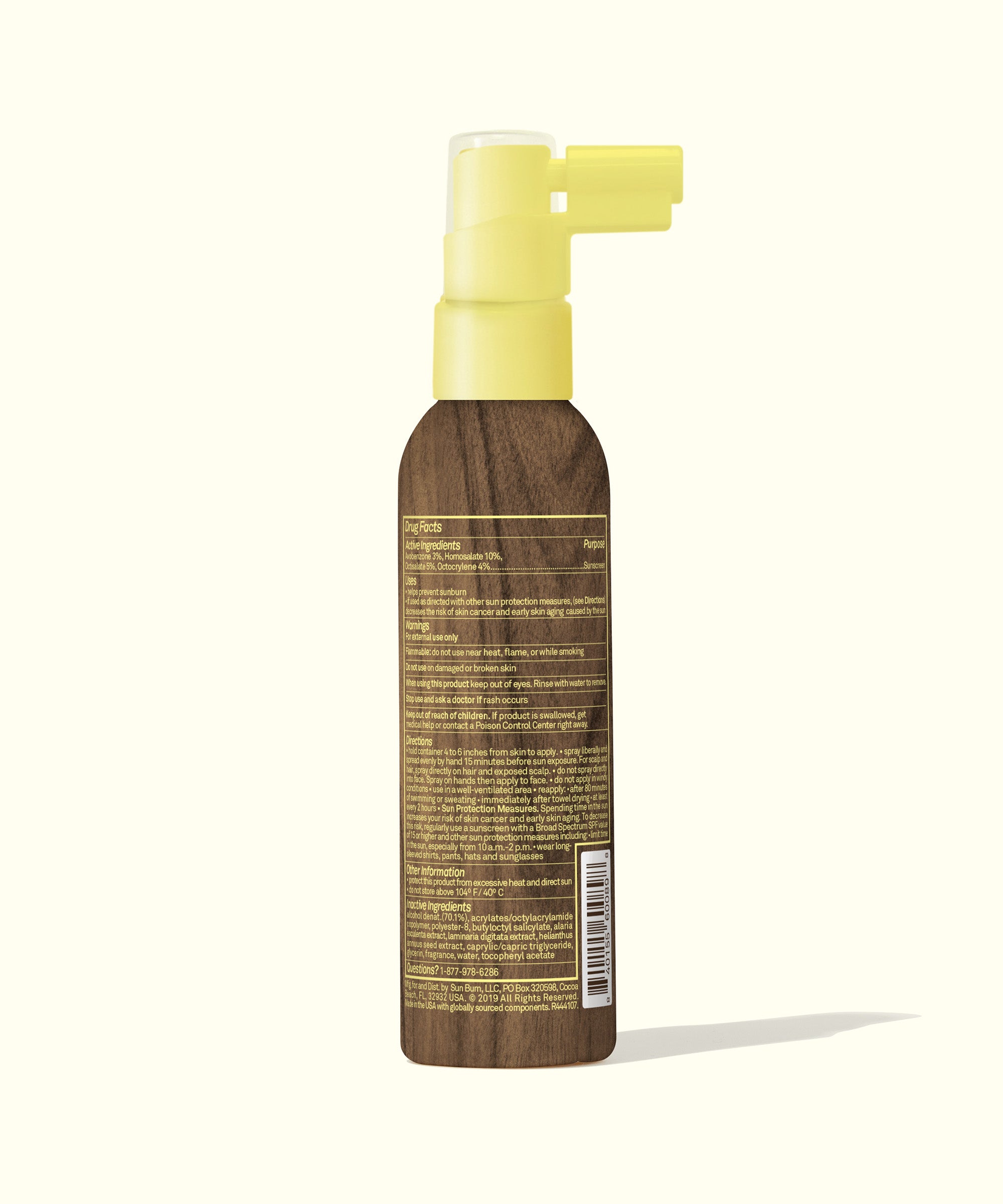
Before using any heat tool, a heat protectant is a must. These products create a barrier on the hair shaft, helping to lock in moisture and reduce direct heat exposure.
What To Look For
- Silicone-based ingredients (like dimethicone) for strong protection
- Lightweight formula to avoid weighing down fine or thinning hair
- Added vitamins (like B5 or E) for extra nourishment
How To Use Heat Protectants
- Apply to damp, towel-dried hair, not soaking wet
- Comb through for even coverage
- Let the product absorb for 1–2 minutes before styling
Popular Types
- Sprays: Easy for fine or thin hair
- Creams: Good for coarse, dry hair
- Serums: Add shine, best for finishing
Common Mistake
Many people use too much product, which can make hair limp or greasy. For fragile hair, less is more—one or two sprays per section is enough.
Step-by-step Safe Styling Routine
Here’s a simple routine to minimize heat damage for aging, fragile hair:
1. Wash Gently
Use a sulfate-free shampoo and a rich conditioner to keep hair hydrated. Avoid over-washing, as this strips natural oils.
2. Towel Dry Carefully
Pat hair dry with a soft towel. Do not rub or twist, as this can cause breakage.
3. Apply Heat Protectant
Choose a lightweight, silicone-based spray or serum. Focus on mid-lengths and ends.
4. Detangle With Care
Use a wide-tooth comb or a brush designed for wet hair. Start at the ends and work upward.
5. Set Tools To The Right Temperature
Always use the lowest heat that styles your hair effectively. Avoid “max” or “quick” settings.
6. Work In Small Sections
This ensures even styling and reduces the number of passes needed.
7. Limit Passes
Try to style each section in one or two passes. Repeated passes increase damage.
8. Let Hair Cool
After styling, let hair cool in place before brushing or touching. This helps lock in the style with less heat.
9. Finish With A Light Serum
Apply a small amount of serum for shine and frizz control.
10. Avoid Daily Heat
Give your hair at least 2–3 days between heat styling sessions.
Credit: www.sunbum.com
Alternatives To Heat Styling
You don’t always need heat to create beautiful styles. Many gentle methods work well for aging, fragile hair.
Air Drying
Letting your hair air dry is the safest option. For more volume, gently lift roots with your fingers as it dries.
Rollers And Wraps
Soft foam rollers or fabric wraps can create waves or curls without heat. Use on damp hair and leave overnight.
Braiding
Loose braids can add texture and gentle waves. Don’t braid too tightly, as this can pull on fragile roots.
Styling Products
Light mousse, volumizing sprays, and texturizing powders can help shape hair without heat.
Non-obvious Tip
Switching up your part or using hair accessories (like clips or headbands) can create a new look with zero heat.
Hair Care Habits That Help Prevent Heat Damage
Protecting aging hair isn’t just about styling—it starts with your everyday routine.
Regular Deep Conditioning
Use a deep conditioner or hair mask once a week. Look for ingredients like keratin, collagen, or argan oil.
Trim Split Ends
Schedule trims every 6–8 weeks to prevent splits from traveling up the hair shaft.
Gentle Brushing
Use soft bristle brushes and never brush wet hair with a regular brush. Wet hair is at its weakest.
Scalp Care
Keep your scalp healthy with gentle massage and occasional clarifying treatments to remove buildup.
Nutrition Matters
A diet rich in protein, omega-3 fatty acids, and vitamins (especially biotin and vitamin D) supports hair health from within.
Sleep Protection
Use a silk or satin pillowcase to reduce friction and prevent breakage overnight.
Styling Tips For Different Hair Types
Aging hair isn’t all the same. Here’s how to adapt heat styling to your specific needs.
Fine Or Thinning Hair
- Use volumizing mousse before blow-drying
- Keep heat low (250–300°F)
- Avoid heavy oils or thick creams
Coarse Or Wavy Hair
- Use a smoothing serum or cream before styling
- Opt for ceramic tools to reduce frizz
- Don’t skip deep conditioning treatments
Gray Or White Hair
- Gray hair is often drier and more porous
- Use purple shampoos occasionally to prevent yellowing
- Protect from sun and pollution, which can worsen dryness
Color-treated Hair
- Always use a color-safe, sulfate-free shampoo
- Keep heat as low as possible
- Use leave-in conditioners for extra moisture
Repairing Heat-damaged Hair
If your hair is already showing signs of heat damage, don’t panic. While you can’t “heal” split ends, you can improve the look and feel of your hair and prevent further harm.
Immediate Steps
- Stop using heat until hair feels stronger
- Trim off split or frayed ends
- Use a protein-rich mask once a week
Long-term Repair
- Incorporate leave-in conditioners into your routine
- Try bond-building treatments (such as those containing bis-aminopropyl diglycol dimaleate)
- Be patient—healthy hair takes time to grow and recover
When To See A Professional
If you notice excessive breakage, scalp irritation, or bald patches, consult a dermatologist or trichologist. Sometimes, medical issues or medication side effects may be involved.
Common Mistakes To Avoid
Even with the best intentions, these frequent errors can undo your progress:
- Using high heat for faster results
- Skipping heat protectant products
- Styling wet hair with hot tools (always wait until at least 80% dry)
- Using old, damaged styling tools
- Overloading hair with heavy products
How Often Can You Use Heat On Aging Hair?
Less is more when it comes to heat styling fragile hair. Experts recommend:
- No more than twice a week for most aging hair types
- Allow at least one “rest day” between heat styling sessions
- Use heatless styles whenever possible
Data On Heat Frequency And Damage
A study published in the *Journal of Cosmetic Dermatology* found that using heat tools more than twice per week increased breakage by up to 40% in women over 50, compared to those who styled once a week or less.
Credit: hairprptreatmentpune.com
Natural Oils And Home Remedies
Sometimes simple, natural products can offer extra protection and nourishment.
Best Oils For Aging, Fragile Hair
- Argan oil: Rich in vitamin E, adds shine and softness
- Coconut oil: Helps reduce protein loss in hair
- Jojoba oil: Similar to natural scalp oils, great for dry hair
- Olive oil: Deeply moisturizing, best for coarse hair
How To Use
- Warm a small amount between your hands
- Apply to ends and mid-lengths (avoid roots if hair is fine)
- Leave on for 30 minutes, then wash out with mild shampoo
Home Remedies To Avoid
Egg masks, mayonnaise, and other kitchen recipes are popular but can clog hair follicles or leave residue. Stick to lightweight oils and professional products for best results.
The Role Of Professional Salon Treatments
Salon treatments can strengthen and protect aging hair, especially when done correctly.
Keratin Treatments
These treatments smooth the hair cuticle and add shine. Choose formaldehyde-free formulas and don’t overdo them (no more than 2–3 times per year).
Olaplex And Bond Builders
These products help repair broken hair bonds caused by heat and chemicals. They’re especially helpful after years of heat styling.
Scalp Treatments
A healthy scalp supports better hair growth and strength. Ask your stylist about gentle exfoliating treatments or hydrating scalp massages.
When To Skip Salon Treatments
Avoid any treatment that uses harsh chemicals or high heat if your hair is very fragile or already damaged.

Credit: www.fhiheat.com
Myths And Facts About Heat Damage And Aging Hair
There is a lot of misinformation about hair care, especially as we age. Here are some truths:
Myth: Gray Hair Can Take More Heat
Fact: Gray hair is often more porous and fragile. It needs lower heat, not higher.
Myth: Expensive Tools Are Always Better
Fact: Price does not guarantee safety. Look for adjustable temperature and quality materials, not just brand names.
Myth: Once Damaged, Hair Can Be Fully Repaired
Fact: Some damage (like split ends) is permanent. Products can improve appearance, but only new growth is truly undamaged.
Myth: Air Drying Is Always Better
Fact: Air drying is safest, but leaving hair wet for too long can cause swelling and breakage. If your hair takes hours to dry, use a blow dryer on the cool setting.
Real-world Examples And Data
Example 1: Reduced Heat, Healthier Hair
A 62-year-old woman with thinning hair reduced her flat iron use from daily to once a week and lowered the temperature from 400°F to 290°F. Within two months, she noticed less breakage, more shine, and easier styling.
Example 2: Using Heat Protectant
A recent survey found that only 30% of women over 50 use heat protectant regularly. Those who did had 25% fewer split ends and reported softer, stronger hair.
Example 3: Tool Upgrade
Switching from a metal-plated iron to a ceramic, adjustable-temperature model reduced visible hair damage in 80% of users in a small study.
Comparing Popular Heat Protectant Products
Choosing the right product can be confusing. Here’s how some top options stack up:
| Product | Main Ingredient | Best For | Price Range |
|---|---|---|---|
| TRESemmé Thermal Creations Heat Tamer | Dimethicone | Fine, thinning hair | Low |
| CHI 44 Iron Guard | Silk proteins | Coarse, dry hair | Medium |
| Moroccanoil Perfect Defense | Argan oil | Color-treated, aging hair | High |
| L’Oréal Paris Sleek It Iron Straight Heatspray | Polyquaternium-37 | All hair types | Low |
Building A Long-term Hair Protection Plan
Protecting fragile hair from heat is not a one-time effort. It’s a routine that changes as your hair changes.
Review And Adjust
- Re-evaluate your tools and products every 6 months
- Watch for signs of new damage and adjust your routine as needed
- Don’t be afraid to switch to more heatless styles as your hair ages
Stay Informed
Hair science changes fast. Follow expert sources or consult your stylist for new techniques and products.
Be Patient
Improvements take time, especially with older hair. Celebrate small wins, like fewer split ends or easier styling days.
Frequently Asked Questions
What Is The Safest Temperature For Styling Aging, Fragile Hair?
The safest temperature is usually between 250–300°F (120–150°C) for fine or thinning hair, and up to 340°F (170°C) for coarser types. Always start lower and only increase if needed.
How Often Can I Use Heat Tools On Older Hair?
Limit heat styling to twice a week or less. Give your hair days off to recover. Heatless styles and protective products help extend the time between sessions.
Can I Repair Split Ends Caused By Heat?
Split ends cannot be fully repaired. Trimming them off is the only way to remove them. Use deep conditioners and bond-building treatments to prevent new splits from forming.
Are Air Drying And Heatless Styling Always Better For Fragile Hair?
Generally, yes. Air drying and heatless methods are safer. But if your hair is very slow to dry, use a blow dryer on cool or low heat, and never leave hair wet for hours.
What Is The Best Heat Protectant For Aging Hair?
The best heat protectant is one that matches your hair type. For fine hair, choose a lightweight spray. For coarse or dry hair, a cream or serum works well. Look for silicones, nourishing oils, and vitamins. For more product ideas, see this Healthline guide.
Taking care of aging, fragile hair is about more than avoiding heat. It’s about understanding your hair’s changing needs, making careful choices, and being patient with the process. With these safe styling tips and the right habits, you can enjoy healthy, beautiful hair at any age.