

Building a routine for your hair and skin is not just about following trends. It’s about creating simple habits that make you look and feel your best, every day. Many people start routines with excitement but stop after a week or two. The truth is, consistency is the real secret. This guide will show you how to build a hair and skin care routine you can actually stick to—one that suits your lifestyle and brings real results.
You do not need dozens of expensive products. With the right steps, a few good products, and a plan that fits into your life, you can achieve healthy hair and glowing skin. This article will walk you through everything: understanding your skin and hair, choosing the right products, setting up a daily routine, avoiding common mistakes, and staying motivated. You will also find practical tips, real-life examples, and answers to common questions.
Why Consistency Matters In Hair And Skin Care
Consistency is more important than perfection. Using the best products only once in a while will not give results. Our skin and hair need regular care to stay healthy. Think of it like eating healthy food or exercising—you see results only if you keep going.
For example, applying moisturizer daily helps keep your skin barrier strong. Skipping it often can lead to dryness, irritation, or breakouts. Washing your hair with the right shampoo regularly removes buildup and keeps your scalp healthy. Many skin and hair problems, like acne or dandruff, get worse when care is random.
A study from the Journal of Dermatological Science found that people who followed a routine for 12 weeks had a 60% improvement in skin texture compared to those who used products only sometimes. The same applies to hair care. Consistency also helps you notice what works and what does not.
If you stick to a plan, you can adjust only when you really need to.
Understand Your Hair And Skin Type
Before buying products or making a routine, you need to know your own hair and skin. This helps you avoid wasting money and time. Using the wrong products can even make things worse.
Skin Types
Your skin can be:
- Oily: Shiny, prone to acne or blackheads
- Dry: Feels tight, may look flaky or dull
- Combination: Oily in some areas (like forehead, nose, chin), dry in others
- Normal: Not too oily or dry, even tone, few problems
- Sensitive: Easily irritated, reacts to many products
You can do a simple test at home: Wash your face, wait 30 minutes, and check how your skin feels. If it’s tight, you are likely dry. If it looks shiny, you are oily. If only your T-zone is oily, it’s combination.
Hair Types
Hair can be:
- Straight: Lays flat, gets oily quickly
- Wavy: Has gentle waves, can be frizzy
- Curly: Defined curls, needs more moisture
- Coily/Kinky: Tight curls, needs extra care
Also, consider hair thickness (fine, medium, thick) and scalp type (oily, dry, normal). For example, fine hair can get weighed down easily. Curly hair often needs more hydrating products.
Why This Matters
If you have oily skin, using thick creams can cause breakouts. If you have dry hair, using strong shampoos can make it brittle. Knowing your type means you pick what really works for you—not just what’s popular.
Set Clear And Achievable Goals
A common mistake is aiming for perfect skin or hair. Instead, set real goals. For example:
- “I want fewer breakouts.”
- “I want to reduce frizz.”
- “I want my skin to look more even.”
Write down your goals. This helps you track progress and stay motivated. Focus on changes you can notice, like less redness or softer hair, instead of wanting instant perfection.
The Basic Hair Care Routine
A good hair care routine does not need to be complicated. Start with the basics and build from there.
1. Cleansing
Use a shampoo that matches your hair and scalp type. If you have oily hair, wash every other day. For dry or curly hair, washing 1-2 times a week is enough. Overwashing can strip natural oils, leaving hair dry and scalp irritated.
2. Conditioning
Always follow shampoo with conditioner. Apply from mid-length to ends, not on the scalp. Conditioner helps detangle, reduce breakage, and add moisture.
3. Leave-in Treatments Or Oils
If your hair is dry, damaged, or frizzy, a leave-in conditioner or a few drops of oil (like argan or coconut) can help. Use these sparingly to avoid greasiness.
4. Scalp Care
Healthy hair starts with a healthy scalp. If you notice flakes, itchiness, or buildup, use a gentle scalp scrub or treatment once a week.
5. Protection
If you use heat styling tools (straighteners, curlers), always apply a heat protectant. This reduces damage and keeps hair looking smooth.
Example Routine
- Shampoo (2x per week)
- Conditioner (each time after shampoo)
- Leave-in conditioner or oil (after towel drying)
- Scalp scrub (once a week)
- Heat protectant before styling
Credit: www.beverlyfischer.net
The Basic Skin Care Routine
For most people, a simple routine is enough. Start with these steps, then add more only if you need them.
1. Cleansing
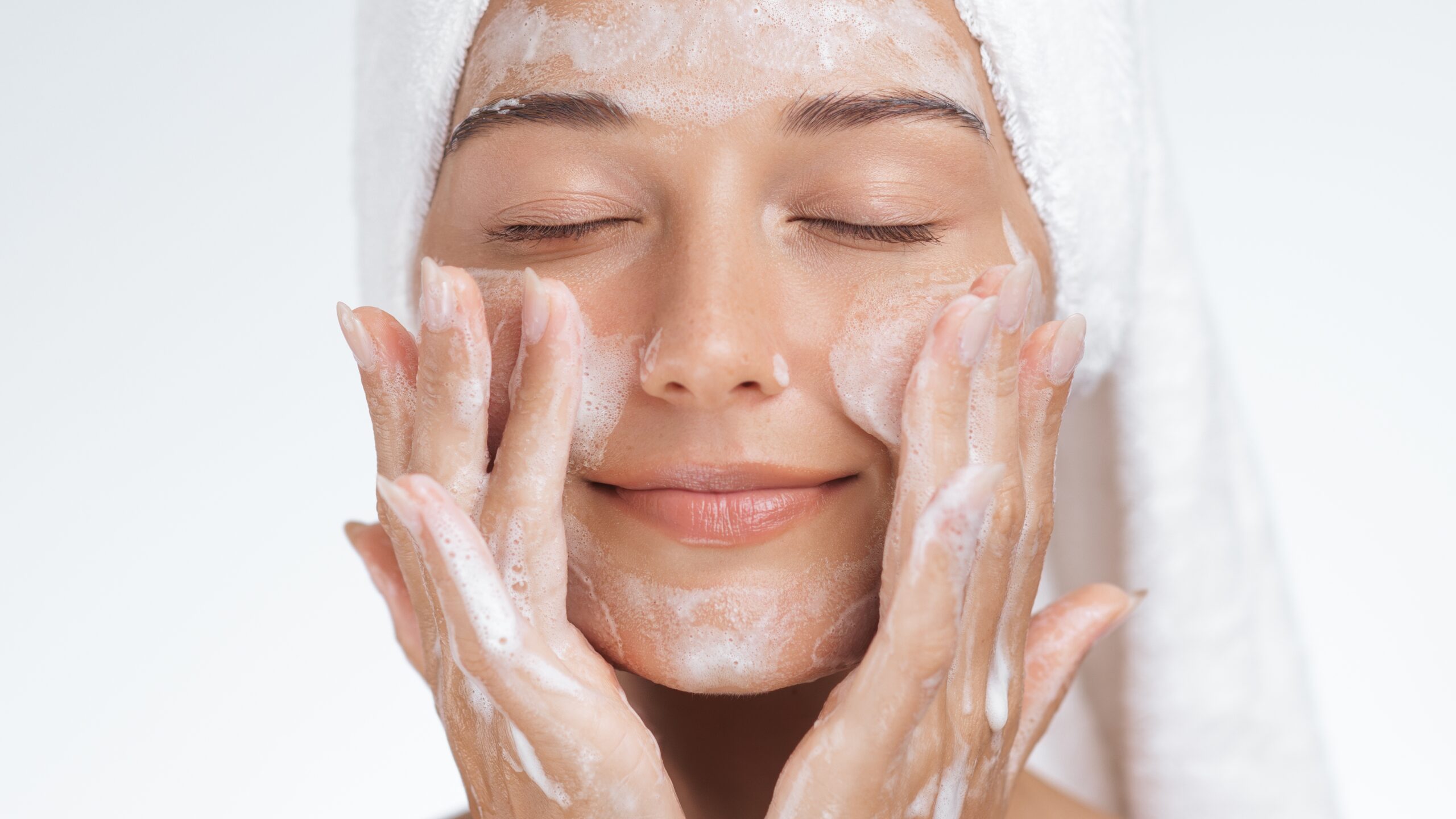
Wash your face twice a day with a gentle cleanser. This removes dirt, oil, and makeup. Avoid harsh soaps that can strip your skin.
2. Moisturizing
Apply a moisturizer right after cleansing, while skin is still damp. This locks in hydration. Choose a light lotion for oily skin, or a richer cream for dry skin.
3. Sun Protection
Use sunscreen every morning, even if you stay indoors most of the day. Sun damage is one of the main causes of aging and dark spots. Look for SPF 30 or higher.
4. Targeted Treatments (optional)
If you have specific issues, like acne or dark spots, you can add a serum or treatment. Use these after cleansing and before moisturizer.
Example Routine
- Cleanser (morning and night)
- Serum (if needed)
- Moisturizer (morning and night)
- Sunscreen (morning)
How To Choose The Right Products
With so many products on the market, choosing can feel overwhelming. Here is how to make good choices:
Read Labels And Ingredients
Look for products made for your skin or hair type. For example, “for oily skin,” “for curly hair. ” Check the first five ingredients; these are the most important.
- For dry skin, look for glycerin, hyaluronic acid, or ceramides.
- For oily/acne-prone skin, look for salicylic acid or niacinamide.
- For dry hair, look for coconut oil, shea butter, or argan oil.
- For damaged hair, protein treatments can help.
Avoid Harsh Ingredients
Stay away from products with alcohol, strong fragrance, or sulfates if you have sensitive skin or hair. These can cause irritation or dryness.
Do Patch Tests
Always test a new product on a small area before using it on your whole face or scalp. This helps you avoid reactions.
Less Is More
You do not need ten products. Start with the basics, then add more only if needed. Too many products can overload your skin or hair and cause problems.
Compare Product Types
Here is a quick comparison of common hair and skin care products:
| Product | Main Benefit | Best For | Common Mistake |
|---|---|---|---|
| Shampoo | Cleanses scalp and hair | All hair types | Using too much, washing too often |
| Conditioner | Moisturizes, detangles | Dry, damaged hair | Applying on scalp (can cause buildup) |
| Moisturizer | Hydrates skin | All skin types | Not using enough, skipping at night |
| Sunscreen | Protects from UV damage | All skin types | Using too little, not reapplying |

Credit: naturium.com
Building Your Routine: Step-by-step Guide
Now, let’s put everything together into a plan you can follow.
Step 1: Start Small
Do not try to change everything at once. Begin with the basics: cleanser, moisturizer, sunscreen for skin; shampoo, conditioner for hair. Use these for at least two weeks before adding new steps.
Step 2: Create A Schedule
Decide when you will do each step. For example, cleanse and moisturize every morning and night. Wash hair on set days. Write it down or set reminders on your phone.
Step 3: Make It Easy
Keep your products where you use them. For example, keep facial cleanser near the sink, conditioner in the shower, sunscreen near your toothbrush. This helps you remember.
Step 4: Track Your Progress
Take a photo of your skin and hair at the start. Check again after 2, 4, and 8 weeks. Notice changes in softness, shine, or clarity. Adjust your routine only if you see problems or no improvement.
Step 5: Review And Adjust
If something is not working after a month, change only one product at a time. This way, you know what caused the change.
Routine Planner Example
| Routine Step | When | Product Type | Notes |
|---|---|---|---|
| Cleanser | Morning & Night | Gentle face wash | Choose based on skin type |
| Moisturizer | Morning & Night | Light lotion or cream | Apply on damp skin |
| Sunscreen | Morning | SPF 30+ | Reapply if outdoors |
| Shampoo | 2x per week | For hair type | Massage scalp gently |
| Conditioner | After shampoo | For hair type | Focus on ends |
How To Stay Motivated And Consistent
Building a routine is easy. Sticking to it is hard. Here’s how to make it easier:
Link To Habits You Already Have
Do your routine right after something you already do, like brushing teeth or taking a shower. This “habit stacking” makes it automatic.
Make It Enjoyable
Use products with scents you like or that feel good on your skin and hair. Play your favorite music during your routine. Treat it as self-care, not a chore.
Set Reminders
Use your phone or sticky notes to remind you, especially at the start. After a few weeks, it will become part of your day.
Track Progress
Keep a simple journal or take photos to see changes. Celebrate small wins, like softer hair or fewer breakouts.
Involve A Friend
Doing routines together or sharing progress with a friend can keep you motivated.
Forgive Yourself
If you miss a day, do not quit. Just start again the next day. Consistency is about most days, not perfection.

Credit: clarusdermatology.com
Advanced Tips For Long-term Success
Once you master the basics, you can fine-tune your routine for even better results.
1. Adjust With The Seasons
Your hair and skin needs change with weather. In winter, you may need richer creams; in summer, lighter gels or more sunscreen.
2. Watch For Product Build-up
Using too many products can lead to buildup on your scalp or skin. If hair feels heavy or skin is dull, use a clarifying shampoo or gentle exfoliator once a week.
3. Protect From Environmental Damage
Pollution, sun, and even water quality can affect your hair and skin. Rinse with filtered water if possible. Wear hats or scarves in harsh weather.
4. Listen To Your Body
If your skin feels itchy or your hair is breaking, review your routine. Sometimes, less is more.
5. Don’t Chase Trends
Stick to what works for you. New products or viral trends may not suit your type. Focus on basics and add new items only after research.
Common Mistakes To Avoid
Many people make the same mistakes when starting a routine. Here’s how to avoid them:
1. Changing Everything At Once
Switching all your products together makes it hard to know what works or causes problems. Change one thing at a time.
2. Overusing Products
More is not better. Using too much serum, oil, or conditioner can cause greasy hair or clogged pores.
3. Skipping Sunscreen
Sunscreen is needed every day, even if you stay indoors. Windows let in UV rays that can damage skin.
4. Ignoring The Scalp
A healthy scalp is the base for healthy hair. Massage gently and avoid harsh scrubbing.
5. Not Giving Products Time
Most products take at least 4 weeks to show results. Switching too soon can irritate your skin or hair.
6. Using Hot Water
Very hot water can strip natural oils. Use lukewarm water for washing your face and hair.
7. Forgetting To Clean Tools
Brushes, combs, and makeup sponges collect dirt and oil. Clean them weekly to avoid breakouts or scalp problems.
Real-life Examples: How Routines Change Results
Let’s look at two real examples to see how a consistent routine helps.
Case 1: Dealing With Oily Skin
Maria, 28, always had oily skin and frequent breakouts. She used harsh scrubs, but nothing worked. After learning about her skin type, she switched to a gentle foaming cleanser, a light oil-free moisturizer, and used sunscreen daily. Within six weeks, her breakouts reduced by 70%, and her skin felt less greasy.
Case 2: Managing Frizzy Hair
Jonas, 35, had wavy, frizzy hair. He used shampoo every day but no conditioner. After starting a routine with a moisturizing shampoo (twice a week), conditioner, and a small amount of argan oil, his hair became softer and less frizzy.
He also noticed less breakage after two months.
Tracking Progress And Making Adjustments
To see real results, you need to check progress regularly. This keeps you motivated and helps you know when to change products or steps.
Take Photos
Take clear photos of your face and hair every few weeks. Use the same lighting and angle for best comparison.
Use A Journal
Write down how your skin and hair feel, any changes, and which products you use. If you have irritation or breakouts, note when they happen.
Review Every Month
Once a month, check your photos and notes. Are you seeing the changes you want? If not, adjust only one product or step at a time.
Example Tracking Table
| Date | Skin/Hair Issue | Routine Changes | Results |
|---|---|---|---|
| Week 1 | Dry skin, frizzy hair | Added richer moisturizer, started using conditioner | Skin less tight, hair softer |
| Week 4 | Some breakouts, less frizz | Reduced hair oil, switched to gel moisturizer | Breakouts reduced, hair still smooth |
Science-backed Advice For Better Results
The beauty industry is full of myths. Here are two science-backed facts most beginners miss:
1. Ph Matters
Both skin and scalp have a natural pH (around 5. 5 for skin, 4. 5–5. 5 for hair). Using very alkaline products (like some soaps) can disrupt this balance, leading to dryness or irritation. Choose products labeled as “pH balanced.
”
2. Consistency Over Strength
Stronger is not always better. Studies show that regular use of gentle products works better than using harsh treatments only sometimes. For example, using a mild cleanser daily is more effective than using a strong scrub once a week.
When To See A Professional
Sometimes, routine alone is not enough. See a dermatologist or hair specialist if you have:
- Severe acne, eczema, or psoriasis
- Sudden hair loss or bald patches
- Scalp sores or severe dandruff that does not improve
They can give you medical advice or treatments that over-the-counter products cannot.
Building A Routine For Busy People
Many feel they do not have time for routines. Here are ways to make it work, even with a busy schedule:
- Multitask: Use a face mask while doing chores
- Travel size: Keep small products in your bag for quick touch-ups
- Night routine: Do your hair and skin care while winding down before bed
- Minimal steps: Focus on cleanser, moisturizer, and sunscreen for skin; shampoo and conditioner for hair
The goal is to make it easy, not stressful.
How Diet And Lifestyle Affect Hair And Skin
Products help, but what you eat and how you live also matter. Drink enough water, eat a balanced diet (with fruits, vegetables, healthy fats), and get enough sleep. Stress can also show up in your skin and hair, so relaxation techniques like deep breathing or yoga can help.
Trusted Resources For More Information
If you want to learn more, check resources like the American Academy of Dermatology. They offer science-based tips for all skin and hair types.
Frequently Asked Questions
How Long Does It Take To See Results From A New Routine?
Most people see some changes in 4–6 weeks. Skin and hair need time to adjust. Do not expect instant results. Stick with your routine, and review after 2–3 months.
Can I Use The Same Products For Day And Night?
Yes, for most steps. The main difference is sunscreen—use it in the morning, not at night. Some people use richer creams or treatments at night for extra moisture.
What If I Have Sensitive Skin Or Scalp?
Choose fragrance-free, gentle products. Always patch test first. Avoid harsh scrubs or strong chemicals. If you react, stop using the product and consult a dermatologist.
How Can I Remember To Stick To My Routine?
Link your routine to daily habits (like brushing teeth), set reminders, or keep products in visible places. Tracking your results also helps keep you motivated.
Do I Need Expensive Products To Get Good Results?
No. Many affordable products work just as well as expensive ones. Focus on finding what suits your skin and hair type, and use them consistently.
Building a consistent hair and skin care routine is about making small, regular steps that fit your life. With patience, the right choices, and a focus on your own needs, you’ll see real, lasting changes—without stress or wasted money. Start simple, stay consistent, and adjust as you learn what works best for you.