

When you wash your hair, have you ever noticed how it feels different in various places? Maybe it’s soft and shiny in one city, but dry or flat in another. The reason isn’t only your shampoo or hair type. The water you use—its type and hardness—can change how your hair absorbs moisture and products. This is all about hair porosity and absorption, two things most people rarely think about, but which affect everyday hair health more than you might expect.
If you’ve ever wondered why your hair doesn’t behave the same way everywhere, or why some products work for your friend but not for you, understanding how water interacts with your hair’s natural structure is crucial. This article will break down what water hardness and type really mean, how they connect with hair porosity, and why small differences in water can make your hair routine easier or harder. You’ll learn practical steps, backed by science, to make your hair routine work wherever you are. Let’s dive in.
Understanding Water Type And Hardness
Water is never just water. It can be hard, soft, mineral-rich, or even treated in different ways. These differences matter for your hair.
What Is Water Hardness?
Water hardness is the amount of dissolved minerals—mainly calcium and magnesium—in your tap water. Hard water has high mineral content, while soft water has fewer of these minerals.
- Hard water: Contains a lot of calcium and magnesium. It often leaves white spots on dishes and a film on your skin after washing.
- Soft water: Has low levels of minerals. It usually comes from rain, or is treated to remove minerals.
The U.S. Geological Survey defines water hardness as:
- Soft: 0-60 mg/L (milligrams per liter) of calcium carbonate
- Moderately hard: 61-120 mg/L
- Hard: 121-180 mg/L
- Very hard: 181+ mg/L
If you want to know how hard your water is, you can ask your water supplier or use a water hardness test kit.
Types Of Water: More Than Just Hard Or Soft
Besides hardness, water can be categorized by its source and treatment:
- Tap water: Most common, varies in hardness based on location.
- Well water: Usually harder than city water, since it flows through soil and rock, picking up minerals.
- Rainwater: Naturally soft, but can become acidic or pick up pollutants from the air.
- Bottled water: Usually soft, but mineral content depends on the brand and source.
- Distilled water: All minerals are removed, making it very soft.
Each type can affect your hair differently, especially when it comes to porosity and absorption.
Why Does Water Hardness Matter For Hair?
The minerals in hard water react with shampoos, conditioners, and even your hair’s natural oils. This can lead to:
- Product build-up
- Dullness and dryness
- Difficulty lathering shampoo
- Hair feeling heavy or sticky
Soft water, on the other hand, rinses away products and oils more easily. But it can sometimes make hair feel too soft or limp if you have fine hair.
Hair Porosity: The Secret To Hair’s Absorption Power
Not all hair absorbs water or products the same way. The reason is porosity—how easily your hair lets water and oils in and out. Understanding porosity is a game-changer for hair care.
What Is Hair Porosity?
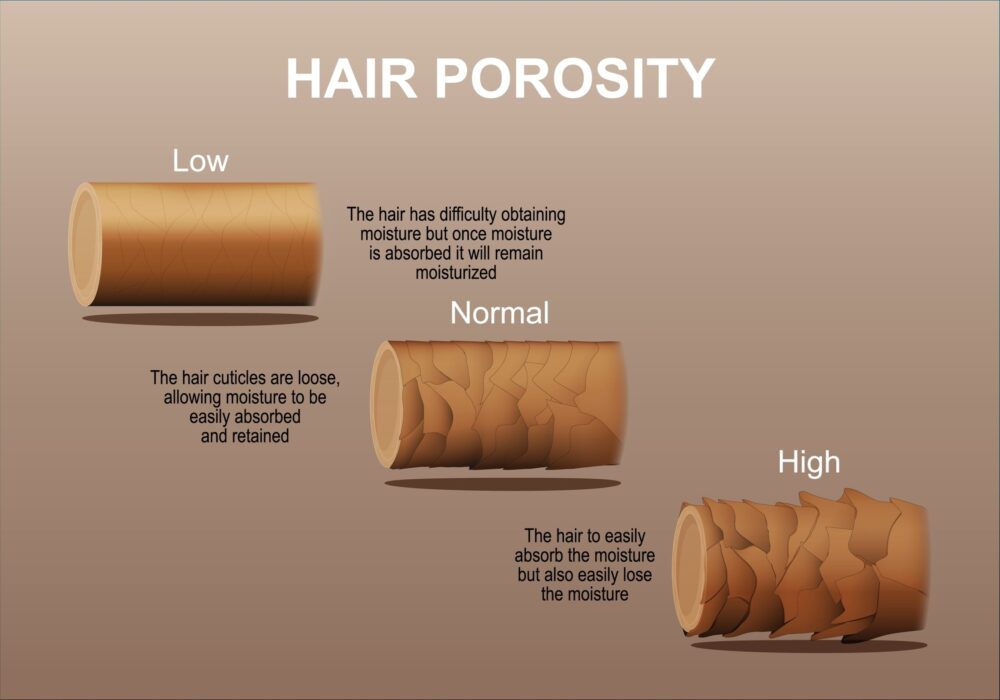
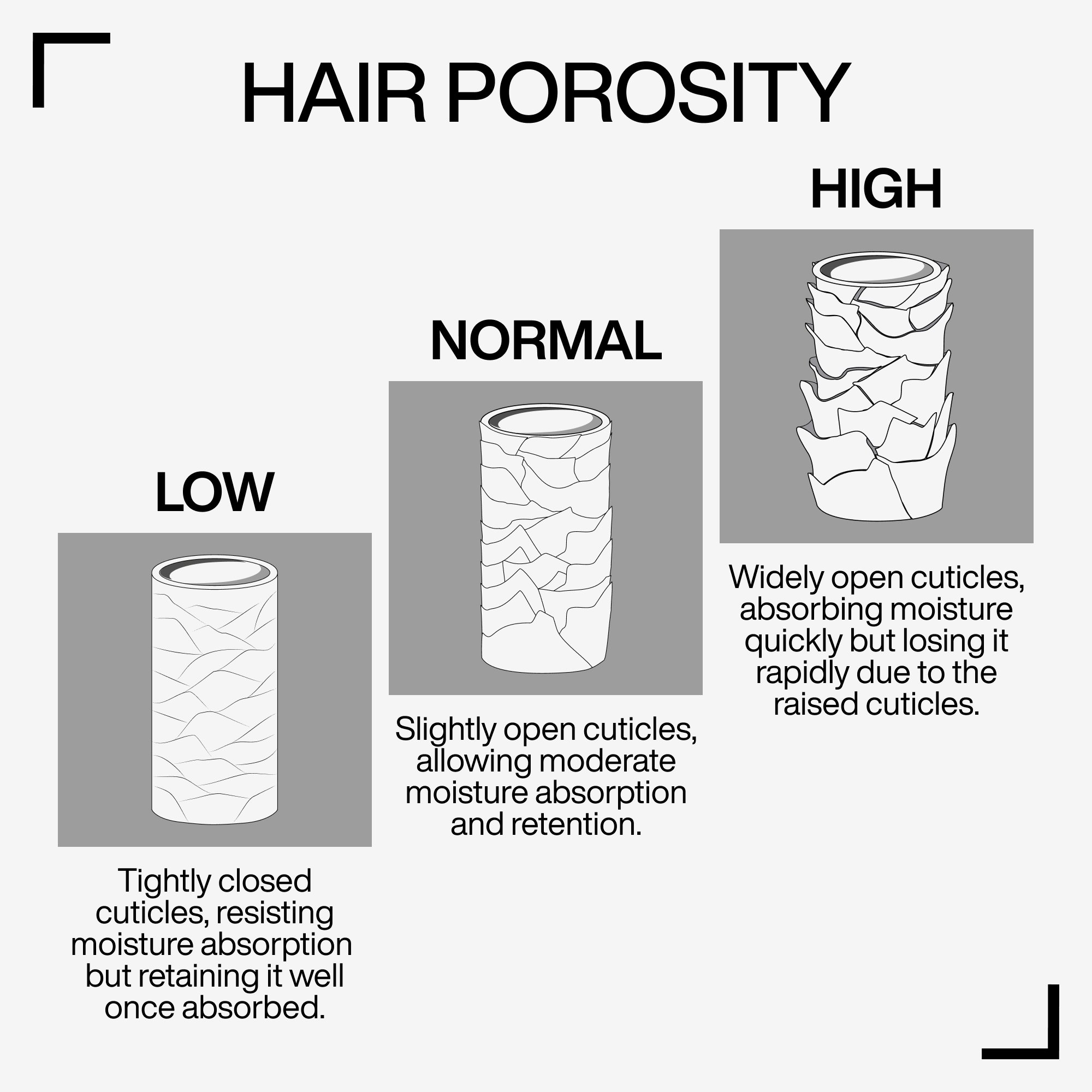
Hair porosity is the hair’s ability to absorb and hold moisture. It depends on the condition of your cuticle, which is the outer layer of each hair strand.
Porosity is usually divided into three types:
- Low porosity: The cuticle lies flat and tight. Hard for moisture to enter, but once inside, moisture stays trapped.
- Medium (normal) porosity: The cuticle is slightly open. Moisture moves in and out easily.
- High porosity: The cuticle is raised or damaged. Hair absorbs moisture quickly, but loses it just as fast.
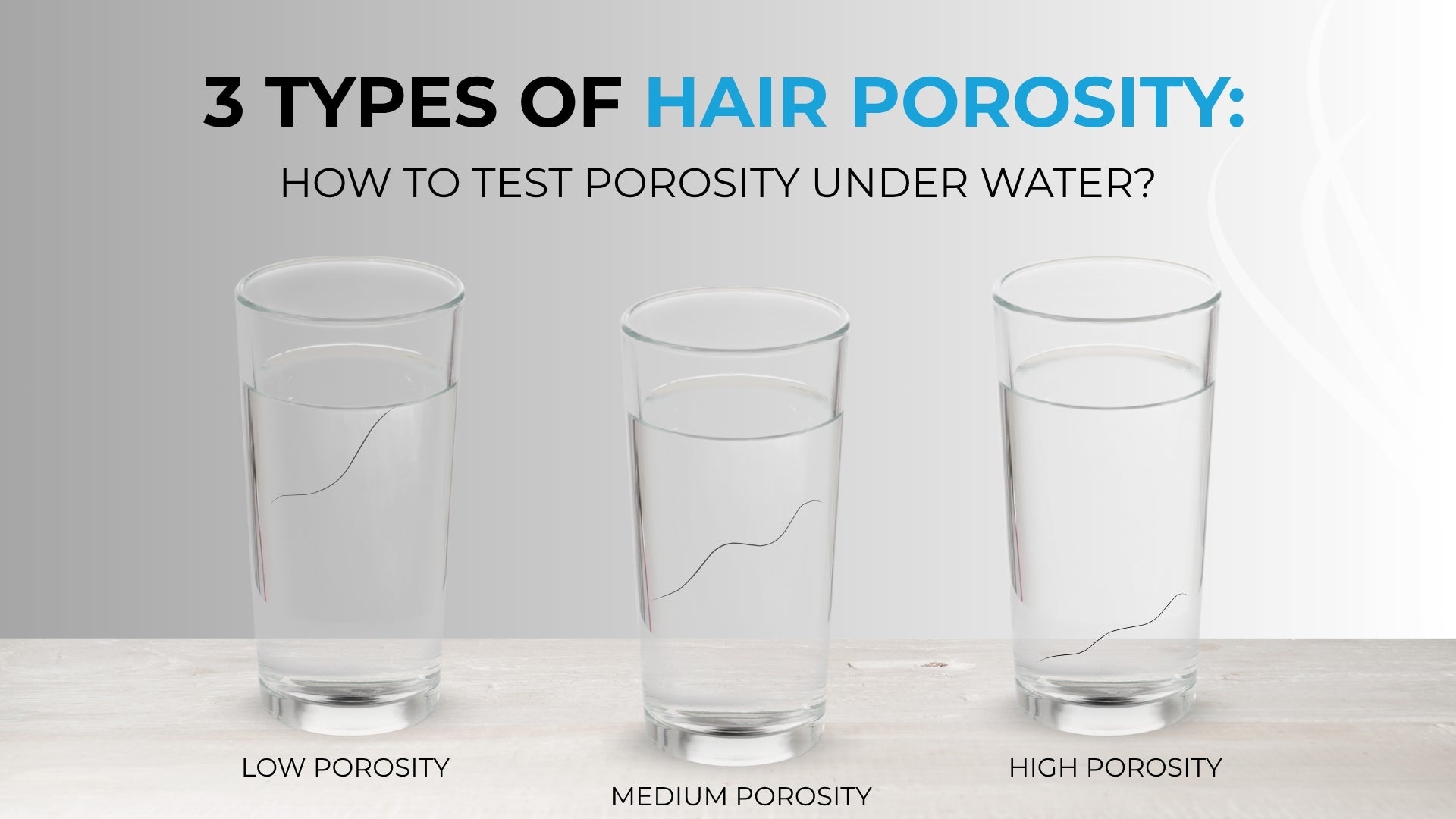
Quick Porosity Test
Drop a clean hair strand into a glass of water:
- If it floats on top, you have low porosity.
- If it sinks slowly, you have medium porosity.
- If it sinks quickly, you have high porosity.
What Affects Porosity?
Genetics play a role, but so do:
- Chemical treatments (bleaching, dyeing)
- Heat styling (straighteners, curling irons)
- Environmental exposure (sun, wind)
- Water type and hardness
Porosity is not fixed. Hard water, soft water, and product use can change your hair’s porosity over time.
How Water Type And Hardness Interact With Hair Porosity
Now comes the big question: How do water type and hardness actually affect the way your hair absorbs moisture and products?
Hard Water And Hair Porosity
Hard water’s minerals can stick to your hair’s surface, especially if your hair has high porosity. These mineral deposits make it even harder for moisture to enter your hair shaft, leading to dryness and brittleness.
For low porosity hair, hard water can make it even more resistant to moisture. Since the cuticle is already tight, minerals build up on top, creating a barrier against conditioners and treatments.
Medium porosity hair is generally the most resilient, but over time, mineral build-up can also reduce its ability to absorb moisture.
Real Example
A 2016 study in the *International Journal of Trichology* found that people washing hair with hard water for six months had weaker, rougher hair than those using soft water. The minerals in hard water made it harder for hair to stay hydrated, especially for people with color-treated or high porosity hair.
Soft Water And Hair Porosity
Soft water is gentle on hair. For high porosity hair, it allows moisture and products to enter easily, but you still need to lock in that moisture with a good conditioner.
If you have low porosity hair, soft water is less likely to leave build-up. But there’s a downside: very soft water can sometimes make hair feel slippery or over-conditioned, especially for fine hair.
How Water Hardness Changes Absorption
If water is hard, the minerals can:
- Block moisturizing ingredients from entering the hair shaft
- Make it harder to rinse out shampoo and conditioner
- Cause products to build up, reducing hair’s ability to absorb treatments
In soft water areas, products rinse out more easily, and your hair can absorb moisture better. This can make a big difference in how your hair looks and feels.
Scientific Insights: Data And Research On Water And Hair
To understand how deeply water hardness affects hair, let’s look at some real data and studies.
Comparing Hair Washed In Hard Vs. Soft Water
A 2013 study published in the *Indian Journal of Dermatology* compared the effects of hard and soft water on hair strength and surface quality. Here’s what they found:
| Water Type | Hair Strength Change | Surface Quality |
|---|---|---|
| Hard Water | Decreased by 10-12% | Rough, higher mineral build-up |
| Soft Water | No significant change | Smoother, less build-up |
Key takeaway: Washing hair in hard water can make it weaker and rougher. The effect is stronger if your hair is already damaged or porous.
The Impact Of Minerals On Absorption
Calcium and magnesium in hard water can react with shampoo and conditioner, forming insoluble salts. These salts stick to your hair and scalp, blocking moisture and product absorption.
In a test with high porosity hair, mineral build-up reduced the absorption rate of leave-in conditioners by up to 30%. The same test on low porosity hair showed an even bigger drop—nearly 40% less product absorbed.
Why Some People Don’t Notice A Difference
Not everyone reacts the same way to water hardness. If you have healthy, medium porosity hair and use clarifying shampoos regularly, you may not notice as many problems. But over time, even healthy hair can become weighed down by minerals.
Non-obvious Insight: Water Ph Also Matters
Most people think only about minerals, but the pH level of your water can also affect hair porosity and absorption. Hard water is often more alkaline (higher pH), which can lift the cuticle and make hair more porous. Acidic water (lower pH) keeps the cuticle tighter, reducing porosity.
How To Tell If Water Hardness Is Affecting Your Hair
You don’t need to be a scientist to notice the signs. Here are some clues that your water is changing your hair’s absorption and porosity:
- Dull or lifeless hair: Minerals coat the hair, blocking shine.
- Dryness and tangling: Hard water makes it harder for conditioners to work.
- Product build-up: You need more shampoo or conditioner to get the same effect.
- Color fading: Dyed hair loses color faster in hard water.
- Itchy scalp: Mineral residue can irritate the skin.
If you move to a new city and your hair suddenly changes, water type is a likely cause.
Strategies To Manage Water Type And Hardness For Better Hair Absorption
You can’t always change your tap water, but you can work with it. Here are practical steps to keep your hair healthy, no matter where you live.
1. Install A Shower Filter
A shower filter can remove many minerals and chlorine from your water. It’s a simple fix, especially if you rent or travel often.
2. Use Chelating Or Clarifying Shampoos
Chelating shampoos bind to minerals and help wash them away. Use them once a week if you live in a hard water area. Clarifying shampoos also remove build-up, but may be less effective for heavy mineral deposits.
3. Adjust Your Hair Routine For Your Porosity
- For low porosity hair: Use light, water-based products and deep condition with heat to help open the cuticle.
- For medium porosity hair: Stick with balanced moisture and protein treatments.
- For high porosity hair: Use heavier creams or oils to lock in moisture, especially after washing in soft water.
4. Try Acidic Rinses
A rinse of diluted apple cider vinegar or lemon juice can lower the pH, smooth the cuticle, and help remove mineral build-up. Mix 1-2 tablespoons with a cup of water, pour over hair after shampooing, then rinse out.
5. Limit Heat And Chemical Treatments
Heat styling and chemical treatments can raise porosity, making your hair more sensitive to water type. If you live in a hard water area, minimize these to keep your cuticle strong.
6. Use Distilled Or Bottled Water For Final Rinse
If your tap water is very hard, rinse your hair with distilled or bottled water as a last step. This removes any leftover minerals and helps products absorb better.
7. Moisturize And Seal
After washing, always use a leave-in conditioner or hair oil to seal in moisture. This is especially important for high porosity hair, which loses water quickly.
8. Test Your Water
Use a simple hardness test strip from a hardware store. Knowing your water’s mineral level helps you choose the right hair care strategy.
9. Avoid Over-washing
Washing too often in hard water increases mineral build-up. Try to wash less frequently, and always rinse thoroughly.
10. Rotate Products
Switch between moisturizing, protein, and clarifying products to avoid overloading your hair with one type of ingredient.
Credit: www.drserkanaygin.com
Comparing Water Types: Impact On Hair Porosity And Absorption
Here’s a side-by-side look at how different water types affect hair with various porosity levels.
| Water Type | Low Porosity | Medium Porosity | High Porosity |
|---|---|---|---|
| Hard Water | Increased build-up, very little absorption | Some build-up, reduced absorption | Mineral overload, quick moisture loss |
| Soft Water | Better absorption, may feel slippery | Optimal absorption and moisture | Quick absorption, needs sealing |
| Rainwater | Very gentle, good for rinsing | Excellent, but may need extra cleansing | Absorbs quickly, needs conditioning |
Special Considerations: Colored And Treated Hair
If you color, bleach, or chemically straighten your hair, you need to be extra careful about water type and hardness.
Why Treated Hair Is More Sensitive
Chemical treatments lift the hair cuticle, raising porosity. This makes your hair more likely to absorb minerals from hard water, which can:
- Dull color quickly
- Cause uneven texture
- Lead to breakage
A 2014 study in *Cosmetic Science* found that colored hair lost twice as much pigment when washed in hard water compared to soft water.
What To Do For Treated Hair
- Always use a chelating shampoo once a week.
- Rinse with soft, distilled, or filtered water if possible.
- Use protein-rich conditioners to help repair the cuticle.
- Limit sun and heat exposure, as these can raise porosity even more.
Credit: www.redken.com
How Climate And Environment Interact With Water And Hair
It’s not just your shower water that matters. The climate—humidity, temperature, and pollution—also affects how your hair absorbs moisture.
High Humidity
In very humid environments, high porosity hair can swell up and frizz, especially if washed in soft water. Low porosity hair may not absorb much water, even in high humidity, but it can still get weighed down by product build-up from hard water.
Low Humidity
Dry climates make it harder for hair to stay hydrated, especially with hard water. Hair feels dry and brittle, and products may not work as well.
Pollution And Water Quality
Urban areas can have more pollutants in tap water, which may bond with minerals and affect absorption. If you live in a big city, using a filter can make a noticeable difference.
Non-obvious Insights: The Role Of Hair Texture And Density
Most people focus on porosity and water type, but texture (straight, wavy, curly, coily) and density (thickness of hair) also play a role.
- Curly and coily hair: Naturally has higher porosity, making it more sensitive to hard water. Curls can become frizzy or undefined in hard water areas.
- Fine, straight hair: Tends to have lower porosity, but can get weighed down easily by minerals and product build-up.
- Thick or high-density hair: Needs more product, so it’s more vulnerable to build-up from hard water.
If you have curly or high-density hair, clarifying treatments and acidic rinses are especially helpful.
The Economic And Environmental Impact Of Water Type On Hair Care
People often overlook the cost and environmental impact of dealing with hard or soft water:
- Using more shampoo and conditioner to combat hard water means higher costs and more plastic waste.
- Frequent clarifying treatments can lead to increased water use and chemical runoff.
- Installing water softeners or filters uses energy and resources, but may reduce the need for extra products.
Choosing the right hair care routine for your water type can save you money and help the planet.
How To Choose Products Based On Water Type And Hair Porosity
It’s easy to feel lost with so many shampoos, conditioners, and treatments out there. Here’s how to choose wisely:
For Hard Water
- Use chelating or clarifying shampoos with EDTA or citric acid.
- Choose lightweight, water-soluble conditioners.
- Avoid heavy oils or butters that can mix with minerals and cause build-up.
For Soft Water
- Use volumizing shampoos if your hair feels limp.
- Balance moisture with protein treatments.
- Rinse thoroughly to avoid product residue.
For Low Porosity Hair
- Look for products with humectants (glycerin, aloe) to draw in moisture.
- Use heat to help deep conditioners penetrate.
For High Porosity Hair
- Use rich, creamy conditioners and oils to seal in moisture.
- Avoid products with alcohol or high salt content, which dry out hair.
For Colored Or Treated Hair
- Use color-safe, sulfate-free shampoos.
- Include protein treatments to repair the cuticle.
- Always finish with a cool rinse to help close the cuticle.
Data Table: Common Water Types By City
Let’s look at the water hardness in some major cities and what it means for your hair:
| City | Average Water Hardness (mg/L) | Type | Hair Impact |
|---|---|---|---|
| London | 270 | Very Hard | High build-up, dry hair |
| New York | 45 | Soft | Good moisture, may feel slippery |
| Los Angeles | 127 | Hard | Some build-up, needs clarifying |
| Tokyo | 60 | Soft | Easy absorption, gentle on hair |
| Sydney | 50 | Soft | Moisturized hair, easy to manage |
| Berlin | 120 | Moderately Hard | Some dryness, watch for build-up |
If you travel or move often, knowing the water hardness in your new city helps you adjust your routine right away.
Summary: Key Points For Healthy Hair In Any Water
- Water hardness is the mineral content in your tap water. Hard water makes hair drier and more prone to build-up.
- Hair porosity determines how well your hair absorbs and holds moisture. It changes with damage, treatments, and environment.
- The interaction between water type and porosity is complex. Hard water is toughest on high and low porosity hair.
- Use filters, chelating shampoos, and acidic rinses to combat hard water problems.
- Adjust your products and techniques based on your water type and hair needs.
- Always test your water and your hair’s porosity for the best results.
Understanding these connections gives you power over your hair health, no matter where you live or travel.
Credit: theradome.com
Frequently Asked Questions
How Can I Tell If I Have Hard Water At Home?
You may notice white spots on dishes, soap not lathering well, or your hair feeling dry and heavy after washing. For a clear answer, use a water hardness test strip from a hardware store or ask your local water supplier.
Does Hard Water Permanently Damage Hair?
Hard water does not usually cause permanent damage, but it can make hair weak, brittle, and prone to breakage over time. Regular clarifying treatments and using a filter can prevent most problems.
Are There Natural Ways To Reduce Hard Water Effects On Hair?
Yes. Apple cider vinegar or lemon juice rinses can help remove mineral build-up and restore shine. Using distilled water for the final rinse is also effective.
Can Changing My Shampoo Help With Hard Water Problems?
Switching to a chelating or clarifying shampoo can remove minerals and product build-up. Look for shampoos with EDTA or citric acid for best results.
Where Can I Learn More About Water Hardness And Hair Science?
For more in-depth information, check out the Wikipedia page on hard water or talk to a dermatologist or trichologist for advice on your specific hair needs.
By understanding how water type and hardness affect hair porosity and absorption, you can make better choices for your hair’s health and beauty—wherever you go.