

Every mother knows that the postpartum period brings many changes, both emotional and physical. While many expect sleepless nights and mood swings, few are ready for the surprise of postpartum hair loss. Suddenly, hair seems to come out in handfuls, leaving many new mothers worried and confused. If you are noticing more hair in your brush or on your pillow after having a baby, you are not alone. Understanding when postpartum hair loss starts, when it peaks, and how long it lasts can help you feel more in control and less anxious.
This article will guide you through everything you need to know about postpartum hair loss. You will learn why it happens, what is normal, and what is not. We’ll look at the timing, what to expect at each stage, and what you can do to manage it.
Along the way, you’ll find clear explanations, helpful tips, and real data so you can make informed decisions about your hair and health.
What Causes Postpartum Hair Loss?
During pregnancy, many women enjoy thicker, fuller hair. This is not just good luck—it’s due to hormonal changes. The hormone estrogen increases, keeping more hair in the growth phase. Normally, a person loses about 50 to 100 hairs each day, but during pregnancy, this number drops.
After giving birth, your hormone levels quickly return to pre-pregnancy levels. Estrogen drops, and the hair that was kept in the growth phase now enters the shedding phase (telogen). This sudden shift means many hairs fall out at once. This is called telogen effluvium, and it is a normal response to the hormonal roller coaster of having a baby.
It’s important to know that postpartum hair loss is not true hair loss or baldness. It is a temporary condition, and in most cases, hair will return to its usual pattern within several months.
When Does Postpartum Hair Loss Start?
The timing of postpartum hair loss is one of the biggest concerns for new mothers. Knowing when to expect it can reduce anxiety and help you prepare.
The Usual Timeline
In general, postpartum hair loss starts about 2 to 4 months after giving birth. This can vary for each woman. Some may notice shedding as early as six weeks postpartum, while others may not see extra hair loss until four months or even later.
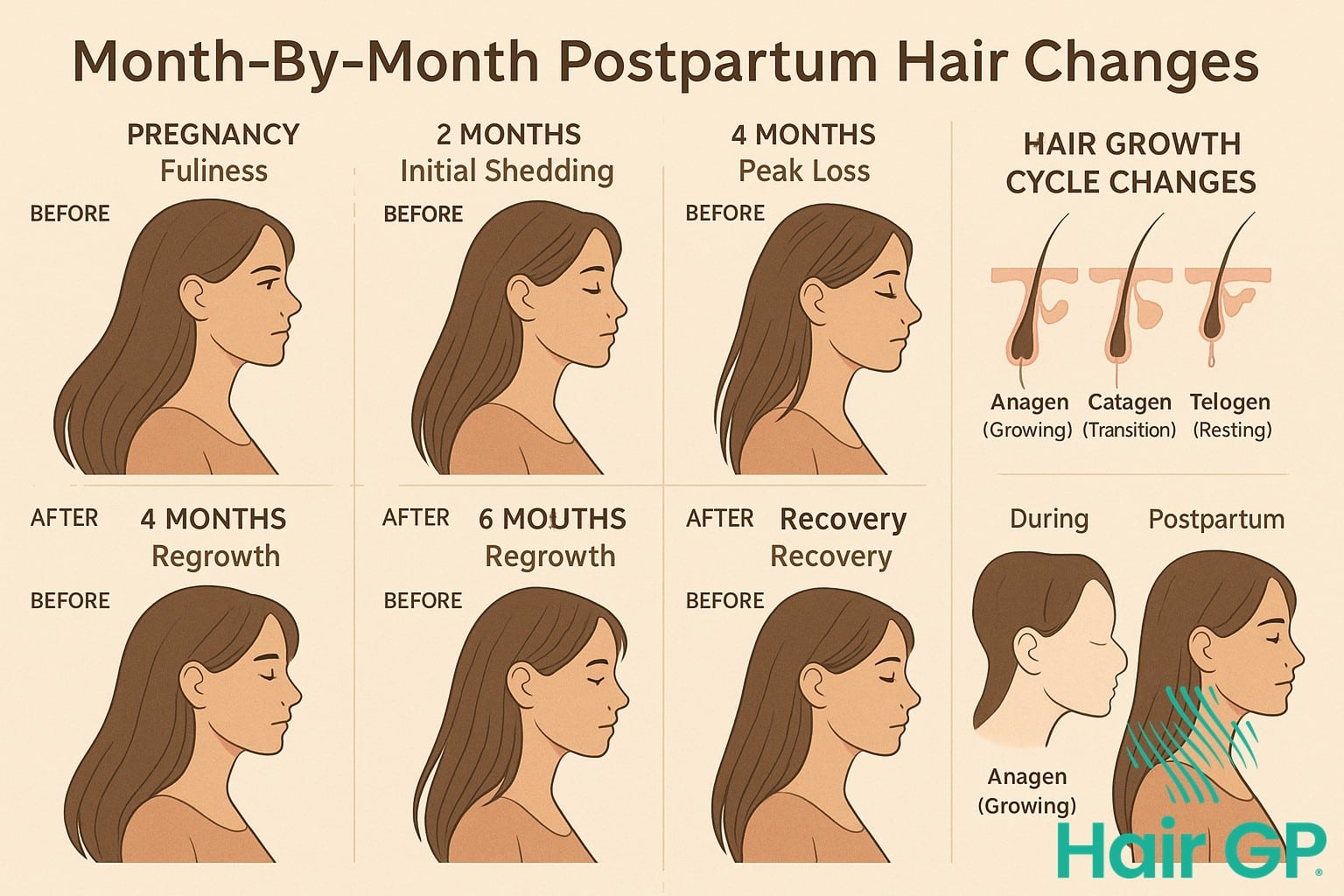
Here’s a simple timeline to help you visualize the typical process:
| Time After Birth | Hair Growth Phase | What You May Notice |
|---|---|---|
| 0-2 months | Still in pregnancy phase | Fuller hair, minimal shedding |
| 2-4 months | Transition to shedding | Increased hair loss begins |
| 4-6 months | Shedding phase peaks | Significant hair loss, thinner ponytail |
| 6-12 months | Recovery and regrowth | Shedding slows, baby hairs appear |
Factors That Influence The Start
Not all women will notice hair loss at the same time. Several factors can influence the timing:
- Genetics: If your mother or sisters had early or late postpartum shedding, you might too.
- Hormonal balance: Women with thyroid issues or polycystic ovary syndrome (PCOS) may see different patterns.
- Stress levels: High stress can trigger earlier or more intense hair shedding.
- Nutrition: Poor diet or low iron after delivery can also affect the timing.
Knowing your own risk factors can help you prepare and understand what is happening to your body.
When Does Postpartum Hair Loss Peak?
The most intense period of postpartum hair loss is called the peak. This is when you may notice the most hair coming out in the shower or on your brush.
Typical Peak Period
For most women, postpartum hair loss peaks around 4 to 6 months after giving birth. During these weeks, it’s not unusual to see large clumps of hair falling out. Some women find hair on their pillow, in the sink, or even clogging the shower drain.
The amount of hair lost can be shocking, but remember that this is hair that would have fallen out gradually during pregnancy if not for the higher estrogen levels.
How Long Does The Peak Last?
The peak usually lasts for 1 to 2 months. After this period, the shedding slows down, and most women notice hair loss returning to normal by their baby’s first birthday.
It’s worth noting that if you have twins or multiples, or if you have had any birth complications, the stress on your body may make the shedding last longer.
Real Life Example
One new mother, Sarah, described her experience: “At four months postpartum, I started seeing hair everywhere—on my clothes, in the car, in the crib. It felt never-ending. By six months, it started to slow down, and I could see new hairs growing at my hairline.”
This is a common story, and knowing that you are not alone can make the process less stressful.
How Much Hair Loss Is Normal?
It can be hard to know what is normal postpartum hair loss and what might signal a problem. The amount of hair lost varies, but some data can help.
Average Hair Loss Numbers
Before pregnancy, a person loses about 50 to 100 hairs per day. During the peak of postpartum shedding, this number can jump to 300 or more hairs per day.
Here’s a comparison:
| Situation | Average Daily Hair Loss |
|---|---|
| Normal adult (not pregnant) | 50-100 hairs |
| During pregnancy | 20-50 hairs |
| Postpartum peak | 150-400 hairs |
If you are seeing large clumps of hair but have no bald spots or patchy areas, this is likely normal postpartum shedding.
Signs Of Abnormal Hair Loss
While postpartum hair loss is common, certain signs may suggest another problem:
- Bald patches (alopecia areata)
- Thinning at the temples that doesn’t improve after 1 year
- Scalp inflammation or redness
- Persistent shedding beyond 12 months
If you notice these, it’s a good idea to consult a healthcare provider. Sometimes, underlying issues like thyroid disease or iron deficiency can worsen hair loss.
What Does Postpartum Hair Loss Look Like?
Many mothers worry about how their hair will look. Will it be thin all over? Will they have bald spots? Understanding the typical pattern can help set expectations.
Common Patterns
- Diffuse shedding: Most women experience even hair loss all over the scalp. The hair looks thinner, but there are no clear bald spots.
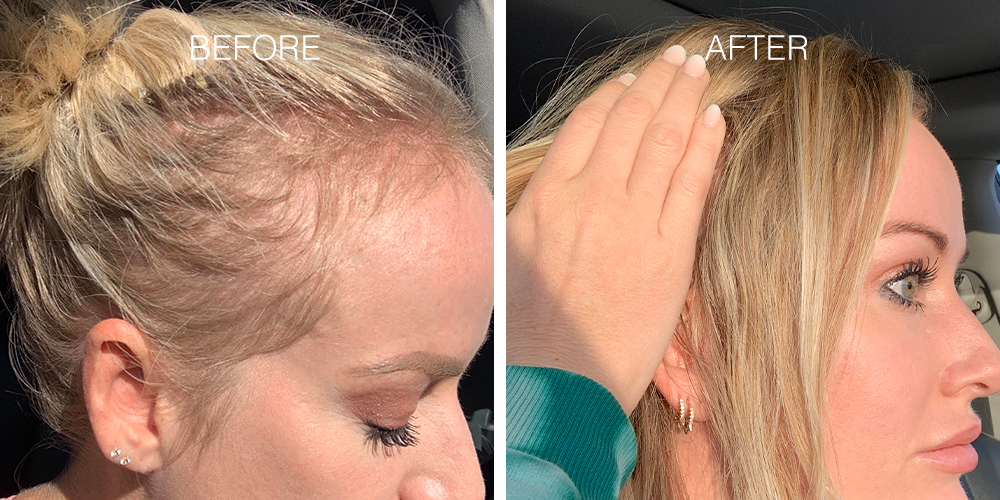
- Thinning at the hairline: Some notice more loss at the temples or front of the head.
- Baby hairs regrowth: As the shedding slows, short new hairs (often called “baby hairs”) start to grow, especially around the hairline.
Psychological Impact
Even though postpartum hair loss is normal, it can feel emotionally hard. Your hair is part of your identity. It’s common to feel less attractive or more self-conscious during this time.
One non-obvious tip: Take pictures of your hair before and after pregnancy. This can help you see that regrowth is happening, even if it feels slow day by day.
Factors That Affect Postpartum Hair Loss
Not every woman will have the same experience. Several factors can affect both the timing and severity of postpartum hair loss.
1. Genetics
If your family members had strong postpartum shedding, you may too. Genetics play a big role in hair cycles.
2. Hormonal Changes
Women with thyroid issues (like hypothyroidism or hyperthyroidism) can have more severe hair loss. Thyroid problems are common after childbirth, so if your hair loss seems extreme, ask your doctor for a thyroid check.
3. Nutritional Status
Low levels of iron, zinc, or vitamin D can make hair loss worse. After childbirth, many women have low iron, especially if there was blood loss during delivery.
4. Stress
New motherhood is stressful. Lack of sleep, anxiety, and physical exhaustion can push more hair into the shedding phase.
5. Breastfeeding
Some believe that breastfeeding can delay or change the timing of postpartum hair loss. However, studies show mixed results. For some, hair loss starts later if they are breastfeeding; for others, it makes no difference.
6. Hair Care Habits
Frequent heat styling, tight ponytails, or harsh chemicals can make hair more fragile and break easily during this sensitive period.
7. Medical Conditions
Certain conditions, like PCOS or autoimmune diseases, can cause additional hair loss. If you have any chronic health conditions, be sure to discuss postpartum changes with your doctor.
Credit: nulastin.com
How Long Does Postpartum Hair Loss Last?
The good news is that postpartum hair loss is temporary. But how long does it actually last?
Typical Duration
For most women, the shedding phase lasts about 2 to 4 months. After that, hair loss slows down, and regrowth begins. By 6 to 12 months postpartum, most women’s hair returns to its pre-pregnancy pattern.
What If Hair Loss Lasts Longer?
If you are still losing a lot of hair after your baby turns one, it’s a good idea to check with your doctor. Sometimes, ongoing loss means there is another issue, such as:
- Thyroid imbalance
- Anemia (low iron)
- Nutritional deficiencies
- Chronic stress
A simple blood test can rule out these causes and help you get back on track.
How To Manage And Minimize Postpartum Hair Loss
While you cannot stop postpartum hair loss completely, you can take steps to keep your scalp healthy and encourage regrowth.
Gentle Hair Care Tips
- Use a wide-tooth comb to gently detangle hair and reduce breakage.
- Avoid heat styling as much as possible (blow-drying, straightening, curling).
- Choose mild, sulfate-free shampoos and conditioners to reduce scalp irritation.
- Don’t tie hair too tightly—loose ponytails or buns are better.
- Limit chemical treatments like coloring or perming during the shedding phase.
Nutrition Matters
Eating a balanced diet rich in iron, zinc, biotin, and vitamin D can support healthy hair regrowth. Some women benefit from continuing their prenatal vitamins for several months after birth.
Foods to include:
- Leafy greens (spinach, kale)
- Eggs
- Nuts and seeds
- Fish
- Lean meats
- Beans and lentils
If you are vegetarian or vegan, pay special attention to iron and zinc intake, as plant sources are less easily absorbed.
Scalp Massage
Massaging your scalp for a few minutes each day can increase blood flow and stimulate hair follicles. Use your fingertips and gentle, circular motions.
Manage Stress
High stress can worsen hair loss. Try to get rest when you can, ask for help, and practice relaxation techniques like deep breathing or meditation.
Haircuts And Styling
A shorter haircut can make hair look thicker and reduce the appearance of thinning. Many mothers choose a “mom chop” for practical and emotional reasons.
If you use styling products, look for volumizing shampoos and sprays that add body without weighing hair down.
Consider Medical Treatments (when Necessary)
If your hair loss is very severe or not improving, consult a dermatologist. In some cases, medications like minoxidil can help, but they are not always safe during breastfeeding. Always check with your doctor first.
Myths And Truths About Postpartum Hair Loss
There is a lot of confusion about what causes postpartum hair loss and what you can do about it. Let’s clear up some common myths.
Myth 1: “if You Breastfeed, You Won’t Lose Hair.”
Truth: There is no strong scientific proof that breastfeeding prevents or causes postpartum hair loss. The main driver is the drop in estrogen after delivery.
Myth 2: “cutting Your Hair Will Stop It From Falling Out.”
Truth: Haircuts can make hair look fuller, but they do not affect the cycle of shedding.
Myth 3: “taking More Vitamins Will Cure Hair Loss.”
Truth: Only take supplements if you have a proven deficiency. Too much of some vitamins (like vitamin A) can actually cause hair loss.
Myth 4: “washing Your Hair Less Often Will Slow The Shedding.”
Truth: You are not causing more hair loss by washing your hair. The hairs that fall out during washing were already ready to shed.
Myth 5: “you Will Go Bald From Postpartum Hair Loss.”
Truth: True baldness is rare. Most women experience diffuse thinning, not complete bald spots.
Special Considerations: Twins, C-sections, And Complications
Some mothers experience more intense or longer-lasting hair loss due to special circumstances.
After Twin Or Multiple Births
Carrying twins or more puts extra stress on the body, and the hormonal changes can be even more dramatic. Postpartum hair loss may start sooner, peak higher, and last longer.
After Cesarean Section
A C-section is major surgery, and the body needs time to recover. The stress of surgery can trigger telogen effluvium in addition to the normal postpartum shedding. Some mothers notice heavier or longer-lasting hair loss after a C-section.
Complications And High Blood Loss
If you had a complicated delivery or lost a lot of blood, your body may be low in iron. Iron deficiency is a common cause of hair loss, so ask your doctor for a blood test if you are concerned.
Credit: www.michelegreenmd.com
Postpartum Hair Regrowth: What To Expect
After the peak of shedding, your hair will begin to regrow. Here’s what to look for:
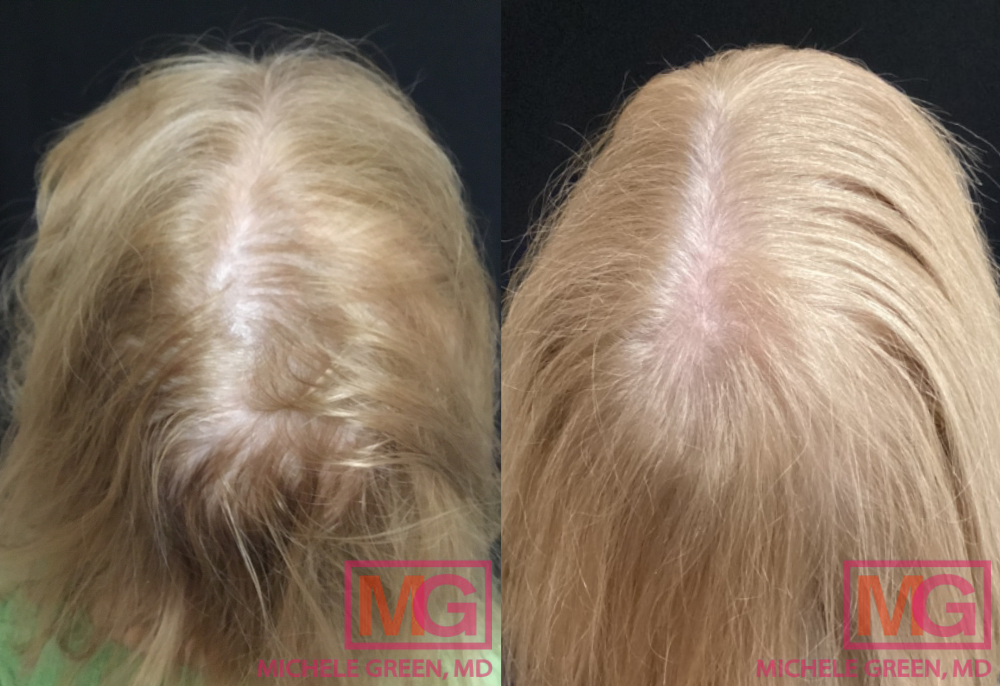
- Short, wispy hairs at the hairline (these are new hairs growing in)
- Gradual thickening of hair over months
- Texture changes—sometimes new hair feels softer or curlier
Regrowth can take time. Most women see significant improvement by 12 months postpartum. For some, especially those with curly or coarse hair, it may take longer to notice a difference.
Tips For Supporting Regrowth
- Continue a balanced diet.
- Be gentle with hair care.
- Use soft scrunchies or hair ties.
- Avoid harsh chemicals.
- Try volumizing products as hair fills in.
If you are worried about slow regrowth, ask your doctor about possible blood tests for iron, thyroid, and vitamin levels.
Real-world Data And Research
Several studies have looked at postpartum hair loss. Here are some key findings:
- 80-90% of women experience some degree of hair loss after pregnancy.
- The peak shedding usually happens between 3 and 6 months postpartum.
- Most women return to normal hair growth by 12 months.
According to the American Academy of Dermatology, postpartum hair loss is a form of telogen effluvium and is rarely permanent.
Credit: hairgp.co.uk
When Should You See A Doctor?
While most postpartum hair loss is normal, you should see your doctor if you notice:
- Hair loss lasting longer than 12 months
- Bald patches or uneven thinning
- Redness, itching, or pain on the scalp
- Other symptoms like fatigue, weight changes, or mood swings
These may signal a medical problem that needs attention.
Comparing Postpartum Hair Loss To Other Types Of Hair Loss
It’s easy to confuse postpartum hair loss with other hair conditions. Here is a quick comparison:
| Type | Cause | Pattern | Duration |
|---|---|---|---|
| Postpartum Hair Loss | Hormonal changes after pregnancy | Diffuse (all over) | 2-12 months |
| Alopecia Areata | Autoimmune | Bald patches | Varies, can be long-term |
| Androgenetic Alopecia | Genetic, hormonal | Thinning at crown or temples | Progressive, long-term |
| Telogen Effluvium (other) | Stress, illness, drugs | Diffuse | 3-6 months |
If you are unsure, take a photo and show your doctor. They can help diagnose the type and suggest treatment if needed.
The Emotional Side: Coping With Postpartum Hair Loss
Hair loss can be tough emotionally, especially when you are already dealing with the demands of a new baby. Here are some strategies that help:
- Talk to other mothers. You will quickly find you are not alone.
- Remember that this is temporary. Most women see regrowth within a year.
- Focus on self-care where you can—rest, nutrition, and gentle hair care all help.
- If you feel very upset or depressed, talk to your doctor. Postpartum depression is common and treatable.
One non-obvious insight: Some women find that their self-esteem improves when they take control with a new haircut or try a new style. It’s a small way to regain confidence during a time of big changes.
Frequently Asked Questions
What Is The Main Cause Of Postpartum Hair Loss?
The main cause is the drop in estrogen after giving birth. During pregnancy, high estrogen keeps hair in the growth phase. After delivery, estrogen levels fall and many hairs enter the shedding phase at once.
Can Postpartum Hair Loss Be Prevented?
You cannot stop postpartum hair loss completely, as it is caused by normal hormone changes. However, gentle hair care, a healthy diet, and managing stress can reduce breakage and support regrowth.
How Do I Know If My Hair Loss Is Not Normal?
If you have bald spots, persistent shedding after 12 months, or other symptoms like scalp pain, see your doctor. These may signal another problem, such as thyroid disease or alopecia.
Will My Hair Go Back To The Way It Was Before Pregnancy?
For most women, hair returns to normal within 6 to 12 months after birth. Sometimes, the texture or thickness may change slightly, but regrowth is typical.
Is It Safe To Use Hair Loss Treatments While Breastfeeding?
Some treatments, like minoxidil, are not recommended during breastfeeding. Always check with your doctor before starting any medication or supplement for hair loss.
Coping with postpartum hair loss can be challenging, but understanding the timing and what to expect makes the process easier. Remember, you are not alone, and for most women, this is a temporary stage on the path to recovery. By caring for your hair and your overall health, you will see improvement and regain confidence as your body continues to heal and adapt.