

Low porosity hair can be a puzzle for many. If you have ever felt like your hair rejects moisture, or that products sit on top of your strands instead of soaking in, you might have this unique hair type. Choosing the right humectants for low porosity hair is not just about picking any product labeled “moisturizing.
” It’s about understanding how your hair interacts with water, the environment, and the ingredients you use. Whether you live in a humid city, a dry desert, or a place where the weather changes every month, your hair needs can shift dramatically.
This guide will help you choose humectants that work in every climate, explain why they matter, and reveal hidden tips most beginners miss.
Understanding Low Porosity Hair
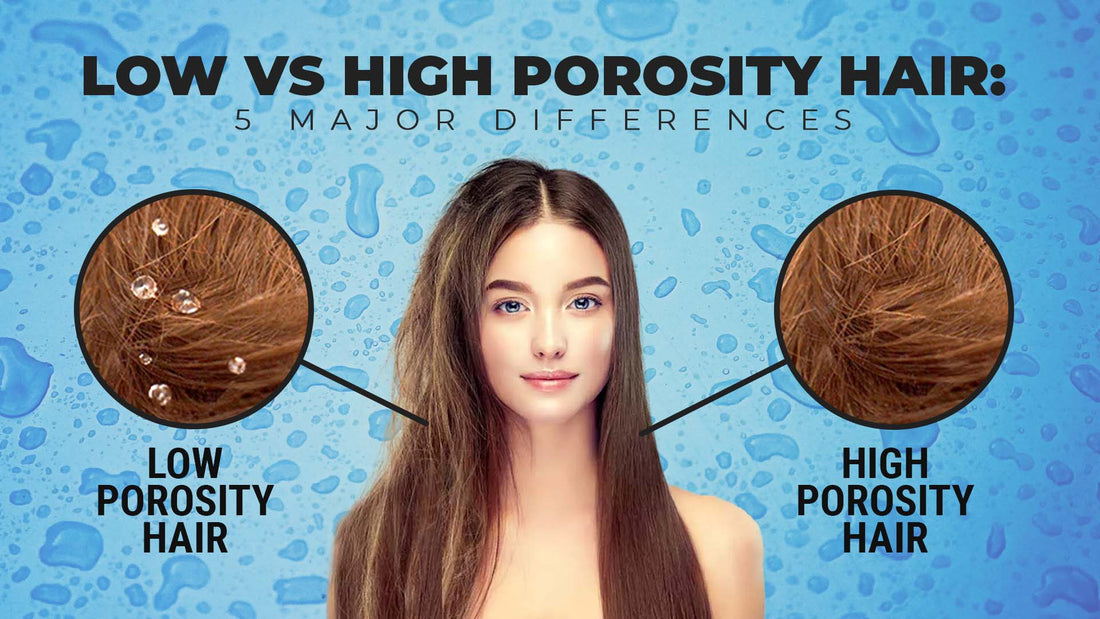
Low porosity hair is defined by its tightly closed cuticle layer. This means water and products have a hard time entering the hair shaft. You may notice water beads up on your hair instead of soaking in, and your favorite deep conditioners just sit on top. This can lead to product buildup, dryness, and a dull appearance. The structure of low porosity hair protects it from damage but makes it challenging to moisturize.
A common misconception is that all moisture is good for low porosity hair. In reality, the type and amount of moisture, as well as how it’s delivered, matter more than the label on the bottle. Humectants play a crucial role, but not all humectants are the same—or suitable for every climate.
What Are Humectants And Why Do They Matter?
Humectants are ingredients that attract water from the environment into your hair. They are essential for moisture balance, especially for hair types that have difficulty retaining hydration. However, the effectiveness of a humectant depends on two main factors: the climate you are in and your hair’s porosity.
For low porosity hair, humectants can be both a blessing and a curse. Used correctly, they help maintain softness and prevent breakage. Used incorrectly, they can cause frizz, buildup, or even dryness as they pull moisture away from your hair in the wrong environment.

Credit: theradome.com
How Climate Changes Humectant Performance
The local climate changes how humectants behave. In high humidity, humectants can draw too much water into the hair, making it swell and frizz. In low humidity (dry air), they may pull moisture out of your hair into the air, leaving it brittle.
Here’s an example. If you use glycerin in a city with 80% humidity, your hair may become puffy or sticky. The same product in a dry, heated home in winter might leave your hair feeling straw-like. This is why understanding humectants and matching them to your environment is vital for low porosity hair.
The Best Humectants For Low Porosity Hair In Every Climate
Let’s look at the top humectants that really work for low porosity hair across different environments, and how to use them wisely.
1. Propanediol
Propanediol is a newer, plant-based humectant. It is less sticky than glycerin and works well in both humid and dry climates. Propanediol penetrates the hair cuticle more easily, so it avoids surface buildup, a common issue with low porosity hair.
Why it’s great: It balances moisture without leaving a greasy or sticky feeling. It also helps other ingredients absorb better.
Pro tip: Look for propanediol in light leave-in conditioners or sprays. This allows you to add moisture without weighing down your hair.
2. Sodium Pca
Sodium PCA is a powerful humectant found naturally in human skin. It holds several times its weight in water but does not overdraw moisture in dry climates.
Why it’s great: It’s less sensitive to humidity changes, making it a safe choice all year round. Sodium PCA works well for low porosity hair because it hydrates the surface without causing buildup or frizz.
Pro tip: Use products with sodium PCA after washing, when your hair is still damp, to lock in hydration.
3. Betaine
Betaine comes from sugar beets and is gentle on hair. It pulls in moisture but has an extra benefit: it also helps reduce irritation and adds slip, making detangling easier.
Why it’s great: Betaine does not make hair sticky and is suitable for all climates. It provides a smooth feel and can help protect against environmental stress.
Pro tip: Try betaine-containing products as a detangler for wash days, especially if you struggle with knots.
4. Panthenol (pro-vitamin B5)
Panthenol is famous for its ability to attract and hold water. It also strengthens hair and adds shine. Panthenol is less likely to cause buildup because it is lightweight and can move past the cuticle.
Why it’s great: It works in both humidity and dryness. Panthenol also helps repair minor damage, so it is good for color-treated or heat-styled low porosity hair.
Pro tip: Look for panthenol in lightweight sprays or foams. You can use it daily without making hair heavy.
5. Aloe Vera
Aloe vera is a natural humectant and conditioner. Its structure is close to water, so it hydrates without overwhelming low porosity hair. Aloe vera also soothes the scalp.
Why it’s great: It is safe for all climates and reduces frizz. Aloe vera works well as a leave-in or mixed with water in a spray bottle for refreshing curls.
Pro tip: Always check the ingredient list—some “aloe” products contain alcohol or heavy oils that can block moisture.
6. Hyaluronic Acid
Hyaluronic acid is a superstar in skincare, but it’s also excellent for hair. It can hold up to 1000 times its weight in water and draws moisture without becoming sticky or heavy.
Why it’s great: It works even in low humidity and does not cause buildup. Hyaluronic acid is great for dry, brittle, or aging low porosity hair.
Pro tip: Use hyaluronic acid serums or mists on wet hair for best results.
7. Glycerin (used Strategically)
Glycerin is one of the most common humectants. It is very effective but also very sensitive to the environment. In high humidity, it can make hair frizzy. In dry climates, it can pull moisture from your strands.
Why it’s great: When used in moderation and in the right climate (moderate humidity), glycerin softens hair and helps define curls. It is also easy to find and affordable.
Pro tip: If you live in a place with changing weather, use glycerin sparingly. Combine it with oils or butters to “seal” moisture in.
8. Honey
Honey is a natural humectant with added nutrients and antibacterial properties. It attracts moisture and adds shine.
Why it’s great: In moderate climates, honey can deeply hydrate low porosity hair. It is also soothing for the scalp.
Pro tip: Mix honey with your deep conditioner, but always rinse well to avoid stickiness and buildup.
9. Sorbitol
Sorbitol is a sugar alcohol often used in cosmetics. It draws water but is less aggressive than glycerin, making it a safer choice for variable climates.
Why it’s great: Sorbitol hydrates without making hair puffy or limp. It’s especially good for fine low porosity hair.
Pro tip: Sorbitol is often found in gel formulations—great for light hold and moisture.
10. Agave Nectar
Agave nectar is another plant-based humectant. It behaves similarly to honey but is less sticky and lighter on the hair.
Why it’s great: It works well in moderate humidity and is gentle enough for sensitive scalps.
Pro tip: Use agave nectar in DIY leave-in sprays, mixed with water and a drop of oil, for a natural boost.
11. Xylitol
Xylitol is known for its use in gum, but it’s also a mild, effective humectant for hair. It attracts moisture without overwhelming the hair.
Why it’s great: Xylitol is suitable for all climates and reduces scalp irritation.
Pro tip: Look for xylitol in scalp tonics or lightweight serums.
12. Sodium Lactate
Sodium lactate is the sodium salt of lactic acid. It is a strong humectant, holding more water than glycerin, but is less sticky.
Why it’s great: It works in both dry and humid climates and helps even out hair texture.
Pro tip: Use sodium lactate in rinse-out treatments to boost moisture without buildup.
13. Fructose
Fructose is a sugar-based humectant that is often paired with other moisturizing ingredients.
Why it’s great: It pulls moisture gently and is less likely to cause over-hydration or buildup.
Pro tip: Fructose is often in fruit-based hair masks—perfect for a gentle moisture refresh.
14. Urea
Urea is a powerful humectant and keratolytic agent, meaning it can soften tough, dry patches. It helps water penetrate the hair shaft.
Why it’s great: It works in every climate but is especially good in dry air. Urea is ideal for very dry or hard-to-soften low porosity hair.
Pro tip: Use urea-containing products once a week for a moisture boost.
15. Trehalose
Trehalose is a sugar found in some plants that survive extreme dryness. It helps hair retain water and protects against environmental stress.
Why it’s great: Trehalose is stable in every climate and prevents moisture loss over time.
Pro tip: Look for trehalose in serums if your hair is exposed to sun, wind, or pollution.
16. Glycereth-26
Glycereth-26 is a modified form of glycerin. It’s less sticky and more stable, making it suitable for all weather conditions.
Why it’s great: It gives long-lasting moisture without the side effects of raw glycerin.
Pro tip: Use in styling creams or serums for smooth, hydrated hair.
17. Butylene Glycol
Butylene glycol is a lightweight humectant often used with other moisturizers. It boosts hydration and helps other ingredients absorb.
Why it’s great: It is suitable for all climates and does not make hair greasy.
Pro tip: Look for butylene glycol in mists or sprays for daily refreshment.
18. Inositol
Inositol is a sugar alcohol found in rice water. It penetrates deeply and helps retain moisture, making it valuable for low porosity hair.
Why it’s great: It provides lasting hydration and strengthens hair from the inside.
Pro tip: Try rice water rinses for a natural source of inositol.
19. Maltitol
Maltitol is another sugar-derived humectant, gentle and suitable for sensitive hair and scalp.
Why it’s great: It hydrates softly and does not cause stickiness or buildup.
Pro tip: Use maltitol-based products for children’s low porosity hair or those with sensitive skin.
20. Peg-7 Glyceryl Cocoate
PEG-7 Glyceryl Cocoate combines coconut oil and glycerin. It moisturizes and conditions without making hair heavy.
Why it’s great: It is effective in all climates and adds shine.
Pro tip: Look for this ingredient in lightweight conditioners or detangling sprays.
Comparing Popular Humectants For Low Porosity Hair
Understanding how common humectants differ can help you choose the best option for your needs. Here’s a comparison of five popular humectants:
| Humectant | Moisture Retention | Sticky/Heavy? | Works in Dry Climate? | Works in Humid Climate? |
|---|---|---|---|---|
| Glycerin | High | Yes (can be sticky) | No (may cause dryness) | No (can cause frizz) |
| Propanediol | Medium | No | Yes | Yes |
| Panthenol | Medium | No | Yes | Yes |
| Sodium PCA | High | No | Yes | Yes |
| Honey | Medium | Yes (if used too much) | Moderate | Moderate |
How To Choose And Use Humectants For Your Climate
In High Humidity
In places like tropical cities or rainy seasons, the air is full of moisture. Using strong humectants like glycerin can cause your hair to swell, frizz, or lose its style.
Best humectants: Propanediol, panthenol, sodium PCA, betaine, hyaluronic acid, trehalose.
Tips:
- Use lighter products and avoid layering too many humectants.
- Combine humectants with light oils or silicone-free serums to “seal” in moisture.
- Avoid using pure glycerin or honey-based leave-ins.
In Low Humidity
In dry climates or during winter, humectants can pull water from your hair into the air, leaving it drier than before.
Best humectants: Sodium PCA, panthenol, hyaluronic acid, urea, propanediol, sodium lactate.
Tips:
- Always apply humectants to damp hair, then seal with an oil or cream.
- Avoid using high-glycerin products without a sealing step.
- Use a humidifier at home for extra moisture.
In Moderate Or Changing Climates
If your weather shifts from humid to dry, you need flexible products.
Best humectants: Betaine, propanediol, panthenol, sorbitol, agave nectar.
Tips:
- Rotate products based on daily conditions.
- Layer with a light oil or butter to adjust moisture balance.
- Pay attention to how your hair feels and adjust the routine as needed.
Humectant Use By Hair Routine Step
Different humectants shine in different steps of your routine. Here’s a simple breakdown:
| Routine Step | Best Humectants | Why |
|---|---|---|
| Shampoo | Panthenol, betaine, propanediol | Cleanse gently, add moisture |
| Conditioner | Sodium PCA, sodium lactate, honey | Deep hydration, easy detangling |
| Leave-in | Aloe vera, hyaluronic acid, agave nectar | Lightweight, daily moisture |
| Styling | Propanediol, sorbitol, glycereth-26 | Moisture hold, frizz control |
Common Mistakes When Using Humectants On Low Porosity Hair
- Overusing strong humectants like glycerin or honey in humid or dry climates. This leads to frizz or dryness.
- Skipping the sealing step. Humectants need to be followed by a sealant to keep moisture in.
- Layering too many products. Low porosity hair can quickly become overloaded, leading to dullness and buildup.
- Not adjusting for weather. Using the same routine year-round can backfire as the climate shifts.
- Ignoring product ingredients. Many “moisturizing” products contain heavy oils or butters that block humectants from working.
Credit: theradome.com
Non-obvious Insights For Low Porosity Hair Care
- Humectant effectiveness changes with water hardness. If you have hard water at home, humectants may not work as well because minerals block absorption. Using a chelating shampoo once a month can help.
- Layering order matters. Always use humectants on damp (not soaking wet or dry) hair, then add a light oil or cream. This “sandwich” method traps moisture inside.
- Avoid heat styling immediately after using humectants. Moisture-rich hair is more vulnerable to heat damage, so let it air dry or use a cool setting.
How To Spot Humectants On Ingredient Labels
Ingredients are often listed by their chemical names. Here are some terms to watch for:
- Propanediol, panthenol, sodium PCA, betaine, sorbitol, xylitol, inositol, sodium lactate, urea, trehalose, maltitol, glycereth-26, butylene glycol, PEG-7 glyceryl cocoate.
If you see these near the top of the ingredient list, the product is likely to be hydrating.
Diy Humectant Sprays For Low Porosity Hair
Making your own humectant spray can be simple and cost-effective. Here’s a basic recipe for any climate:
Universal Hydration Spray
- 1 cup distilled water
- 1 tsp aloe vera juice
- 1/2 tsp propanediol or sodium PCA (available online)
- 2-3 drops of light oil (jojoba or argan)
- Optional: 2-3 drops of essential oil for scent
Mix in a spray bottle and shake well. Use on damp hair after washing, or as a mid-week refresher.
When To Avoid Humectants
Some situations call for little or no humectant use:
- During very cold weather, humectants can freeze on the hair, leading to breakage.
- If you swim often in chlorinated water, humectants can make hair absorb more chemicals. Always rinse and use a swimmer’s shampoo.
- If your scalp is irritated or broken, some humectants (like honey or urea) may cause stinging.
Real-world Examples: Humectant Use Around The Globe
- Tokyo, Japan: High humidity summers. Residents use panthenol and propanediol-based sprays, avoid glycerin.
- Los Angeles, USA: Dry air most of the year. Sodium PCA and hyaluronic acid are popular in leave-ins.
- London, UK: Variable climate. Many use betaine and sorbitol as daily moisturizers, switching up routines as weather changes.
- Cairo, Egypt: Dry and hot. Urea and sodium lactate are used for deep treatments, always sealed with a light oil.
Research And Evidence On Humectants
Studies show that humectants like sodium PCA, panthenol, and propanediol improve hair hydration without causing buildup or irritation. According to the National Institutes of Health, sodium PCA and panthenol are safe and effective for both skin and hair, even in sensitive individuals.

Credit: www.allure.com
Maintenance Tips For Healthy Low Porosity Hair
- Clarify hair once a month to remove buildup.
- Use a silk or satin pillowcase to reduce friction and moisture loss.
- Adjust your routine for travel or seasonal changes.
- Test new products on a small section of hair before applying all over.
- Track your results—note what works in different weather or after using new products.
Frequently Asked Questions
What Humectant Is Safest For Low Porosity Hair In All Climates?
Propanediol and panthenol are the safest options for all climates. They hydrate without causing frizz or dryness, and do not build up easily.
Can I Use Glycerin On Low Porosity Hair?
You can, but only in moderate humidity. In very humid or very dry climates, glycerin can cause frizz or dryness. Use it sparingly and always seal with an oil or cream.
How Do I Know If A Humectant Is Working?
Your hair should feel soft, bouncy, and hydrated—not sticky, greasy, or dry. If you notice buildup, frizz, or dryness, switch to a gentler humectant or reduce how often you use it.
Are Natural Humectants Better Than Synthetic Ones?
Not always. Some natural humectants like honey can be sticky and hard to rinse out, while synthetics like propanediol or sodium PCA are lightweight and effective. Choose based on your hair’s response, not just the source.
Should I Avoid Humectants In Winter?
Not completely. Use gentle humectants like sodium PCA or panthenol, and always seal with a light oil or cream. You may need to adjust your routine if the air is very dry or if you use indoor heating.
—
Finding the right humectants for low porosity hair is about more than reading labels. It’s about understanding your hair, your environment, and the science behind each ingredient. By choosing wisely and adjusting for climate, you can enjoy healthy, hydrated hair in any season or place.
Remember, listen to your hair—it will always tell you what it needs.