

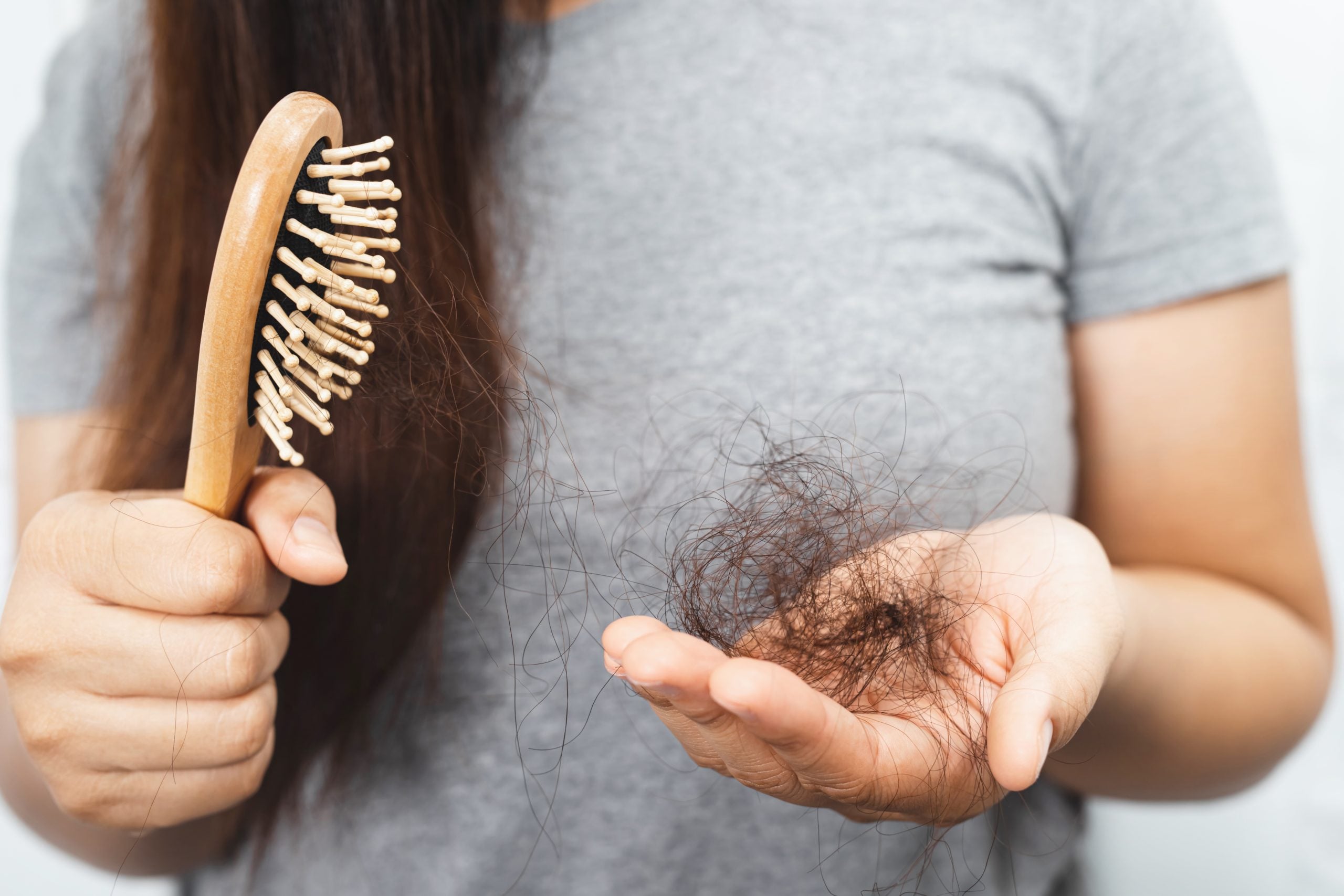
Menopause brings many changes to a woman’s body, and one of the most distressing can be hair loss. While it is normal to lose some hair every day, many women notice increased thinning or shedding during menopause. This can affect confidence and self-image. The good news is, you do not have to accept hair loss as a normal part of aging. There are many natural remedies that may help reduce hair loss during menopause, and some are backed by scientific evidence. In this guide, you will learn about the causes of menopausal hair loss, evidence-based natural options, practical tips, and what to expect from each remedy. You will also find answers to common questions many women have about this sensitive topic.
Understanding Hair Loss During Menopause
Hair loss during menopause is more common than many realize. Studies estimate that up to 50% of women notice increased hair shedding or thinning during this period. The main reason is hormonal changes, especially a drop in estrogen and progesterone. These hormones help keep hair in a growing phase longer. When their levels fall, hair can become thinner, drier, and more likely to fall out.
Other factors also play a role:
- Genetics: Family history of female pattern hair loss increases risk.
- Stress: Emotional or physical stress can trigger more shedding.
- Poor nutrition: Deficiencies in iron, zinc, vitamin D, or protein can worsen hair loss.
- Thyroid problems: Hypothyroidism is more common after menopause and often causes hair thinning.
Knowing the cause helps you target the right remedy. Sometimes, hair loss is temporary and will improve as your body adjusts to new hormone levels. In other cases, you may need to try several strategies to see real results.
Evidence-based Natural Remedies
Not every natural remedy works for everyone, and not every option is supported by strong scientific studies. However, some remedies have been tested and show promise for menopausal hair loss. Here you will find detailed information about each one, including how it works, what the research says, and practical advice for safe use.
1. Saw Palmetto
Saw palmetto is an herbal extract from the fruit of the Serenoa repens plant. It is often used as a natural treatment for hair loss because it may block the production of dihydrotestosterone (DHT), a hormone linked to hair thinning.
- How it works: Saw palmetto is thought to inhibit the enzyme 5-alpha-reductase, which converts testosterone to DHT.
- Research: Several small studies suggest that saw palmetto may improve hair density and slow hair loss. One study found that 38% of women using a saw palmetto supplement had increased hair growth after 24 weeks.
- How to use: Saw palmetto is available as capsules, tablets, or topical serums. Most studies use a daily dose of 160-320 mg of the extract.
Insight: Saw palmetto can take several months to show visible effects. Not all supplements are equal in quality, so look for standardized extracts.
2. Pumpkin Seed Oil
Pumpkin seed oil is another natural DHT blocker, rich in zinc and phytosterols. It has become popular as a remedy for hair loss in both men and women.
- How it works: The oil may block enzymes that produce DHT and provide nutrients that support scalp health.
- Research: A randomized trial showed that people taking 400 mg of pumpkin seed oil daily for 24 weeks had a 40% increase in hair count.
- How to use: Take pumpkin seed oil as a supplement or apply it directly to the scalp. For best results, use consistently.
Practical tip: The oil can stain pillowcases, so apply at night and use a towel or old pillowcase.
3. Topical Essential Oils
Certain essential oils have shown benefits for hair growth when applied to the scalp. The most studied are rosemary, peppermint, and lavender oils.
- How they work: These oils may stimulate blood flow to hair follicles, reduce inflammation, and help regulate scalp oil production.
- Research: A study compared rosemary oil to minoxidil (a common hair loss drug) and found similar improvement in hair thickness after six months. Peppermint oil increased hair growth in animal studies.
- How to use: Mix a few drops with a carrier oil (like coconut or jojoba) and massage into the scalp for 5-10 minutes, 2-3 times per week.
Beginner mistake: Using undiluted essential oils can irritate the skin. Always dilute before applying.
4. Nutritional Supplements
Vitamins and minerals play a key role in healthy hair. During menopause, diet gaps are common, and correcting them can help with hair loss.
Key nutrients for hair growth include:
- Iron: Low iron is a common cause of hair loss in women, especially after menopause.
- Vitamin D: Supports hair follicle cycling.
- Zinc: Helps with tissue repair and hormone balance.
- Biotin: A B vitamin important for hair structure.
| Nutrient | Role in Hair Health | Common Food Sources |
|---|---|---|
| Iron | Oxygen delivery to hair roots | Red meat, beans, spinach |
| Vitamin D | Stimulates hair follicles | Sunlight, fatty fish, eggs |
| Zinc | Cell growth, repair | Pumpkin seeds, nuts, seafood |
| Biotin | Keratin production | Egg yolk, almonds, sweet potatoes |
- How to use: Get blood levels tested before starting supplements. Do not exceed recommended doses, as too much can harm hair.
Extra tip: Iron supplements work best when taken with vitamin C for absorption.
5. Scalp Massage
Regular scalp massage can help stimulate hair growth by increasing blood flow to the hair follicles.
- How it works: Massaging the scalp stretches the skin and increases circulation, which may encourage follicles to stay in the growth phase longer.
- Research: A Japanese study found that 4 minutes of daily scalp massage increased hair thickness after 24 weeks.
- How to do it: Use your fingertips to apply gentle pressure in circular motions across the scalp. You can do this on dry hair or while shampooing.
Overlooked detail: Many people quit too soon. Consistency over several months is key to seeing benefits.
6. Stress Reduction Techniques
Chronic stress raises levels of cortisol and other hormones that can trigger hair shedding. Learning to manage stress can make a significant difference.
- How it works: Stress pushes more hairs into the resting (shedding) phase. Reducing stress helps keep hair in the growing phase.
- Evidence: Mind-body practices like yoga, meditation, and mindfulness have been shown to lower stress hormones and improve hair growth in some studies.
- How to practice: Try deep breathing exercises, progressive muscle relaxation, or guided meditation daily.
Hidden benefit: Managing stress also helps with sleep, mood, and other menopause symptoms.
7. Plant-based Phytoestrogens
Phytoestrogens are plant compounds that act like weak estrogens in the body. They may help balance hormones and reduce hair loss.
- How they work: By mimicking estrogen, phytoestrogens may support hair follicle health and counteract the effects of falling hormone levels.
- Sources: Soybeans, flaxseeds, chickpeas, lentils, tofu.
- Research: Some studies show that diets high in phytoestrogens are linked to less hair thinning in menopausal women.
Beginner tip: Add flaxseed to smoothies or yogurt for an easy boost.
8. Aloe Vera
Aloe vera is known for its soothing properties and is a popular natural remedy for many skin and scalp issues.
- How it works: Aloe vera contains enzymes that can help repair dead skin cells on the scalp, reduce dandruff, and create a healthy environment for hair growth.
- Research: While strong studies in menopausal women are limited, aloe vera has shown benefits for reducing scalp inflammation and promoting hair health in general.
- How to use: Apply pure aloe vera gel directly to the scalp, leave for 30 minutes, then rinse. Use 2-3 times per week.
Practical insight: Use fresh aloe leaf gel for best results, not products with added alcohol or fragrance.
9. Green Tea Extract
Green tea contains antioxidants called catechins, which may help with hair loss by blocking DHT and reducing inflammation.
- How it works: Green tea extract can lower DHT levels and protect hair follicles from oxidative stress.
- Research: Animal studies and some small human trials found that green tea extract may slow hair loss and improve scalp health.
- How to use: Drink 1-2 cups of green tea daily or use a topical green tea serum.
Little-known fact: Cold green tea rinses can also add shine to hair.
10. Probiotics
The health of your gut can affect your hair. Probiotics are good bacteria that support digestion and may help with hormone balance.
- How they work: A healthy gut helps the body absorb nutrients needed for hair growth and keeps inflammation in check.
- Research: Some studies suggest that women who take probiotics have healthier hair and skin. Gut health is especially important during menopause, when digestion can slow down.
- How to use: Eat probiotic-rich foods like yogurt, kefir, sauerkraut, or take a high-quality supplement.
Key tip: Combine probiotics with prebiotics (fiber-rich foods) for best results.
11. Onion Juice
Onion juice is a traditional remedy for hair loss that has gained attention for its potential benefits.
- How it works: Onion juice is high in sulfur, which helps with collagen production and blood flow to the scalp.
- Research: A small study found that applying onion juice to the scalp twice daily led to hair regrowth in 74% of participants after 6 weeks.
- How to use: Apply fresh onion juice to the scalp, leave for 30 minutes, then wash out with a mild shampoo. Use 2-3 times per week.
Caution: The smell can be strong. Rinse thoroughly and use a scented conditioner if needed.
12. Ginseng
Ginseng is a popular herb in traditional medicine and may help reduce hair loss by stimulating hair follicles.
- How it works: Ginseng may increase blood flow and provide nutrients to the scalp, supporting hair growth.
- Research: Studies show that ginseng extract can improve hair density and thickness in people with hair loss.
- How to use: Take ginseng supplements as directed or use shampoos containing ginseng extract.
Extra insight: Some people feel energized after taking ginseng, so use it earlier in the day.
13. Coconut Oil
Coconut oil is a well-known natural conditioner that can help protect hair from damage and breakage.
- How it works: The oil penetrates the hair shaft, reducing protein loss and keeping hair stronger.
- Research: Coconut oil has been shown to prevent hair damage from grooming and heat styling.
- How to use: Apply a small amount to the scalp and hair, leave for 30 minutes to overnight, then wash out.
Tip: Use only a small amount to avoid greasy hair.
14. Low-level Laser Therapy (lllt)
Although not a supplement or herb, low-level laser therapy is a natural, non-drug treatment for hair loss.
- How it works: LLLT devices use light energy to stimulate hair follicles and increase hair growth.
- Research: Multiple studies show that LLLT can increase hair density and thickness in menopausal women with thinning hair.
- How to use: Laser combs, caps, or headbands are available for home use. Most devices are used 2-3 times per week for 10-20 minutes.
Caution: Results take time, usually 3-6 months. Devices can be expensive, so weigh the investment.
15. Horsetail Extract
Horsetail is a plant rich in silica, a mineral important for hair strength and growth.
- How it works: Silica helps improve hair elasticity and reduces breakage.
- Research: Studies on silica supplements, including horsetail, found improved hair texture and reduced hair shedding.
- How to use: Take horsetail extract supplements as directed, or use shampoos containing horsetail.
Hidden risk: Horsetail contains small amounts of nicotine and may not be suitable for everyone. Check with your doctor before use.
16. Mediterranean Diet
Diet can have a big impact on hair health. The Mediterranean diet is high in fruits, vegetables, olive oil, and fish, and has been linked to less hair thinning.
- How it works: This diet provides antioxidants, healthy fats, and anti-inflammatory nutrients that support scalp and hair follicle health.
- Research: A 2018 study found that women who followed the Mediterranean diet had a lower risk of pattern hair loss.
- How to use: Eat more fresh produce, whole grains, nuts, olive oil, and fish. Limit processed foods and sugar.
Pro tip: Add herbs like rosemary and oregano for extra antioxidants.
17. Black Seed Oil
Black seed oil, from Nigella sativa, has anti-inflammatory and antioxidant properties.
- How it works: It may help keep scalp follicles healthy and reduce hair loss.
- Research: Small studies show that black seed oil applied to the scalp improves hair density.
- How to use: Apply a few drops to the scalp, massage, and leave for 30-60 minutes before washing.
Note: Black seed oil can be strong, so do a patch test first to check for irritation.
18. Nettle Leaf
Nettle leaf is another herbal remedy used for centuries to treat hair loss.
- How it works: Nettle is rich in vitamins and minerals that may support hair health and help block DHT.
- Research: While human studies are limited, nettle shows potential for reducing inflammation and supporting hair growth in animal studies.
- How to use: Drink nettle tea, take supplements, or use hair rinses made from nettle extract.
Practical tip: Nettle tea can interact with some medications. Check with your healthcare provider if you take other medicines.
19. Collagen Peptides
Collagen is the main protein in hair and skin. As you age, collagen production drops, which can weaken hair.
- How it works: Collagen supplements provide amino acids that may help build stronger hair and improve scalp health.
- Research: Early studies suggest collagen peptides can reduce hair breakage and improve overall hair quality.
- How to use: Take collagen powder or capsules daily, mixed into drinks or food.
Real insight: Collagen works best when combined with vitamin C, which helps your body use it.
20. Red Clover Extract
Red clover is a source of isoflavones, a type of phytoestrogen.
- How it works: Isoflavones may help balance hormones and reduce hair thinning linked to menopause.
- Research: Some small trials found that red clover extract improved hair strength and reduced shedding in menopausal women.
- How to use: Take red clover supplements as directed, or use hair products containing red clover.
Safety tip: Red clover may not be suitable for women with a history of hormone-sensitive cancers.
Credit: naturemed.org
Comparing Natural Remedies: What Works Best?
With so many options, it is natural to wonder which remedies are most effective. The answer depends on your unique needs and underlying cause of hair loss. Some women see results from just improving nutrition, while others need to target hormones or use a combination of approaches.
Here is a side-by-side comparison of some popular natural remedies, their main benefits, and how long they usually take to show results:
| Remedy | Main Benefit | Time to See Results | Best For |
|---|---|---|---|
| Saw Palmetto | Blocks DHT, supports hormone balance | 3-6 months | Women with hormone-related hair loss |
| Scalp Massage | Improves circulation | 3-6 months | All types of hair loss |
| Nutritional Supplements | Corrects deficiencies | 2-4 months | Women with low iron, vitamin D, zinc |
| Essential Oils | Stimulates follicles | 3-6 months | Women with mild-moderate thinning |
| Low-Level Laser Therapy | Stimulates hair growth | 3-6 months | Women with thinning hair |
Practical Tips For Success
Natural remedies for hair loss work best when combined with healthy lifestyle habits. Here are some practical tips to increase your chances of success:
- Be patient: Most remedies take at least 3-6 months to show clear results. Do not give up too soon.
- Focus on overall health: Eat a balanced diet, get enough sleep, and stay active.
- Limit harsh hair treatments: Avoid frequent coloring, bleaching, or heat styling, which can make hair loss worse.
- Protect your scalp: Wear a hat in the sun, and avoid tight hairstyles that pull on the roots.
- Track progress: Take photos every month to see changes you might miss day-to-day.
Advanced insight: Many women see the best results by combining 2-3 remedies, such as using a topical oil, taking supplements, and practicing stress reduction together.
What About Medical Treatments?
While this guide focuses on natural options, it is important to know when to seek medical advice. If you have sudden, severe hair loss, or if you notice other symptoms like fatigue, weight changes, or scalp redness, see your doctor.
You may have a thyroid problem, iron deficiency, or another condition that needs treatment.
Medical options for hair loss include:
- Minoxidil (Rogaine): Over-the-counter topical treatment.
- Spironolactone: A prescription drug for hormone-related hair loss.
- Finasteride: A DHT-blocking medication (not commonly used in women).
- Platelet-rich plasma (PRP) therapy: Injections that use your own blood to stimulate hair growth.
These treatments have risks and side effects. Many women prefer to try natural remedies first, especially for mild to moderate hair loss.
For more on causes and medical treatments, see the Mayo Clinic.
When Natural Remedies May Not Be Enough
Natural remedies are most effective for mild to moderate hair thinning. If you have large bald patches, rapid hair loss, or scarring on the scalp, they may not work. In these cases, medical treatments or seeing a dermatologist is important.
Also, remember that some hair loss during menopause is normal and may not be fully reversible. The goal is to improve hair thickness, reduce shedding, and keep your scalp healthy.

Credit: www.lifeextension.com
Safety Considerations
While natural remedies are generally safe, they are not risk-free. Here are some important safety tips:
- Check for allergies: Do a patch test before using new oils or herbs on your scalp.
- Talk to your doctor: Especially if you take medications or have health conditions.
- Avoid overuse: More is not always better. Stick to recommended doses.
- Monitor for side effects: If you notice rash, itching, or other problems, stop use and consult a healthcare professional.
Frequently Asked Questions
What Is The Most Effective Natural Remedy For Menopausal Hair Loss?
No single remedy works for everyone. Saw palmetto, pumpkin seed oil, and scalp massage have some of the best evidence, especially when combined with a healthy diet and stress management. Consistency and patience are key for all natural approaches.
Can I Use More Than One Natural Remedy At The Same Time?
Yes, combining remedies is common and often more effective. For example, you can use a topical oil and take nutritional supplements together. Just be careful not to exceed recommended doses, and watch for any side effects.
How Long Does It Take To See Results From Natural Remedies?
Most natural remedies take 3 to 6 months to show visible changes in hair thickness or reduced shedding. Some women notice small improvements sooner, but full results require ongoing use.
Are There Any Natural Remedies I Should Avoid During Menopause?
Avoid any supplement or herb that interacts with your medications or is not safe for your health condition. For example, red clover and other phytoestrogens may not be suitable for women with a history of breast or ovarian cancer. Always check with your doctor.
Is Hair Loss During Menopause Permanent?
In many cases, menopausal hair loss is not permanent. Hair may regrow as your body adjusts to new hormone levels, or with the help of natural remedies. However, some degree of thinning may remain, especially with strong genetic factors or late treatment.
Menopausal hair loss is a challenge many women face, but you are not powerless. By understanding the causes and using evidence-based natural remedies, you can take real steps to protect and improve your hair. Remember that results take time, and a healthy lifestyle is the foundation for every successful remedy.
If you have concerns or do not see improvement, do not hesitate to reach out to a healthcare professional for help tailored to your needs.

Credit: hairgp.co.uk