

Peptide Skincare Revolution: Why Peptides Are Replacing Retinoids
The beauty industry has always chased the secret to younger, healthier skin. For decades, retinoids were the gold standard, praised for their ability to smooth wrinkles, fade spots, and renew skin. But now, there is a new ingredient taking the spotlight—peptides. Skincare brands, dermatologists, and beauty lovers everywhere are talking about the “peptide revolution.” Why are so many people switching from retinoids to peptides? What makes peptides different, and can they really deliver better results with less irritation? Let’s dive deep into the science, real-world results, and practical advice to understand this major shift in skincare.
The Rise Of Peptides In Skincare
What Are Peptides?
Peptides are short chains of amino acids, which are the building blocks of proteins such as collagen and elastin. Collagen gives skin its firmness and structure, while elastin keeps it flexible. Our skin naturally makes these proteins, but as we age, production slows down. This leads to sagging, wrinkles, and dullness.
Peptides can signal your skin to make more collagen, repair itself, or reduce inflammation. Because they are small molecules, they can penetrate the top layer of skin more easily than larger proteins.
One unique thing about peptides is that they “talk” to your skin cells. Imagine them as messengers carrying instructions for repair and renewal. When your skin senses peptides, it often reacts as if there’s been a small injury. This triggers a healing response, including new collagen formation, but without actual damage.
Peptides are not only used for anti-aging. Some peptides help with hydration, while others target pigmentation or redness. This versatility makes them a valuable tool for many skin types and concerns.
From Lab To Vanity Table
Peptides were first studied in labs for wound healing and medical use. When researchers saw how well they helped skin repair itself, the beauty industry took notice. Today, you’ll find peptides in creams, serums, masks, and even eye patches. Major brands are investing in new peptide formulas, and market research shows peptide skincare is growing faster than almost any other category.
A recent market study estimated the global peptide-based skincare market will reach $2. 9 billion by 2028, with an annual growth rate of over 7%. This surge is not just hype—scientific studies back up many of the claims.
Early studies on copper peptides, for example, showed they could help wounds heal faster and reduce scarring. This discovery opened the door for their use in anti-aging and everyday skincare products. Now, peptides are a major selling point for high-end and affordable brands alike.
Some brands even design their own patented peptides to target unique skin issues, such as redness, loss of elasticity, or even acne. The technology is evolving quickly, and we’re seeing new formulas hit the market every year.
Why The Shift From Retinoids?
Retinoids, such as retinol and tretinoin, have long been recommended for anti-aging. They boost cell turnover, fade dark spots, and reduce wrinkles. But they come with downsides: redness, peeling, dryness, and sensitivity, especially for those with delicate skin. Some people even stop using retinoids because of these side effects.
Peptides promise similar benefits—firmer, smoother, brighter skin—but with fewer problems. This is why many dermatologists now recommend peptides to patients who cannot tolerate retinoids or want a gentler approach.
Another reason for the shift is lifestyle. Many people have busy schedules, travel often, or live in sunny climates where retinoids can be difficult to use due to sun sensitivity. Peptides are easier to fit into any routine and don’t require “retinization” (a slow, careful introduction process).
People are also becoming more aware of skin barrier health. Retinoids can weaken the skin barrier, leading to ongoing irritation. Peptides, by contrast, help strengthen the barrier, making them ideal for modern skincare routines focused on repair and resilience.
How Peptides Work For Your Skin
The Science Behind Peptides
Peptides act like “messengers” for your skin. When applied topically, they can:
- Signal the skin to produce more collagen and elastin
- Block enzymes that break down existing collagen
- Calm inflammation and reduce redness
- Support the skin barrier to hold in moisture
Different peptides have different jobs. Some are “carrier” peptides, helping to deliver minerals to the skin. Others are “signal” peptides that tell cells to make more proteins.
For example, copper peptides not only stimulate collagen but also act as antioxidants, protecting your skin from environmental stress. Other peptides, like acetyl hexapeptide-8, can relax the muscles under the skin, leading to smoother expression lines—a gentle alternative to injectables.
Peptides also help maintain skin hydration. By supporting the skin barrier, they reduce water loss and keep your complexion plump. This effect is especially noticeable in climates with cold or dry air.
Peptides Vs. Retinoids: What’s The Real Difference?
Retinoids are vitamin A derivatives. They work by speeding up skin cell turnover and encouraging the growth of new, fresh cells. Peptides, on the other hand, encourage the skin to rebuild itself from the inside out. They help the skin act younger by making more collagen and repairing damage.
Here’s a side-by-side look at what each ingredient does:
| Feature | Peptides | Retinoids |
|---|---|---|
| Main Action | Stimulates collagen & repairs skin | Speeds up cell turnover |
| Common Side Effects | Rare, mild irritation | Dryness, redness, peeling |
| Safe for Sensitive Skin? | Yes | Often not tolerated |
| Best Age to Start | Any adult age | Usually after age 25 |
| Pregnancy Safe? | Yes (most types) | No |
| Sun Sensitivity | No | Yes |
A non-obvious difference is how quickly results appear. Retinoids often cause visible peeling or redness in the first few weeks. Peptides work more quietly, building up effects over months, but with less discomfort. This makes them easier for beginners to stick with.
Types Of Peptides Used In Skincare
Not all peptides are the same. Here are some of the most popular types:
- Signal Peptides – Tell skin cells to make more collagen or elastin.
- Carrier Peptides – Help deliver minerals like copper to support healing.
- Enzyme-Inhibitor Peptides – Block enzymes that break down collagen.
- Neurotransmitter-Inhibitor Peptides – Relax facial muscles to soften fine lines (sometimes called “Botox-like” peptides).
Each type targets a different skin concern. For example, copper peptides are known for wound healing and reducing inflammation, while palmitoyl pentapeptide-4 (Matrixyl) is famous for boosting collagen.
Another example is tripeptide-1, which helps signal the skin to start repair processes. Hexapeptides, like Argireline, are often used around the eyes or mouth to relax micro-muscle contractions and soften wrinkles.
Brands sometimes blend several peptides together for a “multi-peptide” effect, aiming to address several signs of aging at once. However, the right blend depends on your specific skin goals.
Credit: www.fredmeyer.com
Benefits Of Peptides Over Retinoids
Gentler On The Skin
One of the biggest reasons people switch to peptides is their gentle nature. Retinoids can cause dryness, irritation, and even eczema flare-ups. Peptides rarely cause these issues. Most people can use peptide products daily, even those with sensitive skin or conditions like rosacea.
For people who have struggled with retinoid reactions—flaking, burning, or stinging—peptides offer a way to keep skin looking young without discomfort. This can make a huge difference in sticking to a routine and seeing long-term results.
Because peptides support the skin barrier, they can even help reduce redness or sensitivity from other products. This makes them a smart choice for anyone with a history of allergic reactions or inflammation.
Safe For More People
Retinoids are not safe during pregnancy or breastfeeding. Peptides generally are. Also, darker skin tones sometimes experience post-inflammatory hyperpigmentation with retinoids. Peptides do not carry this risk, making them a better choice for a wider group.
Some people worry about “purging” with retinoids—an initial breakout phase. Peptides do not cause purging, so you can introduce them without the fear of skin getting worse before it gets better.
If you’re taking other medications that thin the skin or cause sensitivity (such as steroids or certain antibiotics), peptides are often the safer option.
No Increased Sun Sensitivity
Retinoids make skin more sensitive to sunlight, increasing the risk of sunburn and dark spots. Peptides do not have this effect, so you can use them morning or night without worry.
This flexibility is a major plus for people who live in sunny climates or spend a lot of time outdoors. It also means you don’t have to change your routine when seasons change.
Pairs Well With Other Ingredients
Peptides are less likely to react badly with other skincare ingredients. You can combine them with vitamin C, hyaluronic acid, niacinamide, or sunscreen without problems. Retinoids, on the other hand, can clash with exfoliating acids or vitamin C, leading to irritation.
For example, you can layer a peptide serum with a hyaluronic acid moisturizer for deep hydration and repair. Or, use niacinamide and peptides together to fight redness and boost firmness.
This makes peptides a good “team player” for anyone building a layered skincare routine.
Real-world Results
In clinical studies, peptides have been shown to:
- Increase skin firmness and elasticity
- Reduce the depth and number of wrinkles
- Improve skin hydration
- Fade dark spots and even out skin tone
For example, a study published in the International Journal of Cosmetic Science found that a cream with palmitoyl pentapeptide-4 reduced wrinkle depth by up to 30% after 12 weeks of daily use.
In another study, copper peptides improved healing and reduced redness in people with sensitive skin, especially after laser or chemical treatments.
A non-obvious benefit: Peptides often improve how your skin handles stress, such as pollution, harsh weather, or lack of sleep. Over time, this resilience can make a visible difference in how your skin ages.
Common Myths And Mistakes About Peptide Skincare
Despite the growing popularity, there are still many myths about peptides. Here are some truths to keep in mind:
Myth 1: All Peptides Are Equally Effective
Not every peptide is backed by research. Some are more effective than others. Always look for products that list proven peptides, such as Matrixyl, copper peptides, or acetyl hexapeptide-8.
If you see “peptide complex” or a long list of scientific names, don’t assume they all work the same way. Do a bit of research or ask your dermatologist which peptides are best for your skin goals.
Myth 2: More Peptides = Better Results
A product with ten different peptides is not always better. Quality and concentration matter more than quantity. Too many peptides can even compete with each other and reduce effectiveness.
Some brands use a “peptide blend” as a marketing tool but include very low amounts. Focus on formulas where the main peptide is high on the ingredient list.
Myth 3: Peptides Work Instantly
Peptides need time to work. Most studies show visible changes after 8–12 weeks. Be patient and consistent.
If you want instant results, peptides may not be for you. Their changes are gradual but lasting. Think of peptides as a long-term investment in your skin health.
Common Mistake: Mixing Peptides With Strong Acids
Strong acids (like glycolic acid) can break down peptides, making them less effective. Use acids and peptides at different times of day for best results.
If you use chemical exfoliants, apply them at night and peptides in the morning, or alternate days. This avoids neutralizing the peptide’s benefits.
Another Overlooked Insight
Many beginners miss the importance of peptide stability. Peptides break down easily in water or light. Always choose products in opaque, airless packaging to protect the active ingredients.
If you notice your serum changing color or smell, it may be breaking down. Don’t use products past their expiration date—freshness really matters with peptides.
A less-known fact: Some peptides can lose power if stored in hot or humid areas. Keep your products in a cool, dry place to extend their life.
How To Choose The Right Peptide Product
Key Things To Look For
When shopping for peptide skincare, keep these factors in mind:
- Type of peptide – Look for signal or carrier peptides with proven results.
- Concentration – The ingredient should be high up on the list, not at the very end.
- Packaging – Airless pumps or opaque bottles are best.
- Other ingredients – Does the formula include hydrating or soothing agents like ceramides or hyaluronic acid?
Don’t be afraid to ask for proof. Some brands share clinical test results for their peptide products. This is a sign they are confident in their formulas.
Comparing Popular Peptide Products
Here’s a comparison of some well-known peptide serums and creams:
| Product | Key Peptide | Other Actives | Best For | Price Range |
|---|---|---|---|---|
| The Ordinary Buffet | Matrixyl, SYN-AKE | Hyaluronic acid, amino acids | All ages, anti-aging | Low |
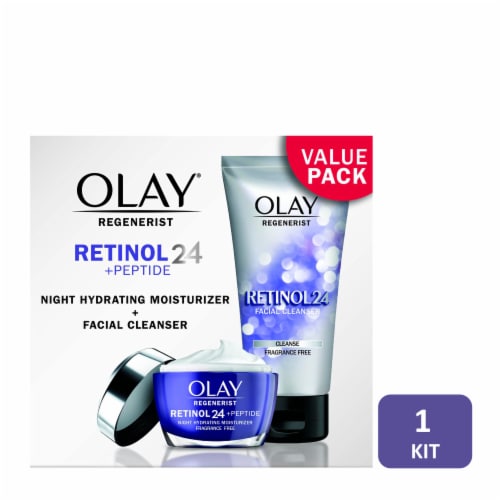
| Olay Regenerist | Palmitoyl Pentapeptide-4 | Niacinamide, glycerin | Fine lines, firming | Moderate |
| Drunk Elephant Protini | Signal Peptides blend | Growth factors, pygmy waterlily | Dry, mature skin | High |
| NIOD Copper Amino Isolate | Copper Tripeptide-1 | None | Redness, healing | High |
A small tip: If you’re starting out, choose a mid-priced product with a simple formula. Expensive does not always mean better, and affordable brands often use the same peptides as luxury lines.
Non-obvious Insight
Packaging can make or break a peptide product. If you buy a serum in a clear glass bottle, it will lose power quickly. Even if the product is expensive, the wrong packaging means wasted money.
Some companies use “airless jars” or pumps to keep the formula fresh longer. Avoid buying peptides in jars you have to dip fingers into, as this introduces air and bacteria that break down the actives.
Practical Tips For Buying
- Ask for sample sizes if you’re not sure how your skin will react.
- Avoid products with strong perfumes or alcohol, which can irritate skin.
- Read reviews, but remember that what works for one person may not work for everyone.
If you’re shopping online, look for brands that share the full ingredient list, not just marketing claims. If you’re in a store, ask staff for advice or samples.
How To Use Peptides In Your Routine
Step-by-step Guide
- Cleanse your face with a gentle cleanser.
- Apply your peptide serum to clean, dry skin.
- Follow with moisturizer to seal in the peptides.
- Use sunscreen during the day for protection.
Peptides can be used morning and night. If you use acids or vitamin C, apply them at different times than peptides (for example, vitamin C in the morning, peptides at night).
Don’t forget the neck and chest area—these zones also benefit from peptides and show aging quickly.
If you use multiple serums, apply peptides before heavier creams or oils, as lighter products absorb better.
Combining Peptides With Other Ingredients
Peptides work well with:
- Niacinamide (brightening, calming)
- Hyaluronic acid (hydration)
- Ceramides (barrier support)
Peptides do NOT mix well with:
- Strong acids (glycolic, lactic, salicylic acids)
- Peroxides (can break down peptides)
A good routine might look like this: gentle cleanser, peptide serum, niacinamide, moisturizer, sunscreen (AM).
At night, you could use a peptide serum after cleansing, followed by a rich moisturizer.
Mistakes To Avoid
- Don’t layer peptides over oily or greasy products—they won’t absorb properly.
- Don’t expect overnight miracles; it takes time to see results.
- Don’t use expired products; peptides lose strength over time.
A common beginner mistake is using too many actives at once, which overwhelms the skin. Start simple, then add more products as your skin adapts.
How To Tell If It’s Working
Look for these signs after 8–12 weeks:
- Softer, smoother skin
- Fewer fine lines
- Plumper, more elastic texture
- Fading dark spots
If you don’t see improvement after 3 months, try a different product or consult a dermatologist.
Sometimes, subtle changes like increased glow or less irritation mean the peptides are supporting your skin, even if wrinkles don’t disappear overnight.
Who Should Switch To Peptide Skincare?
Peptides are a great fit for many people, especially:
- Those with sensitive skin who cannot tolerate retinoids
- Pregnant or breastfeeding women
- People with darker skin tones worried about hyperpigmentation
- Anyone wanting to prevent aging before wrinkles appear
- Men who want simple, irritation-free skincare
Retinoids still have their place for those who want dramatic changes and can manage the side effects. But for most people, peptides offer a safer, more comfortable path to better skin.
If you’re in your 20s or 30s and just starting to see fine lines, peptides are a great way to delay deeper wrinkles. For mature skin, they can help restore firmness and repair past damage.
Peptides are also good for people who travel a lot or experience frequent climate changes, as they help skin adapt and recover from stress.
Peptides In Professional Treatments
Many professional treatments now use peptides. These include:
- Microneedling with peptide serums to boost healing and collagen
- Peptide-rich facials for instant plumping and glow
- Post-laser care with copper peptides to speed up recovery
Dermatologists often recommend peptide creams after procedures because they help the skin repair itself quickly and reduce redness.
In-clinic treatments may use higher concentrations or combine peptides with other actives for faster results. Always follow your doctor’s advice on aftercare for best healing.
Some clinics offer custom-blended peptide masks or infusions after treatments like microdermabrasion or chemical peels. These can enhance results and reduce downtime.

Credit: www.amazon.com
What The Experts Say
Many leading dermatologists agree that peptides are a smart choice for anti-aging. According to Dr. Whitney Bowe, a top New York dermatologist: “Peptides are some of the most promising ingredients for skin repair and rejuvenation. They are well tolerated and have a strong safety profile.”
A 2021 review in the Journal of Drugs in Dermatology found that peptides can stimulate collagen, reduce wrinkles, and even improve wound healing. While not every product is equally effective, the science supports peptides as a major advance in skincare.
Experts also note that peptides are less likely to cause allergic reactions or long-term side effects. This makes them a good option for people who want results without risk.
For more in-depth science, check out this peer-reviewed article from the National Institutes of Health.
The Future: What’s Next For Peptide Skincare?
The peptide revolution is still growing. Scientists are now developing “smart peptides” that target specific skin concerns, like redness, melasma, or acne scars. There are even peptides being tested for blue light protection from screens.
More brands are focusing on clean beauty by making peptide formulas free of harsh chemicals. Expect to see more “multi-peptide” blends that combine several types for maximum benefit.
Nano-peptide technology is also being explored. This means peptides can be delivered deeper into the skin for even better results.
In the future, you might see personalized peptide blends based on your DNA or skin type. This could lead to more effective, targeted skincare—one bottle designed just for you.
Peptides are also being studied for hair growth, wound healing, and even body firming, making them one of the most exciting areas in beauty science today.
Peptides Vs. Retinoids: Making The Right Choice For You
Choosing between peptides and retinoids depends on your skin goals, tolerance, and lifestyle.
- If you want fast, strong results and can handle dryness or peeling, retinoids may work for you.
- If you prefer a gentle, steady improvement with low risk, peptides are a better fit.
Remember, you don’t have to choose just one. Some advanced routines use retinoids at night and peptides in the morning, or alternate days. But always introduce new products slowly and watch how your skin reacts.
If you’re unsure, start with peptides and see how your skin responds. You can always add retinoids later if you want more dramatic results.
A smart approach is to check in with your skin every few months. If you’re seeing progress—less redness, smoother texture, better glow—stick with what works.
Frequently Asked Questions
What Are The Main Benefits Of Using Peptides In Skincare?
Peptides help your skin by boosting collagen, reducing wrinkles, improving firmness, and calming inflammation. They are gentle, safe for most people, and don’t cause dryness or redness like retinoids.
Can I Use Peptides And Retinoids Together?
Yes, but not at the same time. Use retinoids at night and peptides in the morning, or alternate days. This reduces the risk of irritation and allows each ingredient to work best.
How Long Does It Take To See Results From Peptide Skincare?
Most people notice changes after 8–12 weeks of consistent use. Skin looks smoother, firmer, and more even. Patience is important—peptides work gradually.
Are Peptide Products Safe For Sensitive Skin?
Yes. Peptides are usually well tolerated, even by people with rosacea, eczema, or sensitive skin. They are less likely to cause irritation than retinoids.
What Should I Look For When Buying Peptide Skincare Products?
Check for proven peptides (like Matrixyl or copper peptides), high concentration, good packaging, and formulas free from harsh alcohols or fragrances. Opaque, airless containers are best to keep peptides fresh.
Can Men Use Peptide Skincare?
Absolutely. Peptides are gender-neutral and work well for men’s skin, which also loses collagen with age. They’re lightweight, non-greasy, and easy to fit into any routine.
Will Peptides Clog Pores Or Cause Acne?
Most peptide serums are non-comedogenic and won’t clog pores. If you have acne-prone skin, choose fragrance-free, oil-free formulas and patch test first.
Credit: dermavenue.com
Final Thoughts
The skincare world is always changing, but the rise of peptides marks a real breakthrough. They offer powerful benefits—firmer, smoother, younger-looking skin—without the harsh side effects of retinoids. Science backs their effectiveness, and real people are seeing the difference. If you’ve struggled with irritation from retinoids or just want a gentler path to healthy skin, peptides may be the answer you’ve been searching for.
As research continues, expect even more exciting advances in peptide skincare on the horizon.
The revolution is here—and it’s never been easier to find a peptide product that fits your needs, your budget, and your skin. Give peptides a try, stick with them, and enjoy the journey to better skin.