

After childbirth, many women expect changes in their body. Some are prepared for the sleepless nights or mood shifts, but fewer expect to see clumps of hair on their pillow or in the shower. Postpartum hair loss is a common but often surprising experience. For many new mothers, this shedding can feel alarming and even stressful. But what most people don’t realize is that the stress hormone cortisol plays a crucial role in this process. If you’re struggling with hair loss after your baby’s arrival, understanding the link between stress, cortisol, and your hair can help you find practical ways to manage it—and to feel more in control.
What Is Postpartum Hair Loss?
Postpartum hair loss, or telogen effluvium, is the medical term for excessive hair shedding after childbirth. Normally, about 85-95% of the hair on your head is in a growth phase. The rest is in a resting phase and will eventually fall out. During pregnancy, hormonal changes—mainly increased estrogen—keep more hair in the growth phase. This is why many women notice thicker, fuller hair while pregnant.
After your baby is born, hormone levels—especially estrogen—drop quickly. This sudden change causes a large number of hairs to shift from the growth phase to the resting phase at once. Two to four months later, these resting hairs fall out.
Most women notice more hair in the shower, on their brush, or even in their baby’s hands. This process is temporary, but it can last up to a year.
How Common Is Postpartum Hair Loss?
It’s estimated that 40-50% of women experience noticeable hair loss after giving birth. For most, it’s mild, but for some, it can feel extreme. The amount and duration vary by genetics, health, and how much stress you’re experiencing.
Signs Of Postpartum Hair Loss
- Large clumps of hair in your brush or shower drain
- Thinner hair at the temples or crown
- Widening part in your hair
- No bald patches, but overall thinning
If you notice bald spots or if your hair loss continues for more than 12 months, it’s a good idea to talk to a doctor. Sometimes, other health issues like thyroid problems or iron deficiency can cause similar symptoms.
The Hair Growth Cycle: Why Pregnancy Changes Everything
To understand postpartum hair loss, it helps to know the basics of the hair growth cycle. Hair grows in three main phases:
- Anagen (Growth Phase): Lasts 2-7 years. Most scalp hair is here.
- Catagen (Transition Phase): Lasts about 2-3 weeks. Hair stops growing and detaches from the blood supply.
- Telogen (Resting/Shedding Phase): Lasts about 3 months. Hair falls out, and a new hair begins to grow.
During pregnancy, extra estrogen keeps more hair in the anagen phase. After birth, hormone changes push a larger percentage of hair into the telogen phase, leading to noticeable shedding.
Hair Growth Cycle: Before, During, And After Pregnancy
Here’s a simple comparison of hair growth phases:
| Phase | Before Pregnancy | During Pregnancy | Postpartum |
|---|---|---|---|
| Anagen | 85-90% | 95%+ | 70-75% |
| Catagen | 1% | <1% | 1% |
| Telogen | 10-15% | 5% | 25-30% |
This shift means more hair is ready to shed after you give birth, which is why you may see more hair loss than usual.
The Role Of Stress And Cortisol In Hair Loss
Many women notice that stress makes their hair loss even worse after pregnancy. This is not just in your head—there’s a real science behind it. Cortisol, the main stress hormone, can directly affect the hair growth cycle.
What Is Cortisol?
Cortisol is a hormone made by your adrenal glands. It helps your body respond to stress, regulate blood sugar, and control metabolism. In short bursts, cortisol is helpful—it gives you energy and helps you focus. But when stress is constant, cortisol levels stay high, and this can have negative effects.
How Does Cortisol Affect Hair?
High cortisol levels can push more hair follicles from the growth phase into the resting phase. This leads to more shedding and slower regrowth. Stress also shrinks the blood vessels that feed your hair follicles, making it harder for your hair to get the nutrients it needs.
Key Ways Cortisol Impacts Hair:
- Shortens the growth phase (anagen), so hair falls out sooner.
- Increases the number of resting hairs (telogen).
- Delays new hair growth after shedding.
- Reduces blood flow to the scalp.
Stress After Childbirth: Why Is It So High?
The postpartum period is full of stress triggers:
- Lack of sleep
- Hormone changes
- Physical recovery from birth
- Caring for a newborn
- Relationship changes
- Worry about your baby’s health
All these stressors can raise cortisol levels and make hair loss worse.
Example: Postpartum Stress And Cortisol
A 2018 study found that mothers with high stress levels had 30% more hair loss than those with lower stress. Women who reported better sleep and support from partners had less shedding. This shows how closely stress and hair health are linked.
The Science Behind Postpartum Hair Loss And Cortisol
To understand why some women lose more hair than others, it’s important to look at the science.
Hormones After Birth
After delivery, the body goes through a hormone crash. Estrogen and progesterone drop quickly, while prolactin (for milk production) rises. Cortisol can also stay high, especially if you’re not sleeping well or feeling anxious.
Hair Follicle Sensitivity
Not all women react the same way to these changes. Some people’s hair follicles are more sensitive to hormonal shifts and stress. Genetics play a role here, but so do lifestyle factors and nutrition.
Scientific Studies
- A 2020 review in the Journal of Dermatological Science confirmed that chronic stress increases the risk of telogen effluvium.
- Research shows that women with iron or vitamin D deficiency are more likely to have severe postpartum hair loss.
- A study in 2022 found that women with high postpartum anxiety had higher cortisol levels and more hair loss.
These findings suggest that stress management is not just good for your mind but also for your hair.
Managing Postpartum Hair Loss: What Really Works?
The good news is that postpartum hair loss is almost always temporary. Most women see regrowth within 6-12 months. But there are ways to support your hair and manage stress during this period.
1. Be Gentle With Your Hair
- Use a wide-tooth comb to detangle.
- Avoid tight ponytails, braids, or buns.
- Limit heat styling (blow dryers, straighteners, curling irons).
- Choose gentle, sulfate-free shampoos and conditioners.
2. Eat A Balanced Diet
Hair needs protein, iron, zinc, and vitamins to grow. After childbirth, your body is still recovering and may need extra nutrients.
Key Nutrients For Hair Health:
- Protein: Hair is made of keratin, a type of protein.
- Iron: Prevents anemia, which can cause hair loss.
- Vitamin D: Supports hair follicle health.
- Biotin: A B vitamin linked to hair growth.
Good food sources include eggs, spinach, salmon, beans, nuts, and leafy greens.
3. Manage Stress And Cortisol
Since stress and cortisol are big factors in postpartum hair loss, finding ways to lower stress is essential.
Simple Stress Reduction Techniques
- Deep breathing: Just a few minutes can lower cortisol.
- Short walks: Fresh air and gentle exercise help your mood.
- Mindfulness or meditation: Even 5-10 minutes a day can make a difference.
- Talk to someone: Sharing your feelings with a partner, friend, or therapist helps reduce stress.
4. Get Enough Sleep
Sleep is hard to come by with a newborn, but it’s vital for healing and hormone balance. Try napping when your baby sleeps, and ask for help if you need it.
5. Support Your Scalp
Healthy hair starts with a healthy scalp.
- Massage your scalp for a few minutes daily to boost blood flow.
- Use a mild, hydrating scalp treatment if your skin is dry or itchy.
6. Continue Prenatal Vitamins
Prenatal vitamins contain nutrients that support hair regrowth. Many doctors recommend continuing them while breastfeeding or until hair loss slows down.
7. Avoid Crash Diets
Rapid weight loss can trigger more hair shedding. Focus on slow, steady weight loss if needed, and prioritize nutrient-rich foods.
8. Check For Medical Issues
If your hair loss is severe or not improving after 12 months, see your doctor. You may need tests for thyroid function, iron levels, or other conditions.
Stress Management Techniques For New Mothers
Effective stress management is about building small, sustainable habits. Here are ways to help control cortisol levels and protect your hair (and your mental health):
Mindfulness And Meditation
Mindfulness means focusing on the present moment without judgment. Meditation helps your mind and body relax, lowering stress hormones. Even 10 minutes a day can make a difference.
Example: Simple Mindfulness Exercise
- Sit in a quiet space.
- Close your eyes and take three slow, deep breaths.
- Notice your breath as it moves in and out.
- If your mind wanders, gently bring it back to your breath.
- Continue for 5-10 minutes.
Studies show that mindfulness meditation can reduce cortisol by 20-30% over 8 weeks.
Physical Activity
Exercise helps burn off excess cortisol and releases “feel-good” hormones called endorphins. You don’t need a gym—just a walk outside, gentle yoga, or dancing with your baby can help.
Building A Support System
Don’t try to do everything alone. Ask for help from family or friends, join a new mom group, or connect with others online. Talking about your challenges can lower stress and help you feel less isolated.
Self-care Routines
Taking time for yourself isn’t selfish—it’s essential. Even small things like a warm shower, reading, or listening to music can help reduce stress.
Practical Time Management Tips
- Prioritize tasks: Focus on what’s most important.
- Break tasks into small steps.
- Don’t be afraid to say no to extra commitments.
- Schedule short breaks for yourself each day.
When To Seek Professional Help
If you feel overwhelmed, sad, or anxious most days, or if you have trouble caring for yourself or your baby, talk to your doctor. Postpartum depression and anxiety are common and treatable.
Credit: hairgp.co.uk
The Cortisol Factor: Science, Myths, And Misconceptions
Cortisol is often called the “stress hormone,” but it’s more complex than that. Some myths can make women worry unnecessarily.
Common Myths
- Myth: Only stress causes hair loss.
- Fact: Hormones, nutrition, and genetics also play a role.
- Myth: If you manage stress perfectly, you won’t lose hair postpartum.
- Fact: Some hair loss is normal and unavoidable after birth.
- Myth: All stress is bad.
- Fact: Short bursts of stress can be helpful. Chronic stress is the problem.
Non-obvious Insights
- You may not see hair regrowth immediately after stress reduction. New hair can take months to become visible.
- Hair loss can be a delayed response. Sometimes, the stress or hormone drop happened months ago, but the hair sheds later. This delay can make it hard to connect the trigger and the symptom.
Comparing Postpartum Hair Loss And Other Types Of Hair Loss
It’s important to know how postpartum hair loss is different from other kinds of hair loss. Here’s a comparison:
| Type | Cause | Pattern | Duration | Recovery |
|---|---|---|---|---|
| Postpartum | Hormone drop after childbirth, stress | General thinning, no bald spots | 2-12 months | Yes, usually full |
| Androgenic Alopecia | Genetics, hormones | Thinning at temples/crown | Permanent | No, but can be slowed |
| Alopecia Areata | Autoimmune | Patchy bald spots | Varies | Sometimes |
| Telogen Effluvium (non-postpartum) | Stress, illness, diet | Diffuse thinning | 3-6 months | Yes |
Postpartum hair loss is temporary and usually results in full regrowth. If you see bald patches or hair loss that doesn’t fit this pattern, talk to a doctor.
Nutrition And Supplements: What Helps, What Doesn’t
A balanced diet is key for healthy hair. But can supplements help? Here’s what science says.
Helpful Nutrients
- Iron: Low levels are common after childbirth, especially if you lost a lot of blood.
- Vitamin D: Supports hair follicle health.
- Biotin: May help if you’re deficient, but evidence is mixed.
- Omega-3 fatty acids: Help reduce inflammation and support scalp health.
- Zinc: Important for hair tissue growth and repair.
Supplements To Consider
If your diet is lacking or you have a known deficiency, supplements may help. But taking high doses without a need can be harmful. Always check with your doctor first.
What Doesn’t Work
- High-dose biotin: No evidence it helps unless you’re deficient.
- “Hair, skin, and nail” vitamins: Often unnecessary if you eat a balanced diet.
- Herbal supplements: Many have not been proven safe or effective for postpartum women.
Example: Iron Deficiency After Birth
Up to 27% of women are iron deficient after childbirth. Symptoms include tiredness, pale skin, and hair loss. If you suspect low iron, ask your doctor for a blood test.
Hair Care Products And Treatments: What To Use, What To Avoid
With so many products on the market, it’s easy to feel overwhelmed. Here’s what you need to know.
Safe Products
- Gentle, sulfate-free shampoos: Won’t strip your scalp’s natural oils.
- Lightweight conditioners: Keep hair soft without weighing it down.
- Leave-in treatments: Can help with tangles and breakage.
What To Avoid
- Harsh chemicals: Perms, relaxers, and bleach can damage fragile hair.
- Heavy styling products: Gels and sprays can make hair look thinner.
- Frequent heat styling: Can cause more breakage and split ends.
Over-the-counter Treatments
Some products claim to boost hair growth, but most have little evidence. Minoxidil (Rogaine) is approved for some types of hair loss but is not usually recommended for postpartum women, especially if breastfeeding.
When To See A Professional
If you’re unsure, a dermatologist or trichologist can give personalized advice. They can also check for scalp conditions or recommend treatments if needed.
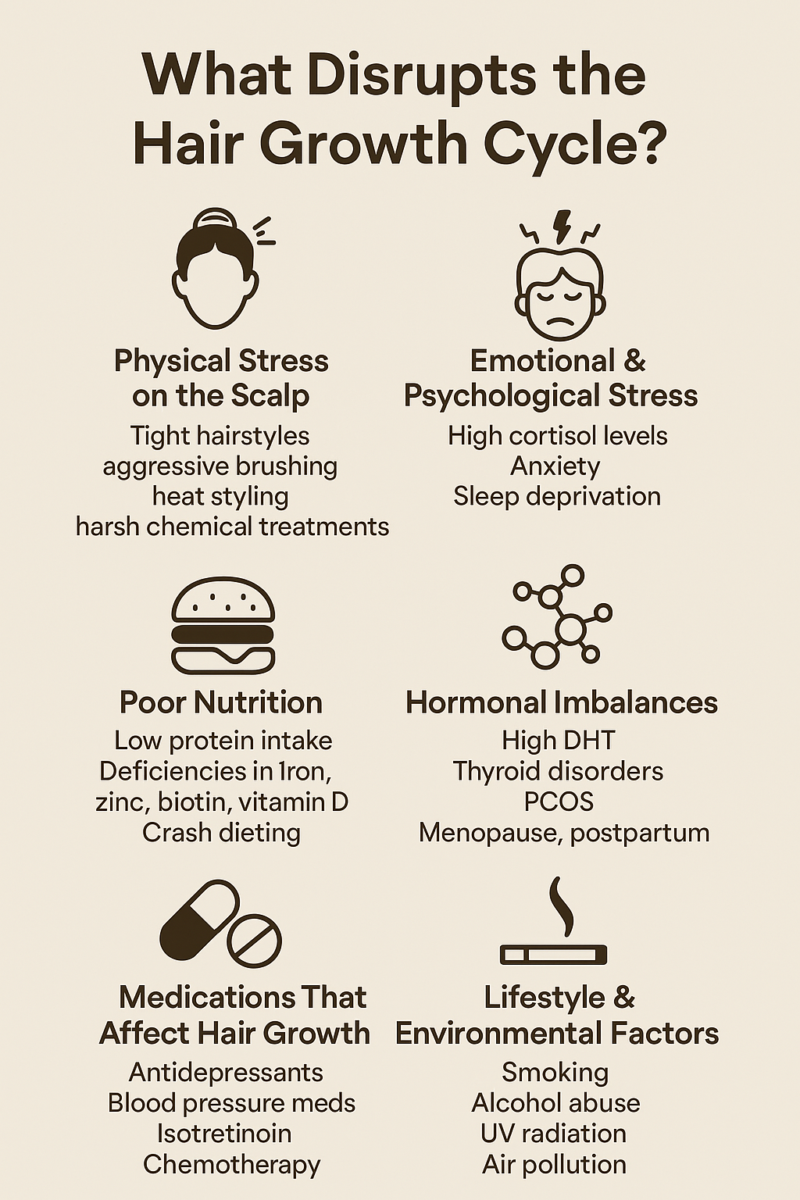
Credit: www.drserkanaygin.com
Myths And Facts About Postpartum Hair Loss
With so much information online, it’s hard to know what’s true. Here are some common myths and facts.
- Myth: Cutting your hair short will stop the hair loss.
- Fact: Cutting hair doesn’t affect shedding, but shorter hair can make loss less noticeable.
- Myth: Only women with long hair have postpartum hair loss.
- Fact: Hair length doesn’t matter; the shedding affects everyone.
- Myth: You’re doing something wrong if you lose hair.
- Fact: Hair loss is a normal response to hormone changes.
- Myth: Hair loss will never stop.
- Fact: For most women, shedding slows down by your baby’s first birthday.
Real-life Stories: How Moms Manage Postpartum Hair Loss And Stress
Sometimes, hearing from others can help you feel less alone.
- Sara, 32: “I was shocked by how much hair I lost after my son was born. Gentle scalp massage and switching to a mild shampoo helped. I also found a local moms group, and talking about it made me feel less stressed.”
- Lina, 28: “I started meditating for 10 minutes each morning. It didn’t stop the hair loss, but it helped me stay calm and patient as my hair grew back.”
- Priya, 35: “My doctor checked my iron levels and found they were low. After a few months of iron supplements, my hair started to improve.”
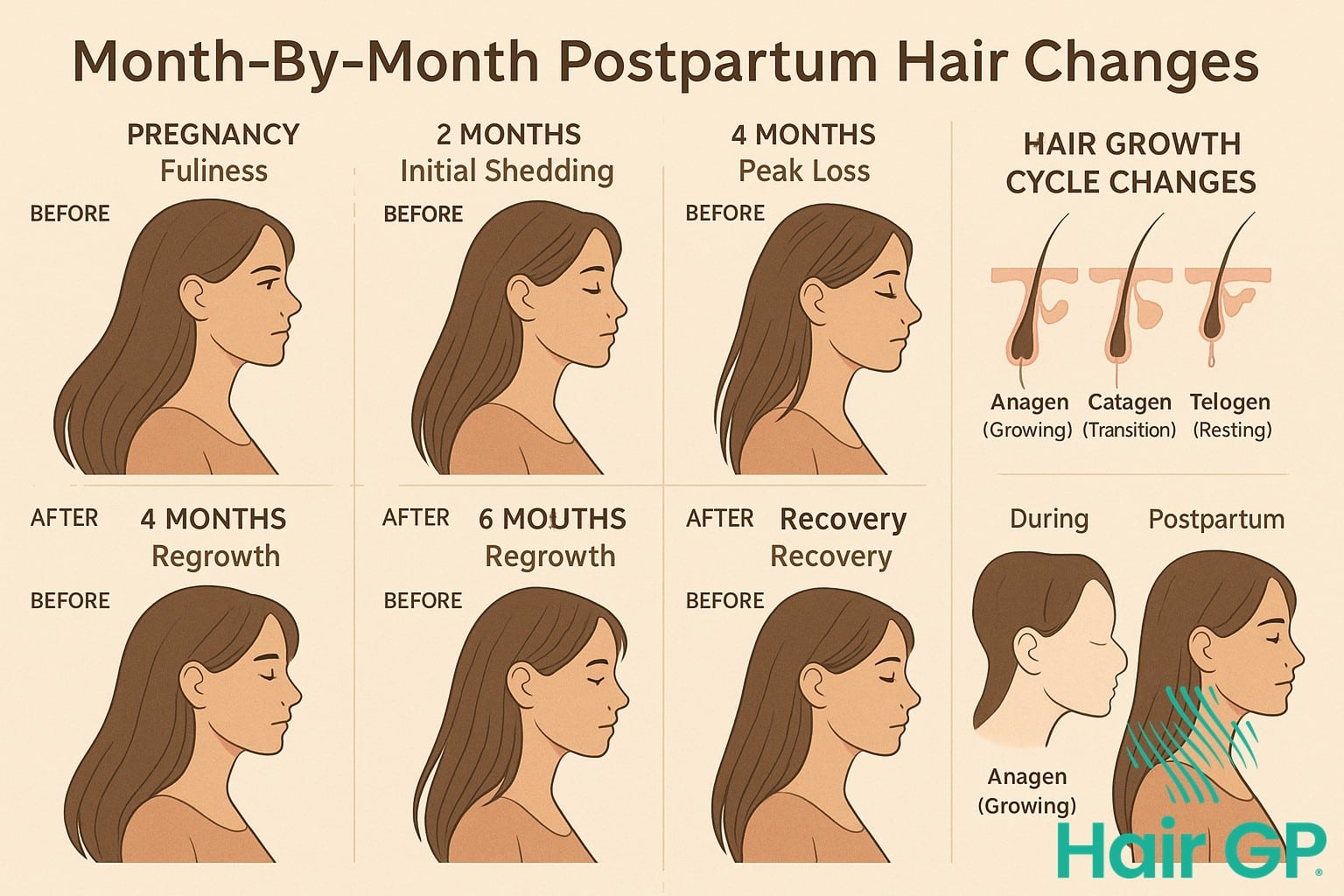
Timeline: What To Expect With Postpartum Hair Loss
Here’s a general guide to what you might experience:
| Time After Birth | What Happens |
|---|---|
| 0-2 months | Little change; hair may still feel full. |
| 2-4 months | Shedding begins, often suddenly. |
| 4-6 months | Shedding may peak. New baby hairs may start to grow. |
| 6-12 months | Shedding slows. Hair regrowth continues. |
| 12+ months | Most women see normal hair volume return. If not, see a doctor. |
When To Seek Medical Help
While most postpartum hair loss is normal, certain signs mean you should talk to a doctor:
- Hair loss lasts more than 12 months
- You see bald patches or scarring
- Your scalp itches, burns, or hurts
- You have other symptoms (fatigue, weight changes, mood swings)
These could be signs of thyroid problems, iron deficiency, or other conditions needing treatment.

Credit: thebiostation.com
Empowering Yourself: Taking Control Of Stress And Hair Loss
It’s natural to feel upset or worried when you see more hair falling out than usual. But remember: postpartum hair loss is normal and temporary. Most women see their hair return to normal within a year. By focusing on self-care, stress management, and a healthy lifestyle, you can support your body—and your hair—through this transition.
If you need more information, the American Academy of Dermatology offers excellent resources for new moms. Learn more here.
Frequently Asked Questions
What Causes Postpartum Hair Loss?
Postpartum hair loss is caused by a sudden drop in pregnancy hormones, especially estrogen, after childbirth. This shift pushes more hair into the resting (telogen) phase, leading to increased shedding a few months later. High stress and cortisol levels can make the shedding worse.
How Long Does Postpartum Hair Loss Last?
For most women, shedding starts about 2-4 months after birth and lasts up to 6 months. By your baby’s first birthday, hair usually returns to its normal growth cycle. If it lasts longer, talk to your doctor.
Can Stress Management Really Help With Postpartum Hair Loss?
Yes. Managing stress can lower cortisol levels, which helps reduce extra hair shedding. Techniques like deep breathing, meditation, and getting support from others can make a real difference in both your hair and your mood.
Should I Take Special Vitamins For Postpartum Hair Loss?
Most women don’t need extra vitamins if they eat a balanced diet and continue their prenatal vitamins. If you have a known deficiency (iron, vitamin D), a doctor may recommend supplements. Avoid high doses or herbal supplements unless advised by your healthcare provider.
When Should I See A Doctor About Postpartum Hair Loss?
If hair loss is severe, lasts more than 12 months, or you notice bald patches, scalp pain, or other symptoms (like tiredness or weight changes), see your doctor. These could be signs of thyroid problems, anemia, or other health issues.
New motherhood is a time of big changes. Taking care of your hair and your stress is part of taking care of yourself. With the right knowledge and support, you can handle postpartum hair loss—and come out stronger on the other side.