

Menopause Self-care Beyond Hair And Skin: Whole Body Wellness
Menopause is a natural stage in a woman’s life, but it often brings big changes. Many people only think about menopause in terms of hair thinning or skin dryness, but the impact goes much deeper. It affects almost every part of the body and mind, from bone strength to heart health and even emotional well-being. Self-care during menopause is not just about beauty routines. It’s about building whole body wellness, so you can feel your best through this transition and beyond.
This guide gives you practical advice and science-backed strategies for self-care in menopause, going far beyond hair and skin. You’ll learn how to protect your bones, support your heart, boost your energy, improve sleep, manage stress, and care for your mind and emotions.
Whether you’re in early menopause or post-menopausal, these tips will help you understand your body and take confident action.
Understanding Menopause: More Than Just A Phase
Menopause marks the end of a woman’s menstrual cycles, officially beginning after 12 months without a period. Most women reach menopause between ages 45 and 55, but the symptoms can start earlier (perimenopause) and last for years after. The main cause is a drop in estrogen and progesterone—two hormones that affect many body systems.
Common symptoms include:
- Hot flashes
- Night sweats
- Mood swings
- Trouble sleeping
- Vaginal dryness
- Weight changes
But there’s much more happening inside. Lower estrogen levels also increase the risk of osteoporosis, heart disease, and changes in metabolism. That’s why menopause self-care must take a whole-body approach.
Nutrition For Menopause Wellness
Food is powerful medicine, especially during menopause. The right nutrition supports your bones, heart, brain, and overall energy.
Building Strong Bones
After menopause, women can lose up to 20% of their bone density within 5-7 years. Estrogen helps keep bones strong, so lower levels make osteoporosis more likely.
Key nutrients for bone health:
- Calcium: Aim for 1,200 mg daily from foods like dairy, leafy greens, and fortified plant milks.
- Vitamin D: Helps your body absorb calcium. Sunlight is a source, but most women need 600–800 IU daily from food or supplements.
- Magnesium and Vitamin K: Found in nuts, seeds, and green vegetables—these help build strong bone matrix.
Protecting The Heart
After menopause, the risk of heart disease rises. Estrogen helps keep blood vessels flexible, so its loss can make high blood pressure and cholesterol more common.
Tips for heart-healthy eating:
- Eat more fiber-rich foods: Oats, beans, fruits, and vegetables help lower cholesterol.
- Choose healthy fats: Olive oil, avocado, and fatty fish (like salmon) support heart health.
- Limit saturated fats and processed foods: These can increase cholesterol and inflammation.
- Watch your salt: High sodium can raise blood pressure.
Managing Weight And Energy
Metabolism tends to slow down in menopause, making weight gain easier. But strict diets can hurt your health and energy.
- Focus on whole foods: Less processed, more nutrient-dense.
- Include protein with every meal: Helps you feel full and supports muscle.
- Don’t skip meals: This can cause energy crashes and overeating later.
- Stay hydrated: Water supports digestion, skin, and focus.
Phytoestrogens: Nature’s Hormone Helpers
Some plant foods have natural compounds called phytoestrogens. These can mimic estrogen in the body and may ease symptoms like hot flashes.
Sources of phytoestrogens:
- Soy products (tofu, tempeh, edamame)
- Flaxseeds
- Chickpeas and lentils
Not everyone feels relief from phytoestrogens, but they are safe for most women and add variety to your diet.
Exercise: Movement For Mind And Body
Regular exercise is one of the best things you can do during and after menopause. It boosts physical and mental health, helps control weight, and lowers risk of disease.
Types Of Exercise That Matter
- Weight-bearing exercise (like walking, jogging, dancing): Strengthens bones.
- Resistance training (using weights or bands): Builds muscle and supports metabolism.
- Cardio (cycling, swimming, brisk walking): Improves heart health and reduces hot flashes.
- Balance and flexibility (yoga, tai chi): Reduces fall risk and eases joint pain.
How much is enough? Aim for 150 minutes of moderate exercise per week, plus two sessions of strength training.
Example Weekly Routine
- Monday: 30-minute brisk walk + 15 minutes of strength exercises
- Wednesday: 30-minute dance class
- Friday: 30-minute swim + 10 minutes of stretching
- Sunday: 30 minutes of yoga
Special Exercise Tips For Menopause
- Warm up longer: Joints may be stiffer now.
- Listen to your body: Some days you may need to slow down or rest.
- Mix it up: Changing activities keeps it interesting and works different muscles.
Sleep: The Foundation Of Wellness
Many women report trouble sleeping during menopause—hot flashes, night sweats, and anxiety can all get in the way. But good sleep is key for mood, energy, and even weight control.
How To Improve Sleep
- Keep your bedroom cool and dark.
- Use breathable cotton sheets and pajamas.
- Avoid screens (phone, TV) at least 30 minutes before bed.
- Try a calming bedtime routine: Warm bath, herbal tea, gentle stretching.
- Limit caffeine and alcohol, especially in the evening.
- If hot flashes wake you up, keep a glass of water and a cool cloth nearby.
When To Seek Help
If you regularly get less than 6 hours of sleep or feel exhausted during the day, talk to your doctor. Sometimes sleep disorders or hormone therapy may be needed.
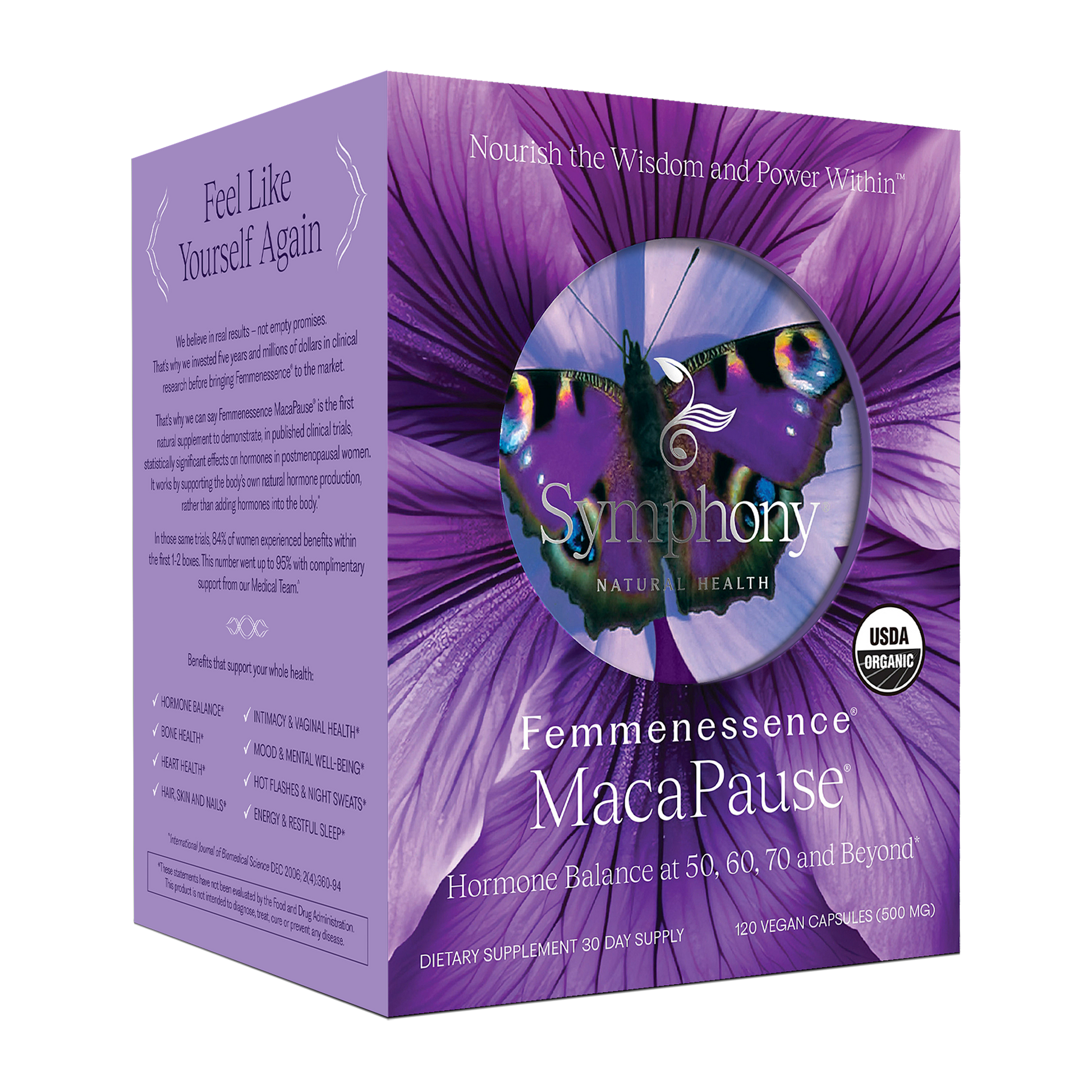
Credit: symphonynaturalhealth.com
Managing Stress And Emotional Health
Menopause can be an emotional rollercoaster. Hormone changes, sleep loss, and life transitions all affect mood. Some women feel more anxious, irritable, or even depressed.
Stress-relief Strategies
- Mindfulness meditation: Just 10 minutes a day can reduce anxiety and help you feel calmer. Apps and online videos make it easy to start.
- Deep breathing: Slow, deep breaths calm your nervous system. Try inhaling for 4 counts, exhaling for 6.
- Gentle movement: Yoga, tai chi, or walking outdoors can lift your mood.
- Creative outlets: Drawing, writing, music, or crafts offer relaxation and joy.
- Social connection: Spending time with friends or joining support groups helps you feel understood and less alone.
When To Get Professional Support
If sadness, worry, or mood swings interfere with daily life, reach out for help. Therapists and counselors are trained to support women through menopause challenges.
Non-obvious insight: Many women think mood changes are “just hormones” and try to tough it out alone. But mental health is just as important as physical health, and early support can prevent bigger problems.
Hormone Replacement Therapy And Alternatives
Hormone Replacement Therapy (HRT) can reduce many menopause symptoms by replacing lost estrogen and progesterone. However, HRT is not right for everyone and can raise the risk of some health problems.
Who Might Consider Hrt?
- Women with severe hot flashes or night sweats
- Those with a high risk of osteoporosis
- Women who went into early menopause (before age 40)
Who Should Avoid Hrt?
- Women with a history of breast cancer, blood clots, liver disease, or stroke
- Those who have unexplained vaginal bleeding
Natural Alternatives
Some women try herbal supplements (like black cohosh, red clover, or evening primrose oil) to ease symptoms. While some people find relief, scientific evidence is mixed, and some herbs can interact with medicines. Always talk to your doctor before trying supplements.
Non-obvious insight: Not all “natural” options are risk-free. Herbal products are not regulated the same as medicines, so quality and safety can vary. Always buy from reputable sources and discuss with your healthcare provider.
Sexual Health And Intimacy
Menopause often brings vaginal dryness, discomfort during sex, and changes in libido. This is normal, but it can affect relationships and self-esteem.
Solutions For Vaginal Dryness
- Use water-based lubricants during sex.
- Vaginal moisturizers (used regularly) help keep tissues healthy.
- Prescription estrogen creams or rings can relieve dryness for some women.
Talking With Partners
Open communication is important. Let your partner know how you feel and what helps you stay comfortable and connected.
Exploring Intimacy
Menopause can be a time to rediscover intimacy in new ways—not just sex, but touch, affection, and emotional closeness. Some couples find this stage brings them closer together.
Bladder Health And Pelvic Floor
Weakened pelvic floor muscles can lead to leakage (incontinence) or more frequent bathroom trips. This is common but often not discussed.
Keeping Your Pelvic Floor Strong
- Kegel exercises: Tighten and relax pelvic muscles, as if stopping urine flow. Repeat several times daily.
- Maintain a healthy weight: Extra weight puts pressure on the bladder.
- Avoid constipation: Eat fiber and drink water to keep digestion regular.
When To See A Doctor
If you notice pain, burning, or blood in your urine, or if incontinence is affecting your life, get medical advice. Sometimes medications or physical therapy can help.
Bone Health: Beyond Calcium
Bone loss speeds up after menopause. While calcium and vitamin D are important, other factors matter too.
Other Ways To Support Bone Health
- Strength training: Lifting weights or using resistance bands signals your body to keep bones strong.
- Limit alcohol: More than one drink a day can weaken bones.
- Don’t smoke: Smoking speeds up bone loss.
- Bone density scans: Women over 65 (or younger with risk factors) should get checked.
Comparing Bone-strengthening Activities
Here’s a look at how common activities affect bone health:
| Activity | Bone-Building Effect | Recommended Frequency |
|---|---|---|
| Walking | Moderate | Most days |
| Weight lifting | High | 2-3 times/week |
| Yoga | Low-Moderate | 2-4 times/week |
| Swimming | Low | Good for joints, not for bones |
Heart Health: Not Just For Men
Heart disease is the leading cause of death for women over 50. Menopause increases risk because of changes in cholesterol, blood pressure, and blood vessel health.
Steps For A Healthy Heart
- Get your blood pressure and cholesterol checked yearly.
- Stay active: Even brisk walking lowers risk.
- Eat more fruits, vegetables, and whole grains.
- Limit sugar and processed foods.
- Manage stress: Chronic stress raises blood pressure.
Comparing Heart-healthy Foods
| Food | Main Benefit | How Often to Eat |
|---|---|---|
| Oily fish (salmon, sardines) | Omega-3 fats lower cholesterol | 2x per week |
| Berries | Rich in antioxidants | Several times a week |
| Leafy greens | High in fiber and nutrients | Daily |
| Nuts | Healthy fats and protein | Small handful daily |
Cognitive Health: Keeping Your Mind Sharp
Some women notice brain fog, forgetfulness, or trouble focusing during menopause. This is usually temporary, but it can be frustrating.
Tips For Brain Wellness
- Stay mentally active: Read, learn new skills, or play games that challenge your mind.
- Get regular exercise: Physical activity improves blood flow to the brain.
- Eat omega-3-rich foods: Fish, walnuts, and flaxseeds support brain health.
- Prioritize sleep: Deep sleep helps “clear out” waste from the brain.
- Manage stress: Chronic stress affects memory and focus.
Non-obvious insight: Many women fear memory loss is always a sign of dementia. But mild forgetfulness is very common in menopause and usually improves with time and good self-care.
Immune Support And Inflammation Control
The drop in estrogen can weaken the immune system and increase inflammation, raising the risk for infections or autoimmune issues.
How To Boost Immunity
- Eat a colorful diet: Different colored fruits and vegetables have different antioxidants.
- Wash hands regularly and practice good hygiene.
- Stay up to date with vaccines (like flu and pneumonia).
- Get enough sleep: Lack of sleep weakens immunity.
- Manage stress: Chronic stress lowers immune defenses.
Comparing Immune-boosting Foods
| Food | Key Nutrient | Immune Benefit |
|---|---|---|
| Citrus fruits | Vitamin C | Supports white blood cell function |
| Yogurt | Probiotics | Balances gut bacteria |
| Garlic | Allicin | May fight viruses and bacteria |
| Spinach | Vitamin A & E | Anti-inflammatory |
Eye And Oral Health: The Overlooked Areas
Dry eyes and gum problems are often overlooked, but these can worsen after menopause due to lower estrogen.
Eye Care Tips
- Use artificial tears for dryness.
- Wear sunglasses to protect against UV rays.
- Take breaks from screens to avoid eye strain.
- Get regular eye exams—risk for glaucoma and cataracts increases with age.
Oral Health Advice
- Brush and floss daily.
- Use fluoride toothpaste.
- Visit your dentist twice a year.
- Watch for bleeding gums or mouth dryness—these can signal hormonal changes.
Gut Health And Digestion
Digestive changes are common during menopause. Some women get more bloating, constipation, or changes in appetite.
Supporting Gut Health
- Eat more fiber: Whole grains, beans, fruits, and vegetables.
- Drink plenty of water.
- Include probiotic foods: Yogurt, kefir, sauerkraut, kimchi.
- Limit processed foods and added sugar.
Non-obvious insight: Many women notice more food sensitivities during menopause. Keeping a food journal can help identify and manage triggers.
Skin Health: Beyond Moisturizers
While this guide is about more than hair and skin, these areas still matter. Menopause can make skin drier, thinner, and more prone to irritation.
Skin Care Tips
- Use gentle, fragrance-free cleansers.
- Apply moisturizer after bathing to lock in moisture.
- Wear sunscreen daily—skin is more sensitive now.
- Avoid long hot showers, which dry out skin.
- Consider products with hyaluronic acid or ceramides for extra hydration.
Hair Care: Embracing Change
Hair may thin or become more brittle after menopause. This is due to lower estrogen and sometimes higher androgens.
What Helps
- Use gentle, sulfate-free shampoos.
- Avoid excessive heat styling or harsh chemicals.
- Eat enough protein and iron for healthy hair growth.
- If hair loss is rapid or patchy, see a dermatologist—sometimes thyroid or other issues are to blame.
Building A Personalized Self-care Plan
Everyone’s menopause experience is different. Your self-care should fit your unique needs and lifestyle.
Steps To Create Your Plan
- List your top symptoms or concerns (for example: Hot flashes, sleep, bone health).
- Set small, realistic goals (like “walk 10 minutes daily” or “eat a vegetable with every meal”).
- Track your progress—use a journal or app to note changes.
- Adjust as needed. If something isn’t working, try a new approach.
- Celebrate your wins, big or small.
When To Seek Medical Advice
- Symptoms are severe or affect your daily life
- Bleeding after menopause
- Signs of depression or anxiety
- Rapid weight gain or loss
- Unusual pain or fatigue
Your healthcare team can help you find the best strategies and monitor your health.
Community And Social Support
Menopause can feel isolating, but you’re not alone. Sharing your experiences and learning from others can make a huge difference.
- Join menopause support groups online or in person.
- Talk openly with friends, family, and your partner.
- Attend workshops or seminars—many communities offer educational events.
- Read books or trusted websites (like Mayo Clinic) for extra support.

Credit: www.walmart.com
Practical Self-care Tips For Everyday Life
- Keep a water bottle with you to stay hydrated.
- Wear layers so you can adjust if you feel hot or cold.
- Use a fan or cooling pillow at night for hot flashes.
- Schedule regular “me time” for activities you enjoy.
- Prepare simple, healthy snacks to avoid unhealthy choices when hungry.
- Keep a symptom tracker—note what works and what doesn’t.
- Don’t be afraid to ask for help.
Frequently Asked Questions
What Are The First Signs Of Menopause?
The first signs are often irregular periods, hot flashes, night sweats, mood swings, and trouble sleeping. Some women also notice changes in weight or energy. These early symptoms, called perimenopause, can start years before periods stop completely.
Can Menopause Affect My Heart And Bones?
Yes, lower estrogen increases your risk for heart disease and osteoporosis. That’s why it’s important to eat well, exercise, and get regular checkups. Talk to your doctor about screening for blood pressure, cholesterol, and bone density.
Credit: speakerscanada.com
Are Natural Supplements Safe For Menopause Symptoms?
Some women try herbs like black cohosh or soy isoflavones. While some people find relief, scientific evidence is mixed, and not all supplements are safe. Always talk to your doctor before starting any new supplement, as some can interact with medicines or cause side effects.
How Can I Improve My Sleep During Menopause?
Try keeping your room cool, using breathable bedding, and avoiding screens before bed. A calming routine (like a warm bath or gentle stretching) can help. If sleep problems continue, talk to your doctor—sometimes therapy or medication is needed.
Is It Normal To Feel Sad Or Anxious During Menopause?
Yes, mood changes are common due to hormone shifts, sleep loss, and life changes. If feelings of sadness or anxiety are strong or last a long time, don’t hesitate to seek support from a mental health professional.
Menopause is a big life change, but it’s also a time for new beginnings. By caring for your whole body and mind, you can stay healthy, active, and confident in the years ahead. Every woman’s journey is unique—what matters is finding the self-care that works for you. Remember, you don’t have to go through this alone. With the right knowledge and support, you can thrive through menopause and beyond.