
Many new mothers expect changes after childbirth, but postpartum hair loss often comes as an emotional shock. Clumps of hair on the pillow, strands in the shower, and a thinning hairline can make a woman feel like she is losing a part of herself. For many, it’s not just about looks—it impacts confidence, mood, and even relationships. If you are struggling with postpartum hair loss, you are not alone. Understanding why it happens and learning how to cope can ease your worry and help you regain control.
Understanding Postpartum Hair Loss
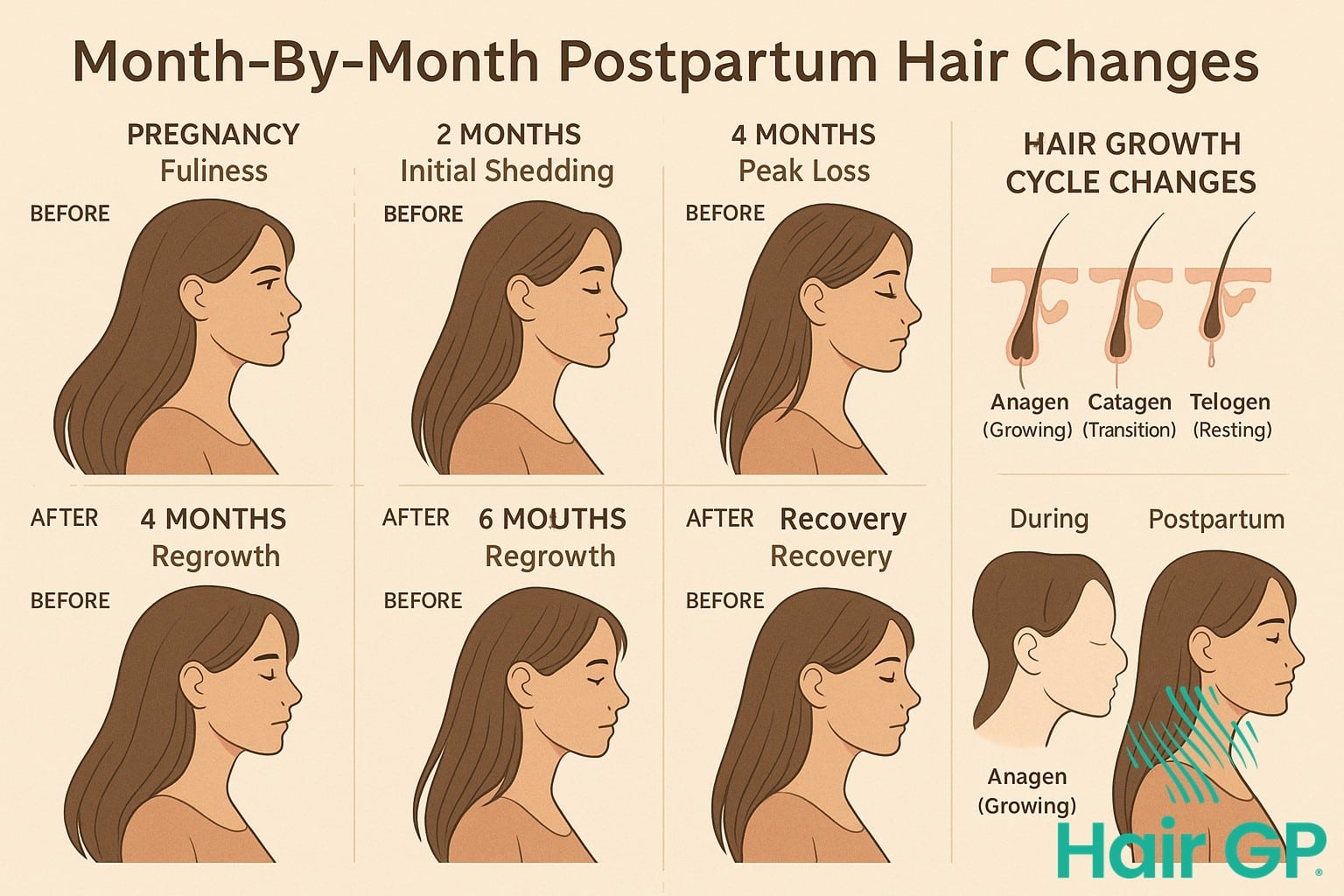
After giving birth, many women notice more hair falling out than usual. This is called postpartum hair loss or telogen effluvium. Normally, hair grows in cycles: some hairs grow while others rest and then fall out. During pregnancy, higher levels of estrogen keep hair in the growing phase. After birth, hormone levels drop, causing many hairs to move to the shedding phase at once. This can lead to noticeable hair loss around three to six months after delivery.
Some key facts:
- About 50% to 60% of new mothers experience postpartum hair loss.
- Hair loss usually peaks at four months postpartum and improves by the baby’s first birthday.
- The hair loss is temporary, but the emotional effects can last longer.
Many women are surprised by how much hair they lose. It is common to see a handful of hair come out in the shower or while brushing. The good news: in most cases, hair grows back on its own.
The process happens because pregnancy hormones keep hair locked in the “growing” stage longer than usual. So, after childbirth, when hormone levels quickly drop, the hair that was “saved” during pregnancy starts to fall out. In reality, this is hair that would have shed little by little over the previous months if not for the hormonal boost.
This sudden shift makes the change dramatic.
Some women notice hair loss only at the front of the scalp or temples, while others see general thinning. The type and amount of hair loss depend on genetics, hormones, and stress levels. If twins or family members experienced postpartum hair loss, you might too.
It is also important to note that postpartum hair loss is not the same as hair loss due to illness or nutritional deficiency. It is a normal, expected result of the body’s return to its non-pregnant state. Understanding this difference can help relieve unnecessary worry.
The Emotional Impact Of Postpartum Hair Loss
For many women, hair is closely tied to their identity. Losing it can feel like losing a part of themselves. The emotional effects of postpartum hair loss can be deeper and more complex than most people expect.
Self-esteem And Body Image
After childbirth, a woman’s body is already changing. Hair loss adds another layer of insecurity. Some mothers feel unattractive or embarrassed. Looking in the mirror can be painful. They may avoid photos or social events. For women who always took pride in their hair, the change can be especially hard.
Self-esteem is often built from small, everyday moments. When hair loss changes how you look, it can affect how you feel during these moments. For example, you may hesitate to attend family gatherings or feel nervous during video calls. Even compliments can feel uncomfortable, as you worry people notice your hair thinning.
Anxiety And Sadness
Seeing more hair fall out every day can cause anxiety. Many women worry that they are sick or that the hair loss will not stop. Some feel sad or even depressed, especially if they already have postpartum depression. These feelings are real and valid.
Sometimes, anxiety grows because the hair loss seems unpredictable. You might fear that every shower or comb will make things worse. The sadness can deepen if you remember how your hair once looked and wonder if it will ever return.
Relationship Stress
Hair loss can also affect relationships. Some mothers fear their partner will not find them attractive. Others feel uncomfortable around friends or family. These worries can create distance and misunderstandings.
In some cases, partners may not realize how deeply hair loss affects you. They may try to reassure you, but if their words feel dismissive, it can make things harder. Honest conversations help, but starting them is often difficult.
Social Isolation
A woman may stop going out or seeing friends because she is self-conscious about her hair. This isolation can make emotional recovery harder. It’s easy to feel alone, even though postpartum hair loss is very common.
Isolation can happen even within your own home. You may avoid family photos or choose not to attend events, thinking your appearance will draw attention. This withdrawal can impact your mood and make the recovery period feel longer.
Identity Loss
For some, hair is a symbol of youth and health. Losing it can feel like a loss of identity. It is not just a “bad hair day”—it can change how a woman sees herself.
This sense of loss is more than skin deep. You may feel disconnected from your previous self. It can be hard to adjust to a new version of you, especially when you are already adjusting to motherhood.
Hidden Struggles
Many women do not talk about postpartum hair loss. They feel ashamed or think others will not understand. This silence makes it harder to get support. Remember, you are not alone, and your feelings matter.
Sometimes, hidden struggles are made worse by social media. Seeing photos of other mothers who seem to have perfect hair can be discouraging. The truth is, most women face similar challenges but do not share them openly.
Why Postpartum Hair Loss Is So Hard Emotionally
It’s easy to underestimate how much hair means to someone. Hair is not just about appearance—it carries emotional weight.
- Cultural Importance: In many cultures, thick and healthy hair is a sign of beauty and wellness. Losing it can feel like not meeting society’s standards.
- Sudden Change: The hair loss often happens quickly, making it harder to adjust.
- Timing: It comes at a time when mothers are already tired, stressed, and adjusting to new roles.
- Lack of Control: Mothers have little control over the hair loss, which adds to feelings of helplessness.
Emotional distress is often made worse by the lack of information. Many mothers are not warned about hair loss before childbirth, so the surprise adds to the shock. If you are already coping with sleepless nights and caring for a newborn, losing hair can feel like “one more thing” you cannot handle.
Another reason it’s hard emotionally: hair is visible. Unlike internal changes, hair loss is something you—and others—can see every day. This visibility makes it harder to ignore and can turn a private worry into a public concern.
Myths And Facts About Postpartum Hair Loss
There are many myths about why postpartum hair loss happens and how to stop it. Clearing up these myths can reduce unnecessary stress.
| Myth | Fact |
|---|---|
| Only unhealthy women lose hair after childbirth. | Most women experience some hair loss, even if they are healthy. |
| Postpartum hair loss is permanent. | It is almost always temporary. Hair usually grows back within a year. |
| Washing hair often causes more hair loss. | Washing does not cause hair loss; it just removes hair that is already shed. |
| Cutting hair short will stop hair loss. | Cutting hair can make thinning less noticeable, but it does not stop shedding. |
| Only first-time mothers lose hair. | Hair loss can happen after any pregnancy. |
Some myths come from old advice or misunderstandings. For example, some cultures recommend not washing hair for weeks after birth, thinking it prevents hair loss. In reality, hair that is ready to fall will shed anyway.
Another common myth is that hair loss means something is wrong with you or your baby. This is not true—postpartum hair loss is simply your body returning to its normal cycle.
Common Signs And Symptoms
Postpartum hair loss usually looks different from normal hair shedding.
- Sudden increase in hair fall—especially after brushing or washing.
- Thinning at the temples or around the hairline.
- More hair in the shower drain, on pillows, or on the floor.
- Short, fine “baby hairs” growing in as new hair starts to return.
Some women notice extra hair on their clothing, in their baby’s crib, or even on the car seat. The change can be so dramatic that you may wonder if you are losing all your hair, but this is rarely the case.
New growth often appears as short, fuzzy hairs around the hairline. These “baby hairs” are a sign that your hair is recovering.
If hair loss is patchy or comes with other symptoms (like itching, redness, or swelling), it is best to see a doctor. This can help rule out other causes such as thyroid problems or alopecia.
How To Cope: Emotional Support Strategies
Dealing with postpartum hair loss is not just about managing the physical symptoms. Emotional support is just as important. Here’s how you can support yourself or someone you care about.
1. Acknowledge Your Feelings
It’s normal to feel upset, frustrated, or even angry about losing hair. Give yourself permission to feel these emotions. Hiding or denying your feelings makes it harder to heal.
Acknowledging your feelings is a first step toward acceptance. You might say, “I am sad about my hair loss, but I know it’s temporary. ” This gentle honesty can relieve pressure and help you move forward.
2. Talk About It
Share your experience with someone you trust—a partner, friend, or family member. Talking helps reduce shame and makes the problem feel smaller. Sometimes, just knowing others care can make a big difference.
If you are not comfortable talking face-to-face, try sending a message or writing a letter. Expressing your thoughts, even in writing, can help clarify your feelings and reduce stress.
3. Join A Support Group
Many women find comfort in talking to others who are going through the same thing. Look for online forums or local groups for new moms. Sharing stories and advice can help you feel less alone.
Support groups are not just for emotional support—they often share practical tips too. You may learn new ways to style your hair or find out about products that help.
4. Seek Professional Help
If sadness or anxiety about hair loss is affecting your daily life, consider talking to a therapist or counselor. Professional support is especially important if you have a history of depression or anxiety.
Therapists can offer coping techniques, such as cognitive behavioral therapy or mindfulness practices. These tools help you manage stress and build confidence.
5. Educate Yourself
Learning about postpartum hair loss can reduce fear. Understanding that it is temporary and common can ease your mind. Knowledge gives you power.
Read trusted resources, watch videos from experts, or ask your doctor. The more you know, the less you will worry about the unknown.
6. Accept Help
Let others support you—whether it’s help with the baby, meals, or just company. You don’t have to do everything alone. Accepting help lowers stress and gives you time to recover.
Many mothers feel guilty about asking for help, but this is a time when support is needed. Let friends or family help with chores, errands, or childcare.
7. Practice Self-compassion
Be kind to yourself. Remember, your body has done something amazing. Treat yourself with the same care you’d offer a friend.
If you catch yourself thinking negative thoughts, pause and ask: “Would I say this to someone I love?” Replace harsh words with gentle encouragement.
8. Focus On What You Can Control
You cannot stop hair loss overnight, but you can control how you respond. Focus on healthy habits, gentle hair care, and positive self-talk.
For example, you can choose nourishing foods or gentle hair products. Taking action, even in small ways, builds confidence.
9. Reframe Your Thinking
Try to see hair loss as a temporary phase, not a permanent problem. Remind yourself that your worth is not tied to your hair.
Reframing means shifting focus from what you have lost to what you have gained—like resilience, patience, or a new perspective.
10. Celebrate Small Wins
Notice new growth, or when hair loss slows down. Celebrate these moments—they are signs that things are improving.
Even small changes, like finding a hairstyle that makes you feel confident, are worth celebrating.
Practical Hair Care Tips To Minimize Stress
While you cannot stop postpartum hair loss completely, gentle care can make your hair look and feel better. Here are some strategies:
Gentle Hair Handling
- Use a wide-tooth comb to detangle.
- Avoid brushing wet hair, which is more fragile.
- Do not pull hair into tight ponytails or buns.
If you need to style your hair, try loose braids or gentle clips. Avoid elastic bands that pull on the scalp, which can add stress to already sensitive hair.
Choose The Right Products
- Use mild, sulfate-free shampoos.
- Try lightweight conditioners to avoid weighing hair down.
- Avoid harsh chemicals and heat styling.
Choose shampoos labeled for “strengthening” or “repair,” but avoid products with strong fragrances or alcohol. If possible, air dry your hair or use the lowest heat setting.
Simple Hairstyles
- Shorter cuts can make thinning less noticeable.
- Soft layers add volume and movement.
- Use headbands, scarves, or hats if you feel self-conscious.
Experiment with accessories like clips or wraps. These can add style and comfort while covering areas you feel insecure about.
Nutrition Matters
Eating a balanced diet supports healthy hair regrowth. Focus on:
- Protein—found in eggs, fish, and beans.
- Iron—in spinach, lentils, and lean meats.
- Zinc—in nuts and seeds.
- Vitamins A, C, D, and E—from fruits and vegetables.
If you are breastfeeding, continue your prenatal vitamins (check with your doctor).
Don’t forget hydration—drink enough water to support overall health. Nutrients work best when your body is well hydrated.
Scalp Massage
Gently massaging your scalp can boost blood flow and encourage hair growth. Use your fingertips and make small, circular movements for a few minutes each day.
Scalp massage can also help you relax and reduce tension. Try using a light oil, such as coconut or jojoba, but avoid heavy products that clog pores.
Be Patient
Hair regrowth takes time. Most women see improvement within 6 to 12 months. Patience is key.
If you do not see progress after this period, talk to your doctor for further advice.
Comparing Hair Loss: Postpartum Vs. Other Types
It’s helpful to understand how postpartum hair loss is different from other types of hair loss. Here is a comparison:
| Type | When It Happens | Main Cause | Duration | Pattern |
|---|---|---|---|---|
| Postpartum Hair Loss | 3-6 months after childbirth | Hormonal changes | 6-12 months | Diffuse (all over), hairline |
| Male/Female Pattern Baldness | Anytime, usually after age 30 | Genetics, age | Progressive (can be permanent) | Top and front of scalp |
| Alopecia Areata | Any age | Autoimmune | Varies (often patchy) | Patches, sudden |
| Telogen Effluvium (Non-Postpartum) | After stress, illness, weight loss | Physical/mental stress | 3-6 months | Diffuse (all over) |
Postpartum hair loss is unique because it happens after childbirth and is linked to hormones, not genetics or illness. Unlike pattern baldness, it is temporary and should resolve without special treatment.
Credit: hairgp.co.uk
When To Seek Medical Advice
Most postpartum hair loss is normal and improves with time. However, it’s important to talk to a doctor if:
- Hair loss is patchy or comes with redness, swelling, or pain.
- Hair is not growing back after 12 months.
- You have other symptoms (fatigue, weight changes, or mood swings).
- You feel very anxious, sad, or overwhelmed.
A doctor can check for other causes, such as thyroid problems or iron deficiency, and help you find the right treatment.
If your hair loss is severe or you notice bald spots, medical advice is important. Sometimes, underlying health issues can contribute to hair loss, and early treatment helps.
Partner And Family Support: How To Help A Loved One
If your partner, sister, or friend is going through postpartum hair loss, your support matters.
- Listen without judgment. Let her share her feelings.
- Offer compliments on her strength or other qualities.
- Help with practical tasks so she can rest.
- Join her in healthy habits, like cooking a balanced meal or taking a walk.
- Be patient. Healing takes time.
Sometimes, just being present is the best support.
You can also encourage her to seek help if needed. Remind her that hair loss is common and temporary. Gentle reminders that she is valued for more than her hair help boost confidence.
Positive Coping Strategies For Everyday Life
Adopting healthy coping strategies makes a big difference. Here are practical ideas:
Mindfulness And Relaxation
Practicing mindfulness, deep breathing, or meditation can reduce stress and calm anxiety. Even a few minutes a day can help.
Try guided meditation apps or simple breathing exercises. Focus on the present moment rather than worrying about the future.
Journaling
Writing down your feelings helps process emotions and track progress. Try noting small improvements or things you are grateful for.
Journaling can also help you notice patterns—such as what triggers stress or what helps you feel better.
Stay Active
Gentle exercise, like walking or yoga, boosts mood and helps your body recover. It’s also a chance for self-care.
Physical activity increases endorphins, which improve mood. Even a short stroll outside can refresh your mind.
Focus On Self-care
Find small ways to take care of yourself, even with a new baby. A relaxing bath, reading, or enjoying your favorite music can lift your spirits.
Self-care is not selfish; it is necessary for recovery. Set aside a few minutes each day for something that brings you joy.
Connect With Others
Keep in touch with friends and family. Social support helps you feel less isolated.
If in-person visits are difficult, try video calls or text messages. Regular contact keeps you grounded.
Set Realistic Expectations
Remember, recovery takes time. Celebrate progress, not perfection.
Set small goals, such as trying a new hairstyle or going out for coffee with a friend. These steps build confidence.
What Really Helps: Evidence-based Approaches
Some treatments are marketed for postpartum hair loss, but not all are proven. Here’s what research says:
- Minoxidil (topical solution): Usually not recommended during breastfeeding or early postpartum.
- Supplements: If you eat a balanced diet, extra vitamins rarely help unless you have a deficiency.
- Hair oils and serums: Can improve the look of hair, but do not stop shedding.
- Laser therapy: Not usually needed for temporary hair loss.
The best approach is gentle care, stress reduction, and time. If you are worried, consult your doctor for advice.
Avoid spending money on expensive products unless recommended by your doctor. Most women recover naturally with simple care.
Credit: drsarahallen.com
Real Stories: Mothers Share Their Experiences
Hearing from others can be comforting. Here are some real-life examples:
- Sara, 32: “I cried every time I brushed my hair. My partner reminded me I was still beautiful, and it helped. By my son’s first birthday, my hair was growing back.”
- Anita, 28: “I joined an online group for new moms. Seeing others with the same struggle made me feel normal.”
- Emily, 35: “I started wearing headbands and scarves. It gave me confidence to go out again.”
Every story is different, but the feelings are often the same. Sharing your story can also help others.
Some mothers find creative ways to cope—like trying new colors or cuts. Others focus on self-care routines or seek support from family. The main lesson: you are not alone, and recovery is possible.
Advice From Experts
Dermatologists and psychologists agree: postpartum hair loss is common and temporary. They recommend:
- Staying patient and gentle with your hair.
- Seeking support if you feel overwhelmed.
- Not comparing yourself to others—every woman’s journey is unique.
If you want more scientific information, the American Academy of Dermatology offers guidance on hair loss and self-care (American Academy of Dermatology).
Experts emphasize that emotional health is as important as physical recovery. If your feelings are intense or persistent, professional help is valuable.
Comparing Emotional Impact: Postpartum Hair Loss Vs. Other Postpartum Changes
Let’s see how the emotional effect of postpartum hair loss compares to other common postpartum changes:
| Change | Emotional Impact | Support Strategies |
|---|---|---|
| Hair Loss | Insecurity, anxiety, sadness | Emotional support, gentle hair care, education |
| Stretch Marks | Body image concerns | Positive self-talk, supportive clothing, acceptance |
| Weight Gain | Low self-esteem, frustration | Healthy habits, realistic goals, partner support |
| Fatigue | Irritability, mood swings | Rest, help from others, self-care |
Hair loss often feels more “visible” and can be harder to hide, which is why the emotional impact is sometimes stronger.
Many mothers say hair loss affects their mood more than stretch marks or weight gain because it is harder to cover up and changes how others see them. This insight helps explain why emotional support is so important.
Two Non-obvious Insights Most Beginners Miss
1. The emotional effects may last longer than the hair loss itself. Even after hair starts to grow back, some women still feel anxious about their appearance. Emotional healing can take more time than physical recovery.
2. Support from others (even online) can be as powerful as medical treatments. Many women overlook the value of connection. Talking, sharing, and getting reassurance often help more than any shampoo or vitamin.
A third insight: Many women do not realize that small lifestyle changes—like stress management or gentle hair care—make a bigger difference than expensive products.
Simple Actions To Help Yourself Today
- Tell someone how you feel.
- Write down three things you like about yourself (not related to hair).
- Try a new hairstyle or accessory.
- Take five minutes for deep breathing or stretching.
- Remind yourself: “This is temporary. I am more than my hair.”
Small actions build confidence and remind you that you are in control of your recovery.
Frequently Asked Questions
What Causes Postpartum Hair Loss?
Postpartum hair loss happens because hormone levels drop after childbirth. During pregnancy, higher estrogen keeps hair from falling out. After birth, many hairs enter the shedding phase at once, leading to noticeable hair loss.
How Long Does Postpartum Hair Loss Last?
It usually starts around three months after birth and peaks at four to five months. Most women see improvement by the baby’s first birthday. Hair typically returns to normal within six to twelve months.
Can I Prevent Postpartum Hair Loss?
You cannot prevent it completely, but gentle hair care, a healthy diet, and stress management can help minimize shedding. Avoid harsh treatments and focus on self-care.
When Should I See A Doctor?
See a doctor if hair loss is patchy, comes with scalp symptoms (redness, swelling), does not improve after 12 months, or if you have other symptoms like fatigue or mood changes. Medical conditions like thyroid problems can also cause hair loss.
Will My Hair Grow Back The Same As Before?
In most cases, yes. Hair usually grows back as before. Sometimes, new hair may be a slightly different texture or color, but these changes are often minor.
Coping with postpartum hair loss is not easy, especially when emotions are involved. Remember, you are not alone, and your feelings are valid. With support, gentle care, and time, things will get better. Reach out, talk about it, and give yourself the same kindness you give to others. You are strong—and this phase will pass.
Credit: www.psychiatryofthepalmbeaches.com