

Thyroid Problems And Hair Skin Changes: What Lab Tests to Request
Many people feel lost when their hair starts to thin, their skin becomes dry, or they notice strange changes in their appearance. These problems can be frustrating and hurt self-confidence. What many do not realize is that the thyroid gland—a small organ in your neck—often plays a big role in these changes. Thyroid disorders are common and can affect anyone, regardless of age or gender. When the thyroid does not work as it should, it can change how your skin looks and how your hair grows.
But how do you find out if your thyroid is to blame? The answer lies in the right lab tests. Not all tests are the same, and sometimes doctors miss key things. This article explains everything you need to know about thyroid problems and their effects on hair and skin.
You will learn which lab tests to request, what each test tells you, and what steps to take next. By the end, you will feel confident speaking with your doctor and understanding your own health better.
The Role Of The Thyroid In Hair And Skin Health
The thyroid gland produces hormones that control many body functions. These hormones—mainly thyroxine (T4) and triiodothyronine (T3)—help regulate your metabolism, energy, and even how your skin renews and your hair grows.
When your thyroid is overactive (hyperthyroidism) or underactive (hypothyroidism), it can cause:
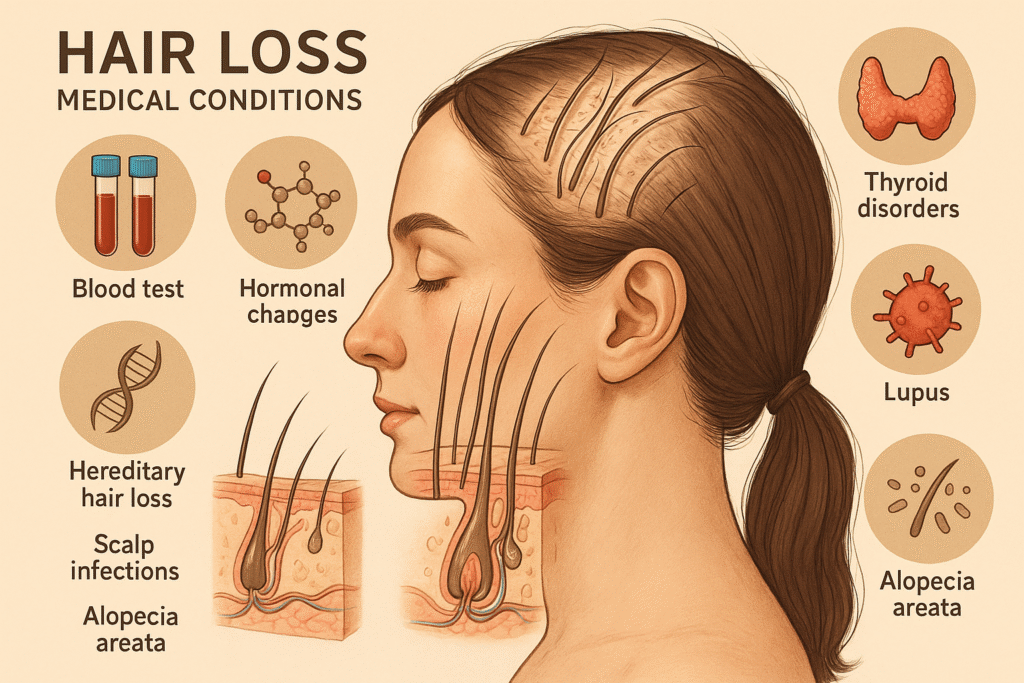
- Hair loss or thinning (on the scalp, eyebrows, and body)
- Dry, flaky skin
- Brittle nails
- Swelling or puffiness in the face
- Changes in sweating (more or less than usual)
- Slow healing of wounds
These changes happen because thyroid hormones directly affect how fast your skin cells replace themselves and how your hair follicles work. If your hormone levels are too high or too low, the normal cycle of hair and skin growth is disturbed.
How Thyroid Disorders Show Up On Hair And Skin
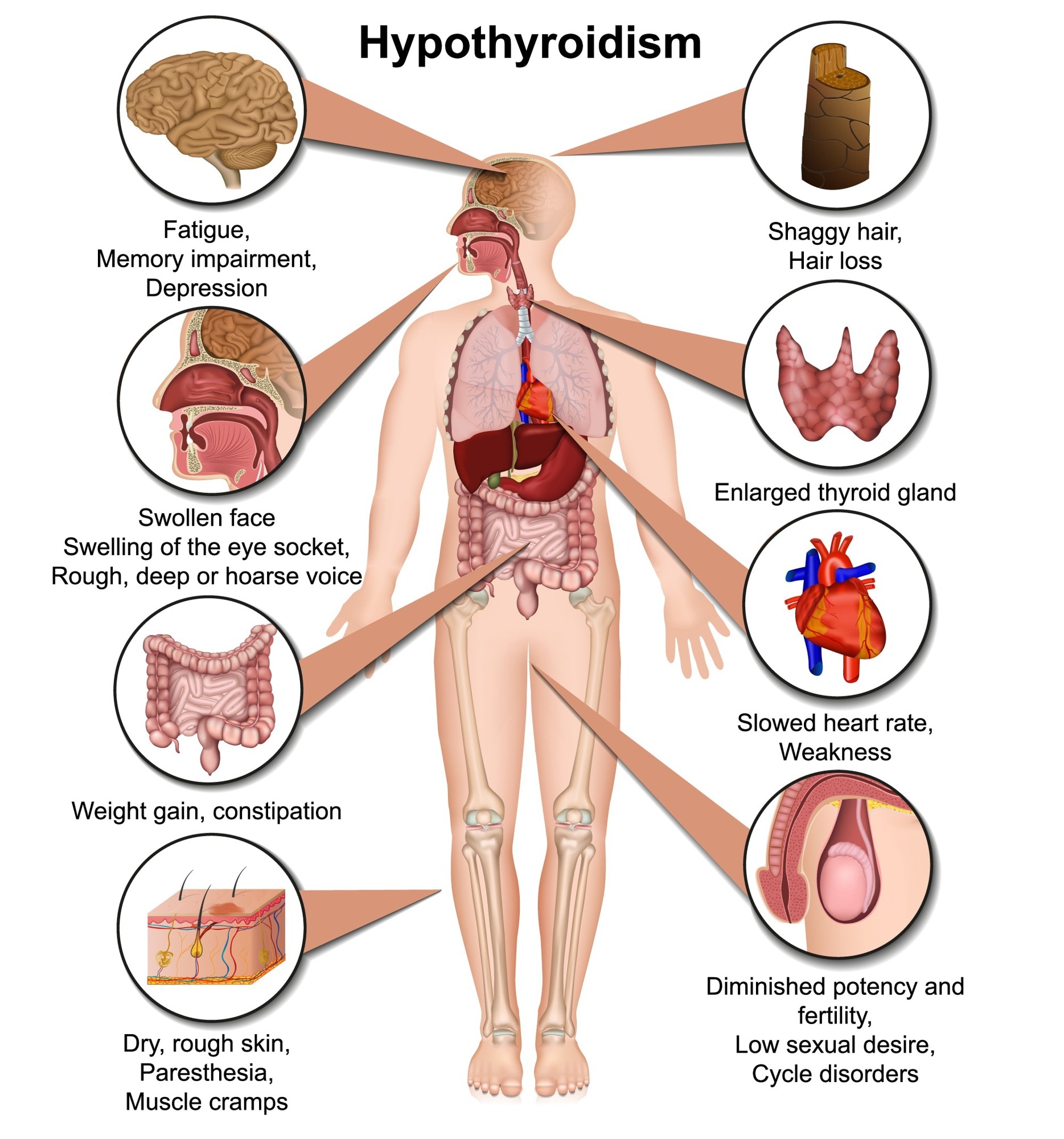
Hypothyroidism (low thyroid hormone) often leads to dry, rough skin and hair loss, especially on the outer eyebrows. People may also notice pale, cool skin and slow-growing nails. Some people with hypothyroidism experience a yellowish tint to their skin, which can be mistaken for other conditions. Nails may develop ridges, become brittle, or peel more easily.
Hyperthyroidism (high thyroid hormone) can cause thin, soft hair that falls out easily and skin that feels smooth but is often warm and sweaty. Some people develop rashes or reddish areas, especially on the lower legs. In severe cases, hyperthyroidism can even cause a condition called pretibial myxedema, where the skin over the shins becomes thick and rough.
It’s also possible to experience changes in skin color or texture. For example, some people with thyroid issues notice darkened skin folds or more pronounced lines on their palms and soles. Even increased sensitivity to temperature—feeling cold or hot easily—can be traced back to thyroid function.
Non-obvious insight: Not all hair loss or skin dryness means a thyroid problem. Stress, diet, or other illnesses can cause similar changes. That’s why lab tests are so important.
Another detail many miss: Eyebrow thinning, especially at the outer edges, is a classic sign of hypothyroidism, but it often goes unnoticed or is blamed on aging or grooming habits.
Common Thyroid Problems That Affect Hair And Skin
Understanding the main thyroid conditions helps you know what to look for.
- Hypothyroidism: The most common cause is Hashimoto’s thyroiditis, an autoimmune disease. Other causes include iodine deficiency and certain medications. Symptoms can develop slowly over months or years, making them easy to overlook until they become more severe.
- Hyperthyroidism: Often caused by Graves’ disease, another autoimmune disorder. Thyroid nodules or too much iodine can also trigger it. Symptoms may include anxiety, rapid heartbeat, and noticeable sweating in addition to changes in hair and skin.
- Thyroiditis: Inflammation of the thyroid. This can be temporary but still cause symptoms. Subacute thyroiditis can follow a viral infection and cause pain in the neck, along with changes in hormone levels.
- Postpartum Thyroiditis: Some women develop thyroid problems after giving birth, with hair and skin changes showing up months later. This is often mistaken for “normal” postpartum hair loss or skin problems, so it’s important to be aware of the timing.
- Thyroid Cancer or Nodules: Rarely, growths in the thyroid can disturb hormone levels and cause similar issues. While most nodules are harmless, some can cause overproduction or underproduction of hormones, leading to hair and skin changes.
One insight many people miss: Even small changes in thyroid function can affect hair and skin before other symptoms appear. Mild hypothyroidism, for example, can cause hair thinning without fatigue or weight gain.
Another key point: Sometimes thyroid problems can “come and go,” especially in cases of thyroiditis or postpartum changes. This means your symptoms might change over weeks or months, making it harder to connect them to your thyroid.
What Lab Tests To Request For Thyroid-related Hair And Skin Changes
If you notice unexplained changes in hair or skin, these are the most important lab tests to discuss with your doctor:
1. Tsh (thyroid Stimulating Hormone)
TSH is usually the first test ordered. It measures how much stimulating hormone your brain is sending to the thyroid. Normal levels are usually between 0.4 and 4.0 mIU/L, but this can vary by lab.
- High TSH means your thyroid is underactive (hypothyroidism).
- Low TSH means your thyroid is overactive (hyperthyroidism).
This test is very sensitive, but it doesn’t tell the full story. Sometimes TSH can be normal while your thyroid hormones are not. For example, in early or “subclinical” thyroid disease, TSH may be slightly abnormal but T4 and T3 are still within normal limits, or vice versa.
A less obvious detail: TSH levels can be affected by non-thyroid illnesses, recent severe stress, or even certain medications like steroids and dopamine. If you have unusual results, share your full health history with your doctor.
2. Free T4 (thyroxine)
Free T4 measures the main hormone produced by the thyroid. It is called “free” because it is not bound to proteins in your blood.
- Low Free T4 with high TSH points to hypothyroidism.
- High Free T4 with low TSH suggests hyperthyroidism.
Sometimes, only T4 is low and TSH is borderline—this is called subclinical hypothyroidism.
It’s important to test Free T4 rather than just Total T4, as the “free” form is what your body uses. Some people with normal total T4 can still have low free T4, which explains lingering symptoms.
3. Free T3 (triiodothyronine)
Free T3 is the active form of thyroid hormone in your body. It is especially important in cases of hyperthyroidism, where T3 can be high even if T4 is not.
- Measuring both Free T3 and Free T4 gives a more complete picture.
Some people have trouble converting T4 to T3, so even if T4 looks normal, T3 may be low—this is called “low T3 syndrome. ” It’s more common in chronic illness or stress.
4. Thyroid Antibody Tests
Autoimmune thyroid diseases are a common cause of hair and skin changes. These tests check for antibodies attacking your own thyroid:
- TPO Antibodies (Thyroid Peroxidase Antibodies)
- TG Antibodies (Thyroglobulin Antibodies)
- TSI (Thyroid Stimulating Immunoglobulin) for suspected Graves’ disease
High antibodies confirm an autoimmune cause and may explain symptoms even if your TSH and T4 are normal.
Additional tip: Thyroid antibodies can be positive for years before your hormones change. If you have a family history or strong symptoms, these tests are worth asking for—even if your basic thyroid tests are normal.
5. Reverse T3
Reverse T3 is a less common test, but it can help in complex cases. High levels can block the action of normal T3, leading to symptoms of hypothyroidism even with normal lab results.
Reverse T3 may be elevated during severe stress, illness, or after surgery. It’s rarely used for routine screening but can be important if you’re not improving with standard treatment.
6. Thyroglobulin
This test is often used for monitoring thyroid cancer, but in rare cases, changes in thyroglobulin can help explain skin and hair symptoms.
Thyroglobulin is usually not needed for most people with hair or skin changes, but your doctor may check it if you have a known thyroid nodule or a history of thyroid surgery.
7. Thyroid Ultrasound (imaging)
While not a blood test, thyroid ultrasound can reveal nodules, cysts, or inflammation. These structural problems sometimes cause hormone changes affecting hair and skin.
Ultrasound is painless and can also check for increased blood flow, which sometimes happens in Graves’ disease. It’s a useful tool if your doctor feels a lump, or if your blood tests suggest a problem.
8. Other Lab Tests To Consider
Sometimes, other tests help rule out different causes or see how the thyroid is affecting your whole body:
- Ferritin (Iron storage)
- Vitamin D
- B12
- CBC (Complete Blood Count)
- Liver and kidney function tests
Low iron or vitamin D can also cause hair loss or skin changes and are common in people with thyroid disorders.
A practical insight: Many people with thyroid disease have low ferritin (iron stores) even if their blood count is normal. Low ferritin can cause hair loss that does not improve until iron is restored.
How To Prepare For Thyroid Lab Tests
Getting accurate results is important. Here’s how to prepare:
- Fasting: Most thyroid tests do not require fasting. However, some doctors ask for fasting to get a clearer baseline. If you are also testing cholesterol or blood sugar, fasting may be needed.
- Timing: Blood should be drawn in the morning, usually between 7-10 am, because hormone levels can change during the day. This is especially important for TSH, which follows a daily rhythm.
- Medications: Do not stop thyroid medications unless your doctor says so. Tell your doctor about all supplements and medicines you take.
- Supplements: Biotin (vitamin B7) can affect thyroid test results. Stop taking biotin at least 2 days before testing.
A common mistake: Taking thyroid medication just before the test can change results. Take your medication after your blood draw unless directed otherwise.
One more tip: If you are taking iron, calcium, or multivitamins, these can interfere with how your body absorbs thyroid medication. Try to separate them by at least 4 hours from your thyroid pill, and let your doctor know about all supplements.
Credit: www.news-medical.net
Understanding Your Lab Results
It’s important to understand what your results mean. Here is a comparison of typical patterns seen in thyroid lab tests:
| Condition | TSH | Free T4 | Free T3 | Antibodies |
|---|---|---|---|---|
| Normal | Normal | Normal | Normal | Normal |
| Hypothyroidism | High | Low | Low/Normal | Often High |
| Hyperthyroidism | Low | High | High | Often High |
| Subclinical Hypothyroidism | High | Normal | Normal | May be High |
| Subclinical Hyperthyroidism | Low | Normal | Normal | May be High |
Remember, “normal” ranges can be different for each lab, so always review your results with your doctor.
It’s also important to look at your symptoms, not just the numbers. Two people with the same TSH might feel very different, so your doctor should consider both your lab results and your experience.
When To Repeat Tests Or Request More
Sometimes, one test is not enough. You may need to repeat tests or ask for more if:
- Symptoms continue but results are normal
- You start or change thyroid medication
- You are pregnant or planning pregnancy
- You have a family history of thyroid disease
- You develop new symptoms
Some conditions, like Hashimoto’s, can have normal labs for years before changing. Repeat testing can catch changes early.
It’s also wise to repeat tests if you’ve had a major life event (such as surgery, pregnancy, or severe illness) since these can affect thyroid function. In children and teenagers, growth spurts or puberty can also trigger changes that need monitoring.
Non-obvious insight: If you are planning pregnancy, checking thyroid function before conception is important. Thyroid problems can affect fertility and the health of the baby, even if you feel fine.
How Thyroid Treatment Affects Hair And Skin
Treating the thyroid can improve hair and skin—but not always right away.
Hypothyroidism Treatment
- Levothyroxine is the most common medicine.
- Hair and skin often start to improve after 3-6 months of normal thyroid levels.
- Some people may need iron, zinc, or biotin supplements if hair loss continues.
Be patient: hair grows in cycles, and it can take several months to see new growth. Sometimes, hair may seem to shed more at first as unhealthy hairs fall out and are replaced by new, stronger ones.
Hyperthyroidism Treatment
- Anti-thyroid drugs (like methimazole), radioactive iodine, or surgery may be used.
- Hair and skin changes usually reverse, but rapid shifts in hormones can sometimes make hair loss worse before it gets better.
For some, treatment can cause a temporary “shock” to the system, triggering a phase of increased hair shedding called telogen effluvium. This usually resolves with time and steady hormone levels.
Special Cases
Some people do not see improvement, even with normal labs. This can happen due to:
- Other autoimmune diseases (like lupus or alopecia areata)
- Scalp conditions (fungal infections, eczema)
- Stress or poor nutrition
Non-obvious insight: Regrowing hair after thyroid treatment requires patience. Hair grows slowly, and visible changes may take many months.
Another important point: Sometimes, people need adjustments in their medication dose before symptoms improve. If you feel no better after several months, talk with your doctor about reviewing your full health picture, including possible vitamin or mineral deficiencies.
Other Causes Of Hair And Skin Changes (when Thyroid Is Not The Cause)
It’s important to consider other causes if your thyroid tests are normal but you still have symptoms.
- Iron deficiency: Very common, especially in women.
- Vitamin D deficiency: Linked to hair loss and thin skin.
- Polycystic Ovary Syndrome (PCOS): Causes hair thinning and acne.
- Menopause: Hormone changes affect hair and skin.
- Medications: Blood thinners, acne drugs, and some antidepressants can cause hair loss.
- Stress or crash diets: Can trigger hair shedding.
- Chronic diseases: Diabetes, kidney, or liver disease can affect skin and hair.
A full check-up can help rule out these other causes.
A less-known example: Some cholesterol-lowering drugs (statins) can cause hair thinning. If your hair loss started after starting a new medicine, mention it to your doctor.
Practical Tips For Healthier Hair And Skin With Thyroid Problems
While lab tests and medicine are key, some practical steps can support recovery:
- Gentle hair care: Avoid tight hairstyles, harsh dyes, or frequent heat styling. Use mild shampoos.
- Skin hydration: Apply moisturizers after bathing. Choose gentle, fragrance-free creams.
- Balanced diet: Eat foods rich in iron, zinc, vitamin D, and healthy fats. These support hair and skin repair.
- Sun protection: Use sunscreen daily. Thyroid problems can make your skin more sensitive.
- Stress reduction: Chronic stress affects both thyroid health and hair growth. Try breathing exercises or short walks.
- Regular follow-up: Stay in touch with your doctor and repeat tests as advised.
Extra tip: Avoid over-washing your hair or using very hot water, as this can make dryness worse. For skin, look for creams with ceramides or hyaluronic acid, which help lock in moisture.
Many people ignore small changes, hoping they will go away. Catching thyroid problems early can prevent more serious symptoms.
Comparing Lab Test Importance For Hair And Skin Changes
Here is a summary of which tests are most valuable for different symptoms:
| Symptom | Essential Test | Helpful Additional Test |
|---|---|---|
| Hair loss | TSH, Free T4 | Iron, Vitamin D, Antibodies |
| Dry skin | TSH, Free T4 | Vitamin D, B12 |
| Brittle nails | TSH | Iron, Zinc |
| Swelling/puffiness | TSH, Free T4 | Kidney function |
| Changes in sweating | TSH, Free T4, Free T3 | Blood glucose |
This guide can help you and your doctor focus on the most useful tests for your main symptoms.
Credit: hairgp.co.uk
How To Talk To Your Doctor About Thyroid Testing
Many people feel nervous or unsure about asking for tests. Here are some tips:
- Be clear about your symptoms: “I have had hair loss and dry skin for three months.”
- Mention family history: “My mother has Hashimoto’s disease.”
- Ask for specific tests: “Can we check TSH, Free T4, Free T3, and thyroid antibodies?”
- Request explanations: “Can you help me understand these results?”
- Follow up: “When should I repeat these tests?”
Doctors sometimes miss mild thyroid problems, especially if symptoms are vague. Your clear questions can make a big difference.
Another helpful approach: Write down your symptoms and when they started. Bring photos if you have visible changes (such as skin rashes or hair thinning). This helps your doctor see patterns over time.
Myths And Misunderstandings About Thyroid And Hair/skin Changes
Many myths surround the thyroid and its effects. Let’s clear up some common ones:
- Myth: All hair loss is caused by thyroid problems.
- Truth: Many things can cause hair loss; thyroid is just one.
- Myth: If your labs are “normal,” your thyroid is fine.
- Truth: Labs can be “normal” but not optimal for you. Symptoms matter.
- Myth: Biotin supplements fix thyroid hair loss.
- Truth: Biotin only helps if you are deficient. Most people are not.
- Myth: You should stop all medications before testing.
- Truth: Only stop biotin, and only if your doctor says so for other meds.
A common mistake is waiting too long to ask for help. Early testing leads to better outcomes.
Another misconception: Only older people get thyroid problems. In reality, thyroid disorders can appear at any age, including children and young adults.
Real-life Example: Thyroid And Hair Loss Journey
Consider Sarah, age 32. She noticed her hair was thinning and her skin was dry. She tried special shampoos, but nothing worked. Her doctor first ordered only TSH, which came back normal. She felt frustrated, but asked for more tests—Free T4, Free T3, and TPO antibodies.
Her TPO antibodies were very high, and Free T4 was at the low end of normal. She was diagnosed with early Hashimoto’s thyroiditis and started treatment. Six months later, her hair started growing back, and her skin improved.
This shows the importance of asking for a full thyroid panel—not just TSH.
Here’s another example: James, age 45, developed sweating, thinning hair, and unexplained weight loss. His TSH was very low, and Free T3 was high. Further testing revealed Graves’ disease. With treatment, his hair loss slowed, and his energy returned.
When To See A Specialist
If your symptoms continue despite normal tests, or if you have complex medical problems, seeing an endocrinologist (hormone specialist) is a smart step. They can order advanced tests and offer more treatment options.
You may also want to see a dermatologist if you have scalp conditions, skin rashes, or hair loss that does not improve after treating your thyroid. Sometimes, joint care between your family doctor, endocrinologist, and dermatologist gives the best results.
Credit: careclinic.io
Trusted Resources For Thyroid And Hair/skin Health
For more information, visit reliable sources such as the American Thyroid Association. They offer clear guides, patient stories, and the latest research.
If you prefer support groups, many online forums and patient advocacy groups provide advice and encouragement from people who have experienced similar issues.
Frequently Asked Questions
What Are The First Signs Of Thyroid Problems In Hair And Skin?
The first signs can be subtle. You may notice thinning hair, especially at the hairline or outer eyebrows, and dry, itchy skin. Nails may become brittle, and you might see more hair on your brush or pillow. Sometimes, swelling or puffiness in the face or legs happens early on.
You may also notice your skin heals more slowly after cuts or scrapes. In hyperthyroidism, your skin may become more oily or you might sweat more than usual.
How Long Does It Take For Hair And Skin To Improve After Starting Thyroid Treatment?
It often takes 3 to 6 months for hair and skin to improve after your thyroid hormones are balanced. This is because hair grows slowly, and it takes time for new, healthy hairs to replace those lost. Skin may get softer and less dry sooner, usually within 1-2 months.
Don’t be discouraged if you don’t see changes right away—consistent treatment and nutrition are key.
Can I Have Thyroid-related Hair Loss Even If My Tsh Is Normal?
Yes. TSH can be normal while Free T4 or T3 are not ideal for your body. Also, early autoimmune thyroid disease can cause hair loss before major lab changes. Always ask for a full thyroid panel and antibody tests if you have unexplained symptoms.
This is especially important if you have a family history of thyroid disease or other autoimmune conditions.
Should I Take Supplements For Hair Loss If I Have Thyroid Problems?
Only take supplements if you are deficient. Common helpful supplements include iron, zinc, vitamin D, and B12. Biotin is rarely needed unless your levels are low. Too much supplementation can be harmful, so check with your doctor first.
If your diet is balanced and blood work is normal, extra supplements are not usually needed.
Are There Other Health Issues That Can Cause Similar Changes?
Yes. Iron deficiency, vitamin D deficiency, PCOS, menopause, stress, and some medications can all cause similar hair and skin changes. That’s why a full check-up, including thyroid and other tests, is important.
Your appearance and well-being are important. Understanding the connection between thyroid problems and hair/skin changes, and knowing which lab tests to request, can help you get the answers you need. Take action early, ask questions, and work with your doctor to protect your health and confidence.