

Every new mother expects some changes after giving birth, but few talk openly about postpartum hair loss. When clumps of hair start to fall out, it can feel shocking. This change is normal, but it can affect self-confidence and emotional health. The good news is, certain nutrients can help. Understanding how collagen, iron, and biotin work together creates a strong foundation for healthy hair regrowth. Let’s look at a complete supplement protocol that supports your body in this unique time, helps manage hair loss, and brings back strength to your locks.
Why Does Postpartum Hair Loss Happen?
During pregnancy, high estrogen levels keep most hair in the growth phase. After childbirth, hormone levels drop quickly. This signals more hairs to enter the shedding phase at once, causing noticeable hair fall. This process, called telogen effluvium, usually peaks around three to four months after delivery. While it’s temporary, it can last up to a year for some women.
There are other reasons hair loss might be worse or last longer:
- Blood loss during delivery can lower iron levels
- New mothers may not get enough nutrients due to tiredness or busy schedules
- Stress, lack of sleep, and possible thyroid shifts can impact hair growth
Still, the body is ready to recover if it gets the right support.
If you notice hair loss after pregnancy, you are not alone. Around half of new mothers experience this. The amount can range from mild thinning to large patches, especially around the front hairline or crown. Some women may also see changes in hair texture, such as frizz or dryness.
Hormonal shifts are the main cause, but the body’s stress after birth adds another layer. For example, if you had a cesarean section or a complicated delivery, your body needs more time to recover. Even simple changes like skipping meals or drinking less water can increase hair loss.
Sometimes, the drop in estrogen can also trigger changes in thyroid hormones, leading to a condition called postpartum thyroiditis. This is rare, but it can cause ongoing hair loss if not treated.
Another factor is breastfeeding. While breastfeeding has many benefits, it uses up the mother’s nutrients quickly. If you do not replace iron, protein, and vitamins, hair may take longer to regrow.
Non-obvious insight: Some women notice postpartum hair loss only after stopping breastfeeding. This is because hormone changes happen again at that point, causing a second wave of hair shedding.
Why Nutrition Matters For Hair Regrowth
Hair is not a vital organ. When the body faces stress or lacks nutrients, it stops sending resources to hair follicles first. This is why a nutrient-rich diet and smart supplementation can make a visible difference.
The three nutrients at the center of this protocol—collagen, iron, and biotin—each play a unique role:
- Collagen builds the structure of hair, skin, and nails
- Iron supports oxygen delivery to hair roots
- Biotin powers cell growth and keeps hair strong
Missing just one can slow down recovery. Combining them, with guidance from a health provider, offers your best chance for thick, healthy hair again.
Many new mothers ask, “Can’t I just use a good shampoo? ” The answer is no. While gentle shampoos and conditioners help prevent breakage, they do not fix the root problem. Hair grows from the inside out, and the nutrients you eat are the true foundation.
Eating well is harder than it sounds during postpartum. Lack of sleep, caring for a newborn, and emotional ups and downs can lead to skipped meals or fast food. This is why targeted supplements are helpful—they fill gaps when diet alone is not enough.
Non-obvious insight: Hair regrowth is a slow process because hair follicles are “mini organs” that need to rebuild after the stress of childbirth. Nutrients support not just the hair, but the scalp and skin, creating the right environment for new hair to grow.
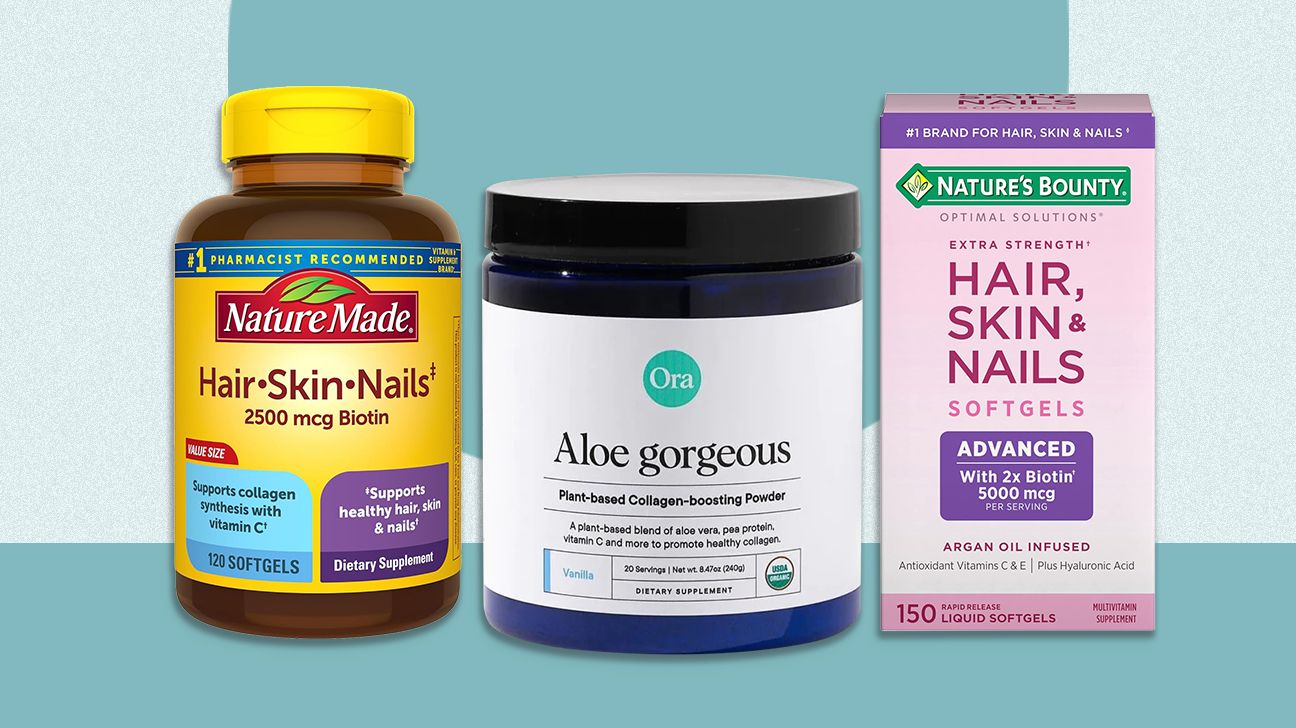
Credit: www.healthline.com
Collagen: The Foundation For Hair Strength
Collagen is the most abundant protein in your body. It creates the structure for skin, hair, nails, and even connective tissues. During and after pregnancy, your body’s demand for protein rises. Many women become slightly deficient, especially if their diet is low in animal proteins or bone broths.
What Collagen Does For Hair
The hair follicle sits in the skin and depends on a healthy, flexible foundation. Collagen provides three main benefits:
- Amino acids: Collagen is rich in glycine, proline, and hydroxyproline—these are building blocks for keratin, the main protein in hair.
- Antioxidant support: Collagen peptides can help fight free radicals that damage hair follicles.
- Skin health: A strong dermis (the layer under the skin) holds hair roots in place, reducing breakage.
Hair is anchored in the skin, so weak skin leads to weaker hair. Collagen helps keep the scalp elastic and hydrated, making it easier for new hair to push through. For postpartum mothers, collagen is also important for skin recovery—stretch marks, dry skin, and fragile nails are signs that you may need more.
If you are vegetarian or vegan, note that collagen comes from animal sources. Plant-based proteins (like soy or pea) do not contain collagen itself, but some companies offer “collagen boosters” with amino acids and vitamin C.
Non-obvious insight: Collagen is not just for hair. It can also help joint pain, gut health, and overall skin appearance after pregnancy.
Best Types Of Collagen For Postpartum Hair
Not all collagen is the same. Some types work better for hair regrowth.
| Type | Source | Best For |
|---|---|---|
| Type I | Marine, bovine (beef) | Skin, hair, nails |
| Type II | Chicken cartilage | Joints |
| Type III | Bovine, porcine (pork) | Skin, blood vessels |
Marine collagen (from fish) absorbs well and is often recommended for hair and skin. Bovine collagen is also effective and widely available.
Some brands combine Type I and Type III for a balanced effect. Marine collagen is ideal if you want quick absorption and are not allergic to fish. Bovine collagen is more popular and affordable.
Non-obvious insight: Collagen powders are not all equal. Read labels carefully—some have added sugars, flavors, or fillers. Pure hydrolyzed collagen dissolves best and is most effective.
Dosage And How To Take Collagen
Most studies suggest 5-10 grams of hydrolyzed collagen peptides daily. You can mix collagen powder into smoothies, coffee, or oatmeal. It has little taste and dissolves easily. For best results, combine with vitamin C (like lemon juice or a fruit) to boost absorption.
If you prefer capsules, make sure the dose matches. Powders are usually easier to adjust. Some women notice better skin and hair when they split the dose—half in the morning, half in the evening.
Collagen works slowly. Hair grows about half an inch per month, so visible results take time. Keep taking it for at least three months before deciding if it helps.
Non-obvious Insights:
- Collagen does not usually cause allergies, but marine collagen may not suit those with fish allergies.
- Many people stop taking collagen too soon; visible results may take 8-12 weeks.
- Consistency is key. Missing days or stopping early can slow results.
Iron: Bringing Oxygen To Hair Roots
Iron is vital for making hemoglobin, the part of red blood cells that carries oxygen. Hair follicles are very active and need plenty of oxygen to grow thick, healthy hair. After childbirth, iron stores often drop, especially if there was heavy bleeding.
Low iron is a major cause of ongoing postpartum hair loss.
Signs Of Low Iron
Besides hair loss, low iron can cause:
- Tiredness and weakness
- Pale skin
- Dizziness or shortness of breath
- Brittle nails
A simple blood test can check your ferritin level (stored iron). Many experts recommend a ferritin level above 70 ng/mL for hair growth, but even “normal” levels may not be enough for some women.
You may also notice cravings for ice or non-food items (called pica), headaches, or restless legs at night. These are all signs your body needs more iron.
Non-obvious insight: Iron levels can drop even if your hemoglobin is “normal.” Always ask for ferritin, not just hemoglobin, when checking iron status.
Iron Types And Absorption
Not all iron supplements work the same. Here’s a quick comparison:
| Type of Iron | Absorption | Common Side Effects |
|---|---|---|
| Ferrous sulfate | High | Constipation, stomach upset |
| Ferrous gluconate | Moderate | Milder stomach issues |
| Iron bisglycinate | Very high | Less likely to cause problems |
Iron bisglycinate is often the best choice postpartum because it absorbs well and is gentle on the stomach.
Some iron supplements are combined with vitamin C or B vitamins to improve absorption. Liquid iron is another option if you have trouble swallowing pills, but it can stain teeth.
Non-obvious insight: Iron supplements work best when taken alone, not with other minerals like calcium or zinc. These minerals can block iron absorption.
Dosage And Timing
Your doctor should suggest the right dose, but 18-27 mg per day is common for postpartum women. Take iron on an empty stomach or with vitamin C for best absorption. Avoid taking with coffee, tea, or dairy, as these block iron.
If you are sensitive to iron, try taking it with a small snack—like a fruit or whole grain cracker. Some women find taking iron at bedtime reduces stomach upset.
If your iron is very low, your doctor may recommend higher doses or even IV iron. Do not self-medicate—too much iron is dangerous.
Non-obvious Insights:
- Iron needs may stay high for months after birth, especially if breastfeeding.
- Some women need B12 and folate along with iron for full recovery.
- Iron can cause dark stools; this is normal and not harmful.
Biotin: The Hair Growth Vitamin
Biotin, also called vitamin B7, is a key player in healthy hair, skin, and nails. It helps the body use fats, carbs, and proteins, which are needed for new cell growth. Biotin deficiency is rare but can happen during pregnancy and after childbirth, especially if diet is poor.
How Biotin Works
Biotin supports the production of keratin, the protein that makes up most of your hair. It also helps your scalp stay healthy, so hair can grow from strong roots.
Biotin is water-soluble, meaning the body does not store it. You need a steady supply from food or supplements. If you eat a varied diet with eggs, nuts, and fish, you may get enough. But stress and hormonal changes after birth can use up biotin faster.
Non-obvious insight: Some medications, like antibiotics or anti-seizure drugs, can lower biotin levels. If you take these, you may need extra biotin.
Signs Of Biotin Deficiency
You might need more biotin if you notice:
- Red, scaly rash around the eyes, nose, or mouth
- Thinning or brittle hair
- Weak nails
- Low energy
Some women notice their eyebrows or eyelashes become thinner, too. This is another clue to check biotin and other B vitamin levels.
Biotin Dosage And Food Sources
Most supplements offer 2,500 to 5,000 mcg (micrograms) per day. High doses are safe, but there is no proof that more works better. Biotin is also found in:
- Eggs (cooked)
- Almonds
- Sunflower seeds
- Salmon
- Sweet potatoes
Cooking eggs destroys avidin, a protein that blocks biotin absorption.
If you prefer not to use supplements, eat biotin-rich foods daily. Try oatmeal with nuts and seeds, scrambled eggs, or baked salmon.
Non-obvious Insights:
- Biotin can interfere with some lab tests. Tell your doctor if you take it before blood work.
- Results from biotin take time; expect at least 3-6 months for fuller hair.
- Biotin is often added to “hair, skin, and nails” formulas, but check the amount. Some gummies have low doses and lots of sugar.
How To Build Your Postpartum Hair Loss Supplement Protocol
Each woman’s needs are different, but a smart protocol combines all three nutrients in a safe, balanced way. Here’s how to build your regimen:
Step 1: Check Your Levels
Before starting supplements, get your iron and ferritin checked. If you had heavy bleeding or feel weak, ask for a thyroid and vitamin panel too.
Your healthcare provider may also check B12, folate, and vitamin D. These nutrients affect hair and energy.
Non-obvious insight: Some women have normal iron but low ferritin. Ask for both tests to get a complete picture.
Step 2: Choose High-quality Supplements
Pick supplements from trusted brands. Look for third-party testing and avoid fillers or artificial colors. Collagen and biotin are often sold as flavored powders or gummies, but check the sugar content.
Capsules, powders, and liquids each have pros and cons. Powders are easy to mix, but capsules are good if you dislike the taste. Always read the ingredient list—some products contain allergens or unnecessary extras.
Step 3: Add Nutrients One At A Time
Introduce one supplement at a time. This way, if you react, you know the cause. Most women start with collagen, then add biotin, then iron.
If you feel bloated or have stomach pain, stop and consult your doctor. Gradual introduction helps your body adjust.
Step 4: Track Your Progress
Take photos and note hair changes every month. Hair grows slowly, so real results can take up to a year. Keep a journal of energy levels, nail strength, and skin.
Write down any side effects or improvements. This helps your doctor adjust your plan if needed.
Step 5: Adjust As Needed
If you develop side effects (like stomach pain from iron), talk to your healthcare provider. You may need a different form or lower dose.
Adjusting supplements is normal. If you become pregnant again or change your diet, update your protocol.
Example 8-week Protocol
- Weeks 1-2: Start with 5g collagen daily, add vitamin C-rich fruit.
- Weeks 3-4: Add 2,500 mcg biotin in the morning.
- Weeks 5-8: Add 18mg iron bisglycinate on an empty stomach. Continue all three.
Remember: This is a general example. Personal needs may vary, so always check with your doctor.
Non-obvious insight: If you are breastfeeding, you may need higher doses, but always check safety with your healthcare provider.
Supporting Your Protocol With Diet And Lifestyle
Supplements work best alongside healthy habits. Here are key tips for better results:
- Eat protein at every meal: Hair is made of protein. Aim for eggs, chicken, fish, beans, and lentils.
- Drink enough water: Dehydration slows hair growth.
- Manage stress: Stress increases hair loss. Simple breathing exercises or short walks can help.
- Get enough sleep: Sleep restores your body, including hair follicles.
- Avoid harsh hair treatments: Skip tight ponytails, heat styling, and chemical dyes while hair is fragile.
Eating a rainbow of fruits and vegetables gives your body more antioxidants, which protect hair roots.
Consider gentle scalp massages to boost blood flow. Use a soft brush or your fingertips for five minutes daily. This helps nutrients reach hair follicles.
Non-obvious insight: Many women use dry shampoo often after birth, but too much can clog pores and slow hair regrowth. Use sparingly and wash scalp regularly.
If you have trouble preparing healthy meals, ask for help or use meal delivery services. Even simple snacks—like nuts, yogurt, or boiled eggs—support hair health.
Realistic Timeline: What To Expect
Postpartum hair loss is temporary, but the timeline can feel long. Here is what most women experience:
- Month 1-3: Increased shedding, hair feels thin at temples and part line.
- Month 4-6: Shedding slows, new baby hairs start growing.
- Month 7-12: Hair fills in, volume returns, but some areas may need longer.
Supplements can speed up recovery, but don’t expect overnight results. Patience is key.
Some women notice new “baby hairs” along the hairline after a few months. These are a sign that regrowth is happening. Full thickness may take a year or more, especially if iron or biotin levels were very low.
Non-obvious insight: Hair cycles are slow. Even if you stop shedding, it may take several cycles (months) for your hair to look full again.
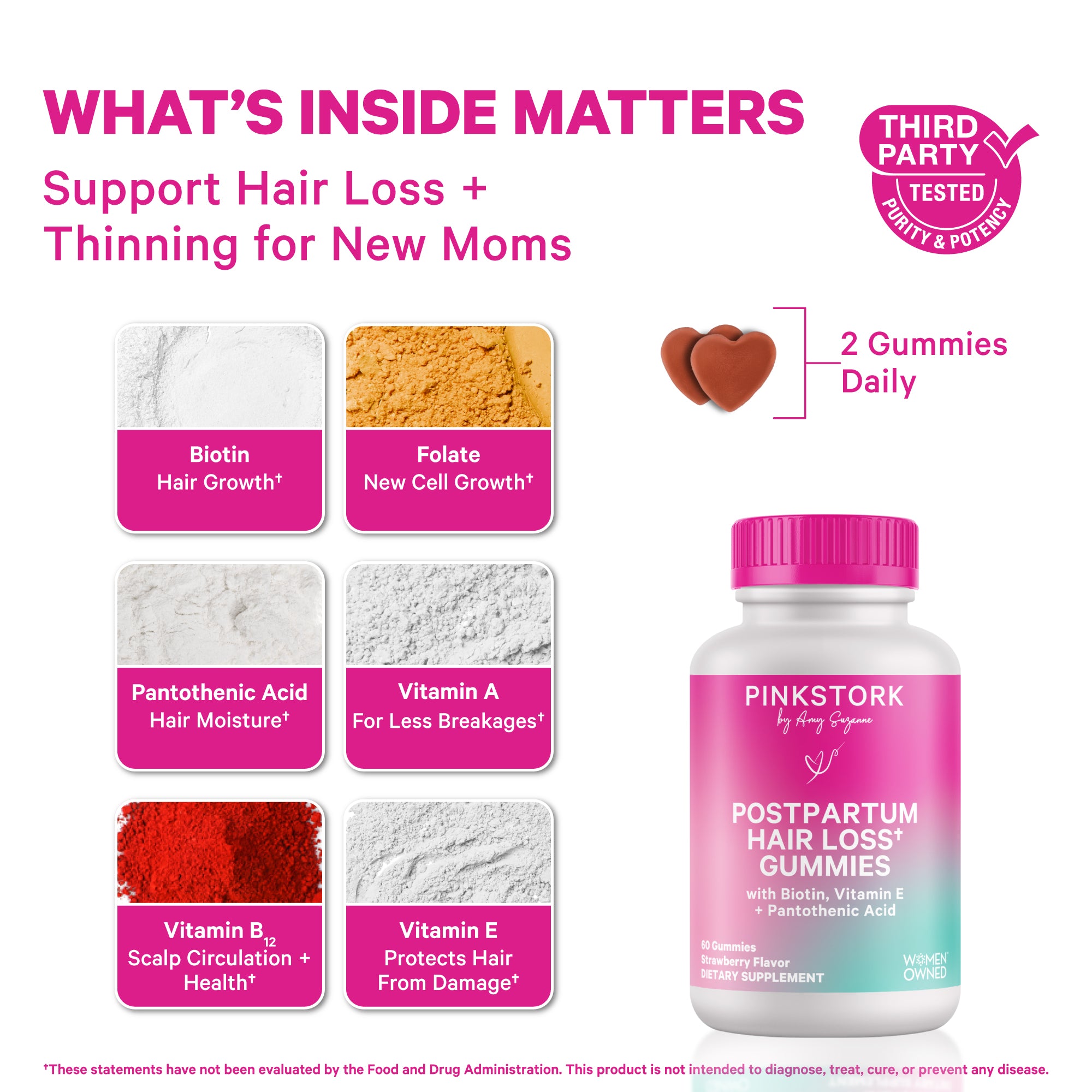
Credit: pinkstork.com
Common Mistakes To Avoid
Many women try to fix hair loss with just one supplement or product. Here are mistakes to watch out for:
- Skipping blood tests: Guessing iron or vitamin status can delay recovery.
- Using only topical treatments: Oils and shampoos rarely solve root problems.
- Stopping too soon: Hair growth is slow. Give at least 3-6 months before judging results.
- Ignoring stress: High stress can block the benefits of supplements.
- Taking too much: More is not always better. High doses can cause side effects.
Some try expensive hair masks or salon treatments, but these do not fix nutrient deficiencies. Focus on internal health.
Non-obvious insight: Some supplements, like zinc, can help if you are deficient, but too much zinc can block copper and cause more hair loss.
Safety, Side Effects, And When To See A Doctor
Supplements are usually safe, but there are things to watch for:
- Iron: Too much can cause constipation, nausea, or dark stools. Keep away from children.
- Collagen: Rare, but may cause bloating or a mild taste.
- Biotin: Usually safe, but can affect certain blood tests (like thyroid).
If you notice:
- No hair regrowth after 12 months
- Hair loss with other symptoms (weight loss, fever, or pain)
- Signs of infection or scalp sores
Contact your doctor. Sometimes hair loss signals a bigger health issue, like thyroid disease or autoimmune problems.
Non-obvious insight: Some rare conditions, like alopecia areata, may start after birth. If hair loss is patchy or sudden, see a specialist.
Credit: bebodywise.com
What Science Says About Collagen, Iron, And Biotin For Hair Loss
Research on these nutrients shows clear benefits, though not all studies agree on the size of the effect.
- Collagen: Studies show that collagen peptides improve skin elasticity and may strengthen the scalp, which helps hold hair in place. Some research finds increased hair thickness after 3-6 months of use.
- Iron: Research confirms that iron deficiency is common in women with hair loss. Treating low iron restores hair growth in most cases.
- Biotin: Biotin deficiency is linked to hair thinning. Supplementing helps when levels are low, but may not help if you already get enough from food.
A 2020 review found that multi-nutrient protocols (combining these and other vitamins) produce the best results for postpartum women.
For more scientific details, you can check this review on nutrition and hair health.
Non-obvious insight: Some studies show that stress management and sleep are as important as supplements for hair regrowth. This is because cortisol (the stress hormone) affects hair cycles.
Frequently Asked Questions
Is Postpartum Hair Loss Permanent?
No, postpartum hair loss is temporary for most women. Hair usually returns to normal within 6-12 months. If shedding lasts longer, check with your doctor for possible iron or thyroid problems.
Can I Take Collagen, Iron, And Biotin Together?
Yes, these supplements can be taken together and often work best as a group. Take iron on an empty stomach, and collagen and biotin with meals. Always follow your healthcare provider’s advice.
Will Biotin Make My Hair Grow Faster?
Biotin helps if you are low in this vitamin, but will not speed up hair growth if you already get enough. It supports strong, healthy hair but is not a miracle cure.
How Long Until I See Results From Supplements?
Results usually appear after 3-6 months of consistent use. Some women notice less shedding within a few weeks, but full regrowth takes time. Patience and regular use are important.
Are There Any Risks With These Supplements?
Supplements are generally safe, but high doses can cause side effects. Iron can cause stomach upset, collagen may cause mild bloating, and biotin can affect blood tests. Always check with your doctor before starting new supplements, especially if you take medication or have health conditions.
What If I Am Breastfeeding?
You can usually take collagen, iron, and biotin while breastfeeding, but check with your doctor for safety and proper dosing. Your nutrient needs are higher while breastfeeding, so do not skip supplements if your doctor recommends them.
Can Hair Loss Come Back With Another Pregnancy?
Yes, hair loss can repeat after each pregnancy. The same protocol can help each time, but your needs may change. Always check nutrient levels before starting supplements again.
—
Regaining your hair after childbirth is possible with the right support. By focusing on collagen, iron, and biotin, and building a smart supplement protocol, you can help your body recover. Pair these nutrients with a balanced diet, stress management, and gentle hair care for the best results. Remember: every woman’s journey is unique, and small changes add up over time. If you stick with your plan and listen to your body, healthy, vibrant hair is within reach.