
Recovering From Telogen Effluvium: Complete Regrowth Guide
Seeing more hair strands on your pillow or in the shower can feel alarming. For many, this sudden change points to telogen effluvium—a common condition where hair falls out more than usual, often after stress, illness, or big life changes. The good news is that telogen effluvium is usually temporary, and with the right steps, most people see full hair regrowth.
But what does real recovery look like? How can you help your hair grow back faster, and is it possible to prevent further loss? This guide takes you through everything you need to know, from identifying triggers to proven regrowth strategies, and even how to stay positive during the process.
Whether you’re just noticing thinning or already deep in recovery, you’ll find clear, practical advice here.
Understanding Telogen Effluvium
Telogen effluvium happens when a large number of hair follicles enter the resting (telogen) phase of the hair cycle all at once. Normally, only about 10% of your hair is in this stage. After a shock—like illness, surgery, crash dieting, childbirth, or emotional stress—up to 30% or more can shift into telogen. This causes noticeable shedding about two to three months later.
One key point: telogen effluvium is not scarring. The hair follicle isn’t destroyed. This means regrowth is possible once the trigger is gone and the hair cycle returns to normal.
Common Causes
- Physical stress (fever, surgery, major illness)
- Emotional stress (bereavement, anxiety, trauma)
- Nutritional deficiency (iron, zinc, protein, vitamin D)
- Hormonal changes (pregnancy, menopause, stopping birth control)
- Medications (antidepressants, beta-blockers, retinoids)
- Crash dieting or rapid weight loss
Not everyone reacts the same way to these triggers. Some people shed more hair, while others notice only mild thinning. For example, two people can have the same surgery, but only one develops telogen effluvium. Genetics, overall health, and even hair type can play a role.
Chronic illnesses such as uncontrolled thyroid disease or ongoing infections can also act as triggers. Even changes in season or travel to a new climate have been reported to contribute, though these are less common.
Symptoms
The main sign is diffuse hair loss—shedding from all over the scalp, not just in patches. Most people see increased hair in their brush, shower drain, or on their pillow. Rarely does telogen effluvium cause bald spots or receding hairlines.
A less obvious symptom is that new hair may feel thinner or softer as it regrows. This can make your hair seem less dense, even when regrowth is happening. You might notice shorter hairs sticking up, especially around the hairline or part.
Some people also report increased scalp sensitivity or mild itching, but not pain or severe redness.
A practical way to check: if you run your fingers through your hair and pull out more than 10–15 strands, and this continues for weeks, it may be telogen effluvium. But only a medical professional can confirm for sure.
How Long Does Recovery Take?
Most cases of telogen effluvium resolve within 6 to 9 months after the trigger is removed. Hair starts to regrow once the follicles return to the anagen (growth) phase. For some, shedding slows sooner; for others, it takes longer if the trigger continues (like ongoing stress or poor diet).
It’s important to be patient. Hair grows about 1–1.5 cm per month (0.4–0.6 inches), so visible improvement takes time. Full density may return 12–18 months after the initial shedding.
A common mistake is to expect instant results. Even after shedding slows, it can take 2–3 months before you notice new growth. It’s easy to get discouraged during this wait, but slow and steady progress is a healthy sign.
Sometimes, a small percentage of people develop chronic telogen effluvium—where shedding lasts for years. This is rare and usually linked to ongoing triggers or health issues. Chronic telogen effluvium is more common in women and often has no clear cause. If you suspect this, a dermatologist should be involved early.
Another insight: after recovery, your hair’s density may not look identical to before, especially if you had underlying thinning or genetic hair loss. Setting realistic expectations helps avoid disappointment.
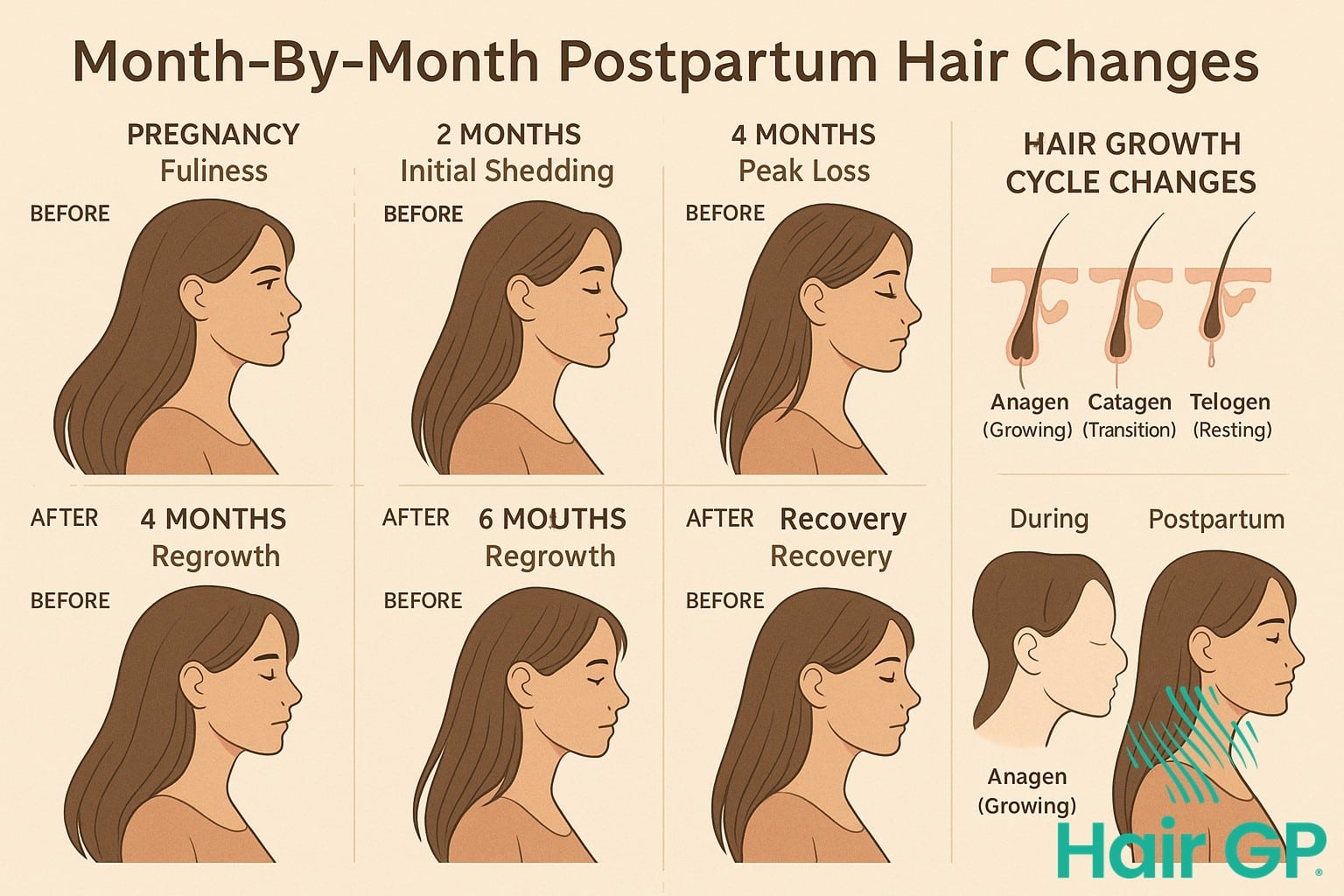
Credit: hairgp.co.uk
Diagnosing Telogen Effluvium
If you’re losing more hair than usual, a dermatologist can help. Diagnosis often includes:
- Medical history: Recent illnesses, diet changes, medications, or stress
- Scalp examination: Checking for patterns, inflammation, or bald spots
- Hair pull test: Gently tugging hair to count how many come out (normal is <3 per pull)
- Blood tests: Checking for anemia, thyroid problems, or vitamin deficiencies
Telogen effluvium is different from alopecia areata (patchy loss) or androgenetic alopecia (pattern baldness). A doctor can tell the difference and suggest the right treatment.
In more complex cases, a trichogram (examining plucked hairs under a microscope) may be performed to confirm the stage of hair growth. This helps rule out other causes and can provide reassurance that follicles are healthy.
If you have symptoms like scaly patches, pain, or hair loss in other areas (eyebrows, eyelashes), let your doctor know. These are not typical for telogen effluvium and may suggest other conditions.
Step-by-step Recovery Plan
Recovering from telogen effluvium isn’t just about waiting—it’s about taking the right actions to support hair regrowth and overall health.
1. Identify And Remove Triggers
The first and most important step is to find out what caused the shedding. If you don’t address the root cause, recovery will be slower or incomplete.
- If it was a one-time event (like surgery or illness), the trigger is usually already gone.
- If it’s ongoing (stress, poor nutrition, a new medication), make changes as soon as possible.
For example, if you suspect iron deficiency, get tested and start supplements if needed. If stress is the cause, work on stress management (more on this below).
Don’t guess at the trigger—sometimes multiple factors are involved. A detailed diary of symptoms, diet, and life events can reveal patterns you might miss. Bring this information to your doctor for a more accurate assessment.
2. Nourish Your Body For Regrowth
Healthy hair needs the right nutrients. Even small deficiencies can slow recovery.
Key Nutrients For Hair Regrowth
| Nutrient | Role in Hair Health | Top Food Sources |
|---|---|---|
| Iron | Oxygen delivery to follicles | Red meat, spinach, lentils |
| Zinc | Cell growth & repair | Oysters, beef, pumpkin seeds |
| Vitamin D | Follicle cycling | Sunlight, salmon, eggs |
| Protein | Builds keratin (hair protein) | Eggs, chicken, tofu |
| Biotin | Supports hair structure | Egg yolks, nuts, sweet potatoes |
If you suspect a deficiency, ask your doctor for blood tests. Don’t self-prescribe high-dose supplements unless advised—too much can cause other problems.
It’s easy to overlook simple things, like skipping breakfast or eating mainly processed foods. For example, teens and young women are especially prone to iron deficiency, which can quietly worsen hair loss.
If you follow a vegetarian or vegan diet, you may need extra attention to protein and B12. Plant-based iron is less easily absorbed, so combine with vitamin C-rich foods (like peppers or oranges) to boost uptake.
Another tip: sudden dieting or fasting can shock the hair cycle. Instead, focus on steady, balanced eating.
3. Optimize Hair Care Routine
Gentle care makes a big difference when hair is fragile.
- Wash less often: 2–3 times per week is enough for most people.
- Use mild shampoo: Avoid harsh sulfates and heavy fragrances.
- Condition regularly: Helps prevent breakage and adds moisture.
- Avoid high heat: Let hair air-dry, and use cool settings if you must blow-dry.
- Limit styling: Skip tight ponytails, braids, or chemical treatments.
Switching to a soft brush and detangling carefully reduces extra shedding. If you color your hair, ask your stylist for gentle, ammonia-free options.
A less-known insight: avoid brushing wet hair aggressively. Wet hair stretches and snaps more easily. Use a wide-tooth comb and start from the ends, working up slowly.
Consider microfiber towels for drying—they’re softer and reduce friction. And don’t rub hair harshly with towels; instead, gently squeeze out water.
For those in hard water areas, mineral build-up can make hair dry and fragile. A clarifying shampoo once a month (not more) can help, but don’t overdo it.
4. Manage Stress Proactively
Chronic stress can keep hair in the telogen phase longer. Building stress resilience is just as important as nutrition for regrowth.
- Exercise regularly: Even brisk walking releases tension.
- Practice mindfulness: Meditation, deep breathing, or yoga help lower stress hormones.
- Sleep well: Aim for 7–9 hours per night. Good sleep boosts recovery and hormone balance.
Some find support groups or talking with a therapist helpful, especially after trauma or big life changes.
If you struggle to relax, start small—5 minutes a day of deep breathing or writing down worries. Over time, these habits can reduce the impact of daily stress.
Remember, stress is not always emotional. Physical stress (illness, surgery, poor sleep) also affects hair. Pay attention to both.
A practical tip: schedule short breaks during the day, especially if you work long hours or care for family. Even a 10-minute walk or stretch can reduce stress load.
5. Consider Medical Treatments
For most, telogen effluvium resolves with time and basic care. But in stubborn cases, certain treatments can speed up regrowth.
Topical Minoxidil
Over-the-counter minoxidil (like Rogaine) can boost new growth. It’s FDA-approved for other hair loss types but is sometimes used “off-label” for telogen effluvium. Results may take 3–6 months.
Some people notice increased shedding in the first few weeks—this is normal and means old hairs are making way for new growth. If irritation occurs, try a lower strength or foam formula.
Low-level Laser Therapy
Devices like laser combs or helmets use light to stimulate follicles. Some studies show modest benefits, but results vary. For best results, use as directed and don’t expect overnight miracles.
Platelet-rich Plasma (prp)
PRP involves drawing your blood, concentrating the platelets, and injecting them into the scalp. Some dermatologists offer this for stubborn cases, though research is still evolving.
Always discuss these options with a dermatologist. Not everyone needs or benefits from medical treatments.
Other options, like oral medications (spironolactone, finasteride), are reserved for other types of hair loss and are rarely used for telogen effluvium.
6. Support Scalp Health
A healthy scalp is the foundation for strong hair.
- Massage your scalp gently for a few minutes daily to increase blood flow.
- Keep the scalp clean, but don’t over-wash.
- Treat dandruff or itching promptly with gentle shampoos (like ketoconazole or zinc pyrithione).
- If you notice redness, bumps, or persistent irritation, see a doctor—sometimes other scalp conditions can worsen shedding.
Try not to use heavy oils or thick creams on the scalp unless prescribed. These can block pores and worsen irritation. If you use hair oils, apply only to the mid-length and ends.
A less-known tip: avoid using dry shampoo every day. It can build up and clog follicles over time.
7. Be Patient And Track Progress
Regrowth takes time and doesn’t happen evenly. You may see short, soft “baby hairs” before full density returns. Some practical tips:
- Take monthly photos in the same lighting and style.
- Note any changes in hair texture or scalp visibility.
- Celebrate small improvements, like less shedding or new growth along the hairline.
Remember, hair cycles through phases. Even after telogen effluvium ends, some shedding is normal.
If you find tracking stressful, pick one day a month to check, then focus on healthy habits the rest of the time.
Lifestyle Changes For Lasting Results
Recovering from telogen effluvium is not just about getting back what you lost—it’s about keeping your hair healthy for the future.
Nutrition For Hair Health
Aim for a balanced diet rich in whole foods:
- Plenty of vegetables and fruits
- Lean proteins (chicken, fish, tofu, beans)
- Whole grains (brown rice, oats, quinoa)
- Healthy fats (olive oil, avocado, nuts)
Crash diets or extreme restrictions almost always lead to more shedding. If you follow a vegan or vegetarian diet, pay extra attention to iron, protein, and vitamin B12.
Meal planning can help. Prepare snacks with nuts, boiled eggs, or beans to avoid skipping meals. Try to include protein at each meal for steady nutrient supply.
Smoothies with spinach, berries, and seeds are a quick way to add vitamins and minerals.
Avoiding Common Triggers
Many people don’t realize that everyday habits can trigger or prolong telogen effluvium. Some examples:
- Tight hairstyles: Constant pulling (like braids or ponytails) can stress follicles.
- Harsh chemicals: Bleach, perms, or relaxers can damage hair and scalp.
- Over-brushing: Too much brushing or rough handling increases breakage.
- Skipping meals: Irregular eating patterns disrupt nutrient supply.
Small changes—like choosing loose hairstyles, gentle products, and regular meals—can make a big difference over time.
If you swim, use a swim cap and rinse hair after. Salt and chlorine can dry hair, making it more fragile.
A silk or satin scarf at night reduces friction and breakage, especially for curly or textured hair.
Staying Hydrated
Hydration matters for every cell, including hair follicles. Aim for 1.5–2 liters of water daily (more if you exercise). Dehydration can make hair dry, brittle, and more likely to break.
Herbal teas, water-rich fruits (like watermelon or cucumber), and broths also count toward hydration.
Limiting Environmental Damage
Sun, wind, and pollution can weaken hair and slow regrowth. Some practical tips:
- Wear a hat or scarf in strong sun or wind.
- Rinse hair with clean water after swimming (chlorine or salt can dry hair).
- Use a silk or satin pillowcase to reduce friction and breakage.
If you live in a city with high pollution, gentle cleansing is even more important. Pollution can settle on the scalp, causing irritation. Don’t let sweat or dirt build up for days.
When To Seek Extra Help
If shedding lasts longer than 9–12 months, or if you see bald patches, redness, or pain, see a dermatologist. Sometimes, a different type of hair loss or a scalp condition is present.
People with other health issues (like thyroid disease or severe anemia) may need more specialized treatment.
If you feel increasingly anxious or depressed about your hair, don’t wait—support is available and can make a big difference.
Emotional Impact And Coping
Hair loss—even when temporary—can deeply affect self-confidence and mood. It’s normal to feel frustrated, worried, or self-conscious.
Building Self-confidence
- Focus on what you can control: Healthy habits, gentle care, and stress management.
- Try new hairstyles, scarves, or hats that make you feel good.
- Remember, most people notice much less than you think.
Consider joining online forums or social media groups where others share their journeys. Seeing progress from others can give hope and practical tips.
Support Systems
Talking with friends, family, or even online support groups helps many people feel less alone. If you find hair loss is affecting your daily life or mental health, consider professional counseling.
Some people benefit from cognitive-behavioral therapy (CBT) or mindfulness-based stress reduction. These approaches can help shift focus from appearance to overall well-being.
Setting Realistic Expectations
Full regrowth takes time—often 6–18 months. Being kind to yourself and recognizing progress (even small) helps keep motivation high.
Remind yourself: regrowth is rarely a straight line. Some days will look better than others. Celebrate every milestone, even if it’s just less hair on the pillow.
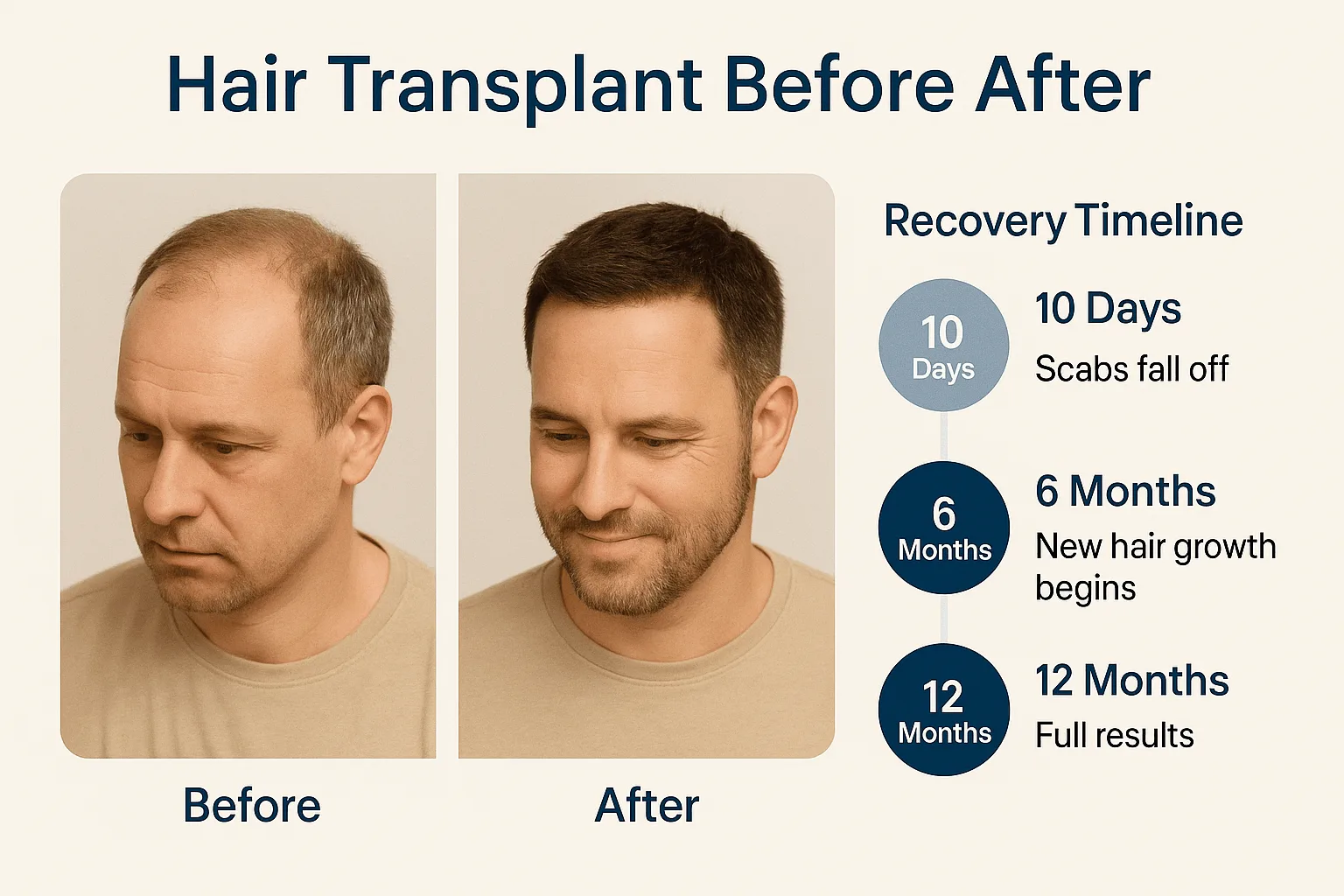
Credit: clinista.com
Advanced Insights: What Most Beginners Miss
While basics like nutrition and gentle care are important, two less-obvious insights can speed your recovery:
1. Scalp Microbiome Matters
The balance of bacteria and fungi on your scalp affects inflammation and hair growth. Over-washing, heavy oils, or harsh products can disrupt this balance. Use gentle, pH-balanced shampoos and limit oils or heavy conditioners on the scalp itself.
If you use dry shampoo, don’t let it build up. Wash it out within a day or two. If you notice flaking or itching, take a break from products and let your scalp breathe.
2. Not All Regrowth Looks the Same
New hair often grows in finer and lighter at first (“vellus hairs”). Some people worry these are permanent, but with time, many thicken and darken. Tracking progress with photos, instead of comparing to old hair, helps you see improvement.
Another insight: sometimes regrowth feels uneven. One area may recover faster than another. This is normal—the hair cycle isn’t perfectly synchronized across the scalp.
Myths And Misunderstandings
Many people waste time or money on unproven treatments. Here’s what to watch out for:
- Hair vitamins: Unless you have a real deficiency, most “hair growth” pills don’t help.
- Special shampoos: Few shampoos can reverse telogen effluvium; focus on gentle cleansing.
- Cutting hair: Trimming doesn’t speed up growth—it just removes split ends.
- Wigs or extensions: These don’t slow regrowth, but avoid tight or heavy pieces that pull on fragile hair.
If in doubt, check with a dermatologist before starting any new product or supplement.
Don’t let fear lead you to drastic actions, like shaving your head unless you want to. Regrowth happens under the skin, so surface changes don’t affect the process.
Comparing Telogen Effluvium With Other Hair Loss Types
Understanding the difference helps you set the right expectations.
| Feature | Telogen Effluvium | Alopecia Areata | Androgenetic Alopecia |
|---|---|---|---|
| Pattern | Diffuse (all over) | Patchy spots | Thinning at hairline/crown |
| Onset | Sudden (2–3 months after trigger) | Very rapid (days–weeks) | Gradual (years) |
| Regrowth | Yes, usually full | Variable (may regrow or recur) | Slower, may not be complete |
| Main Triggers | Stress, illness, nutrition, meds | Autoimmune factors | Genetics, hormones |
If your hair loss doesn’t match the features of telogen effluvium, see a specialist for a full assessment.
One more difference: telogen effluvium rarely affects body hair. If you see loss of eyebrows, eyelashes, or body hair, get checked for autoimmune causes.
Monitoring Your Recovery: What To Expect Over Time
A timeline helps set realistic expectations and reduces worry.
| Time Since Trigger | What Happens | What to Do |
|---|---|---|
| 0–2 months | Little to no shedding yet | Identify and address triggers |
| 2–4 months | Shedding begins, often dramatic | Gentle care, nutrition, track changes |
| 4–6 months | Shedding slows, “baby hairs” appear | Stay consistent, avoid new triggers |
| 6–12 months | Noticeable regrowth, improved density | Continue healthy habits, check progress |
| 12–18 months | Full recovery for most people | Maintain good routines |
If you see no improvement after 12 months, consult a dermatologist to rule out other causes.
Remember, hair growth is not always perfectly linear. You may experience short periods of increased shedding even during recovery, especially in spring or fall. This is usually normal and not a sign of relapse.
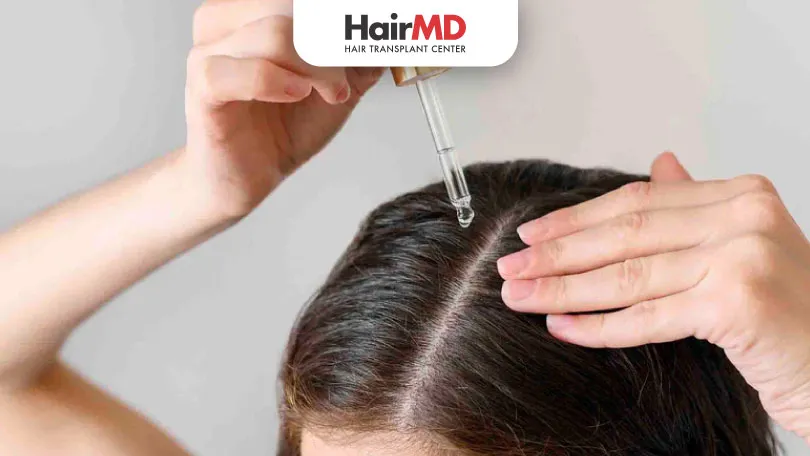
Credit: www.hairmdindia.com
Frequently Asked Questions
What Is The Fastest Way To Regrow Hair After Telogen Effluvium?
There’s no instant cure, but the fastest path is to remove the trigger, eat a nutrient-rich diet, and use gentle hair care. Some people benefit from topical minoxidil, but always check with a doctor first. Patience and consistency are key.
Can Telogen Effluvium Become Permanent?
Most cases are temporary, with full regrowth in 6–18 months. However, if the trigger continues (like ongoing stress, poor nutrition, or illness), shedding can last longer. Rarely, it becomes chronic—see a dermatologist if shedding persists more than a year.
Should I Cut My Hair Short During Recovery?
Cutting your hair does not speed up regrowth, but shorter styles can make thinning less noticeable and reduce tangling or breakage. Choose a style that makes you feel comfortable and confident.
Do Supplements Like Biotin Really Help?
Biotin helps only if you’re deficient, which is rare. Most people with telogen effluvium recover fully with a balanced diet. Before starting supplements, get tested for real deficiencies—too much can cause other health issues.
Is It Safe To Color Or Treat My Hair During Telogen Effluvium?
It’s best to avoid harsh chemical treatments, bleaching, or frequent coloring during active shedding. If you must color, ask for gentle, ammonia-free formulas, and space treatments at least 6–8 weeks apart.
For more on hair loss science, visit the [American Academy of Dermatology](https://www.aad.org/public/diseases/hair-loss/types/telogen-effluvium).
Recovering from telogen effluvium takes time, but most people regain their full hair with the right habits, patience, and a little self-care. Stay positive—your hair is on its way back.