

When you exfoliate your skin too much, you can damage its natural barrier. This barrier is like a shield—it keeps moisture inside and protects against irritants, bacteria, and pollution. If you notice redness, burning, dryness, or breakouts after exfoliating, your skin barrier may be compromised. This guide will help you understand how to rebuild your skin barrier step-by-step after over-exfoliation, using clear advice, practical examples, and science-backed tips. Whether you are new to skincare or have made mistakes before, you will learn how to restore your skin’s health safely and confidently.
What Is The Skin Barrier And Why Is It Important?
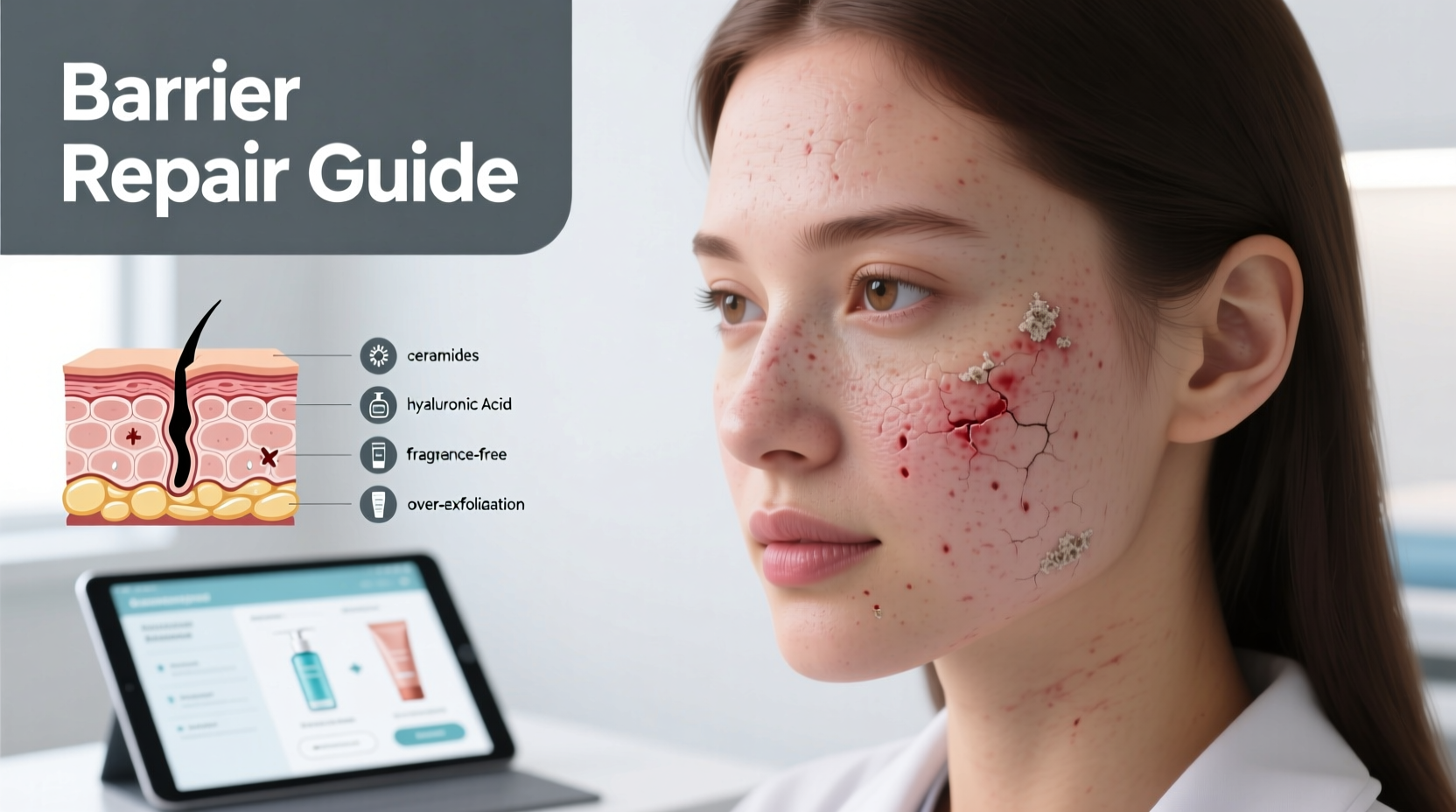
Your skin barrier is the outermost layer of your skin, called the stratum corneum. Imagine it as a brick wall: the skin cells are the bricks, and lipids (fats) are the mortar holding them together. This structure keeps water inside and blocks harmful things outside.
When your barrier is healthy, your skin feels soft, hydrated, and calm. If it is damaged, you may notice:
- Redness
- Sensitivity
- Dry patches
- Itching
- Burning
- Breakouts
A healthy skin barrier also reduces the risk of infections and slows aging. According to dermatologists, more than 80% of skin problems are linked to barrier dysfunction.
But what does this really mean for everyday life? If your skin barrier is working well, you don’t think about your skin much—products absorb evenly, makeup sits smoothly, and you rarely get sudden irritation. Damaged barriers, on the other hand, make your skin react to almost anything: water, sweat, or even air pollution can cause stinging or redness. Many people mistake these reactions for allergies, but often, they’re just signs of a weak barrier.
Why is the barrier so special? It’s not just about beauty—it’s about health. Your skin barrier is your body’s first defense against infections and dehydration. Think of it as a filter: without it, bacteria and pollutants can get inside, and precious moisture escapes out. Over time, a weak barrier can even lead to chronic problems like eczema, rosacea, or increased skin aging.
How Over-exfoliation Damages The Skin Barrier
Exfoliating removes dead skin cells, which can help your skin look brighter. But doing it too often, or using strong products, can strip away protective oils and layers. Common causes of over-exfoliation are:
- Using scrubs or chemical exfoliants (like glycolic acid, salicylic acid) every day
- Combining multiple exfoliating products
- Using products not made for your skin type
The damage often shows up as red, irritated, tight, or flaky skin. Sometimes, you get breakouts or stinging when you apply moisturizer. If you notice these signs, it’s time to stop exfoliating and start recovery.
Many people think more exfoliation means faster results, but this is rarely true. For example, chemical exfoliants like AHAs and BHAs dissolve bonds between skin cells. When used too often, they not only remove dead cells but also the healthy layers that hold moisture and protect your skin.
Physical scrubs, especially those with large, rough particles, can create tiny micro-tears that are invisible but leave your skin vulnerable. Even using a washcloth with too much pressure can trigger damage.
A common mistake is layering products—using a scrub in the shower, then applying a glycolic acid pad, and following with a retinol cream. Each step removes more of your protective barrier, sometimes without you realizing it. The result is skin that burns, peels, or breaks out more than before.
This is why it’s important to understand not just what you use, but how often and in what combination.

Credit: www.cottonskylab.com
Step-by-step Recovery Plan
Healing your skin barrier takes patience. You need to change your routine and give your skin time to rebuild. Here’s a clear step-by-step plan:
1. Stop All Exfoliation Immediately
This is the most important step. Put away scrubs, acids, and peels. Do not exfoliate for at least 2–4 weeks. Your skin needs time to heal.
Even if your skin feels rough, resist the urge to “fix” it with more exfoliation. Over-exfoliated skin often feels bumpy or uneven, but adding more acids or scrubs will only make things worse. Imagine you have a cut on your hand—you wouldn’t keep rubbing or picking at it; you’d let it heal.
Treat your face with the same patience.
2. Simplify Your Routine
Switch to a basic routine. Use only gentle products:
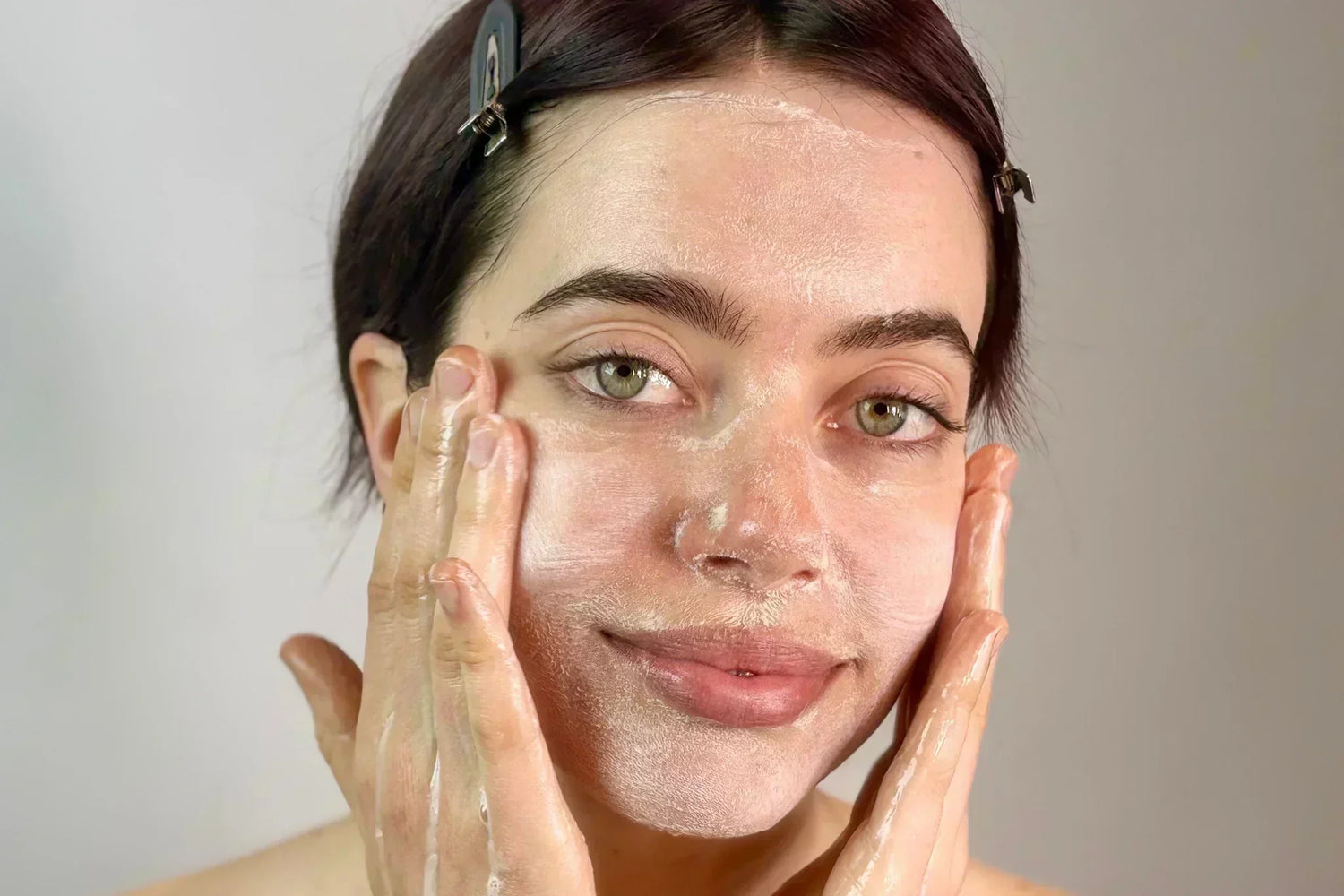
- Cleanser: Choose a fragrance-free, mild cleanser. Avoid foaming cleansers.
- Moisturizer: Pick a rich, non-irritating moisturizer with ingredients like ceramides, cholesterol, and fatty acids.
- Sunscreen: Use a broad-spectrum sunscreen (SPF 30+) every morning.
Do not use toners, masks, serums, or anything with alcohol, fragrance, or acids.
Why is this important? When your barrier is weak, even “good” ingredients can cause trouble. For example, vitamin C and retinol are great for healthy skin but harsh on damaged skin. The fewer products you use, the less chance there is for irritation.
Remember, your goal is to let your skin rest and rebuild, not to treat every problem at once.
Here’s a simple example: If you normally use a 7-step routine, cut it down to 3 steps. In the morning, wash with a gentle cleanser, apply a rich moisturizer, and finish with sunscreen. At night, cleanse and moisturize. That’s it. Simplicity helps your skin focus on healing.
3. Moisturize Generously
Hydration is key for barrier repair. Apply moisturizer morning and night. Look for products with:
- Ceramides: These help rebuild the “mortar” between skin cells.
- Cholesterol and fatty acids: Essential for barrier strength.
- Hyaluronic acid: Attracts water to the skin.
- Petrolatum or shea butter: Locks in moisture.
A 2022 study found that using ceramide-rich moisturizers improved skin barrier recovery by up to 40% faster than basic creams.
Don’t be afraid to apply a thick layer, especially at night. Some people use the “slugging” method: after moisturizing, apply a thin layer of petrolatum (like Vaseline) to seal in hydration. This works especially well for very dry or flaky skin, but if you are acne-prone, test it on a small area first.
One thing beginners often miss: You might need more moisturizer than you’re used to. Damaged skin loses water faster, so reapply if your skin feels tight during the day. If you work in air-conditioning or heating, you may need to moisturize a third time. Listen to your skin, not the clock.
4. Avoid Potential Irritants
Read ingredient lists. Skip anything that contains:
- Alcohol
- Fragrance
- Essential oils
- Acids (AHA, BHA, retinol)
- Harsh preservatives
These can worsen irritation and delay healing.
Even “natural” products aren’t always safe. Essential oils (like lavender, tea tree, or citrus) can be very irritating to sensitive skin. Alcohol is found in many toners and astringents—it can dry out and sting damaged skin. Look for products labeled “for sensitive skin” and check the full ingredient list, not just the front label.
Another common mistake: Using old or expired products. Over time, preservatives break down and bacteria can grow, increasing the risk of infection. If you haven’t used a product in a while, check the smell, color, and expiration date before applying.
5. Protect From Sun And Pollution
Sun exposure slows healing and increases redness. Wear sunscreen daily—even indoors if you sit near windows. Pollution can also make the skin barrier weaker. Try to avoid smoky or dusty environments while recovering.
If sunscreen stings, try a mineral sunscreen with zinc oxide or titanium dioxide. These sit on top of the skin and are less likely to cause irritation than chemical sunscreens. Wearing a wide-brimmed hat or seeking shade also helps. Remember, even on cloudy days, UV rays can damage your skin.
Pollution is harder to avoid, but you can make small changes: Keep windows closed during high-traffic hours, use an air purifier if possible, and avoid spending time outside during smoggy days. Washing your face at night helps remove pollution particles that collect during the day.
6. Keep Skin Cool And Comfortable
Heat can make irritation worse. Use lukewarm water when washing your face. Avoid hot showers, steam rooms, and saunas. Pat your skin dry—do not rub.
If your face feels hot or burns after washing, try a cool compress: Soak a clean, soft cloth in cold water, wring it out, and gently press it on your skin for a few minutes. This can calm redness and reduce swelling. Avoid ice packs directly on the skin—they can cause more damage.
If you sweat a lot (for example, after exercise), rinse gently with cool water and moisturize right away. Sweat contains salt that can irritate broken skin, so don’t let it sit for long.
7. Use Barrier Repair Products
Some products are made especially for damaged skin. Look for creams labeled “barrier repair” or “replenishing.” Popular ingredients include:
- Panthenol (vitamin B5)
- Niacinamide
- Oat extract
- Allantoin
These soothe and support healing.
Products with colloidal oatmeal can be especially helpful—they form a protective layer and reduce itching or redness. You can find oatmeal-based creams in most drugstores. Niacinamide is a gentle multitasker: it helps repair, reduces redness, and even supports your skin’s immune response.
Panthenol (also known as dexpanthenol) is found in many healing ointments. It attracts water and supports cell regeneration, making it ideal for sensitive, over-exfoliated skin.
8. Limit Makeup
Try not to wear makeup until your skin feels normal again. If you must, choose products for sensitive skin and remove them gently.
Powder foundations and heavy concealers can make dryness or flaking more noticeable. Instead, use a light, non-comedogenic (won’t clog pores) tinted moisturizer if coverage is necessary. Always remove makeup with a gentle, fragrance-free cleanser—never use makeup wipes, which often contain alcohol and harsh chemicals.
A non-obvious tip: Brushes and sponges can carry bacteria. Clean them thoroughly before use, and avoid sharing makeup tools with others.
9. Avoid Physical Touch
Do not pick, rub, or scratch your skin. Touching can introduce bacteria and slow healing.
If your skin itches, resist scratching. Instead, apply a cool compress or a gentle, soothing cream. Keep your nails short and wash your hands frequently to minimize risk. Even leaning your face on your hands while sitting at a desk can transfer bacteria and dirt, so be mindful of habits.
10. Stay Hydrated And Eat Well
Drink plenty of water. Eat foods rich in omega-3 fatty acids (like salmon, walnuts, flaxseed) and antioxidants (berries, leafy greens). These help skin repair from the inside.
Healthy fats are especially important because your skin needs them to rebuild its protective layer. If you’re vegetarian or vegan, include sources like chia seeds, hemp seeds, and avocados. Vitamin C (found in citrus fruits, peppers, and broccoli) supports collagen production, which helps the skin heal.
Try to limit processed foods, sugar, and dairy if you notice they trigger breakouts or redness. Everyone’s skin is different, so notice how your diet affects your recovery.
11. Monitor Progress
Check your skin daily. Signs of improvement include less redness, smoother texture, and fewer dry patches. If you see no progress after 4 weeks, or if things get worse, consult a dermatologist.
Take photos every few days so you can see changes over time. Sometimes improvements are slow, and it’s easy to get discouraged. Comparing pictures helps you notice small but important changes.
If you develop blisters, open sores, or yellow crusts, seek medical advice quickly. These can be signs of infection or a severe reaction that needs professional care.
Key Ingredients For Skin Barrier Recovery
Not all moisturizers are equal. Some contain ingredients that work better for barrier repair. Here are the most effective:
Ceramides
Ceramides are natural fats in your skin. They keep cells together and stop water from escaping. Products with ceramides are proven to rebuild the barrier faster.
Not all ceramide creams are the same—look for ones that list “ceramide NP,” “ceramide AP,” or similar on the ingredients. Combining ceramides with cholesterol and fatty acids gives the best results.
Cholesterol
This is another fat found in skin. It helps balance ceramides. Dermatologists recommend using creams with both ceramides and cholesterol for best results.
Cholesterol is often overlooked but is essential. Without enough cholesterol, adding ceramides alone won’t fully repair the barrier.
Fatty Acids
Fatty acids, like linoleic acid and oleic acid, are vital for healthy skin. Choose moisturizers that list these in the ingredients.
Oils high in linoleic acid (like sunflower or grapeseed oil) are less likely to clog pores than oils high in oleic acid (like olive oil). If you have oily or acne-prone skin, choose oils carefully.
Panthenol
Panthenol is soothing and helps skin hold water. It is safe for sensitive or damaged skin.
It also helps reduce redness and itching. Panthenol is found in many “healing” creams and after-sun products.
Niacinamide
Niacinamide (vitamin B3) reduces inflammation and supports barrier repair. Use products with 2–5% niacinamide.
Higher concentrations (over 10%) can be too strong for a damaged barrier, so start with lower levels. It is well-tolerated and safe for most people.
Hyaluronic Acid
This ingredient attracts moisture. It is good for hydrating, but always use it with a moisturizer that locks in water.
If you apply hyaluronic acid to dry skin and don’t seal it, it can pull water from deeper layers, making dryness worse. Always use an occlusive (like petrolatum) on top for best results.
Petrolatum And Shea Butter
These are occlusives—they form a protective layer to keep water in. They are safe for most skin types.
Petrolatum is the gold standard for barrier repair. It’s used in hospitals for wound healing because it’s simple, effective, and rarely causes reactions. Shea butter is a good alternative if you prefer something plant-based.
Here is a comparison of common barrier repair ingredients:
| Ingredient | Function | Best For |
|---|---|---|
| Ceramides | Rebuilds skin structure | Dry, irritated skin |
| Cholesterol | Balances lipids | Sensitive skin |
| Fatty acids | Strengthens barrier | All skin types |
| Panthenol | Soothes, hydrates | Red, inflamed skin |
| Niacinamide | Reduces irritation | Acne-prone skin |
| Hyaluronic Acid | Hydrates | Dehydrated skin |
| Petrolatum | Locks in moisture | Very dry skin |
Common Mistakes That Slow Recovery
Many people unknowingly make mistakes that keep their skin barrier weak. Avoid these errors:
- Resuming exfoliation too soon: Wait until your skin looks and feels normal.
- Using “natural” remedies: Ingredients like lemon juice, baking soda, or apple cider vinegar can burn sensitive skin.
- Over-washing: Cleanse only twice daily with a gentle product.
- Skipping sunscreen: Sun damage will make healing slower and increase sensitivity.
- Ignoring product labels: Many “gentle” products still contain irritants. Always check ingredients.
A surprising insight: Even “hydrating” masks or sheet masks can contain fragrances or preservatives that delay healing. Stick to simple, proven products.
Another mistake is using too many new products at once. It’s tempting to try everything at the same time, but your skin can only repair so fast. Introduce one new product every 1–2 weeks, so you can see how your skin reacts.
Some people also exfoliate because they mistake peeling for dryness. If your skin is flaking, it needs moisture—not more exfoliation. Give your skin time to heal before deciding what it really needs.
How Long Does Skin Barrier Recovery Take?
Recovery time depends on the damage. Most people see improvement in 1–2 weeks, but full recovery can take 4–6 weeks. Severe cases may need longer.
Your age, skin type, and genetics matter. Younger skin heals faster, while mature skin may need more time. If you have eczema or rosacea, healing can be slower.
Here is a timeline for typical recovery:
| Stage | Time Frame | Signs |
|---|---|---|
| Initial healing | 1–2 weeks | Redness fades, less burning |
| Partial recovery | 2–4 weeks | Texture improves, fewer dry patches |
| Full recovery | 4–6 weeks | Normal moisture, calm skin |
Patience is critical. Don’t rush the process by adding exfoliants or actives before your skin is ready. Some people might see small “setbacks”—a bit of peeling or redness—even in week 3 or 4. This is normal as long as it keeps improving overall.
When To See A Dermatologist
Sometimes, over-exfoliation causes more than just irritation. You should see a dermatologist if:
- Your skin is bleeding or forms open sores
- You have persistent swelling
- Symptoms do not improve after 6 weeks
- You develop a rash that spreads
- You suspect an infection (yellow crust, pus)
Dermatologists can recommend prescription creams or treatments for severe cases.
Don’t wait too long if you’re unsure. If you see crusts, blisters, or pain that doesn’t go away, professional help is the safest choice. In rare cases, over-exfoliation can trigger skin conditions that need medical treatment, like eczema flare-ups or allergic reactions.
How To Prevent Over-exfoliation In The Future
Once your skin has healed, you need to change habits to avoid repeating the problem. Here’s how:
1. Exfoliate Less Often
Limit exfoliation to 1–2 times per week for most skin types. If you have sensitive skin, once every 2 weeks is enough.
Start slow—even once a week may be enough, especially if you use other active ingredients (like retinol or vitamin C) in your routine. Your skin will tell you what it can handle.
2. Use Gentle Exfoliants
Pick products with low concentrations of acids (under 10% for glycolic acid, under 2% for salicylic acid). Avoid physical scrubs with large, rough particles.
Look for words like “gentle,” “mild,” or “for sensitive skin. ” Enzyme-based exfoliants (like papaya or pumpkin) are often less harsh than acids or scrubs, but still patch test first.
3. Patch Test New Products
Before using a new exfoliant, apply a small amount to your inner arm for 24 hours. If you see redness or stinging, do not use it.
This step can save you from a lot of pain and setbacks. Always introduce only one new product at a time, so you know what causes reactions.
4. Strengthen Skin Barrier Regularly
Use moisturizers with ceramides and fatty acids even when your skin is healthy. This keeps your barrier strong.
Think of barrier repair as a “maintenance” step, not just something you do after damage. Strong skin handles active ingredients better and is less likely to react.
5. Watch For Signs Of Damage
If you notice increased sensitivity, stop exfoliating right away. Rest your skin for at least one week.
Early warning signs include tingling, sudden dryness, or stinging after cleansing. Listen to your skin and slow down before bigger problems start.
6. Educate Yourself
Read up on ingredients and skincare science. For reliable information, check sites like American Academy of Dermatology.
Knowledge is your best tool. Understand what ingredients do, and remember: not every trend is right for your skin.
Credit: www.alibaba.com
Example Recovery Routine: Morning And Evening
If you are unsure what products to use, here’s a sample routine for damaged skin:
Morning
- Gentle, fragrance-free cleanser
- Barrier repair moisturizer (with ceramides, cholesterol)
- Broad-spectrum sunscreen (SPF 30+)
If your skin feels dry by midday, apply another layer of moisturizer.
Evening
- Gentle cleanser
- Barrier repair moisturizer
- (Optional) Occlusive layer like petrolatum or shea butter
For very dry areas, apply a “spot treatment” of petrolatum or a thicker cream just before bed.
Do not use toners, acids, scrubs, or masks until your skin feels normal.
A non-obvious tip: If your skin is very flaky, try soaking a soft cloth in cool water and gently pressing it on your face before applying moisturizer. This adds extra hydration and helps creams absorb better.
Data: Over-exfoliation Trends And Skin Barrier Awareness
Many people over-exfoliate without realizing it. Surveys show:
- 37% of people exfoliate more than 3 times a week
- 62% use more than one exfoliating product at the same time
- Only 24% know about the skin barrier and its function
This lack of awareness leads to more cases of irritation and sensitivity.
Here’s a comparison of exfoliation habits:
| Frequency | % of People | Risk Level |
|---|---|---|
| 1–2 times/week | 41% | Low |
| 3–5 times/week | 28% | Medium |
| Daily | 18% | High |
| Occasionally | 13% | Low |
Another insight: Social media trends often promote frequent exfoliation for “glass skin” or quick results, but these routines rarely work for most people. It’s better to follow a dermatologist’s advice than a trending hashtag.
Non-obvious Insights For Beginners
Many beginners think exfoliation is always good, but here are two insights most people miss:
- “Tingling” is not a sign of effectiveness: Many believe tingling means a product is working. In reality, it often signals irritation, especially when the barrier is weak.
- Hydration alone is not enough: You must restore lipids (fats) in the skin. Using only water-based products or humectants (like hyaluronic acid) can actually make dryness worse if not sealed in with an occlusive.
A third tip: The skin barrier repairs itself best at night. This is when cell renewal is highest, so night creams and occlusives are extra important before bed.
Practical Tips For Faster Recovery
- Apply moisturizer within 3 minutes after washing your face to lock in moisture.
- Use cool compresses if your skin feels hot or burns.
- Avoid spicy foods and alcohol, which can trigger redness.
- Sleep with a humidifier if your room is dry.
- Wear soft, clean fabrics—avoid wool or scratchy materials.
If your lips are also irritated, use a thick balm (like plain petroleum jelly) to prevent chapping. For hands, apply hand cream after each wash—over-exfoliation can happen anywhere, not just your face.
Another tip: Avoid swimming pools with chlorine or saltwater until your skin heals, as these can increase dryness and irritation.
Credit: www.bibalosangeles.com
Frequently Asked Questions
What Are Signs Of Over-exfoliation?
Signs include redness, burning, dryness, flaky patches, increased sensitivity, and sometimes breakouts. If your skin stings when you apply moisturizer, it is likely over-exfoliated.
How Soon Can I Exfoliate After My Skin Barrier Heals?
Wait until your skin feels fully normal—no redness, dryness, or discomfort. Usually, this takes 4–6 weeks. Start with gentle exfoliation once every two weeks.
Can I Use Oils For Barrier Repair?
Yes, oils like jojoba, rosehip, and sunflower are good for the skin barrier. They provide fatty acids and help seal in moisture. Always patch test before using.
If you have acne-prone skin, start with lighter oils and use only a few drops. Heavy oils can clog pores in some people.
Is It Safe To Use Makeup During Recovery?
It’s best to avoid makeup until your skin heals. If you must, choose products labeled “for sensitive skin” and remove gently with a mild cleanser.
Look for fragrance-free, non-comedogenic, and minimal ingredient products. Avoid waterproof makeup, as it is harder to remove.
What Should I Do If My Skin Gets Worse During Recovery?
If symptoms worsen or you see bleeding, swelling, or infection, stop all products and consult a dermatologist. Sometimes, prescription creams or medical advice are needed.
Don’t try to “power through” pain or severe reactions. Your skin is telling you it needs help—listen and get expert advice if you’re unsure.
Rebuilding your skin barrier after over-exfoliation is possible with patience and the right products. You now have a step-by-step plan and practical tips to restore your skin’s natural strength. Remember, gentle care is key—your skin will thank you for it.