

Saw Palmetto Dosage For Hair Loss: Oral Vs Topical Comparison
Hair loss affects millions of people worldwide. For many, it’s not just about looks; it can impact confidence and self-esteem. Searching for solutions, some turn to natural remedies like saw palmetto. This plant has a long history in traditional medicine and is becoming popular for hair loss management. But what is the right dosage, and should you take it orally or use it as a topical treatment? Let’s explore the science, practical advice, and real experiences to help you decide what works best for you.
What Is Saw Palmetto?
Saw palmetto is a small palm tree native to the southeastern United States. Its berries are used in supplements, teas, and topical products. Traditionally, it was used for urinary and reproductive health. Today, it is better known for its role in managing hair loss, especially androgenetic alopecia (pattern baldness).
The main active compounds in saw palmetto are fatty acids and phytosterols. These are believed to block the activity of an enzyme called 5-alpha reductase, which converts testosterone to dihydrotestosterone (DHT). High DHT levels can shrink hair follicles, leading to hair thinning and loss.
Another detail many overlook is that not all parts of the saw palmetto plant are equally effective. The ripe berries, when properly processed, contain the highest concentration of active compounds. This is why supplements usually specify “berry extract” rather than just “saw palmetto.
” Also, how the berries are extracted—using solvents like ethanol or CO2—can affect the potency of the final product. Cheaper products sometimes use less effective extraction methods, leading to lower levels of fatty acids and less impact on hair loss.
Understanding Hair Loss And Dht
Hair loss comes in many forms, but the most common is androgenetic alopecia. This type is influenced by genetics and hormones, especially DHT. DHT attaches to hair follicles and makes them smaller, which causes shorter, thinner hair. Eventually, the follicles stop producing new hair.
Both men and women can experience this, though it is more frequent and earlier in men. Women usually see thinning across the scalp, while men often get a receding hairline or bald spots.
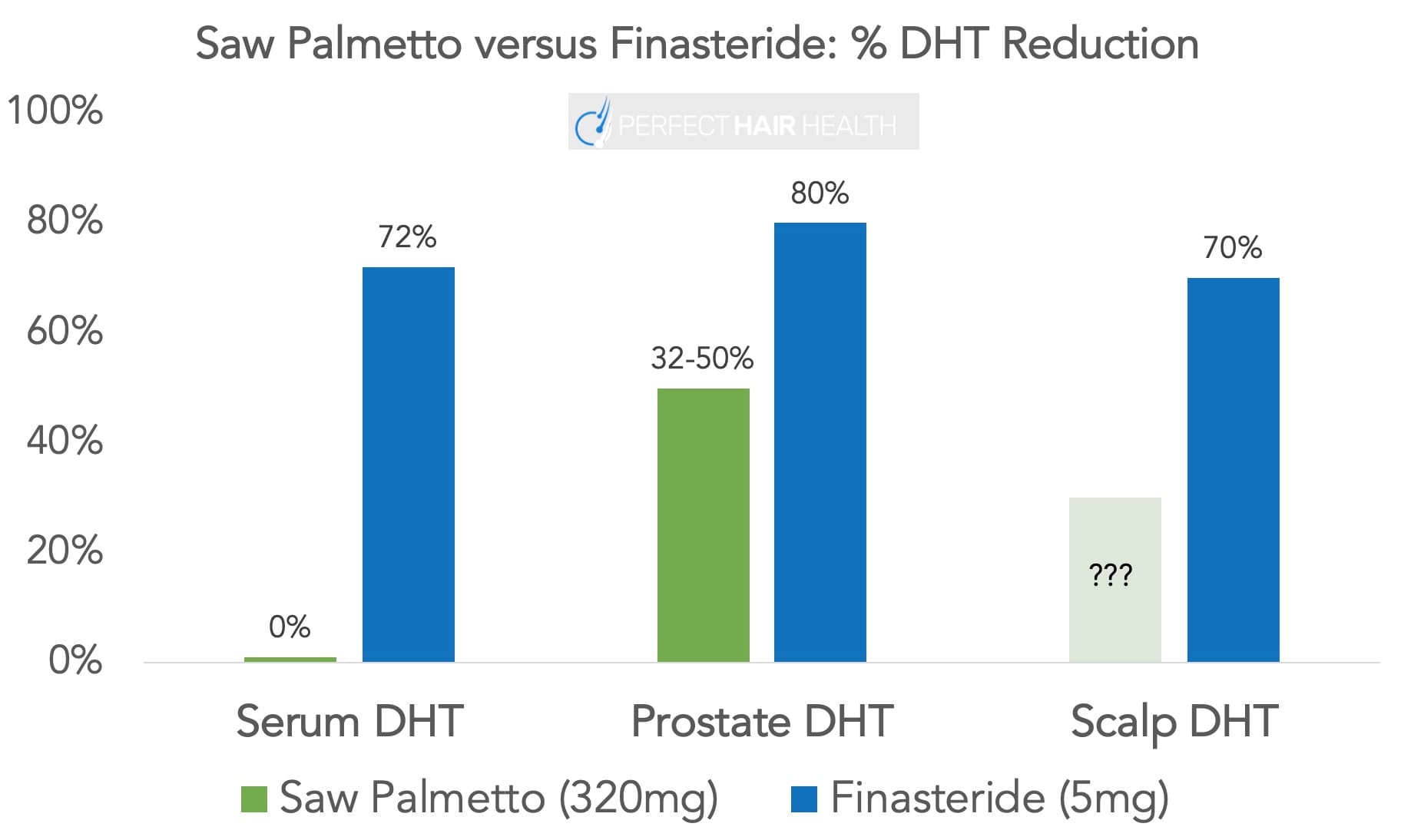
Reducing DHT is a key strategy in fighting hair loss. Many prescription drugs, like finasteride, work this way. Saw palmetto is a natural alternative, but its effectiveness depends on how it’s used and the correct dosage.
A non-obvious insight is that DHT is not always “bad. ” It is important for certain body functions, especially in men. The goal is not to eliminate DHT, but to lower it enough to prevent hair follicle shrinkage. Over-suppressing DHT could have unwanted side effects, so moderation and correct dosing are key.
Oral Saw Palmetto For Hair Loss
How Oral Saw Palmetto Works
Taking saw palmetto by mouth lets its active compounds enter the bloodstream. The idea is that these compounds reduce DHT levels everywhere, including the scalp. Studies show oral saw palmetto can lower DHT, but results vary from person to person.
Oral saw palmetto is also thought to have a mild anti-inflammatory effect, which can benefit scalp health indirectly. Chronic scalp inflammation is a hidden factor that can worsen hair loss, so this secondary effect may be valuable for some users.
Typical Dosage For Oral Use
Most oral saw palmetto supplements come in capsules or tablets. The standard dose is:
- 160 mg twice daily (total: 320 mg per day)
- Some brands offer a single daily dose of 320 mg
These numbers are based on research and traditional use. Doses below 320 mg may be less effective, but higher doses do not always lead to better results.
Important: Always check the label for the amount of fatty acids in each dose. Products with higher fatty acid content are considered more potent. It’s helpful to look for supplements that specify “standardized to 85–95% fatty acids and sterols,” as these match the levels used in most clinical research.
Examples Of Oral Saw Palmetto Products
- Standardized extract (containing 85-95% fatty acids)
- Whole berry powder (less concentrated, needs higher doses)
A practical example: if you buy a 320 mg capsule, but the label says only 45% fatty acids, you’re getting less of the active compound than a supplement with 85% fatty acids.
Scientific Evidence
A 2012 study in Italy found that oral saw palmetto improved hair density in men with mild to moderate hair loss. However, the effect was weaker than finasteride, a prescription drug. Some users report thicker hair after a few months, but not everyone benefits.
Other research suggests that people who respond to saw palmetto often have early-stage hair loss. Those with advanced or long-standing baldness tend to see less improvement. This highlights the importance of starting treatment as soon as you notice hair thinning.
Practical Tips
- Take saw palmetto with food to avoid stomach upset.
- Be patient; visible effects may take 3–6 months.
- Choose reputable brands, as supplement quality varies.
- Monitor for side effects, especially if you take other medications.
- If you take other DHT-blocking medications, consult your doctor to avoid lowering DHT too much.
Common Side Effects
Oral saw palmetto is generally safe, but some may experience:
- Mild stomach upset
- Headaches
- Dizziness
Rarely, some report changes in libido. If you notice persistent or severe symptoms, stop use and consult a doctor.
A less obvious risk is that saw palmetto can slightly affect hormone blood tests, especially PSA tests used to screen for prostate issues. If you’re getting blood work done, let your doctor know you’re taking saw palmetto.
Topical Saw Palmetto For Hair Loss
How Topical Saw Palmetto Works
Topical saw palmetto is applied directly to the scalp. It comes in shampoos, serums, oils, and creams. The idea is to deliver active compounds straight to hair follicles, reducing DHT locally without affecting the rest of the body.
This method is popular with people who want to avoid systemic side effects or have sensitive stomachs. By acting only where it’s needed, topical saw palmetto may allow higher local concentrations than oral dosing. However, how much actually reaches the follicles depends on the product’s formula and how well it penetrates the scalp.
Typical Dosage For Topical Use
There is no universal standard, but most products contain:
- 2–5% saw palmetto extract by weight
- Applied once or twice daily
Some serums recommend a few drops massaged into the scalp. Shampoos can be used like regular shampoo but left on the scalp for a few minutes before rinsing.
It’s important to note that more is not always better. Using too much topical product can clog pores or cause irritation, especially if you have sensitive skin.
Examples Of Topical Products
- Saw palmetto shampoo (2% extract, used daily)
- Scalp serum (3–5% extract, used nightly)
- Hair oil blends (mixed with other botanicals)
Many commercial products also include ingredients like caffeine, biotin, or ketoconazole to enhance effectiveness. While these can be helpful, always check for potential allergens or irritants if you have sensitive skin.
Scientific Evidence
Topical saw palmetto is less studied than oral forms. A small study found that a 3% saw palmetto lotion improved hair density after four months. Results are promising but need more research.
Some dermatologists believe that topical application may be more effective for those who have had side effects with oral DHT blockers. However, because there is less regulation of topical products, quality and concentration can vary widely.
Practical Tips
- Apply only to clean scalp for best absorption.
- Massage gently; do not scratch or irritate skin.
- Consistency matters; use daily for several months.
- Combine with a gentle shampoo to avoid build-up.
- If you use other scalp treatments, wait at least 30 minutes between applications to avoid mixing ingredients.
Common Side Effects
Topical saw palmetto is usually well tolerated. Some may notice:
- Mild itching or redness
- Allergic reactions (rare)
Patch test before full use, especially if you have sensitive skin. If you develop ongoing irritation, stop use and try a different formula or lower concentration.
Oral Vs Topical Saw Palmetto: Direct Comparison
Choosing between oral and topical saw palmetto depends on your goals, lifestyle, and sensitivities. Let’s compare the most important factors.
| Factor | Oral Saw Palmetto | Topical Saw Palmetto |
|---|---|---|
| Absorption | Systemic (enters bloodstream) | Local (acts on scalp) |
| Dosage Standard | 320 mg daily (usually) | 2–5% extract per application |
| Side Effects | Digestive issues, dizziness | Skin irritation, allergic reactions |
| Scientific Evidence | More studies, mixed results | Few studies, promising early data |
| Convenience | Easy to take pills | Extra step in daily routine |
| Interactions | May affect other organs | Generally safer for sensitive groups |
Key Insights
- Oral saw palmetto may impact DHT levels throughout the body, not just the scalp. This could be useful for men with prostate concerns, but may not be necessary for everyone.
- Topical saw palmetto is less likely to cause systemic side effects and may suit those with sensitive stomachs. However, the effectiveness highly depends on the quality of the product and how well it penetrates the scalp.
Another insight: some people with oily scalps find that topical products can leave a residue or cause build-up. Using a clarifying shampoo once a week can help prevent this.
Which Is More Effective?
Oral Saw Palmetto
Oral saw palmetto has more scientific backing, but the results for hair loss are inconsistent. Some studies show improvement, but not as strong as prescription drugs. The main advantage is that it targets DHT everywhere, which may help if you have other DHT-related issues.
Oral forms are also easier to take as part of a daily supplement routine. However, some people experience digestive discomfort or mild hormonal effects, especially when taken in high doses or combined with other hormone-altering medications.
Topical Saw Palmetto
Topical forms have fewer studies, but early evidence shows they can improve hair density. They are less likely to cause side effects and can be combined with other hair loss treatments. The main challenge is absorption; not all products penetrate deeply enough to reach hair follicles.
Another detail: some hair loss specialists recommend combining topical saw palmetto with microneedling—a technique that creates tiny channels in the scalp—to enhance absorption. While this is not essential, it may boost results for those who are comfortable with the procedure.
Real-world Examples
- John, age 35: Tried oral saw palmetto for six months. Noticed less shedding but no dramatic regrowth. He found that his hair felt a bit thicker, but the changes were subtle.
- Sara, age 40: Used a topical serum for four months. Saw new baby hairs along her hairline, no side effects. She also noticed her scalp felt healthier and less itchy.
- Mike, age 29: Combined oral and topical for a year. Results were similar to topical alone, but experienced mild stomach discomfort.
Combining Both Methods
Some people use both oral and topical saw palmetto. This can target DHT both inside the body and at the scalp. However, no strong research exists to show that combining them is much better than using one method alone. If you decide to combine, monitor for any side effects and stick to recommended dosages.
A non-obvious tip: If you combine both forms, start with one method first. Add the second after a few weeks to monitor how your body reacts. This approach makes it easier to spot any side effects or improvements.
Credit: perfecthairhealth.com
Dosage Guidelines: Oral And Topical
Oral Saw Palmetto Dosage
- Standard extract: 320 mg daily (in one dose or split into two)
- Whole berry powder: 1000–2000 mg daily, but less potent
Choose products with 85–95% fatty acids for best results. If possible, select brands tested for purity and quality.
If you are taking other medications, especially hormonal or blood-thinning drugs, talk to your doctor before starting.
Topical Saw Palmetto Dosage
- Serums or creams: 2–5% saw palmetto extract, applied once daily
- Shampoos: Use as directed, usually daily or every other day
Some brands suggest leaving the product on the scalp for 5–10 minutes to improve absorption. Always follow instructions and do a patch test.
Leaving the product on too long may increase irritation risk, especially if you have a sensitive scalp. If you develop redness or itching, try reducing the frequency or switching to a lower concentration.
Dosage Table
To clarify, here’s a quick overview of recommended dosages:
| Product Type | Recommended Dosage | Frequency | Notes |
|---|---|---|---|
| Oral Extract | 320 mg | Daily | With food |
| Whole Berry Powder | 1000–2000 mg | Daily | Less potent |
| Topical Serum | 2–5% extract | Once daily | Patch test before use |
| Topical Shampoo | 2% extract | Daily | Leave on scalp 5–10 min |
Safety Considerations
Oral Saw Palmetto
Most people tolerate oral saw palmetto well, but there are some risks. It can interact with blood thinners, hormone medications, and some supplements. Pregnant or breastfeeding women should avoid it, as effects on hormones are not fully understood.
If you have liver or kidney issues, consult a doctor before use. Saw palmetto may affect hormone levels, so monitor for unexpected changes.
Some people are surprised to learn that saw palmetto can sometimes cause mild bleeding or bruising more easily, especially if combined with other supplements like ginkgo or fish oil. Always mention all supplements to your doctor before surgery or dental procedures.
Topical Saw Palmetto
Topical products are safer for most people, but allergic reactions are possible. Always start with a patch test. If you have scalp conditions like eczema or psoriasis, check with a dermatologist before use.
Topical products should not be applied to broken or irritated skin, as this increases the risk of stinging or more severe reactions.
Non-obvious Insights
- Saw palmetto quality varies greatly between brands. Poor-quality extracts may have little active ingredient and are less effective.
- Not all saw palmetto is absorbed efficiently. Some oral products use extra ingredients to improve absorption, such as black pepper extract.
A third insight: Some people find better results by cycling their use of saw palmetto (for example, three months on, one month off), although there is no strong research on cycling. This may help the body respond better over time.
Choosing The Right Product
When shopping for saw palmetto, consider these factors:
- Type of extract: Look for standardized products with high fatty acid content.
- Formulation: Oral supplements for convenience, topical for direct scalp action.
- Brand reputation: Choose brands with third-party testing.
- Other ingredients: Avoid unnecessary fillers or irritants.
A mistake many beginners make is buying the cheapest supplement available. While saving money is good, it often means lower quality and weaker results. It’s better to use a product with proven potency, even if it costs a bit more.
Common Mistakes
- Using low-quality products with little saw palmetto.
- Overusing topical products, leading to scalp irritation.
- Expecting fast results; hair growth takes time.
Another mistake is switching products too quickly. If you don’t see results in the first month, give it at least three to six months before deciding if it works for you.
Saw Palmetto In Combination Therapies
Saw palmetto is often used with other hair loss treatments:
- Minoxidil: A topical drug that stimulates hair growth.
- Finasteride: Oral medication that blocks DHT.
- Biotin and zinc: Support hair health.
Combining saw palmetto with these can help, but talk to a doctor before mixing treatments.
A subtle point: Some people use saw palmetto to lower the dose of finasteride or minoxidil, hoping to reduce side effects. While this approach makes sense, always check with your doctor to ensure it’s safe for your specific case.
Saw Palmetto For Women
Women can use saw palmetto, but effects may differ. Studies are limited, but some women report less shedding and thicker hair. Topical products are safer for women, especially those planning pregnancy.
For women with polycystic ovary syndrome (PCOS), which can increase DHT, saw palmetto may be especially helpful. Still, consult your doctor before starting, as hormone balance is complex.
Saw Palmetto For Men
Men with mild to moderate hair loss may see benefits. Oral saw palmetto is popular, but topical products are gaining attention. Younger men may see better results, as hair follicles are less damaged.
Men with family history of prostate issues sometimes use saw palmetto for both hair and urinary benefits. While this dual effect is possible, it’s important not to rely on supplements alone for prostate health—see your doctor for regular check-ups.
Practical Steps For Starting Saw Palmetto
- Decide if you prefer oral or topical.
- Choose a quality product with clear labeling.
- Start with recommended dosage and monitor for side effects.
- Be consistent; results take several months.
- Track progress with photos every month.
- If no improvement after six months, try a different method or consult a specialist.
A helpful tip: Keep a simple journal of your daily routine, any side effects, and visible changes. This record will help you and your doctor make better decisions about continuing or changing your regimen.
Data On Saw Palmetto Effectiveness
Studies are mixed, but here are some findings:
- A 2012 study: 38% of men saw improvement after oral saw palmetto for two years.
- A small topical study: 60% of users saw increased hair density after four months.
However, these numbers are lower than those for prescription drugs. Saw palmetto works best for mild hair loss and early intervention.
A detail many miss: Even in studies where people saw improvement, most reported “moderate” rather than “dramatic” changes. The main benefit is slowing hair loss and making hair look a bit thicker.
| Study | Method | Duration | Results |
|---|---|---|---|
| 2012 Italian Study | Oral, 320 mg daily | 2 years | 38% improvement |
| Topical Lotion Study | 3% saw palmetto | 4 months | 60% increased density |
| Combined Therapy Review | Oral + topical | 1 year | Similar to topical alone |
Saw Palmetto Vs Other Hair Loss Treatments
Saw palmetto is compared to drugs like finasteride and minoxidil. It is less powerful but safer and easier to access. Finasteride blocks DHT strongly but can cause sexual side effects. Minoxidil improves blood flow but does not affect DHT.
For mild cases, saw palmetto is a good starting point. If you have severe hair loss, talk to a specialist about combining treatments.
One more tip: If you switch from prescription drugs to saw palmetto, do so gradually. Sudden changes can lead to increased shedding, called “shedding shock.” Discuss any changes with your healthcare provider.
Who Should Not Use Saw Palmetto
- Pregnant or breastfeeding women
- People with hormone-sensitive conditions
- Those on blood thinners
- Anyone with severe allergies to plants
If you’re unsure, check with a doctor first.

Credit: www.tandfonline.com
How To Maximize Results
- Use saw palmetto consistently.
- Pair with a healthy diet rich in protein, iron, and vitamins.
- Reduce stress; stress can worsen hair loss.
- Avoid harsh hair treatments and heat styling.
- Get enough sleep, as poor sleep can disrupt hair growth cycles.
Another overlooked factor: Poor scalp hygiene can block absorption of topical treatments. Wash your scalp regularly and avoid heavy styling products that build up over time.
Myths And Misconceptions
- Saw palmetto cures baldness: It can help, but it is not a miracle solution.
- More is better: Higher doses do not mean better results and may cause side effects.
- Works for everyone: Results depend on age, genetics, and hair loss stage.
A myth worth busting: Some believe saw palmetto works instantly. In reality, hair growth is slow, and visible changes can take many months.

Credit: onlinelibrary.wiley.com
Realistic Expectations
Saw palmetto is not a quick fix. It works best for mild hair loss and early intervention. Most people see less shedding and some thickening, but dramatic regrowth is rare. If you expect miracles, you may be disappointed.
Remember, preserving existing hair is a win. Slowing down hair loss gives you more options in the future if you want to try other treatments.
When To See A Doctor
If hair loss is sudden, severe, or accompanied by other symptoms (itching, pain, swelling), see a dermatologist. Hair loss can be a sign of other health issues.
Also see a doctor if you have side effects that don’t go away, or if you notice unexpected changes in your health while using saw palmetto.
Frequently Asked Questions
Is Saw Palmetto Effective For All Types Of Hair Loss?
No. Saw palmetto works mainly for androgenetic alopecia (pattern hair loss) due to DHT. It is less effective for other types like alopecia areata or hair loss from stress, illness, or nutrition problems.
Can I Use Saw Palmetto With Other Hair Loss Treatments?
Yes, you can combine saw palmetto with treatments like minoxidil or finasteride, but consult a doctor first. Mixing products may increase side effects or cause interactions.
How Long Does It Take To See Results?
Most people need 3–6 months of consistent use to notice changes. Hair growth is slow, and results depend on the stage and cause of your hair loss.
Are There Any Risks For Women Using Saw Palmetto?
Women can use topical saw palmetto safely. Oral supplements may affect hormone balance and should be avoided during pregnancy or breastfeeding. Always check with a doctor if you have hormone-related health issues.
What Should I Look For When Buying Saw Palmetto Products?
Choose products with standardized extract (high fatty acid content), clear labeling, and third-party testing. Avoid brands with unknown ingredients or no quality guarantee. Look for honest reviews and consult a pharmacist if unsure.
Closing Thoughts
Saw palmetto is a promising natural option for managing hair loss, especially androgenetic alopecia. Deciding between oral and topical forms depends on your needs, sensitivities, and lifestyle. Oral saw palmetto is convenient but may cause mild side effects, while topical products are safer for most and work directly on the scalp.
Start with a quality product, follow recommended dosages, and be patient. Track your progress and adjust your routine as needed. Remember, saw palmetto is most helpful for mild hair loss and early intervention. For severe cases, professional advice and combination therapies may be necessary.
If you want more information on saw palmetto and hair loss research, visit Wikipedia for scientific details and further reading.
Your journey to healthier hair starts with informed choices and consistent effort. Saw palmetto is not a miracle, but it can be a valuable tool in your hair care routine.