

Seed cycling has become a popular topic in the world of holistic wellness. Many people wonder if this natural approach can truly help with hormonal balance, and more specifically, if it can improve the condition of hair and skin. The idea sounds simple: eat certain seeds at specific times of your menstrual cycle to support hormone production and metabolism. But does it really work? And is there any science behind it, or is it just another wellness trend? Let’s break it down clearly, separating fact from hype, so you can decide if seed cycling is worth trying for your hair and skin.
What Is Seed Cycling?
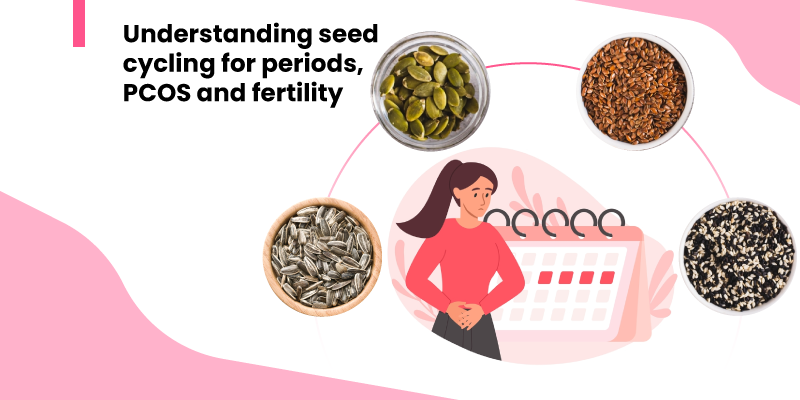
Seed cycling is a nutritional strategy where you eat different types of seeds during the two main phases of your menstrual cycle. The goal is to support the natural rise and fall of estrogen and progesterone. This is done by consuming seeds that contain specific nutrients, such as lignans, zinc, and healthy fats, thought to influence hormone activity.
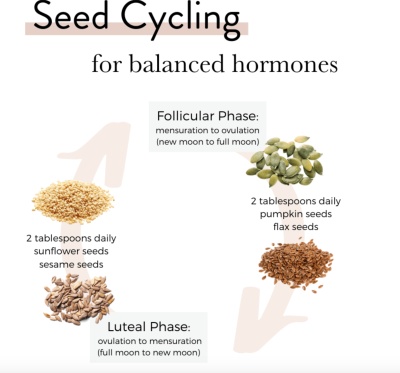
For example, in the follicular phase (from day 1 of your period to ovulation), people eat flaxseeds and pumpkin seeds. In the luteal phase (after ovulation until the next period), the recommendation is sesame seeds and sunflower seeds. The belief is that these seeds can promote balance, especially for those dealing with irregular cycles, PMS, or hormone-related skin and hair problems.
But before you start sprinkling seeds on every meal, it’s important to understand how (and if) this works.
The Science Behind Seed Cycling
There isn’t much direct research on seed cycling as a practice. However, there is data on the nutrients inside these seeds and how they may affect hormones and, indirectly, the health of your hair and skin. Let’s look at what the science actually says.
| Seed | Main Nutrients | Potential Hormonal Effects |
|---|---|---|
| Flaxseed | Lignans, Omega-3, Fiber | May modulate estrogen |
| Pumpkin Seed | Zinc, Magnesium, Omega-6 | Supports progesterone production |
| Sesame Seed | Lignans, Calcium, Zinc | May bind excess estrogen |
| Sunflower Seed | Vitamin E, Selenium, Healthy Fats | Antioxidant, supports progesterone |
Flaxseeds And Estrogen
Flaxseeds are rich in lignans, a plant compound that acts like a weak estrogen in the body. Lignans can bind to estrogen receptors, possibly blocking strong estrogen and balancing hormone levels. Some studies suggest flaxseeds may help regulate menstrual cycles and reduce PMS symptoms, but the effects are mild and can vary.
Pumpkin Seeds And Progesterone
Pumpkin seeds are loaded with zinc, which is vital for hormone production, especially progesterone. Zinc also helps with cell renewal and repair, which is important for skin and hair health. However, eating pumpkin seeds alone will not dramatically increase progesterone if you already have low levels due to other health issues.
Sesame Seeds And Lignans
Like flaxseeds, sesame seeds contain lignans. These may help with estrogen metabolism, especially during the luteal phase when estrogen should naturally drop. Sesame seeds are also high in calcium and zinc, which are important for skin barrier function and hair follicle health.
Sunflower Seeds And Antioxidants
Sunflower seeds are rich in vitamin E and selenium. Both are powerful antioxidants. Vitamin E, in particular, is well-known for supporting skin health and possibly reducing inflammation. Selenium plays a role in thyroid function, which is linked to hair growth and hormonal regulation.
How Seed Cycling Is Done
Seed cycling follows the rhythm of the menstrual cycle, which is usually about 28 days but can vary.
- Follicular Phase (Day 1 to 14): Eat 1 tablespoon each of ground flaxseeds and pumpkin seeds daily.
- Luteal Phase (Day 15 to 28): Eat 1 tablespoon each of ground sesame seeds and sunflower seeds daily.
If your cycle is shorter or longer, adjust the days accordingly. For those without periods (such as post-menopause), some follow the lunar calendar, starting with new or full moon as a guide.
Tips For Success
- Grind the seeds for better digestion and nutrient absorption.
- Store seeds in the fridge to keep them fresh.
- Consistency is key—eat them daily for at least 3 cycles to notice any effects.
Can Seed Cycling Help Your Hair?
Hormones play a big role in the health, thickness, and growth of your hair. Both estrogen and progesterone have protective effects on the hair follicle. When these hormones drop (such as after childbirth, during menopause, or with certain hormone disorders), hair can become thinner or fall out.
Possible Benefits
- Flaxseed lignans may balance estrogen, which can help reduce hair thinning related to high or fluctuating estrogen.
- Zinc in pumpkin seeds supports the scalp and helps new hair grow.
- Vitamin E from sunflower seeds protects the scalp from oxidative damage, keeping hair healthier.
- Calcium and zinc from sesame seeds help with hair structure and growth.
What Science Says
Most studies on these seeds look at them as part of a healthy diet, not as a special cycle-based method. For example, research shows that zinc deficiency can lead to hair loss, and supplementing zinc may help. Vitamin E is linked to improved hair growth in some small studies, but usually at higher doses than you’d get from food alone.
Non-obvious insight: Seed cycling may help most if your hair issues are related to mild hormone fluctuations, not serious medical conditions like thyroid disease or alopecia. For major hair loss, see a healthcare provider.
Seed Cycling And Skin Health
Hormonal imbalances often show up on the skin, causing acne, dryness, or excess oil. This is especially common in the days before your period or during hormonal changes like menopause.
How Seed Cycling May Help
- Lignans in flax and sesame seeds may help reduce hormone-related acne by balancing estrogen activity.
- Vitamin E and selenium in sunflower seeds can support healing and protect against skin damage.
- Zinc in pumpkin and sesame seeds is known to reduce inflammation and help with acne.
- The omega-3 fats in flaxseeds may help calm redness and keep the skin barrier healthy.
What Science Says
Small studies show that zinc and vitamin E can reduce acne lesions and speed up healing, but these effects are not exclusive to seed cycling. They come from having enough of these nutrients in your diet. Flaxseed oil has been shown to improve skin hydration and reduce skin sensitivity in some trials.
Non-obvious insight: Consistency and overall diet matter more than seed cycling alone. If you eat a lot of processed foods or sugar, adding seeds will not fully fix skin issues.
Seed Cycling For Hormonal Balance: The Evidence
While many women share positive stories about how seed cycling improved their cycles, skin, or hair, strong scientific proof is still lacking. Most benefits come from the nutrients inside the seeds themselves, not necessarily from following the cycle-based approach.
What’s Missing From The Research
- No large, controlled studies on seed cycling and hormone balance.
- Most research is on animals or is based on the general nutrient content.
- Individual responses can vary widely.
Still, including these seeds in your diet is safe for most people and provides important nutrients. The risks are low, but keep expectations realistic.
Seed Cycling Vs. Supplements
Some people wonder if they should just take a supplement instead of eating seeds. Here’s how they compare:
| Seed Cycling | Supplements |
|---|---|
| Whole food source of fiber, healthy fats, vitamins, and minerals | Concentrated, easy to track dosage |
| Supports digestion and gut health | May be needed for severe deficiencies |
| May take longer to see results | Faster results for specific nutrient gaps |
| Lower risk of overdose | Risk of taking too much (e.g., zinc, selenium) |
Supplements might help if you have a diagnosed deficiency, but for general balance, seeds offer a broader range of benefits.
Who Should Try Seed Cycling?
Seed cycling is considered safe for most people. It’s best for those who:
- Have mild hormone imbalances or irregular cycles
- Experience PMS, mild acne, or hair changes related to their cycle
- Want a gentle, food-based approach
It may not be as helpful for:
- People with severe hormone disorders (like PCOS, endometriosis, or thyroid disease) unless approved by a doctor
- Those with nut or seed allergies
- Anyone needing quick or dramatic results
Credit: oasisindia.in
How To Start Seed Cycling
Getting started is simple. You don’t need expensive products or fancy recipes.
- Buy whole, raw seeds: Flax, pumpkin, sesame, and sunflower.
- Grind fresh: Use a coffee grinder or small blender, as whole seeds can pass through undigested.
- Store well: Keep ground seeds in the fridge in an airtight container.
- Add to food: Mix into smoothies, yogurt, oatmeal, or salads.
- Track your cycle: Use a simple calendar or app to know when to switch seeds.
Pro tip: Start with a half tablespoon if you’re not used to eating much fiber, and increase slowly to avoid stomach upset.
Potential Side Effects And Precautions
Most people tolerate seed cycling well. However, there are a few things to watch for:
- Digestive changes: More fiber can cause gas or bloating at first.
- Allergies: Seeds can cause reactions in sensitive people.
- Medication interactions: Flaxseed can slow absorption of some medicines. Always take medications a few hours apart from high-fiber foods.
- Hormone-sensitive conditions: If you have a history of hormone-related cancers, talk to your doctor before adding large amounts of phytoestrogens.
If you notice any new symptoms, stop and consult your healthcare provider.
What Results To Expect (and When)
Seed cycling is not a quick fix. Most people who see benefits do so after 2 to 3 months of regular use. Changes may include:
- More regular periods
- Reduced PMS symptoms
- Clearer skin, fewer breakouts
- Slightly thicker or shinier hair
However, results are not guaranteed. Genetics, stress, other health conditions, and your overall diet play a bigger role than seed cycling alone.
What Seed Cycling Cannot Do
It’s important to have realistic expectations. Seed cycling will not:
- Cure hormonal disorders like PCOS, endometriosis, or thyroid disease
- Replace medical treatment for hair loss or skin diseases
- Give overnight results
It should be seen as a supportive tool, not a primary treatment.
Credit: www.oneagorahealth.com
How Seed Cycling Fits Into A Healthy Lifestyle
Seed cycling works best as part of a balanced approach to health. Eating a variety of whole foods, managing stress, getting enough sleep, and exercising regularly have a much bigger impact on hormones, hair, and skin.
Example: If you eat seeds but also consume lots of sugar and processed foods, you may not see much benefit. Seeds can help, but they can’t make up for other unhealthy habits.
Practical Ways To Add Seeds To Your Diet
Many people struggle with how to eat the seeds every day without getting bored. Here are a few ideas:
- Blend into morning smoothies
- Stir into oatmeal or yogurt
- Sprinkle on salads or roasted vegetables
- Mix into homemade energy balls or bars
- Add to soups or stews just before serving
If you travel or eat on the go, carry a small container of ground seeds to add to your meals.
The Role Of Lifestyle And Other Factors
While seed cycling can offer support, hormone balance is influenced by many factors:
- Stress: Raises cortisol, which disrupts estrogen and progesterone.
- Sleep: Poor sleep lowers hormone production.
- Exercise: Too much or too little can cause imbalances.
- Environmental toxins: Some chemicals in plastics or beauty products act as hormone disruptors.
Paying attention to these areas, along with seed cycling, gives you the best chance at healthy hair and skin.
Seed Cycling Success Stories And Limitations
You’ll find many blogs and social media posts with dramatic before-and-after photos of women who say seed cycling changed their hair and skin. These stories are encouraging, but remember:
- Most are personal experiences, not medical studies.
- Placebo effect can play a role—expecting improvement can influence how you feel.
- What works for one person may not work for another.
Still, for many, adding seeds is an easy, low-risk change that can boost overall nutrition.
Comparing Seed Cycling To Other Hormonal Approaches
Women often ask if seed cycling is better than other natural hormone-balancing strategies.
| Approach | How It Works | Pros | Cons |
|---|---|---|---|
| Seed Cycling | Uses food to gently influence hormones | Easy, safe, nutrient-rich | Slow results, not strong enough for major issues |
| Herbal Supplements (e.g., chasteberry) | Herbs with hormone-like effects | Can be stronger, sometimes faster | Possible side effects, drug interactions |
| Medical Hormone Therapy | Uses prescription hormones | Effective for diagnosed deficiencies | Risks, side effects, needs doctor supervision |
| Diet and Lifestyle Changes | Removes triggers, adds nutrients | Addresses root causes | Requires more effort, slower change |
Seed cycling is gentle and safe for most, but sometimes, a stronger approach is needed. Always consult a healthcare provider for ongoing problems.
Seed Cycling And Menopause
Many women try seed cycling to manage symptoms of menopause, such as hot flashes, dry skin, or hair thinning. While the practice is not backed by strong scientific evidence, the nutrients in seeds can still be helpful.
- Flaxseed lignans may mildly reduce hot flashes.
- Vitamin E supports skin moisture.
- Zinc and selenium are important for thyroid and hormone health in older adults.
However, menopause is a complex process, and seeds alone will not “reverse” its effects.
Seed Cycling For Men And Non-menstruating People
Seed cycling is usually discussed for women’s cycles, but men and those without periods can also benefit from the nutrients in seeds. Zinc, selenium, and vitamin E support sperm health, skin, and hair for everyone. If not cycling, just enjoy a mix of these seeds daily.
Common Mistakes In Seed Cycling
Many people start seed cycling but don’t see results. Here are common mistakes:
- Not grinding seeds: Whole seeds often pass through undigested.
- Inconsistent use: Skipping days or not following the cycle reduces effectiveness.
- Too little time: It can take 2–3 months to notice changes.
- Ignoring other factors: Poor diet, stress, and lack of sleep can sabotage results.
- Eating too much at once: Start slow to avoid digestive discomfort.

Credit: toneop.care
Expert Opinions
Many nutritionists see seed cycling as safe and possibly helpful, especially for those who want to avoid medication. However, they also stress that it’s not a substitute for seeing a doctor if you have serious symptoms.
Dr. Jolene Brighten, a well-known women’s health doctor, says, “Seed cycling is a gentle way to support your body, but it’s not a magic bullet. It works best alongside a healthy lifestyle. ”
For more detailed research on plant-based hormones, see this review on the Wikipedia Phytoestrogens page.
Frequently Asked Questions
How Long Does It Take To See Results From Seed Cycling?
Most people need to try seed cycling for at least 2 to 3 menstrual cycles (about 2–3 months) before they notice changes in their skin, hair, or cycle. Some may see benefits sooner, but patience is important.
Can Men Use Seed Cycling For Hormonal Balance?
Yes, men can benefit from the nutrients in these seeds, such as zinc, selenium, and vitamin E, which are good for hormone health, skin, and hair. The cycling part is not needed—just include a mix of these seeds in your daily diet.
Are There Any Risks Or Side Effects?
Seed cycling is safe for most people. Side effects are rare but can include digestive upset (gas, bloating) if you are not used to much fiber, or allergic reactions if you are sensitive to seeds. If you have a hormone-sensitive health condition, check with your doctor first.
Can Seed Cycling Replace Medical Treatment?
No, seed cycling is not a replacement for medical care if you have a diagnosed hormone disorder, severe acne, or significant hair loss. It is best used as a supportive, food-based strategy along with other healthy habits.
Do You Have To Follow The Menstrual Cycle Exactly?
It’s best to match seed cycling to your natural cycle for maximum benefit. If your cycle is irregular or you do not have periods, you can use the lunar calendar (new moon to full moon) as a guide, or just eat a balanced mix of seeds each day.
Seed cycling is a simple, gentle way to support your body’s natural rhythms. While it’s not a proven cure-all, it can be a valuable part of your routine for better hormonal balance, healthier hair, and glowing skin—especially when combined with a wholesome lifestyle. If you’re curious, try it for a few months and see how your body responds.