

Stress is often called the “silent killer,” but its effects go much deeper than just your mind. When you feel stressed, your body releases a hormone called cortisol. This hormone is useful in small doses—it helps you react quickly in emergencies. But when cortisol stays high for too long, it quietly damages your body’s biggest organ: your skin. Many people don’t realize that stress can ruin their skin barrier, causing dullness, dryness, breakouts, or even painful rashes. If you’ve noticed your skin looking tired, irritated, or older than you feel, stress and cortisol might be the hidden cause.
This article explains how stress and cortisol harm your skin barrier and, more importantly, how you can restore your skin’s strength and healthy glow. You’ll learn why the skin barrier matters, the science behind stress and hormones, the signs of damage, and a clear plan for recovery. Along the way, you’ll find expert tips, common mistakes, and answers to questions most people never ask. Whether you want to prevent damage or repair stressed skin, everything you need is here.
What Is The Skin Barrier And Why Does It Matter?
The skin barrier is your body’s frontline defense. Think of it as a brick wall. The bricks are your skin cells, and the mortar is a mix of fats (lipids) that hold everything together. This wall keeps water inside your body and blocks out harmful things like pollution, bacteria, and irritants.
When your skin barrier is healthy, your skin feels soft, smooth, and comfortable. But if the barrier is weak or broken, you’ll notice dryness, redness, itchiness, or even infections. Your skin might look dull, feel rough, or become sensitive to products you used before.
A strong skin barrier is important because it:
- Keeps moisture locked in
- Protects against germs and allergens
- Reduces inflammation and irritation
- Helps your skin heal faster from minor injuries
Most people focus only on creams and serums, but without a healthy barrier, even the best products won’t work. This is why understanding your skin barrier is the first step to real skin health.
The skin barrier is technically called the stratum corneum. It is the outermost layer of your skin, made up of dead skin cells and special lipids. These lipids include ceramides, cholesterol, and fatty acids. Together, they create a waterproof shield. This shield is not just physical; it also plays a chemical role. It keeps the pH of your skin slightly acidic, which helps fight bacteria and keeps your skin calm.
If you look at your skin under a microscope, you’ll see layers stacked like bricks and mortar. The healthier these layers, the more your skin can resist dryness, pollution, and infection. For example, if you wash your hands too often, your skin might crack.
That’s a sign the barrier is damaged. The same thing happens on your face or body when you use harsh products or face stressful situations.
A healthy skin barrier is also key for looking young. When your barrier is strong, your skin reflects light better, making it look “glowy. ” Fine lines and wrinkles appear less noticeable. In contrast, a weak barrier makes skin appear rough, uneven, and older.
Non-obvious insight: Many people forget that the skin barrier is not just about the face. Stress and poor care can weaken the barrier on your hands, lips, and even feet. If you notice frequent dryness in these areas, it may be connected to your overall stress level.
How Stress And Cortisol Affect The Skin
When you experience stress—whether it’s from work, relationships, lack of sleep, or even loud noises—your body goes into “fight or flight” mode. The adrenal glands start pumping out cortisol, also known as the stress hormone.
What Is Cortisol?
Cortisol is a hormone made by your adrenal glands, located just above your kidneys. It helps control blood sugar, regulate metabolism, reduce inflammation, and manage how your body uses fats, proteins, and carbohydrates.
However, when cortisol levels stay high for too long, it can cause:
- High blood sugar
- Weaker immune system
- Slow wound healing
- Increased oil (sebum) production in skin
Cortisol is essential for survival. It helps your body respond quickly to danger. But in modern life, most stress comes from things like deadlines or arguments, not physical danger. This means cortisol often stays high for hours or days, not just a few minutes.
The Stress-skin Connection
Your skin and brain are closely linked. In fact, your skin has its own nervous system and can “talk” to your brain using chemical signals. When you’re stressed, this communication changes in several ways:
- More inflammation: Stress triggers your body to release inflammatory chemicals. This can make skin conditions like eczema, psoriasis, and acne worse.
- Weaker barrier: High cortisol breaks down the “mortar” (lipids) in your skin barrier, making it thin and leaky.
- Slower healing: Stress reduces your skin’s ability to repair itself, so small cuts or pimples take longer to go away.
- Higher oil production: Cortisol tells your skin’s oil glands to work harder, which can lead to clogged pores and breakouts.
- Less moisture: Stress reduces your skin’s ability to hold onto water, causing dryness and flaking.
Stress doesn’t always show up as anxiety. Sometimes, your body reacts even if your mind feels calm. For example, someone who works night shifts may not feel worried, but their skin still suffers because their cortisol rhythm is disrupted. Another example: students under exam stress often develop acne or eczema, even if they don’t feel “stressed” emotionally.
Here’s a comparison of healthy vs. stressed skin:
| Healthy Skin | Stressed Skin |
|---|---|
| Moist, smooth, and glowing | Dry, dull, and rough |
| Strong barrier, resists irritation | Weak barrier, easily irritated |
| Heals quickly | Slow healing |
| Even skin tone | Redness or uneven color |
Non-obvious insight: Many people think only major stress (like trauma or job loss) harms skin. In reality, even daily hassles—traffic jams, arguments, too little sleep—can raise cortisol enough to cause skin problems over time. For example, chronic noise pollution in cities has been linked to higher cortisol and skin irritation.
Signs Your Skin Barrier Is Damaged By Stress
It’s easy to blame weather, pollution, or products for skin problems. But if your life feels stressful, and your skin suddenly changes, cortisol might be the reason. Here are key signs your skin barrier is damaged:
- Persistent dryness: Your skin stays dry, flaky, or tight, even after using moisturizer.
- Redness or irritation: Skin looks red, feels hot, or stings when you apply products.
- Sudden breakouts: You notice pimples or clogged pores in places you never had before.
- Rough texture: Skin feels bumpy or uneven to the touch.
- Increased sensitivity: Products that never bothered you now cause burning or itching.
- Delayed healing: Small wounds, scratches, or pimples linger for weeks instead of days.
- Itchiness: Skin feels itchy, especially at night or after a shower.
- Eczema or rashes: Flare-ups of eczema, psoriasis, or mysterious rashes become more common.
A non-obvious sign: If your lips are always chapped or the skin around your nose or eyes peels easily, it can be an early warning of barrier damage—even before the rest of your face reacts.
Some signs are subtle. For example, you might notice your makeup doesn’t sit well—it looks patchy or settles into lines. Or, your skin feels tight after cleansing, even with gentle products. These are clues that your barrier needs help.
Another insight: Barrier damage from stress can also appear as “micro-inflammation.” This means tiny red spots or mild swelling that isn’t a classic rash but still makes your skin look uneven and feel uncomfortable.
The Science Behind Cortisol And Skin Barrier Damage
Many studies show how stress and cortisol harm the skin barrier. Here’s what happens beneath the surface:
How Cortisol Breaks Down The Barrier
- Destroys lipids: Cortisol reduces the production of ceramides, cholesterol, and fatty acids—the “mortar” that holds skin cells together. Without enough lipids, your barrier becomes leaky.
- Delays cell renewal: High cortisol slows down the process by which your skin makes new cells. Old, damaged cells stay on the surface longer, making skin look dull and rough.
- Increases water loss: With a weak barrier, your skin loses more moisture to the air (called “transepidermal water loss”).
- Triggers inflammation: Cortisol changes your immune system, making your skin overreact to normal things like soap, fabric, or weather.
Cortisol also affects your skin’s microbiome—the collection of good bacteria living on the surface. When the barrier is weak, harmful bacteria can invade, leading to more redness, itching, or even infections.
Data And Research
A study published in the “Journal of Investigative Dermatology” found that people exposed to chronic stress had thinner skin barriers, lost moisture faster, and took longer to heal from minor cuts. Another research from the American Academy of Dermatology reported that over 60% of eczema and psoriasis flare-ups were linked to stress events.
Newer studies show that stress can change the pH of your skin, making it less acidic. This shift allows more bacteria to grow, which can trigger acne or worsen eczema. Research also shows that chronic stress can reduce collagen production, making skin less firm and elastic over time.
Here’s a look at how cortisol changes skin function:
| Skin Function | Normal State | Under High Cortisol |
|---|---|---|
| Lipid Production | Balanced | Reduced |
| Cell Turnover | Healthy pace | Slowed down |
| Moisture Level | High | Low |
| Inflammation | Low | High |
Non-obvious insight: Stress can cause “invisible” barrier damage. Even if you don’t see redness or dryness, your skin might lose water faster or become more sensitive to pollution and sun.

Credit: www.lorealparisusa.com
Common Mistakes That Make Stress-related Skin Damage Worse
Trying to fix skin problems without understanding the cause can make things worse. Here are mistakes people often make:
- Over-cleansing: Washing your face too often or using harsh soaps strips away natural oils, making barrier damage worse.
- Strong actives: Using acids (like glycolic or salicylic acid), retinoids, or vitamin C on a damaged barrier causes more irritation.
- Ignoring stress: Focusing only on skincare and not addressing stress means the root cause stays.
- Skipping moisturizer: Believing oily skin doesn’t need moisture leads to more dryness and breakouts.
- Hot showers: Long, hot showers remove lipids from the skin, worsening dryness and sensitivity.
- Layering too many products: Using multiple serums and creams at once can overwhelm stressed skin.
- Changing routines too quickly: Frequently switching products prevents the skin from recovering.
Non-obvious mistake: Using “natural” or DIY remedies (like lemon juice or baking soda) can be just as damaging as harsh chemicals, especially when the barrier is weak.
Many people try to “fix” their skin with scrubs, masks, or strong treatments. But these often cause more harm than good. For example, using a clay mask when your skin is already dry can make it tighter and more uncomfortable. Another mistake: Using antibacterial soaps for breakouts, which strip away both bad and good bacteria, leaving your skin vulnerable.
Some people think “more is better. ” They add layers of products, hoping for quick results. But stressed skin needs simplicity, not complexity. Each new product increases the risk of irritation.
Another mistake is ignoring environmental factors. For example, using heaters or air conditioning can dry out your skin, especially when your barrier is weak. Wearing tight clothes or synthetic fabrics can also cause irritation if your skin is stressed.
The Recovery Plan: How To Repair Your Skin Barrier
Healing a damaged skin barrier takes time and a smart approach. You need to fix both the surface (skin care) and the root cause (stress and lifestyle). Here’s a step-by-step plan that works.
Step 1: Simplify Your Skincare Routine
Go back to basics. When your barrier is weak, less is more.
- Gentle cleanser: Use a mild, fragrance-free cleanser. Avoid foaming or exfoliating cleansers.
- Hydrating toner (optional): If your skin feels dry, choose a simple, alcohol-free hydrating toner.
- Barrier-repair moisturizer: Look for a cream with ceramides, cholesterol, and fatty acids. These restore the “mortar” in your skin.
- Sunscreen: Protect your skin every morning with a broad-spectrum SPF 30 or higher. Sun damage slows healing.
Sample routine:
- Morning: Cleanser → Moisturizer → Sunscreen
- Night: Cleanser → Moisturizer
If your skin feels extra dry, you can reapply moisturizer during the day. For lips and hands, use a thick balm with petrolatum or shea butter.
Step 2: Avoid Irritants
Cut out anything that can make damage worse.
- No scrubs, brushes, or exfoliants
- No retinoids, strong acids, or vitamin C until skin heals
- Avoid fragrance, alcohol, and essential oils
Check labels for “fragrance-free” and “for sensitive skin. ” Even natural scents can irritate a damaged barrier.
Step 3: Add Key Ingredients For Repair
Certain ingredients speed up healing:
- Ceramides: Restore the barrier and prevent water loss.
- Niacinamide (vitamin B3): Reduces redness and improves barrier strength.
- Hyaluronic acid: Attracts water to keep skin hydrated.
- Panthenol (pro-vitamin B5): Soothes and repairs irritated skin.
- Squalane: Mimics skin’s natural oil, adding softness without clogging pores.
Example: A moisturizer with ceramides and niacinamide can start healing in as little as 1-2 weeks.
Some products also contain oat extract or allantoin, which calm inflammation and help skin recover faster. If you use these, choose creams rather than lotions, as creams lock in moisture better.
Step 4: Focus On Lifestyle—lower Cortisol
Skincare helps, but you must lower stress to stop the damage. Here’s how:
1. Sleep More And Better
Aim for 7-9 hours of quality sleep. Cortisol drops during deep sleep, giving your skin time to repair.
Tips:
- Go to bed and wake up at the same time every day
- Avoid screens 1 hour before bed
- Keep your room cool and dark
If you struggle with sleep, try a relaxing bedtime routine—read a book, take a warm shower, or listen to soft music.
2. Move Your Body
Exercise reduces cortisol. Even a 20-minute walk, yoga, or stretching can help.
If you don’t like gyms, simple activities like dancing, gardening, or playing with pets also lower stress.
3. Practice Mindfulness
Meditation, deep breathing, or simply sitting quietly for 5 minutes can lower stress.
Apps like Headspace or Calm offer guided exercises. If you’re new to mindfulness, start with slow breathing: inhale for 4 seconds, hold for 4, exhale for 4.
4. Eat For Your Skin
Foods rich in omega-3 fatty acids (like salmon, walnuts, chia seeds) and antioxidants (berries, leafy greens) help your skin heal from within.
Include healthy fats—avocado, olive oil, flaxseed. These support your skin’s natural lipids.
5. Stay Hydrated
Drink enough water to keep your skin and body hydrated. Aim for 6-8 glasses a day.
If you sweat a lot or live in a dry climate, increase your intake. Herbal teas and water-rich fruits (like watermelon or cucumber) also help.
6. Connect With Others
Social support lowers stress hormones. Talk to friends, family, or join a group—even online.
Even a short call or message can lift your mood and lower cortisol.
7. Limit Sugar And Alcohol
Both can raise inflammation and slow healing. Choose whole foods most of the time.
Avoid crash diets or extreme restrictions, which can stress your body further.
Non-obvious tip: Listening to music you love or spending time in nature can lower cortisol, even if you don’t meditate or exercise. For example, a walk in the park or tending to plants can be just as powerful as formal relaxation techniques.
Step 5: Be Patient And Consistent
Most barrier damage takes 2-6 weeks to heal. Don’t rush with new products or treatments. If you stick to the basics and manage stress, you’ll see steady improvement.
Tracking your skin with photos every week can help you notice progress. Avoid checking too often—give your skin time.
Advanced Tips: When Skin Is Not Recovering
Sometimes, even with careful care, skin doesn’t improve. Here’s what to do:
- See a dermatologist: If you have painful rashes, bleeding, or your skin gets worse, get professional advice.
- Check for allergies: Sometimes, hidden allergies (like to laundry detergent or fabrics) are the cause.
- Get blood tests: Rarely, thyroid or hormonal problems can look like barrier damage.
- Review medications: Some drugs (like steroids or acne medicine) can thin the skin.
If you have medical skin conditions (eczema, psoriasis, rosacea), you may need prescription creams or special treatments.
Non-obvious tip: Some people react to preservatives or dyes in skincare. If you suspect this, try products labeled “hypoallergenic” or free from parabens and colorants.
How To Prevent Future Damage
Once your skin is healthy again, protect it from future stress:
- Keep routines simple—don’t add too many products at once.
- Use sunscreen daily, even on cloudy days.
- Moisturize after every wash, especially in dry weather.
- Manage stress with regular self-care (sleep, movement, connection).
- Avoid “over-treating”—give your skin time to adjust to any new product.
Also, pay attention to changes in your environment. Seasonal shifts, travel, or new jobs can increase stress. Adjust your routine as needed.
Non-obvious insight: The skin barrier is dynamic. It changes with age, hormones, and lifestyle. Checking your skin regularly helps prevent unnoticed damage.
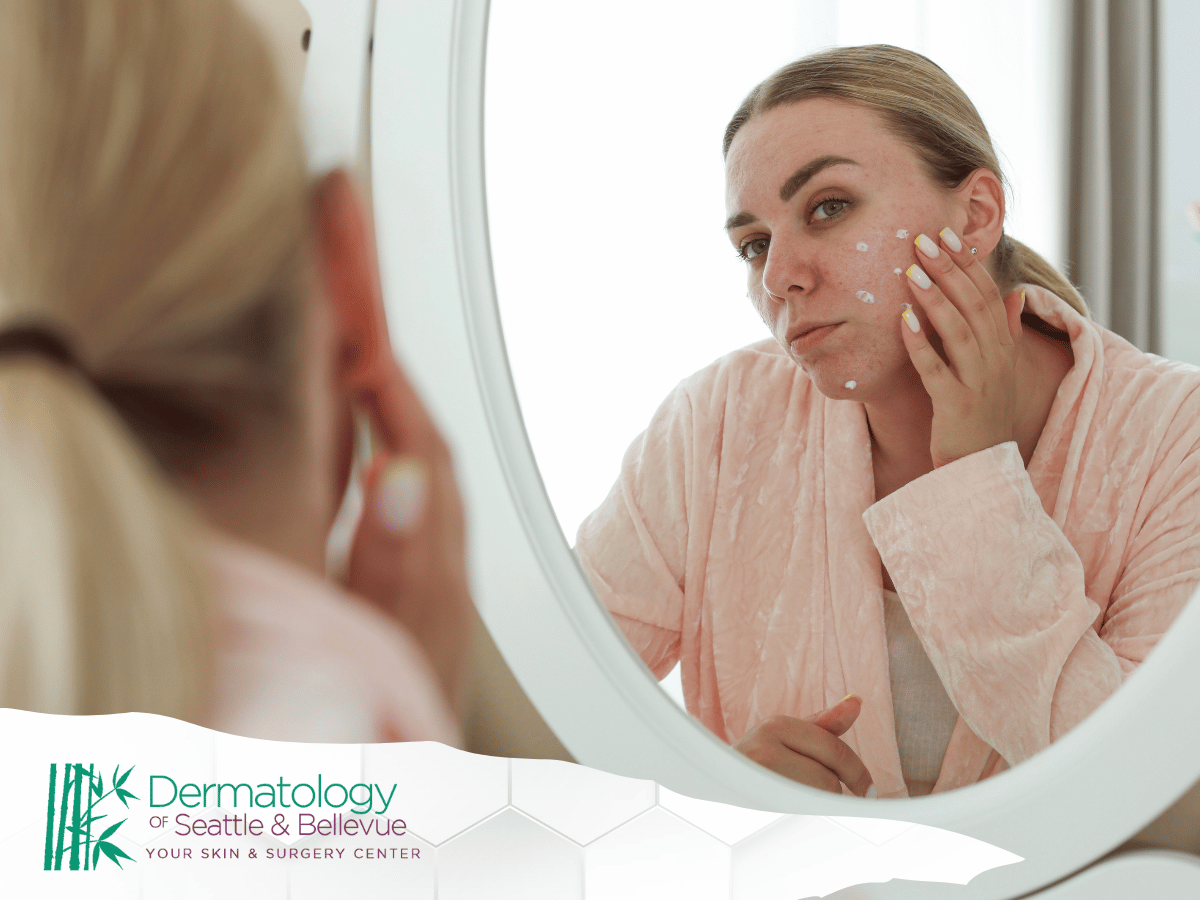
Credit: dermatologyseattle.com
Example Recovery Timeline
Wondering how long it really takes to repair your barrier? Here’s a realistic timeline:
| Time After Starting Recovery | What to Expect |
|---|---|
| First 3 days | Less stinging, some dryness remains |
| 1 week | Redness fades, skin feels softer |
| 2 weeks | Fewer breakouts, smoother texture, less sensitivity |
| 1 month | Barrier mostly repaired, glowing and comfortable skin |
Non-obvious insight: Even after your skin looks better, the barrier may still be fragile. Stick to gentle care for at least 2 more weeks before adding stronger products.
If you want to test your skin’s readiness for new products, try a patch test: apply a small amount on your inner arm for several days. If there’s no reaction, it’s safer to use.
Real-life Stories: Stress, Skin, And Recovery
Many people have faced stress-related skin problems and recovered with the right plan.
- Anna, 34: After a divorce and moving to a new city, Anna developed red, itchy patches and constant breakouts. By switching to a basic skincare routine and practicing nightly meditation, her skin improved in a month.
- Luis, 28: A new job brought late nights and high pressure. His oily skin turned dry and flaky. Once he started walking daily and eating more vegetables, his skin returned to normal.
- Mei, 22: Exams caused eczema flare-ups and peeling. Mei learned to avoid scrubs, used a ceramide cream, and did deep breathing exercises each morning. Her skin healed after six weeks.
These examples show that you don’t need expensive treatments. Gentle skincare, healthy habits, and stress management work—even for tough cases.
Another story: Sara, 41 struggled with persistent chapped lips and redness after moving to a cold climate and facing work stress. She avoided lip balms with flavor or fragrance, used a simple petroleum-based balm, and added an evening walk to her routine. Within three weeks, her lips and skin felt comfortable again.
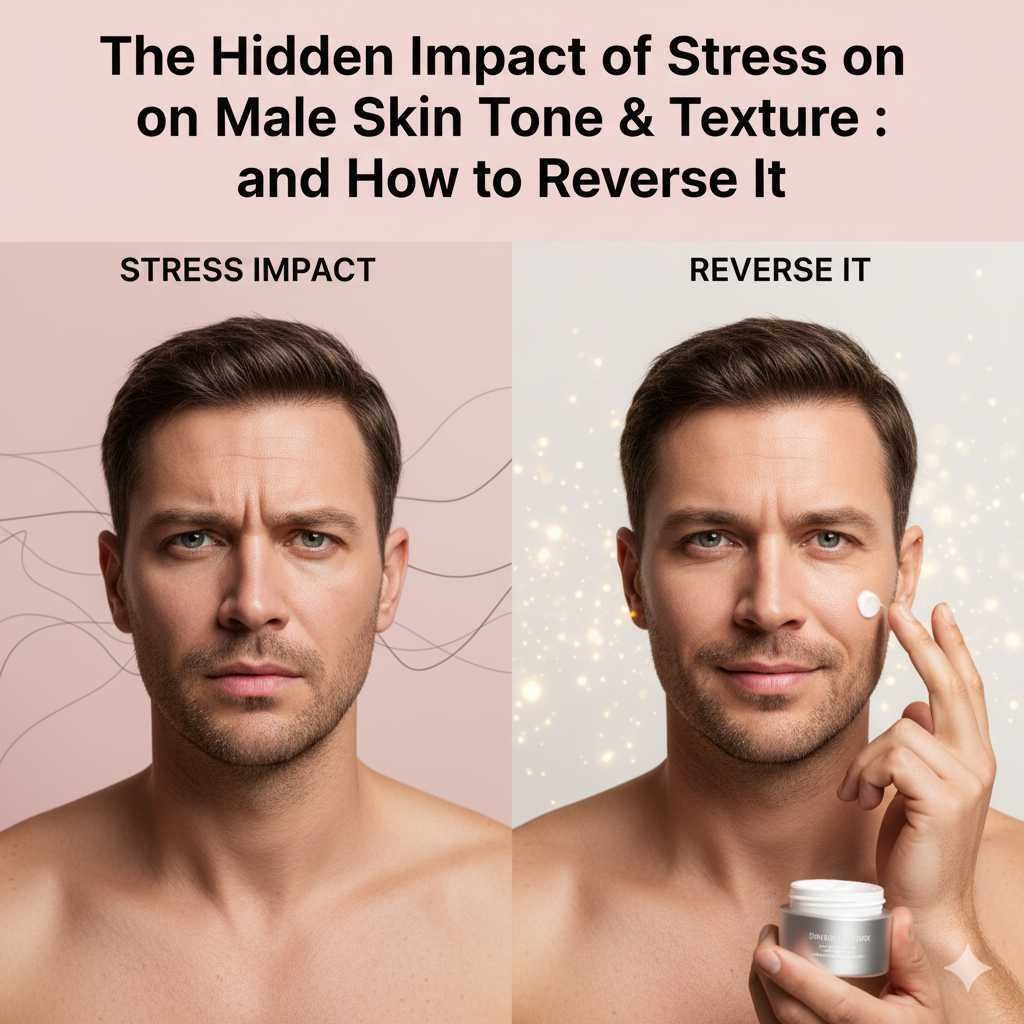
Credit: www.puremedicalspa.us
Frequently Asked Questions
What Is The Fastest Way To Repair A Damaged Skin Barrier?
The fastest way is to simplify your routine—use a gentle cleanser, a rich ceramide moisturizer, and sunscreen. Stop using strong actives, scrubs, or exfoliants. Get enough sleep and manage stress. Most people see improvement within 1-2 weeks, but full repair takes about a month.
Can Stress Alone Cause Acne Or Eczema?
Yes. Stress raises cortisol, which increases oil production and inflammation. This can trigger acne, eczema, or even psoriasis in people who are already sensitive. However, other factors like genetics, diet, and products also play a role.
Is There A Way To Measure If My Skin Barrier Is Healthy?
You can’t measure at home, but signs of a healthy barrier are: soft, smooth skin that doesn’t feel tight or sting; no redness, peeling, or frequent breakouts; and quick healing of small cuts. If your skin tolerates products well and stays hydrated, your barrier is strong.
Some clinics offer tests for transepidermal water loss (TEWL), but for most people, daily signs are enough.
Are There Any Supplements That Help Repair The Skin Barrier?
Some supplements can help, such as omega-3 fatty acids (from fish oil or flaxseed), vitamin E, and probiotics. These support skin health from the inside. Always talk to a healthcare provider before starting new supplements.
Non-obvious tip: Zinc supplements can help with skin healing, but too much can cause side effects. Use only as advised.
Where Can I Learn More About The Science Behind Skin And Stress?
For more details, visit the American Academy of Dermatology, which has research-backed information on skin health and stress.
Your skin is a mirror of your life. While you cannot avoid stress completely, you can protect and heal your skin barrier with simple steps and steady habits. Remember, recovery takes time—but with the right plan, healthy skin is always possible.