

Sustainable Hair And Skin Care: Zero-waste And Refillable Options
Caring for your hair and skin is important, but it can also come with a hidden cost: waste. Every year, millions of shampoo bottles, skincare jars, and beauty packaging end up in landfills. These plastics take centuries to break down and often harm the environment. Yet, there is a growing movement towards sustainable hair and skin care—one that focuses on zero-waste and refillable options. This new approach is not just a trend. It’s a way to look good, feel good, and protect the planet at the same time.
Switching to sustainable routines can feel confusing at first. How do you know which products are truly eco-friendly? What does “zero-waste” really mean in daily life? And do refillable products really make a difference? These are the questions many people have as they try to reduce their environmental impact. The good news: more brands, stores, and even salons are offering solutions that work for both beginners and experts. With some practical tips and the right information, you can make choices that are gentle on your skin, your hair, and the earth.
This article is your complete guide to sustainable hair and skin care. You’ll learn what zero-waste and refillable options actually are, why they matter, and how to start using them today. We’ll explore the best materials, practical product swaps, and the top brands leading the way.
Plus, you’ll discover non-obvious tips, real-world examples, and answers to the most common questions. Whether you’re just starting or looking to go further on your green journey, you’ll find everything you need right here.
What Is Sustainable Hair And Skin Care?
Sustainable hair and skin care means using products and routines that are gentle on the environment. Instead of creating a lot of waste, these choices focus on reducing, reusing, and recycling. The goal is to look after your body while also taking care of the planet.
Key Features Of Sustainable Care
- Less Packaging: Products use little or no plastic, or they come in containers that can be reused.
- Natural Ingredients: They avoid harsh chemicals, using plant-based or biodegradable formulas.
- Ethical Sourcing: Ingredients are grown or made in ways that protect workers and the environment.
- Refillable or Reusable: Many products come in bottles or jars you can fill again, instead of throwing away.
Why It Matters
The beauty industry creates over 120 billion units of packaging every year, much of it single-use plastic. A shampoo bottle can take up to 450 years to decompose. Microplastics from exfoliators and synthetic ingredients also end up in oceans, harming wildlife.
By making sustainable choices, you help:
- Cut down on plastic pollution
- Save resources like water and energy
- Support fair labor and small farmers
- Reduce your own exposure to toxic chemicals
It’s not just about feeling good—it’s about making a real difference.
Understanding Zero-waste And Refillable Options
Zero-waste and refillable are two main ideas in sustainable beauty. Let’s break down what they mean and how they work for hair and skin care.
Zero-waste Basics
A zero-waste approach tries to prevent trash from going to landfill or incinerator. In hair and skin care, this means:
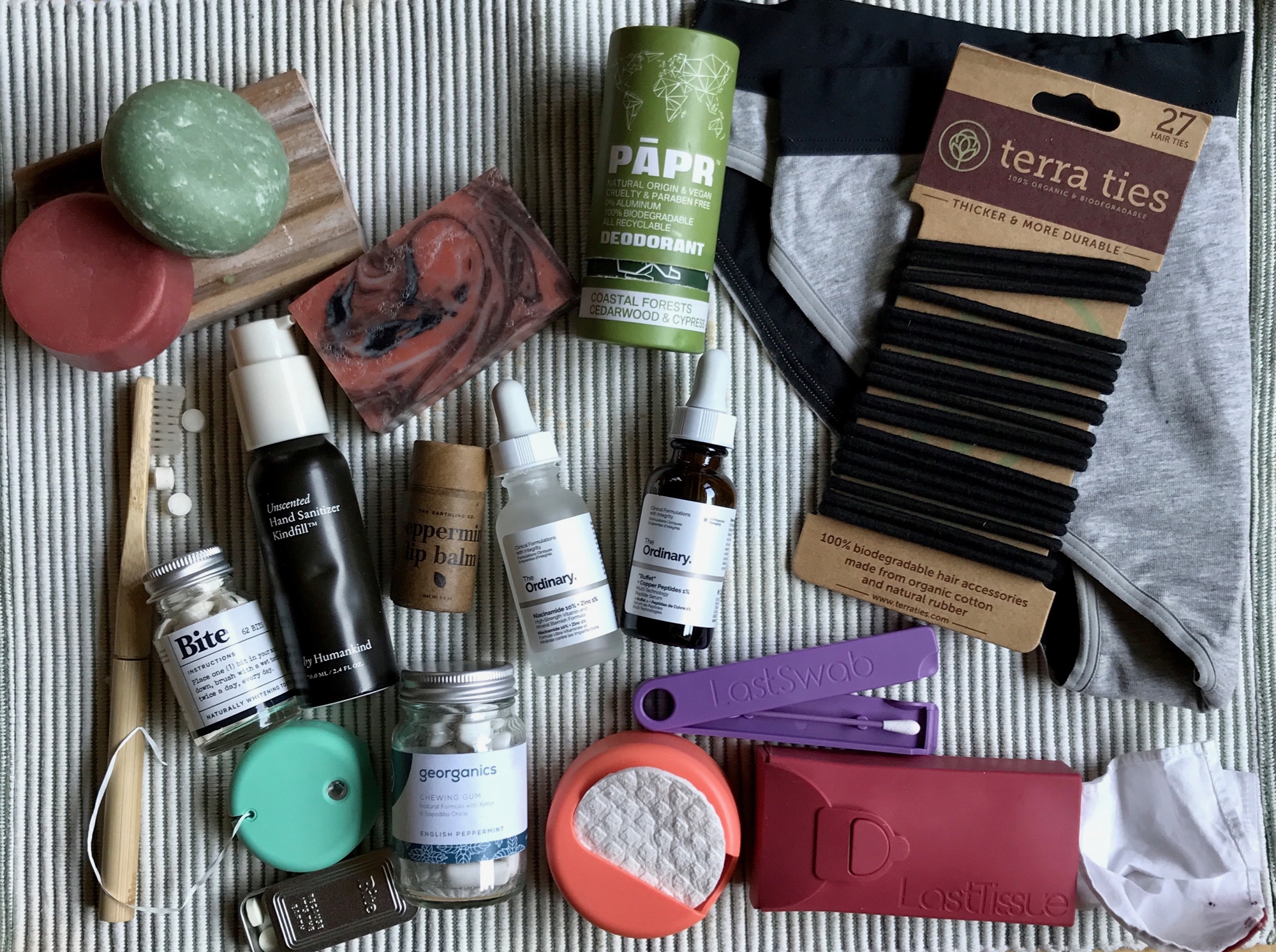
- Choosing products with no packaging, or packaging that is 100% compostable or recyclable
- Using solid bars (like shampoo bars or face cleansers) instead of liquids in bottles
- Buying in bulk to avoid tiny single-use packets
Zero-waste is not about being perfect. It’s about making better choices, step by step.
Refillable Options
Refillable products come in containers designed to be used many times. Instead of buying a new bottle each time, you refill the old one. This works in two main ways:
- At Home: Brands send you a large refill pouch or tablet to top up your bottle.
- In Store: Some shops have refill stations for shampoo, conditioner, lotion, or face wash.
Refill systems cut down plastic waste, and often save you money over time.
Key Differences
While both zero-waste and refillable options aim to reduce waste, they are not the same. Zero-waste is about eliminating waste entirely; refillable products still create some packaging, but much less than single-use items.
Environmental Impact: The Numbers Behind Beauty Waste
Understanding the real impact of beauty waste can help you see why sustainable options are so important.
Beauty Packaging Waste
- The global cosmetics industry produces over 120 billion units of packaging each year.
- Only 9% of plastic ever made has been recycled.
- The average person uses 12 beauty products daily, most in single-use plastic containers.
Water And Carbon Footprint
- Making one plastic shampoo bottle uses enough energy to power a light bulb for 6 hours.
- The beauty industry is responsible for 18 million acres of deforestation every year, much from palm oil in shampoos and creams.
Microplastics And Pollution
- Many scrubs and cleansers contain tiny plastic beads. One tube can carry up to 330,000 microbeads that wash down the drain.
- Microplastics are found in 100% of sea turtle species and in 114 aquatic species.
Comparing Traditional Vs. Sustainable Products
Here’s a quick look at how traditional and sustainable options compare:
| Feature | Traditional Product | Sustainable/Zero-Waste |
|---|---|---|
| Packaging | Single-use plastic | Reusable, refillable, or compostable |
| Ingredients | Synthetic, petroleum-based | Natural, plant-based |
| End of Life | Landfill/incinerator | Recycled/composted/reused |
| Cost Over Time | Higher (keep buying new bottles) | Lower (refills often cheaper) |
Sustainable Materials: What To Look For
Not all packaging is created equal. When choosing sustainable hair and skin care, pay attention to the materials used.
Best Materials For Zero-waste Beauty
- Glass: 100% recyclable and reusable, does not leach chemicals.
- Aluminum: Lightweight, rust-resistant, and infinitely recyclable.
- Paper and Cardboard: Compostable and often made from recycled content.
- Bioplastics: Made from plants, but check if they are truly compostable.
- Bamboo: Fast-growing and renewable, good for brushes and jars.
- Refill Pouches: Often use less plastic than bottles, but not all are recyclable.
Materials To Avoid
- Mixed-material packaging (like plastic pumps with metal springs)
- Colored plastics, which are harder to recycle
- Single-use sachets and sample packets
- PVC and polystyrene, which are toxic and rarely recycled
Insider Tip
Sometimes, glass or metal packaging can be heavier to ship, raising the carbon footprint. Try to buy local brands or larger sizes to reduce this effect.
Zero-waste Hair Care: Options And Swaps
Hair care is a big part of most routines, but it’s also one of the most wasteful. Here’s how to make your hair routine more sustainable.
Shampoo And Conditioner Bars
Solid bars are one of the best zero-waste swaps. They work like soap but are made for your hair. Just rub the bar between your hands or directly on your scalp, lather, and rinse.
- One bar can last as long as 2-3 plastic bottles.
- Many brands offer bars for different hair types (dry, oily, curly, color-treated).
- Look for bars wrapped in paper or packaged in tins.
Refillable Hair Products
Some brands offer refillable shampoo and conditioner. You buy a sturdy bottle once and refill it at home or in-store.
- Refills often come in pouches that use 60-80% less plastic.
- Some stores have refill stations for hair oil, leave-in treatments, or styling products.
Natural Hair Treatments
- Use DIY hair masks with ingredients like avocado, coconut oil, or aloe vera.
- Choose products that use glass droppers or metal tins instead of plastic tubs.
Hair Brushes And Accessories
- Swap out plastic combs for bamboo brushes or combs.
- Use cloth scrunchies and hair ties made from organic cotton or recycled materials.
Non-obvious Insight
Many people use too much product, leading to more waste and buildup. Try using half your usual amount of shampoo or conditioner—you may find your hair feels better and you save money.
Zero-waste Skin Care: Cleaner Routines
Skin care often involves multiple steps, each with its own packaging. Here’s how to cut down on waste without losing results.
Cleansers And Soaps
- Facial cleansing bars work for most skin types and come with no plastic.
- Some brands offer powdered cleansers that you mix with water in your palm.
Moisturizers And Serums
- Look for glass jars or bottles with metal lids and reusable pumps.
- Some brands let you send back empty containers for refilling or recycling.
Refillable Face And Body Products
- Body lotion and sunscreen are now available in refillable pumps.
- Some brands make reusable sheet masks made from silicone—just apply your favorite serum and rinse after use.
Reusable Cotton Rounds And Wipes
- Replace disposable cotton pads with washable rounds made from bamboo or organic cotton.
- Use washcloths instead of single-use makeup remover wipes.
Non-obvious Tip
Store new products in a cool, dark place. Many natural formulas have fewer preservatives and can spoil faster in the heat. This saves both product and money in the long run.
How To Build A Zero-waste Hair And Skin Routine
Getting started can feel overwhelming. Here’s a step-by-step way to switch to a more sustainable routine.
1. Use What You Have
Don’t throw away your current products just to go zero-waste. Finish them first, then replace with greener options.
2. Identify High-waste Items
Look at your routine and spot the biggest sources of plastic or single-use packaging. These are the best places to start.
3. Make Gradual Swaps
Change one product at a time. Try a shampoo bar, then a refillable moisturizer, and so on. This makes it easier and less expensive.
4. Choose Multipurpose Products
Many zero-waste products can be used for more than one thing (for example, a bar that works as both shampoo and body wash).
5. Support Local Or Bulk Stores
Refill stores are growing in many cities. Bring your own containers to fill up on shampoo, soap, or lotion.
6. Recycle And Compost
If you do have packaging, make sure to recycle or compost it properly. Rinse out bottles and check your local rules.
7. Share And Swap
If a product doesn’t work for you, give it to a friend or join a beauty swap group instead of throwing it away.
Top Zero-waste And Refillable Brands Leading The Way
Many brands now focus on sustainable, refillable, and zero-waste beauty. Here are some of the most respected names in the industry.
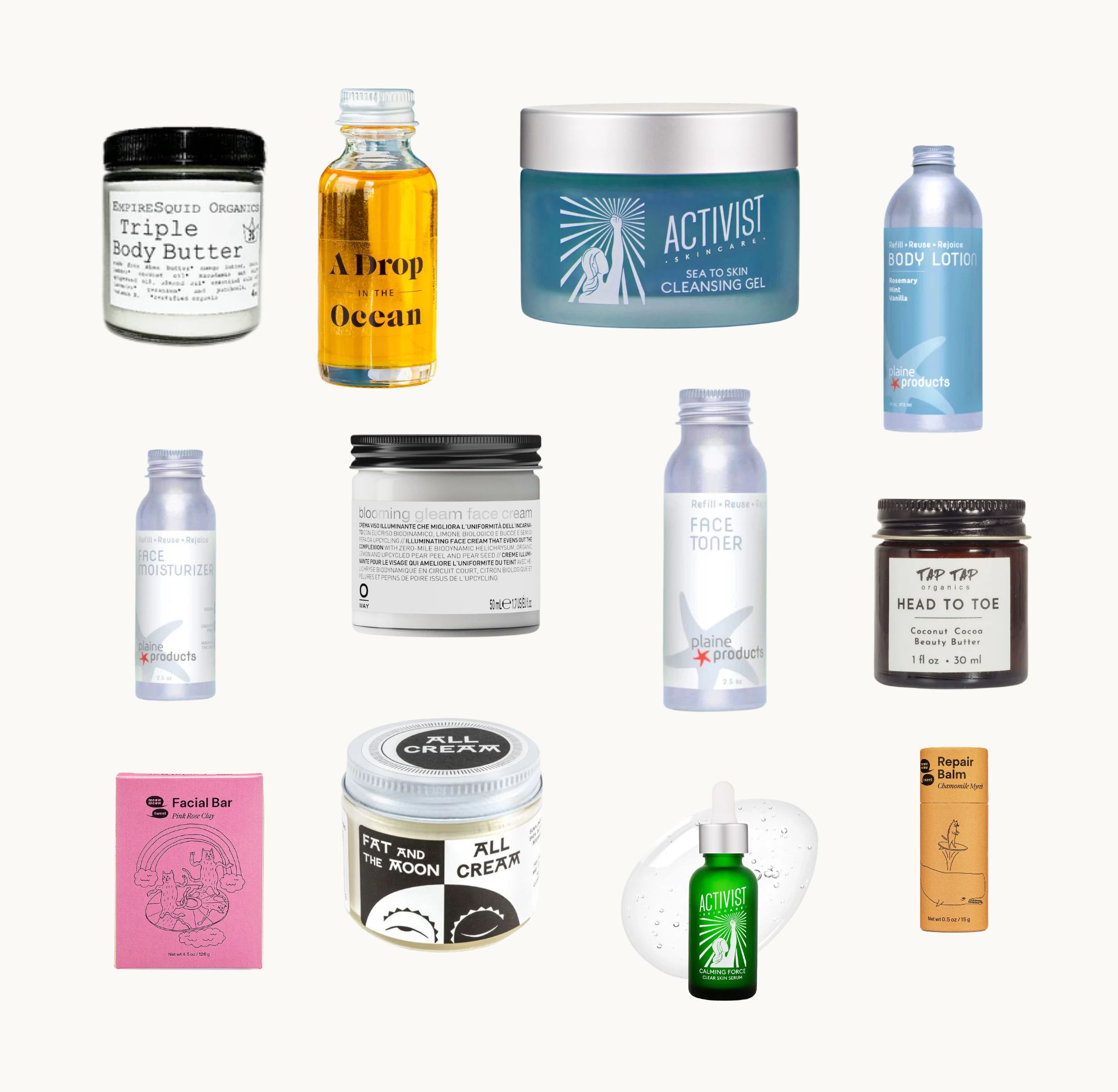
- Ethique: One of the first brands to offer solid shampoo, conditioner, and face bars in compostable packaging.
- Plaine Products: Offers shampoos, conditioners, and body washes in aluminum bottles. Send empties back for refilling.
- Lush: Known for solid bars and “naked” packaging, plus a container return program.
- By Humankind: Focuses on refillable deodorant, mouthwash, and shampoo bars.
- Oceans Apart: Refillable skin care in glass bottles with bulk refill options.
- The Body Shop: Running refill stations for shower gel, shampoo, and conditioner in many stores.
- UpCircle Beauty: Uses leftover coffee grounds and other waste as ingredients, with glass and aluminum packaging.
- Wild: Refillable deodorant in aluminum cases, with compostable refills.
- Ecoroots: Plastic-free hair and skin care, including bars, reusable rounds, and accessories.
- Kjaer Weis: High-end makeup and skin care in refillable metal compacts and glass jars.
- Beauty Kitchen: Offers “return, refill, repeat” program for bottles and jars, mostly in the UK.
- Seed Phytonutrients: Paper-based bottles and refill pouches for shampoo and body wash.
- Meow Meow Tweet: Small-batch skin and hair care, mostly in glass or compostable tubes.
- L’Occitane: Luxury body care with refill pouches for bestsellers.
- Davines: Salons can offer refills for hair care in select locations.
- Beautycounter: Refillable glass bottles for select skin care products.
- Milk Makeup: Refillable packaging for face sticks and some skin care.
- Everist: Makes waterless shampoo and body wash concentrates in aluminum tubes.
- Oneka Elements: Bulk refills for salons and individuals, organic ingredients.
- Garnier: New refill stations for shampoo in select global markets, plus recycling program.
These brands offer a range of options for every budget and need. Check if they are available in your country or region.
Credit: www.sustainablejungle.com
Comparing Zero-waste Vs. Traditional Beauty: Cost And Convenience
Is it more expensive or harder to go zero-waste? Here’s a side-by-side look at the key differences.
| Aspect | Traditional Beauty | Zero-Waste/Refillable |
|---|---|---|
| Upfront Cost | Usually lower per item | Can be higher (for durable packaging) |
| Long-Term Cost | Buy again each time | Refills often cheaper |
| Convenience | Buy anywhere | Some refill stations, online orders |
| Product Choice | Wide range, many brands | Growing, but fewer options |
| Travel-Friendly | Yes, but often single-use | Solid bars are TSA-friendly |
Practical Example
A single shampoo bar may cost $12, while a bottle of liquid shampoo costs $5. But the bar lasts for 2-3 months, while the bottle lasts only 3-4 weeks. Over a year, bars can save both money and packaging.
Common Mistake
Many people buy too many zero-waste products at once. Start small—test one or two swaps and see how they fit your routine before investing more.
How To Find Truly Sustainable Products
With so many brands using words like “eco,” “natural,” or “green,” it’s easy to get confused. Here’s how to tell if a product is really sustainable.
Look For Transparency
- Brands should explain where ingredients come from and how they are sourced.
- Check if they list all ingredients, not just the “key” ones.
Third-party Certifications
Some labels you might see:
- Certified Organic: Ingredients grown without synthetic pesticides.
- Fair Trade: Ensures fair wages for farmers and workers.
- Leaping Bunny or Cruelty Free: No animal testing.
- B Corp: High social and environmental standards.
Packaging Claims
- “Compostable” means it will break down in home or industrial compost—check for certifications.
- “Recyclable” is good, but make sure your local area accepts that material.
- “Biodegradable” can be misleading, as some plastics only break down in special conditions.
Red Flags
- Vague claims like “all-natural” or “eco-friendly” with no proof.
- Overly complex packaging (plastic inside cardboard, for example).
- No information about ingredient sourcing.
Non-obvious Insight
Sometimes a product that isn’t perfect (for example, a serum in a plastic bottle) is still better than switching to a completely new product you don’t need. Use up what you have before buying something new.
The Role Of Diy And Homemade Care
Making some hair and skin products at home is a great way to cut down on waste and save money.
Popular Diy Recipes
- Hair Masks: Mix 1 ripe avocado, 2 tablespoons olive oil, and a few drops of essential oil. Apply to hair for 20 minutes.
- Face Scrubs: Combine 1 tablespoon coffee grounds with 1 tablespoon coconut oil.
- Toner: Mix green tea with a splash of apple cider vinegar.
Safety Tips
- Use clean, sterilized jars or bottles.
- Store homemade products in the fridge if they don’t contain preservatives.
- Patch test new recipes on your skin before using widely.
Caution
DIY isn’t for everyone. Sensitive skin may react to natural ingredients. Always check for allergies and keep things simple.
The Future Of Sustainable Beauty
The move toward zero-waste and refillable beauty is growing fast. Here’s what to expect in the next few years.
Industry Changes
- More brands are switching to closed-loop systems, where you return empties for cleaning and reuse.
- Refill stations are popping up in major cities and even supermarkets.
- Innovation in materials, like mushroom-based packaging and waterless concentrates.
Consumer Power
People are demanding more transparency and lower waste. Social media makes it easier to spot greenwashing and share honest reviews.
Government Action
Some countries are banning microbeads and single-use plastics. Others are offering incentives for refill programs.
Non-obvious Trend
Expect to see more personalized beauty—where you refill just what you need, in the amount you need, reducing waste even further.
Credit: www.tiltedmap.com
Building Lasting Habits
Making sustainable choices is not about being perfect. It’s about progress. Here’s how to keep going:
- Celebrate small wins, like finishing a product in a glass jar.
- Share your journey with friends or online groups for support.
- Keep learning—new brands and ideas are coming all the time.
Your choices matter. Each swap, refill, or package saved adds up over time.
Frequently Asked Questions
How Can I Start A Zero-waste Hair And Skin Care Routine On A Budget?
Begin by using up your current products before buying new ones. When you’re ready to switch, start with the highest-waste items (like shampoo or face wipes). Choose simple swaps, like shampoo bars or reusable cotton rounds, which often cost less over time.
Look for brands that offer bulk sizes or discounts for refills.
Are Refillable Beauty Products As Effective As Traditional Ones?
Yes, many refillable and zero-waste products use high-quality ingredients and work just as well as traditional products. In some cases, they are even better for sensitive skin because they avoid harsh chemicals. Always check reviews and, if possible, try samples first to find what works best for your needs.
What Should I Do With Empty Containers If I Can’t Refill Them?
If a refill is not possible, check if the packaging is recyclable in your area. Clean and dry containers before recycling. Some brands have take-back programs or partnerships with recycling companies. You can also repurpose jars and bottles for storage or DIY beauty recipes.
How Do I Avoid Greenwashing In Sustainable Beauty?
Look for brands that clearly explain their ingredients and packaging. Check for third-party certifications like organic, cruelty-free, or B Corp. Avoid vague claims like “eco-friendly” without proof. Read ingredient lists and look for details about how products are sourced and made. For more information on greenwashing, visit Environmental Working Group.
Can I Make My Own Sustainable Hair And Skin Care Products At Home?
Yes, many people enjoy making simple hair masks, scrubs, or toners at home using natural ingredients. Start with easy recipes and always patch test for allergies. Use clean containers and store homemade products properly. DIY is a great way to save money and control what goes on your hair and skin.
Switching to sustainable hair and skin care is one of the best ways to reduce your impact on the environment—while still looking and feeling your best. With more zero-waste and refillable options than ever, it’s never been easier to make a change. Start small, keep learning, and remember: every little step counts.
Credit: www.goingzerowaste.com