

Many women notice their hair thinning or falling out at some point in life. This can be stressful and affect self-confidence. One treatment that doctors often suggest for female hair loss is spironolactone. But how does this medicine actually work, and what side effects should you know? If you’re considering spironolactone or just want to understand your options, this article explains everything in clear language. You’ll learn how spironolactone helps with female pattern hair loss, what to expect, and how to use it safely.
What Is Spironolactone?
Spironolactone is a medicine that’s been used for decades. Doctors first used it to treat high blood pressure and heart problems. It belongs to a group called aldosterone antagonists or potassium-sparing diuretics. This means it helps the body get rid of extra water but keeps potassium.
Over time, doctors noticed that spironolactone had another effect: it blocks certain hormones called androgens. These hormones, like testosterone, can cause hair loss in women if they are too strong or too active. Because of this, spironolactone is now used “off label” to help with hair thinning in women, especially when other treatments don’t work.
It’s important to know that spironolactone is not for everyone. It’s usually only for women—especially those with androgenetic alopecia (female pattern hair loss), hirsutism (unwanted hair growth), or acne linked to hormones.
Understanding Female Hair Loss
Not all hair loss is the same. For women, the most common type is called female pattern hair loss or androgenetic alopecia. This means the hair on top of the scalp slowly gets thinner over time. Unlike men, women don’t usually get bald spots; instead, their hair parts may look wider, and the scalp can show through.
Causes of female hair loss:
- Genetics: If your mother, grandmother, or other family members had thinning hair, you’re more likely to have it too.
- Hormones: Changes in hormones, such as after pregnancy or around menopause, can trigger hair loss.
- Medical conditions: Problems like thyroid disease, polycystic ovary syndrome (PCOS), or iron deficiency may lead to hair thinning.
- Stress or illness: Physical or emotional stress can make hair fall out faster.
Doctors often check for these causes before giving spironolactone. If your hair loss is linked to androgens (male hormones), spironolactone may help slow or stop the process.
How Spironolactone Works For Hair Loss
To understand how spironolactone helps, you need to know about androgens. These are hormones found in both men and women. In some women, androgens can shrink hair follicles, making hair thinner and weaker. This process is called miniaturization.
Spironolactone works in two main ways:
- Blocking androgen receptors: It stops androgens from attaching to hair follicles. This protects the follicles from shrinking.
- Lowering androgen production: It helps reduce how much androgen the body makes, especially in the ovaries and adrenal glands.
By lowering the effect of androgens, spironolactone can slow hair loss and sometimes help hair grow back. It does not work overnight—most women need to use it for several months before seeing results.
Who Benefits Most?
Spironolactone is mainly for women who have signs of too much androgen, such as:
- Thinning hair on the scalp
- Acne that does not improve with other treatments
- Excess facial or body hair (hirsutism)
- Diagnosed PCOS
If your hair loss is not related to androgens, this medicine may not help. Always have your doctor check for other causes before starting treatment.
How Effective Is Spironolactone?
Many studies have shown that spironolactone can help slow or stop hair loss in women. Some women even see new hair growth after several months. The results depend on several things: your age, how long you’ve had hair loss, and your overall health.
Key facts from research:
- About 30-40% of women with androgenetic alopecia see improvement in hair density after taking spironolactone for 6-12 months.
- Best results are seen when used with other treatments like minoxidil.
- Women with PCOS or signs of excess androgen respond better than those with age-related thinning.
Not everyone will regrow lost hair. But in many cases, spironolactone can stop further thinning and help keep the hair you have.
Example
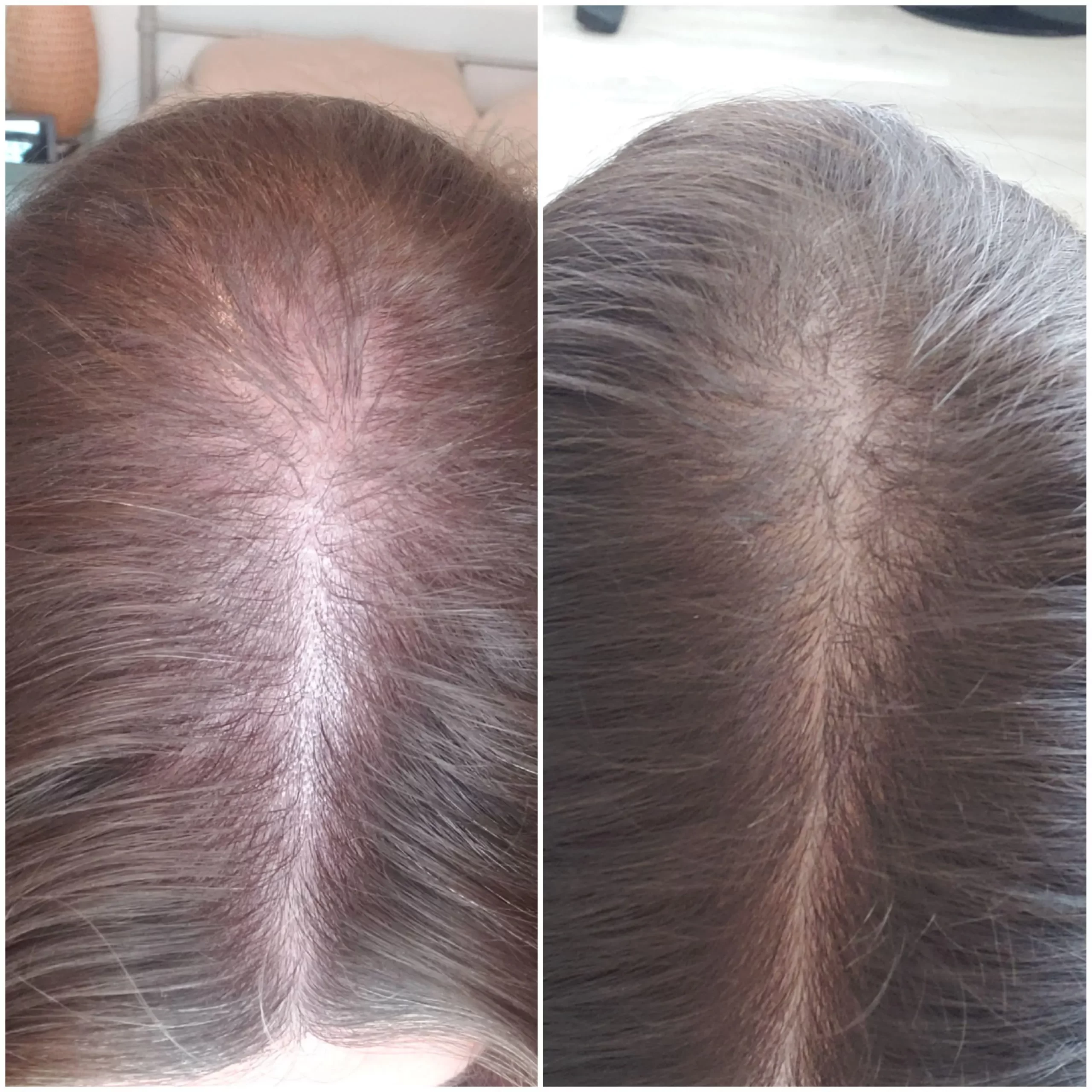
Maria, age 35, started losing hair at her part line. After blood tests, her doctor found high androgen levels. She started spironolactone and used minoxidil foam. After 9 months, her hair loss stopped, and her part looked thicker. This is a common story for women who start treatment early.
Credit: kopelmanhair.com
Dosage And How To Take Spironolactone
Spironolactone is usually taken as a pill by mouth once a day. The dose can be different for each person.
Common starting doses:
- 50 mg per day is typical for new users.
- Some women need up to 100-200 mg per day if hair loss is severe.
Doctors often start low and increase the dose slowly. This helps the body adjust and lowers the risk of side effects.
Tips for taking spironolactone:
- Take the pill at the same time each day, with or without food.
- Do not stop suddenly; always talk to your doctor before making changes.
- You may need regular blood tests to check your potassium and kidney function.
It may take 3-6 months before you see changes. Be patient and keep taking the medicine as your doctor recommends.
Spironolactone Compared To Other Hair Loss Treatments
Many women want to know how spironolactone stacks up against other options. Here’s a look at the main treatments for female hair loss and how they compare.
| Treatment | Main Use | How It Works | Effectiveness | Side Effects |
|---|---|---|---|---|
| Spironolactone | Female pattern hair loss, PCOS, hirsutism | Blocks androgens | 30-40% see improvement | Low blood pressure, high potassium |
| Minoxidil (Rogaine) | General hair thinning | Widens blood vessels, stimulates follicles | 40-60% see improvement | Scalp irritation, unwanted facial hair |
| Finasteride (Propecia) | Mainly for men, some women | Blocks DHT hormone | Mixed results in women | Birth defects, sexual side effects |
| Oral contraceptives | PCOS, hormonal imbalance | Regulate hormones | Helpful for some | Nausea, blood clots |
Non-obvious insight: Many women get the best results by using a combination of treatments, such as spironolactone and minoxidil. Always ask your doctor before combining medicines.
Common Side Effects Of Spironolactone
Like any medicine, spironolactone can have side effects. Most are mild, but some can be serious. Knowing what to watch for helps you stay safe.
Most common side effects:
- Frequent urination – You may need to use the bathroom more often.
- Breast tenderness or enlargement – Some women notice their breasts feel sore or get bigger.
- Irregular periods – Your cycle may change or you may skip periods.
- Dizziness or low blood pressure – Especially when standing up quickly.
- Tiredness – Some people feel more tired at first.
Less common but serious side effects:
- High potassium (hyperkalemia): This can be dangerous. Signs include muscle weakness, irregular heartbeat, or feeling very tired.
- Allergic reactions: Rash, itching, swelling.
- Kidney problems: Usually only in people with kidney disease.
Doctors usually check your blood before and during treatment to prevent serious problems.
Non-obvious insight: Eating a diet very high in potassium (lots of bananas, oranges, potatoes) can raise your risk of side effects. Always mention all supplements and dietary changes to your doctor.
Who Should Not Take Spironolactone?
Spironolactone is not safe for everyone. Some people should not use it, or need close monitoring.
You should not take spironolactone if:
- You are pregnant or trying to get pregnant (it can harm the baby)
- You have kidney disease
- You have Addison’s disease (a hormone problem)
- Your potassium levels are already high
If you are breastfeeding, talk to your doctor first. Spironolactone can pass into breast milk.
Credit: www.youtube.com
Possible Drug Interactions
Spironolactone can interact with other medicines, making side effects more likely. Always tell your doctor and pharmacist about everything you take, including supplements.
Medicines that may interact:
- ACE inhibitors (like lisinopril) for blood pressure
- ARBs (like losartan) for heart problems
- Potassium supplements
- NSAIDs (like ibuprofen) can affect the kidneys
Combining these with spironolactone can raise potassium or cause kidney issues.
How Long Does It Take To See Results?
Hair grows slowly. Most women need to take spironolactone for at least 3 to 6 months before seeing changes. Some notice less hair shedding after a few months, but real regrowth can take longer.
Why does it take so long?
- Hair grows in cycles. Each cycle can last 2-6 years.
- It takes time for new, healthy hairs to replace thin or miniaturized ones.
Doctors often suggest staying on the medicine for 12 months before judging if it works.
Practical tip: Take monthly photos of your hair part or scalp to track small changes. Sometimes progress is easy to miss day to day.
Spironolactone And Hormonal Hair Loss
Spironolactone is especially helpful for women whose hair loss is linked to hormone problems. One common cause is polycystic ovary syndrome (PCOS). Women with PCOS often have extra androgens, leading to both hair thinning and unwanted facial hair.
In these cases, spironolactone can help with both problems. It can reduce hair loss on the scalp and slow new facial hair growth.
Other hormonal triggers:
- Menopause: Some women lose hair as estrogen drops and androgens become more active.
- Post-pregnancy: Hair can shed after giving birth, but this often returns to normal without medicine.
Doctors sometimes combine spironolactone with birth control pills to balance hormones and protect against pregnancy, since spironolactone can harm a developing baby.
Monitoring And Follow-up While Taking Spironolactone
Regular check-ups are important when using spironolactone. This helps catch side effects early and keeps your treatment safe.
What to expect:
- Blood tests: Usually done before starting, then every 3-6 months. Checks potassium and kidney health.
- Blood pressure checks: To make sure it doesn’t drop too low.
- Symptom review: Tell your doctor if you feel dizzy, weak, or notice any new symptoms.
If you miss a dose: Take it as soon as you remember, unless it’s almost time for the next one. Do not double up.
When to call your doctor: If you have muscle weakness, irregular heartbeat, or severe tiredness, get medical help right away.
Real-world Experiences And Success Stories
Hearing from other women can help you understand what to expect. Many women have shared their spironolactone journeys online and with support groups.
- Sarah, age 28: Started spironolactone for thinning hair and chin hair. After 8 months, her hair stopped falling out, and her skin was clearer.
- Linda, age 42: Had PCOS and used spironolactone with a birth control pill. Noticed less shedding after 6 months and felt more confident.
- Rita, age 37: Had mild side effects (tiredness, breast tenderness) that went away after a few weeks.
Non-obvious insight: Many women feel discouraged after 2-3 months because they don’t see improvement. It’s normal for hair to keep shedding at first. Results often appear slowly—stick with it unless your doctor says to stop.
Myths And Misunderstandings About Spironolactone
There are many myths about spironolactone and hair loss. Let’s clear up the most common ones.
1. “spironolactone Works For Everyone.”
Not true. It mainly helps women with androgen-related hair loss, not all types.
2. “it Causes Permanent Side Effects.”
Most side effects go away after stopping the medicine. Serious problems are rare if you follow your doctor’s advice.
3. “it Works Right Away.”
It can take months to see results. Patience is key.
- “You can stop as soon as your hair is better.”
If you stop, hair loss may return. Most women need to stay on it to keep results.
5. “only Young Women Can Use It.”
Women of many ages can benefit if their doctor says it’s safe.

Credit: www.internationaldrugmart.com
Cost, Insurance, And Access
Spironolactone is a generic medicine and usually not expensive. Many insurance plans cover it, but coverage can vary depending on your country and the reason for use.
Average costs in the US:
- Without insurance: $10–$30 per month for most doses
- With insurance: Often just a small co-pay
Tip: If your insurance does not cover spironolactone for hair loss, your doctor may need to explain why you need it. Sometimes, using the diagnosis code for hirsutism or PCOS improves coverage.
How To Get The Best Results
Getting the most from spironolactone takes more than just taking a pill. Here are some tips to improve your chances of success:
- Follow your doctor’s instructions carefully. Don’t change your dose on your own.
- Be consistent. Take your medicine every day, even if you don’t see results right away.
- Use other treatments if advised. Minoxidil, gentle shampoos, or supplements (if your doctor approves) can help.
- Protect your hair. Avoid harsh chemicals, tight hairstyles, and heat damage.
- Track your progress. Take photos every month to notice small changes.
Common mistake: Stopping treatment too soon. Most women need at least 6-12 months to see full benefits.
Spironolactone And Pregnancy
Spironolactone is not safe in pregnancy. It can cause birth defects in boys (feminizing effects). If you are sexually active and could become pregnant, use reliable birth control while on spironolactone.
If you become pregnant: Stop the medicine right away and tell your doctor. This is why many doctors prescribe spironolactone together with birth control pills for women of childbearing age.
What To Ask Your Doctor Before Starting
Starting a new medicine can be scary. Here are some good questions to ask your doctor:
- Do I need blood tests before starting?
- How long should I try spironolactone before deciding if it works?
- What should I do if I get side effects?
- Can I use spironolactone with other hair loss treatments?
- How often will I need follow-ups?
Tips For Managing Side Effects
If you get side effects, don’t panic. Most are mild and go away as your body gets used to the medicine.
Ways to manage side effects:
- Dizziness or low blood pressure: Stand up slowly. Drink enough fluids.
- Breast tenderness: Wear a supportive bra. This usually fades in a few weeks.
- Irregular periods: Birth control pills can help regulate your cycle.
- Frequent urination: Take spironolactone in the morning to avoid night trips to the bathroom.
If you feel very tired, weak, or notice heart symptoms, call your doctor right away.
Alternative Androgen Blockers
Spironolactone is not the only medicine that blocks androgens. Sometimes, women try other options if they cannot use spironolactone.
Other androgen blockers:
- Finasteride or dutasteride: Used more in men, but sometimes in women after menopause.
- Flutamide or bicalutamide: Used for severe cases, but can have more side effects.
These medicines work differently and may have their own risks.
Combining Spironolactone With Other Hair Loss Treatments
Doctors often use a mix of treatments for the best results. Here’s how spironolactone fits with other common options:
| Combination | Why Use? | Benefits | Risks |
|---|---|---|---|
| Spironolactone + Minoxidil | Targets hormones and stimulates follicles | Higher chance of regrowth | Side effects from both medicines |
| Spironolactone + Birth Control | Prevents pregnancy, balances hormones | Safer for women of childbearing age | Blood clots, nausea (rare) |
| Spironolactone + Hair Transplant | Stops loss while new hair grows | Protects results | Surgical risks, cost |
Tip: Never start or combine treatments without your doctor’s advice. Some mixtures can be risky.
Frequently Asked Questions
What Happens If I Stop Taking Spironolactone?
If you stop spironolactone, your hair loss may return over time—sometimes within a few months. The medicine does not cure hair loss; it controls it as long as you take it. Always talk to your doctor before stopping.
Can Spironolactone Cause Weight Gain?
Spironolactone is a diuretic and usually does not cause weight gain. In fact, some women lose water weight. However, changes in hormones and appetite may lead to small changes in weight for some people.
Is Spironolactone Safe For Long-term Use?
Many women use spironolactone for years without serious problems. Regular blood tests and check-ups are needed to watch for side effects. If you develop kidney issues or high potassium, your doctor may stop or change the medicine.
Can I Use Spironolactone With Minoxidil?
Yes, using both can be more effective than either alone for many women. Minoxidil works on the scalp, while spironolactone works inside the body. Talk to your doctor before starting both.
Where Can I Read More About Spironolactone And Hair Loss?
You can find more detailed information at the American Academy of Dermatology.
Women’s hair loss is complex, but treatments like spironolactone offer hope. If you think it might be right for you, speak with your doctor about your options. With patience and the right plan, many women see real improvement and regain their confidence.