

Every day, millions of people reach for shampoos, lotions, creams, and serums hoping for healthier hair and glowing skin. Brands promise transformation, and beauty routines become daily rituals. But what if more products, or using them too often, actually make things worse? Many don’t realize that overusing hair and skin products can lead to dryness, irritation, breakouts, and even long-term harm. If you find your hair gets frizzier the more you treat it, or your skin develops new problems despite careful care, you’re not alone. Understanding how overuse happens—and what to do instead—can save your hair, skin, and wallet.
This guide explores how common habits may backfire, the science of overuse, and what signs to watch for. You’ll learn practical steps to simplify your routine and protect yourself from hidden risks. Whether you’re a beauty enthusiast or just starting your skincare journey, knowing when enough is enough can make all the difference.
How Overuse Happens: More Isn’t Always Better
Many people believe that using more product means better results. This idea is popular in beauty marketing, but it’s rarely true. Layering multiple products or applying them too often can overwhelm the hair and skin, and sometimes the effects are not obvious at first.
Why Do We Overuse?
- Product promises: Advertisements often show dramatic changes with regular use, leading people to expect instant results. The before-and-after photos, the testimonials, and even the language used in commercials can make it feel like one more pump or extra layer will finally deliver that flawless look.
- Influencer trends: Social media shows routines with ten or more steps, making simple routines seem less effective. Many influencers are sent products for free or are paid to show them, so their routines don’t always match real needs. Watching these routines can create pressure to copy them, even if your skin or hair doesn’t need so much.
- “Quick fix” mindset: When results are slow, people add more products or increase frequency, hoping for faster improvement. This is a common reaction when dealing with acne or hair loss. The frustration of waiting for real change can lead people to double up on products, not realizing that sometimes, patience is the best solution.
A Hidden Habit: “product Hopping”
Another common mistake is switching from one product to another too quickly, without giving each one time to work. Most hair and skin products need several weeks to show true results. Constantly changing or layering new items confuses your hair and skin and increases the risk of irritation.
The Science: How Hair And Skin React
Our skin and hair are complex. Both have a natural balance of oils, moisture, and protective barriers. Overuse of products can disrupt this balance:
- Skin: Too many acids, retinols, or exfoliants break down the protective barrier, causing sensitivity and breakouts. The skin barrier is like a shield, keeping moisture in and irritants out. When this shield is weakened, it can lead to increased water loss and let bacteria or allergens in more easily.
- Hair: Heavy conditioners, oils, or protein treatments can build up, leaving hair limp, greasy, or dry. This buildup can also block follicles, making it harder for hair to grow and even causing scalp pimples or folliculitis.
- PH Imbalance: Many don’t know that both hair and skin have a natural pH level. Overusing products—especially those with strong ingredients—can change this balance, leading to extra dryness or oiliness and making the scalp or skin more vulnerable to infections.
Common Hair And Skin Products That Cause Harm When Overused
Some products are more likely to cause problems if used too much. Here’s a closer look at the most common culprits and why moderation is key.
Shampoo
Frequent shampooing strips the scalp of natural oils. This can lead to:
- Dryness and itchiness
- Increased oil production (as the scalp tries to compensate)
- Weaker hair prone to breakage
- Color fading: If you color your hair, frequent washing will make the color fade faster.
A common mistake is believing that hair must be washed daily. For most people, washing 2-3 times a week is enough. People with curly, textured, or dry hair often need even less frequent washing.
Conditioner And Leave-in Treatments
Conditioners and leave-ins are meant to add moisture, but too much coats the hair, causing:
- Product buildup
- Flat or greasy hair
- Clogged hair follicles, which may lead to scalp pimples
- Itchiness or discomfort: Heavy products can make the scalp feel uncomfortable, especially in hot weather.
Try focusing conditioner on the mid-lengths and ends, not the roots. For fine or thin hair, a small amount is usually enough.
Hair Oils And Serums
Oils can nourish, but daily use or heavy application:
- Weighs hair down
- Attracts dust and pollution
- Causes scalp acne
- Stains pillowcases or hats: Oils left on overnight can transfer to fabrics.
Oils like coconut or argan are helpful in moderation, but too much prevents the scalp from breathing and can make hair look dirty, not shiny.
Styling Products (gels, Sprays, Mousses)
Overuse of styling products leads to:
- Stiffness and dryness
- Flaky residue
- Dull appearance
- Scalp irritation: Alcohol-based sprays can dry out the scalp if used daily.
Try washing out styling products at the end of the day and avoid layering multiple types at once. A little goes a long way with strong-hold gels or sprays.
Face Cleansers
Washing your face more than twice a day removes healthy oils and disrupts the skin barrier. Signs of overuse include:
- Tightness after washing
- Redness and sensitivity
- Flaky patches
- Increased breakouts: Stripping away oil can cause the skin to produce even more, leading to acne.
If you wear heavy makeup, consider using a gentle micellar water or oil cleanser first, then a mild foaming cleanser—not harsh scrubbing.
Exfoliants (scrubs, Acids, Peels)
Exfoliation is important for smooth skin, but too much causes:
- Micro-tears in the skin
- Long-term sensitivity
- Breakouts from a damaged barrier
- Redness and burning: Chemical peels and strong acids can leave skin raw.
Physical scrubs should be used gently, and chemical exfoliants (like AHA or BHA) should not be combined unless a dermatologist says it’s safe. Once a week is often enough for most people.
Moisturizers
Even gentle moisturizers can harm when overused, causing:
- Blocked pores
- Milia (tiny white bumps)
- Skin dependency, where skin stops producing natural oils
- Greasy or sticky feeling: Too much cream makes makeup slide off or makes skin look oily.
Oily or combination skin types should look for lightweight, non-comedogenic options. Listen to your skin—if it feels greasy, you may be using too much.
Sunscreen
Sunscreen is vital, but layering multiple products with SPF can sometimes irritate sensitive skin, especially if not removed properly at night.
- Acne breakouts: Some sunscreens are heavy and can clog pores if not washed off.
- Allergic reactions: Combining different SPF types can sometimes trigger reactions in sensitive individuals.
Always remove sunscreen thoroughly at night with a gentle cleanser.
Active Ingredients (retinol, Vitamin C, Niacinamide)
Powerful actives improve skin, but overuse may lead to:
- Peeling
- Redness
- Persistent irritation
- Inflammation flare-ups: People with conditions like eczema or rosacea are especially at risk when using strong actives too often.
Always start with a low concentration and use less often before increasing frequency.
Credit: www.poudrevalleyeyecare.com
Signs You’re Overusing Hair And Skin Products
How do you know if your routine is too much? Watch for these clear signs:
- Sudden breakouts or new acne
- Red, itchy, or burning skin
- Flaky scalp or dandruff
- Excess oiliness or dryness
- Hair losing shine or becoming heavy
- Increased sensitivity to sunlight or weather
- Texture changes: Hair becomes rough, or skin feels uneven.
- Pimples or bumps in new places: Especially on scalp, hairline, or neck.
- Makeup applies poorly: Foundation looks patchy or doesn’t blend.
Two Signs Many Beginners Miss
- Products stop working: Your hair or skin seems “immune,” so you add more or switch brands, not realizing that your routine is the problem. This is called “product fatigue”—when the skin or hair no longer responds because it’s overwhelmed.
- Delayed reactions: Damage often appears weeks later, making it hard to connect symptoms with overuse. For example, over-exfoliating today may not cause irritation until a week later.
A Third Insight Beginners Miss
Many people mistake dryness or flaking for a need to exfoliate more, when in reality, the barrier is already damaged and needs rest and repair.
Risks And Long-term Effects Of Overuse
Using too many products or applying them too often isn’t just a short-term problem. There are lasting effects that can take months to reverse.
For Hair
- Scalp inflammation: Leads to itchiness, flaking, and sometimes hair loss. Chronic inflammation can weaken hair roots, causing shedding and slower regrowth.
- Weakened hair shaft: Over-conditioned hair breaks easily and grows slower. Split ends and breakage become common, and hair may appear thinner over time.
- Color fading: Dyed hair loses vibrancy faster with too much washing or harsh products. Overuse of clarifying shampoos can strip both color and moisture.
Hidden Effect: Follicle Damage
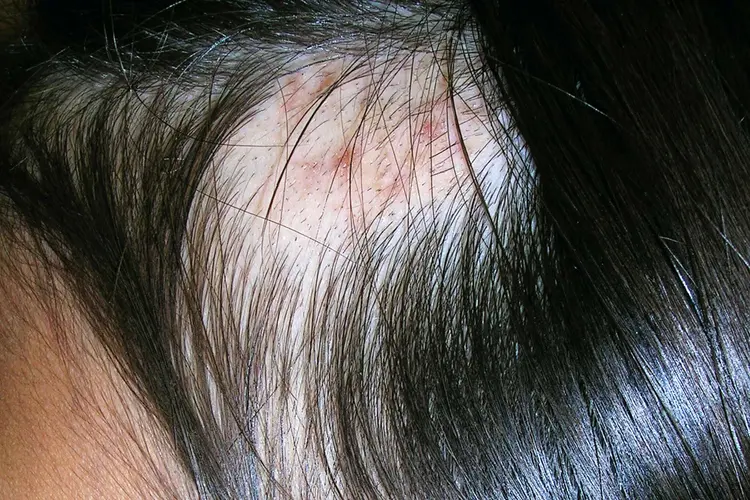
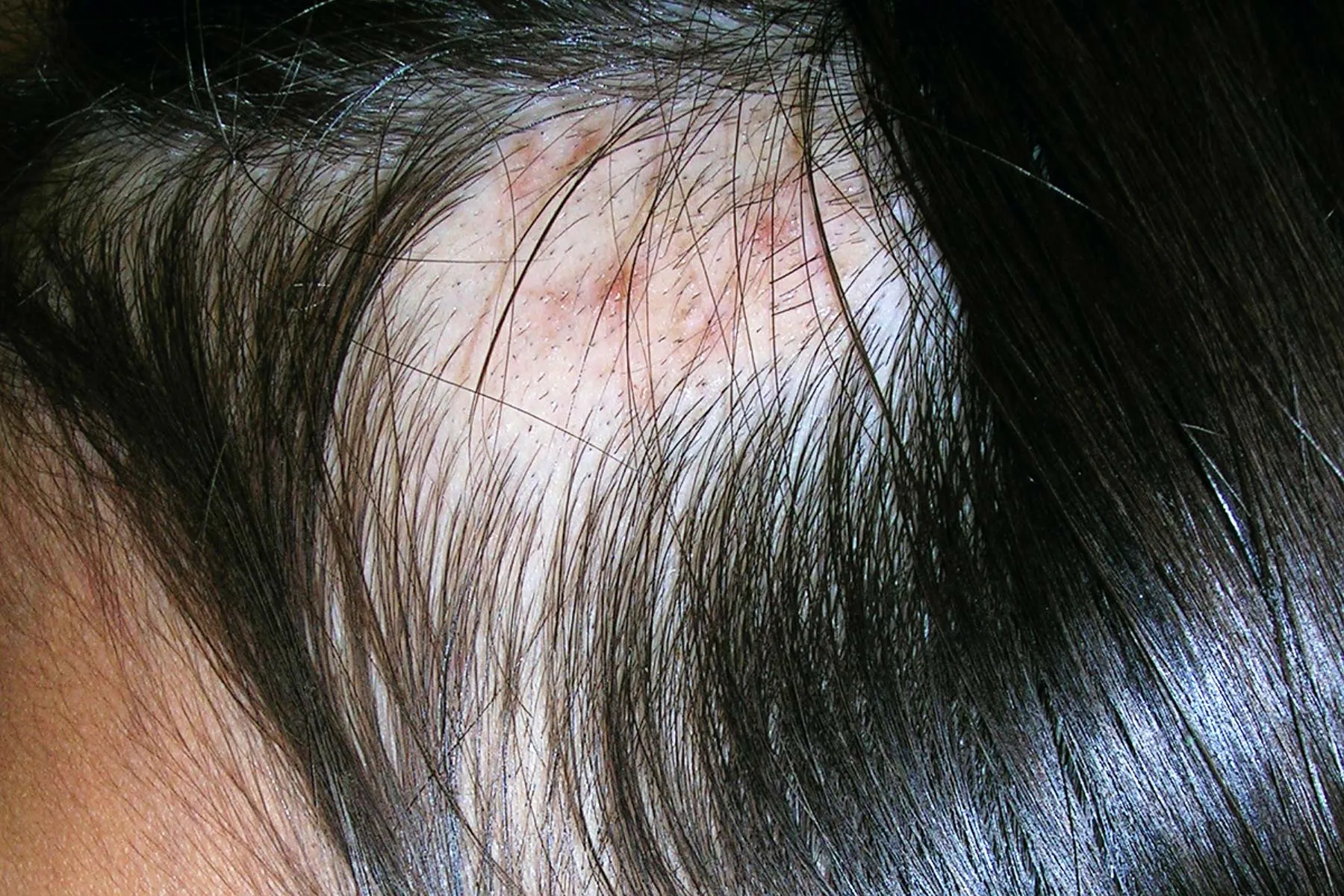
Heavy buildup can block hair follicles, leading to scalp pimples or even folliculitis—a painful infection of the hair root. This can cause patchy hair loss if not treated.
For Skin
- Chronic irritation: The barrier never recovers, causing redness and pain. This can lead to conditions like eczema or dermatitis.
- Hyperpigmentation: Damaged skin may develop dark spots. Repeated irritation, especially on darker skin, increases the risk of uneven pigment.
- Allergic reactions: Skin becomes more reactive to new products. Once sensitized, even gentle products can cause a reaction.
Hidden Effect: Premature Aging
Repeated inflammation and barrier damage can speed up the appearance of fine lines and wrinkles, making the skin look older before its time.
Case Studies: When Routines Go Wrong
Real-world examples make the dangers of overuse clear.
Case 1: The Over-washer
Jin, a college student, washed her face three times daily with a foaming cleanser. Within weeks, her skin became tight and red. She added heavier creams, but breakouts started. Reducing washing to twice a day and switching to a gentle cleanser fixed her skin in a month.
Jin learned that sometimes, “less is more,” especially for cleansing.
Case 2: The Hair Product Layering Trap
Mark used shampoo, conditioner, leave-in spray, and two styling products every day. His hair looked greasy by evening and felt heavy. After switching to shampooing every other day and reducing products, his hair regained bounce and shine. He also noticed less itching on his scalp and fewer flakes.
Case 3: The Exfoliation Mistake
Priya loved glowing skin and used a chemical exfoliant nightly. After two weeks, her cheeks burned and peeled. Her dermatologist explained she’d damaged her barrier. Stopping exfoliants and using a gentle moisturizer helped her skin heal over two months. Priya learned to exfoliate just once a week and saw better results over time.
Extra Example: Sunscreen Layering
Sara applied three different SPF products daily, believing more layers meant better protection. After a month, her skin became rough, and she developed tiny bumps on her cheeks. Switching to one well-formulated sunscreen and washing it off each night stopped the irritation.
Why Minimalist Routines Work Best
A simpler routine can be more effective than a complex one. Here’s why:
- Less risk of irritation: Fewer products mean fewer chances for bad reactions.
- Easier to identify problems: If something goes wrong, you can easily spot the cause.
- Saves money and time: You avoid buying unnecessary items.
- Reduces confusion: You’re not guessing which product helped or hurt.
The “skinimalism” Trend
Recently, many dermatologists recommend skinimalism—using only essential products. This approach helps your skin and hair return to a healthy, balanced state. It’s not about neglect but about focusing on what works and removing what’s not needed. For example, a basic skincare routine may include just a gentle cleanser, moisturizer, and sunscreen.
Non-obvious Benefit: Better Long-term Results
People who stick to minimalist routines often see more stable, predictable improvements. Their hair and skin are less likely to react to new products, and results last longer.
Credit: www.webmd.com
How To Build A Balanced Routine
Finding the right routine is about quality, not quantity. Here’s a step-by-step guide for safer, more effective care.
For Hair
- Cleanse less often: 2-3 times per week is enough for most people.
- Condition with care: Apply only to the ends, not the scalp.
- Limit styling products: Use only what you need, and clarify once a week to remove buildup.
- Protect from heat: Use heat tools sparingly and always with a protectant.
- Adjust seasonally: In winter, you may need a richer conditioner; in summer, less product is often better.
Example: Balanced Hair Routine
- Monday: Shampoo and condition (ends only).
- Wednesday: Rinse with water, apply a small amount of leave-in.
- Saturday: Clarify with a gentle shampoo, light condition.
- Daily: Use minimal styling product only if needed.
For Skin
- Gentle cleansing: Twice daily is enough.
- Exfoliate weekly: 1-2 times per week is safe for most skin types.
- Moisturize as needed: Adjust based on weather and skin feel.
- Use actives wisely: Introduce one at a time, and don’t mix strong ingredients.
- SPF every morning: Choose one sunscreen and reapply as needed.
Example: Balanced Skin Routine
- Morning: Cleanser, moisturizer, sunscreen.
- Evening: Cleanser, moisturizer.
- Exfoliate: Once a week, after cleansing.
Keep A Routine Diary
Write down what you use and how your skin or hair feels. Patterns become clear over time, helping you spot overuse early. Note down any changes—good or bad—when you try something new.
Non-obvious Tip
Take photos every week, not daily. Small changes are easier to see in weekly comparisons and help you avoid obsessing over day-to-day ups and downs.
Product Ingredient Watch: What To Look Out For
Some ingredients are helpful in small amounts but harmful with overuse.
Hair Product Red Flags
- Sulfates: Clean hair but strip natural oils. Frequent use can make hair brittle.
- Silicones: Make hair feel smooth but cause buildup. Look for “dimethicone” or “cyclopentasiloxane” on labels.
- Heavy waxes: Trap dirt and block follicles. Pomades and strong-hold gels often contain these.
Skin Product Red Flags
- Alcohols: Dry and irritate with frequent use. “Denatured alcohol” is especially harsh.
- Fragrances: Cause allergic reactions in sensitive skin. Even “natural” scents can be irritating.
- Strong acids: Effective but dangerous if overused. AHAs, BHAs, glycolic, and lactic acids are common.
Comparing Common Ingredients
Here’s a quick look at how some common ingredients compare by effect and risk of overuse.
| Ingredient | Main Benefit | Risk if Overused |
|---|---|---|
| Salicylic Acid | Clears acne | Peeling, dryness, redness |
| Coconut Oil | Moisturizes hair | Greasy buildup, clogged pores |
| Sulfates | Deep cleansing | Dryness, irritation |
| Retinol | Reduces wrinkles | Flaking, sensitivity |
| Essential Oils | Fragrance, calming | Allergic reactions, photosensitivity |
| Petrolatum | Moisture barrier | Breakouts, greasy feel |
The Cost Of Overuse: Hidden Expenses
Overusing hair and skin products isn’t just bad for your health. It also affects your budget and the environment.
Financial Costs
- More frequent purchases: Products run out faster, leading to higher spending. For example, using double the recommended amount means buying shampoo or serum twice as often.
- Emergency treatments: Medical care for allergic reactions or damage can be expensive. Dermatologist visits, prescription creams, or even hair treatments add up quickly.
- Wasted products: Buying many products “just in case” often means some expire before they’re used up.
Environmental Impact
- Waste: Unused products and excess packaging end up in landfills.
- Water pollution: Rinsing off chemicals harms aquatic life. Microplastics in scrubs and silicones are especially problematic.
- Carbon footprint: Transporting and producing extra products increases greenhouse gases.
Comparing Typical Beauty Routines
Let’s compare two routines: a minimalist vs. a maximalist approach.
| Routine | Number of Products | Monthly Cost (USD) | Plastic Waste (per month) |
|---|---|---|---|
| Minimalist | 3-4 | $25-$40 | 1-2 bottles |
| Maximalist | 8-12 | $70-$120 | 4-6 bottles |
Non-obvious Insight
Minimalist routines also reduce decision fatigue—less time spent choosing, buying, and worrying about what to try next.
How To Recover From Overuse
If you think you’ve overdone it, don’t panic. Most problems are reversible with patience and the right steps.
Hair Recovery Steps
- Stop all non-essential products: Use only a gentle shampoo and conditioner for a few weeks.
- Clarify: Use a clarifying shampoo once to remove buildup.
- Trim damaged ends: Helps fresh hair grow.
- Let hair air dry: Avoid heat tools during recovery.
- Scalp care: Gently massage the scalp with your fingers (not nails) to boost blood flow.
Skin Recovery Steps
- Go back to basics: Cleanser, moisturizer, and sunscreen only.
- Skip actives for 2-4 weeks: Give your skin time to heal.
- Hydrate: Drink water and use gentle, fragrance-free creams.
- Avoid makeup if possible: Letting skin breathe speeds up healing.
- Use cool compresses: For redness or irritation, a cool, damp cloth can calm skin.
When To See A Professional
If you notice severe reactions like swelling, blisters, or hair loss, see a dermatologist or trichologist immediately. Early help prevents lasting damage. Persistent symptoms that don’t improve after two weeks also warrant a professional opinion.
Non-obvious Tip
Take “after” photos as you recover. This helps track progress and reminds you not to rush back into old habits.
Common Myths About Hair And Skin Product Use
False ideas make overuse more likely. Here are myths to avoid.
1. “more Product Means Better Results.”
Truth: Most products are effective in small amounts. Using more can cause buildup and irritation. For example, a pea-sized amount of serum is usually enough for the whole face.
2. “if You Don’t See Results Fast, Increase Use.”
Truth: Most skin and hair improvements take weeks. Patience is key. Some ingredients, like retinol, need months to show full benefits.
3. “natural Products Are Always Safe.”
Truth: Even natural oils or extracts can clog pores or cause allergies if overused. For example, tea tree oil can burn skin if applied too often.
4. “expensive Means Safer.”
Truth: Price doesn’t guarantee safety. Always check ingredients and instructions. Many affordable brands use the same actives as luxury ones.
5. “you Need A Different Product For Every Problem.”
Truth: Many issues clear up when you use fewer products and let your hair or skin recover naturally. Sometimes, simplifying solves multiple problems at once.
6. “if One Product Works, More Will Be Even Better.”
Truth: Combining actives can backfire. For example, using vitamin C and acids together often leads to more irritation, not better results.
How To Read Labels And Instructions
Learning to read labels is a powerful way to avoid overuse.
Key Points To Check
- Active ingredients: Know what’s in your product and how strong it is. Higher percentages are not always better for sensitive skin.
- Frequency instructions: Follow “use once daily” or “weekly” guidance. Some products, like peels, are only meant for rare use.
- Warnings: Some products tell you to avoid mixing with others. For example, don’t use retinol and vitamin C at the same time unless instructed.
- Batch codes and expiration dates: Products lose strength or can spoil after opening.
Two Insights Most People Miss
- “Gentle” doesn’t mean unlimited use: Even mild products can harm if overapplied. For example, micellar water can dry skin if used too many times a day.
- Expiration dates matter: Old products break down and may irritate skin and hair. If the texture, color, or smell changes, throw it out.
Extra Tip
Keep a small notebook or take a photo of ingredient lists when shopping. This helps compare products and avoid duplicating actives in your routine.
Tips For Safe Hair And Skin Product Use
Stay safe and get results with these expert tips:
- Patch test new products: Try on a small area first.
- Introduce slowly: Add one product at a time and wait two weeks before adding another.
- Follow instructions exactly: Don’t increase frequency or amount without guidance.
- Listen to your body: If you feel burning, itching, or see redness, stop use immediately.
- Take breaks: Allow “no product days” for your skin and hair to recover naturally.
- Store products well: Keep away from heat and sunlight to maintain quality.
- Ask for samples: Try before you buy to avoid waste and overuse.
Non-obvious Insight
Seasonal changes can affect your routine. In winter, you may need more moisture; in summer, lighter products are best.
When To Switch Or Stop Products
Sometimes, it’s not about how much you use, but whether the product suits you.
Signs It’s Time To Change
- Persistent irritation: Don’t push through ongoing problems.
- No improvement after months: Consider alternatives or professional advice.
- Worsening symptoms: Stop use and simplify your routine.
- Unexpected reactions: Hives, swelling, or blisters need immediate attention.
How To Safely Transition
- Taper off actives: Reduce use gradually if stopping retinols or acids.
- Avoid abrupt swaps: Wait before starting a new product to avoid confusion over reactions.
- Consult professionals: If unsure, ask a dermatologist for a transition plan.
Credit: www.webmd.com
Cultural And Social Pressure To Overuse
Social media and advertising can make you feel you need a 10-step routine. But beauty standards are personal, and what works for someone else may not work for you. Comparing yourself to influencers or celebrities often leads to unnecessary purchases and overuse.
How To Resist Pressure
- Remember your goals: Focus on what your hair and skin need, not trends.
- Consult professionals: Seek advice from dermatologists, not just online reviews.
- Educate yourself: Reliable sources like the American Academy of Dermatology offer helpful information.
- Unfollow unhelpful accounts: Curate your feed to support healthy habits.
Non-obvious Tip
Ask friends or family about their routines. You’ll often find that the simplest routines get the best long-term results.
The Role Of Diet, Stress, And Lifestyle
Healthy hair and skin depend on more than products. Diet, sleep, stress, and environment all play major roles.
Holistic Self-care
- Eat a balanced diet: Vitamins and minerals support repair and growth. Foods like salmon, avocados, nuts, and leafy greens are especially helpful.
- Stay hydrated: Water helps skin and hair stay healthy. Aim for at least 6-8 glasses daily.
- Manage stress: Chronic stress triggers breakouts and scalp issues. Stress hormones can worsen oil production and inflammation.
- Get enough sleep: Nighttime is when your body repairs itself. Aim for 7–8 hours per night.
- Limit sun and pollution exposure: Environmental factors can undo your routine. Wear hats or scarves when possible.
Non-obvious Insight
Exercise boosts blood flow, which helps deliver nutrients to your skin and scalp.
How Professionals Can Help
If you’re unsure about your routine, professionals can offer guidance.
- Dermatologists: Diagnose and treat skin reactions.
- Trichologists: Specialize in hair and scalp health.
- Licensed estheticians: Offer safe treatments and product advice.
Seeing a professional is especially important if you have ongoing redness, pain, hair loss, or severe breakouts. They can create a personalized plan and help you avoid mistakes.
Non-obvious Benefit
Many professionals have sample products for you to try, which can prevent waste and overuse.
Frequently Asked Questions
What Are The First Signs Of Overusing Hair Or Skin Products?
Early signs include redness, dryness, oiliness, breakouts, or hair feeling heavy or lifeless. You may also notice irritation or itching on the scalp or face. These symptoms often appear before more serious problems develop. Pay attention to small changes—they’re often the first warning.
How Long Does It Take For Hair Or Skin To Recover From Overuse?
Recovery time depends on the damage. Mild cases can improve in a few days to weeks with a simple routine. Severe cases may take several months, especially if the skin barrier or hair shaft is deeply affected. Consistency and patience are key. Avoid rushing back to heavy routines.
Can I Use Natural Products As Much As I Want?
No. Natural products like coconut oil or tea tree oil can still cause buildup, clogged pores, or allergic reactions if overused. Always patch test and use in moderation, just like with synthetic products. “Natural” does not always mean gentle.
How Do I Know If A Product Is Too Strong For Me?
Watch for burning, peeling, persistent redness, or breakouts. If you notice these symptoms, reduce frequency or stop use. Start with lower concentrations for actives and introduce new products slowly. Trust your skin’s signals—don’t ignore discomfort.
Are Expensive Hair And Skin Products Safer To Use Frequently?
Not always. Price does not guarantee safety. Expensive products can still cause overuse problems if used too often or incorrectly. Always read labels, follow instructions, and listen to your body.
Taking care of your hair and skin should be about health and confidence, not chasing perfection. Understanding the risks of overuse, reading labels, and focusing on simple routines can help you avoid harm and enjoy lasting results. Trust your body’s signals, stay informed, and remember: sometimes, less truly is more.