

Hair loss is a deeply personal experience for many women, especially as they age. For women over 50, the cause often goes beyond simple aging. One common yet overlooked reason is thyroid disease. The thyroid is a small gland in your neck, but it plays a big role in your body’s functions. When it is not working well, your hair can thin or fall out. This article explains how thyroid issues can cause hair loss in women over 50, how you can test for problems, and what treatments really work. If you or someone you care about is worried about hair loss, understanding the link with thyroid health could be the key to finding answers and hope.
Understanding Thyroid Disorders And Their Impact
The thyroid makes hormones that control your metabolism, energy, and even the health of your skin and hair. When the thyroid is not working right, it can cause several problems. Two main types of thyroid disorders affect hair:
- Hypothyroidism (underactive thyroid): Your body does not make enough thyroid hormones. This can slow down many body functions, including hair growth.
- Hyperthyroidism (overactive thyroid): Your body makes too much thyroid hormone. This speeds up body processes and can also affect hair.
Both conditions can cause hair loss. Sometimes, hair becomes thin and dry. In other cases, you may notice hair falling out in patches. For women over 50, thyroid disorders become more common, often because of menopause and natural hormone changes.
How Thyroid Hormones Affect Hair
Healthy hair growth depends on a balance of hormones. The main thyroid hormones, T3 and T4, help control how quickly hair grows and falls out. If the balance is off, hair follicles may not work correctly. This can lead to:
- Slow hair growth
- Thinning hair
- Hair breaking easily
- Loss of hair across the scalp
Many women also notice changes in their eyebrows and eyelashes. Sometimes the outer edges of eyebrows thin out first. This is a classic sign of hypothyroidism.
It’s important to understand that thyroid hormones interact with other hormones in your body. For example, estrogen and progesterone, which also change during menopause, can influence how thyroid hormones affect your hair. If your thyroid is struggling, these hormone shifts can make hair loss worse.
Sometimes, even mild thyroid problems can lead to noticeable hair changes, especially if you already have thin or fragile hair.
Why Women Over 50 Are At Higher Risk
Women over 50 are more likely to have thyroid problems because:
- Menopause changes hormone levels, which can affect thyroid function
- Family history of thyroid disease increases risk
- Autoimmune conditions (like Hashimoto’s thyroiditis) are more common with age
Aging itself can make hair thinner, but thyroid issues often make the problem worse. Sometimes, women mistake thyroid-related hair loss for normal aging. That’s why testing is so important.
Many women in this age group also have multiple health changes at the same time. For example, blood pressure or cholesterol issues, or new medications, can affect hair. However, thyroid disease is unique because it can cause hair loss along with other body symptoms.
It’s also worth noting that thyroid disorders can sometimes run in families, so if your mother or sister had thyroid issues, your risk is higher.
Signs And Symptoms Of Thyroid-related Hair Loss
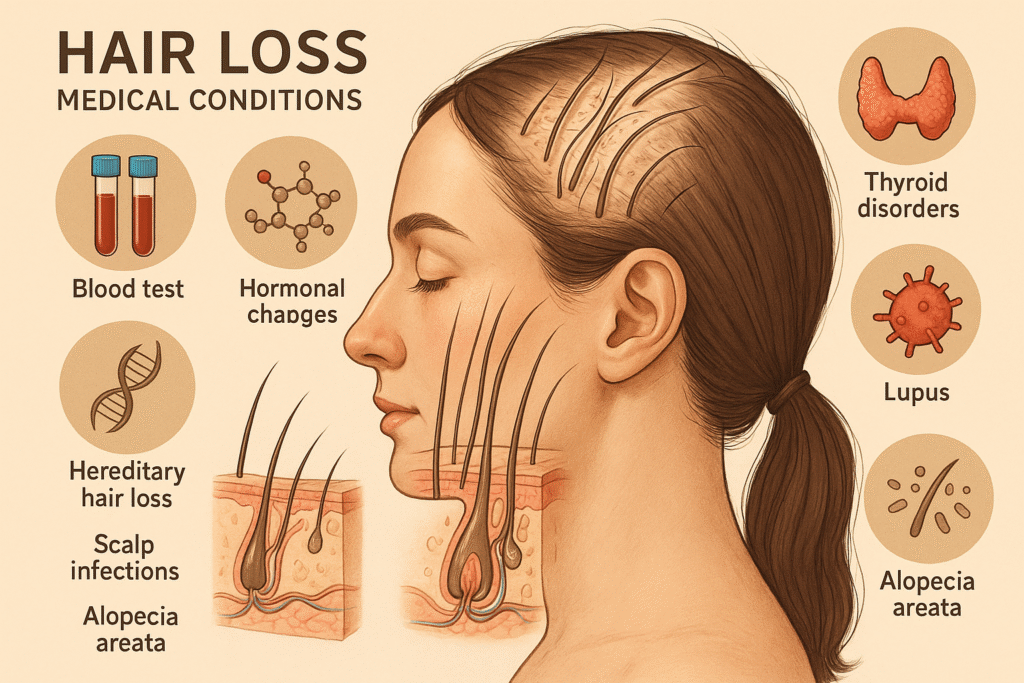
Hair loss linked to thyroid problems usually looks different from regular aging-related hair loss. Here are key signs to watch for:
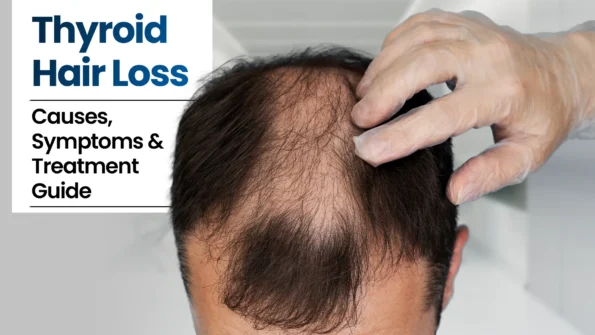
- Hair falls out across the whole scalp, not just one spot
- Hair becomes dry, brittle, or breaks easily
- Loss of eyebrow hair, especially the outer third
- Hair loss occurs suddenly, not gradually
- Hair regrowth is slow or does not happen
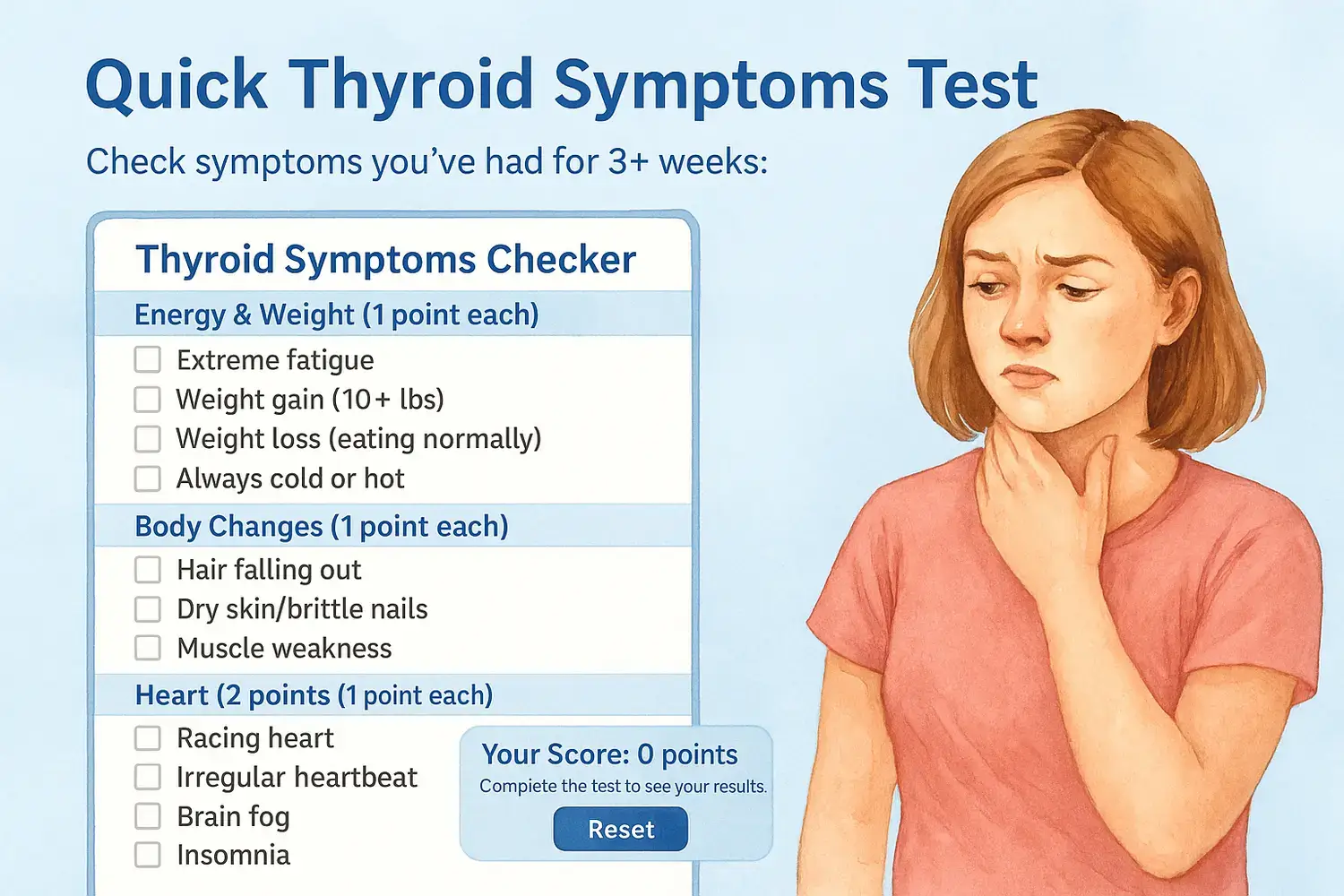
Besides hair changes, thyroid disorders often cause other symptoms:
- Feeling tired all the time
- Weight gain or loss
- Feeling cold or hot easily
- Dry skin
- Muscle weakness
- Changes in mood (like depression or anxiety)
If you notice hair loss along with these symptoms, your thyroid might be the cause.
Non-obvious Signs Many Women Miss
Many women do not realize these signs can be linked to thyroid health:
- Unexplained fatigue: Feeling tired can happen before hair loss starts.
- Changes in nail health: Nails may become brittle, split, or grow slowly.
- Subtle eyebrow thinning: Most people focus on scalp hair, but eyebrow changes are a strong clue.
Spotting these signs early can help you get tested sooner and prevent more hair loss.
Women often ignore small changes in nail or skin health, thinking they’re just part of getting older. But these subtle signs can give important clues about thyroid health. For example, some women also notice changes in the texture or color of their skin, such as dryness or paleness.
If you have several small symptoms at once, it’s a good idea to ask your doctor about thyroid testing.
Credit: hairgp.co.uk
Testing For Thyroid Problems
If you suspect your thyroid is causing hair loss, proper testing is crucial. Doctors use several tests to check thyroid health. Here’s what you need to know:
Thyroid Blood Tests
The most common tests measure hormone levels in your blood:
- TSH (Thyroid Stimulating Hormone): High TSH means your thyroid is underactive. Low TSH means it is overactive.
- Free T4: Shows how much thyroid hormone your body is making.
- Free T3: Less commonly tested, but important for some cases.
- Thyroid antibodies: Tests for autoimmune thyroid disease, like Hashimoto’s or Graves’ disease.
| Test Name | Normal Range | What It Means |
|---|---|---|
| TSH | 0.4–4.0 mIU/L | High = hypothyroidism, Low = hyperthyroidism |
| Free T4 | 0.8–2.0 ng/dL | Low = hypothyroidism, High = hyperthyroidism |
| Free T3 | 2.3–4.1 pg/mL | Low = hypothyroidism, High = hyperthyroidism |
| Thyroid Antibodies | Varies | Positive = autoimmune thyroid disease |
Blood tests are quick and usually only require a small sample. You may need to fast before the test, but your doctor will tell you if it’s necessary. Results are often ready within a few days, and doctors use them to decide which treatment is best.
Physical Exam And Medical History
Doctors may also check your neck for swelling, ask about family history, and review other symptoms. This helps them decide which tests are needed.
During the exam, your doctor may gently feel your neck to check for swelling or lumps. They’ll also ask about your symptoms, such as tiredness or changes in weight. Sharing details about your family’s thyroid history can help your doctor make a better diagnosis.
Imaging Tests
If blood tests show unusual results, your doctor may order imaging:
- Ultrasound: Checks for thyroid nodules or swelling.
- Radioactive iodine scan: Rarely used, but can show how the thyroid works.
These tests are not needed for everyone. Blood tests are usually enough to diagnose most thyroid problems.
Some people worry about imaging tests, but they are painless and can help find hidden problems, such as small nodules or growths. If you have a nodule, your doctor may check it for cancer, but most nodules are harmless.
Common Mistakes In Testing
- Relying on TSH alone: Some doctors only test TSH. However, checking T4 and T3 gives a fuller picture.
- Skipping antibody tests: Autoimmune thyroid disease is common in women over 50. Testing for antibodies can confirm the cause.
- Ignoring mild symptoms: Even mild hair loss or tiredness can mean thyroid trouble. Get tested even if symptoms seem small.
Doctors sometimes miss thyroid problems because symptoms are mild or overlap with other issues. If you feel your concerns are not being taken seriously, ask for a second opinion or more tests. Early diagnosis can prevent further hair loss and other health problems.
How Thyroid Disorders Cause Hair Loss
Understanding how thyroid issues lead to hair loss can help you get the right treatment. The process is complex, but here’s a clear explanation:
The Hair Growth Cycle
Hair grows in three main stages:
- Anagen (growth phase): Lasts 2–6 years. Most hair is in this phase.
- Catagen (transition phase): Lasts 2–3 weeks. Hair stops growing.
- Telogen (resting phase): Lasts 2–4 months. Hair falls out and new hair begins to grow.
Thyroid hormones help keep hair in the growth phase. When the thyroid is not working right, more hair shifts to the resting phase, leading to telogen effluvium (hair loss across the scalp).
This means that when your thyroid is not balanced, your hair may suddenly move from growing to falling out. It’s common for women to notice clumps of hair in the shower or on their pillow. Telogen effluvium is usually reversible, but the earlier you treat the thyroid, the better.
Hypothyroidism And Hair Loss
Low thyroid hormone levels slow metabolism. This affects hair in several ways:
- Hair grows slower and becomes thinner
- Hair follicles become weak, so hair falls out
- Less blood flow to the scalp, leading to dryness
Women with hypothyroidism often notice hair loss along with dry skin and feeling cold.
Another effect is that hair may change texture, feeling coarse or rough. This is because the scalp produces less oil when thyroid hormones are low. If you notice that your hair is harder to brush, or that it tangles more easily, this could be a sign of hypothyroidism.
Hyperthyroidism And Hair Loss
Too much thyroid hormone speeds up body processes. This can cause:
- Hair to shed quickly
- Hair to become fine and fragile
- Faster hair loss, but sometimes regrowth is possible
Women with hyperthyroidism may also feel hot, lose weight, or have a racing heartbeat.
Some women also experience sweating, nervousness, or shaky hands. These extra symptoms can help you spot hyperthyroidism early. Hair lost from hyperthyroidism usually grows back once the condition is treated, but in some cases, regrowth may take longer.
Autoimmune Thyroid Disease
Conditions like Hashimoto’s thyroiditis and Graves’ disease are caused by the immune system attacking the thyroid. This can lead to:
- Hair loss from scalp and eyebrows
- Patchy hair loss or thinning all over
- Other autoimmune symptoms (joint pain, tiredness)
Autoimmune conditions are more common in women over 50. The hair loss can be severe, but treating the thyroid often helps.
Some women may also notice rashes or changes in skin color, especially with autoimmune thyroid disease. If you have new joint pain or swelling, tell your doctor, as these signs can point to an autoimmune problem. The hair loss from autoimmune thyroid disease may be more sudden and dramatic than with other thyroid issues.
Treatment Options For Thyroid-related Hair Loss
Hair loss caused by thyroid problems is treatable. The right approach depends on the type of thyroid disorder. Here are the main treatment options:
Treating Hypothyroidism
The most common treatment is levothyroxine, a synthetic thyroid hormone. It replaces what your body is missing.
- Dosage depends on your blood test results
- Most women start to feel better within weeks
- Hair regrowth may take 3–6 months
Other tips for managing hypothyroidism:
- Eat a balanced diet with enough protein, iron, and zinc
- Avoid crash diets or extreme weight loss, which can worsen hair loss
- Manage stress, which can slow hair regrowth
It’s also important to take levothyroxine at the same time every day, usually in the morning. Avoid taking it with calcium or iron supplements, as they can affect absorption. If your dose is too low or too high, hair loss may continue, so regular blood tests are needed.
Treating Hyperthyroidism
Treating an overactive thyroid usually involves:
- Antithyroid medications (like methimazole): Reduce thyroid hormone production
- Beta blockers: Help manage symptoms like rapid heartbeat
- Radioactive iodine: Destroys part of the thyroid gland
- Surgery: Rarely needed, but may be an option
Hair regrowth depends on how quickly hormone levels return to normal. It can take several months.
If you have hyperthyroidism, your doctor may recommend avoiding caffeine, as it can make symptoms worse. Some women need more than one treatment, especially if medications do not fully control the thyroid. In rare cases, surgery is needed to remove part of the gland.
Treating Autoimmune Thyroid Disease
Autoimmune thyroid disease is managed by controlling hormone levels. Sometimes, additional treatments are needed:
- Steroids: Used rarely for severe symptoms
- Immunosuppressants: Not common, but used in some cases
Managing stress and eating a healthy diet can also help.
Regular follow-up is important with autoimmune thyroid disease. Your doctor may check your antibodies every few months to see if the condition is improving. Keeping a symptom diary can help you track progress and notice when hair starts to regrow.
Supporting Hair Regrowth
Once thyroid hormone levels are stable, hair often regrows. However, the process is slow. Here are steps to support hair health:
- Gentle hair care: Avoid harsh chemicals, heat styling, and tight hairstyles.
- Scalp massage: Increases blood flow and can support hair growth.
- Supplements: If you are low in iron, zinc, or biotin, supplements may help (check with your doctor first).
- Minoxidil: Some women use minoxidil (Rogaine) to speed up regrowth. It is safe for most people but check with your doctor.
Using conditioner after shampoo can help make hair easier to manage and reduce breakage. If you color your hair, choose gentle products and avoid frequent treatments. Simple changes, like using a wide-tooth comb, can make a big difference in reducing hair loss.
Non-obvious Treatment Insights
- Many women notice hair regrowth even before all other symptoms improve. This is a sign the treatment is working.
- Treating thyroid issues can also improve skin, nails, and energy, not just hair.
- Sometimes, hair regrowth starts at the edges or back of the scalp before the top.
Some women may see small “baby hairs” growing after a few weeks of treatment. These are signs that your hair follicles are waking up and starting to grow again. It’s helpful to take photos every month to track progress.
Lifestyle Changes To Support Thyroid And Hair Health
Medication is important, but lifestyle choices can also make a big difference.
Nutrition
Eating the right foods supports both thyroid and hair health:
- Protein: Needed for hair growth. Include eggs, fish, beans, and lean meat.
- Iron and zinc: Low levels can cause hair loss. Eat spinach, red meat, nuts, and seeds.
- Omega-3 fatty acids: Found in fish and flaxseed, help keep hair shiny and strong.
- Selenium: Supports thyroid function. Brazil nuts are a great source.
Avoid:
- Crash diets or extreme calorie cutting
- Too much soy or raw cruciferous vegetables (can affect thyroid function)
- High-sugar foods, which can lead to inflammation
If you follow a vegetarian or vegan diet, pay special attention to iron and zinc intake. Cooking foods lightly can help keep nutrients strong. Drinking enough water is also important for hair and skin health.
Stress Management
Stress can make thyroid problems and hair loss worse. Simple ways to manage stress:
- Yoga or gentle stretching
- Meditation or deep breathing
- Regular walks or light exercise
- Talking to friends or joining a support group
Some women find journaling helpful for managing stress. Others enjoy creative hobbies like painting or gardening. Find what works for you and make it part of your routine.
Sleep
Getting enough sleep helps your body recover and supports hormone balance. Aim for 7–9 hours per night.
Try to keep a regular sleep schedule, going to bed and waking up at the same time. Avoid screens before bedtime, as the light can disrupt your sleep hormones.
Hair Care Habits
- Use gentle shampoos and conditioners
- Avoid daily heat styling (like blow dryers or straighteners)
- Do not pull hair into tight ponytails or braids
- Try air drying your hair
If you swim in pools, rinse your hair after swimming to remove chlorine. Wearing a hat in strong sun can protect your hair from damage.
Comparing Diet And Lifestyle Impact
Here’s a comparison of common diet and lifestyle choices for thyroid and hair health:
| Factor | Positive Impact | Negative Impact |
|---|---|---|
| Protein intake | Supports hair growth | Low intake slows regrowth |
| Stress management | Reduces hair loss triggers | High stress worsens symptoms |
| Iron/Zinc levels | Prevents deficiency-related loss | Deficiency increases hair loss |
| Sleep | Supports hormone balance | Poor sleep disrupts hormones |
Practical Tips
- Keep a food diary to track nutrients
- Try a gentle exercise routine that fits your energy level
- Use a silk pillowcase to reduce hair breakage
Small changes can add up over time. For example, switching to a silk pillowcase can help reduce friction and prevent split ends.
Credit: hairfreehairgrow.com
When To See A Specialist
If you notice sudden, severe hair loss or other symptoms, seeing a specialist is wise. Here’s when you should get help:
- Hair loss is rapid or affects large patches
- You have other symptoms like fatigue, mood changes, or weight shifts
- Over-the-counter treatments do not help after three months
- You suspect autoimmune disease (family history, joint pain, skin changes)
Endocrinologists are experts in thyroid disorders. Dermatologists can help with hair and scalp problems. Working with both can give you the best results.
If you’re unsure which specialist to see, start with your primary care doctor. They can refer you to the right expert. Keep a record of your symptoms, including dates and changes, to help your doctor make a clear diagnosis.
Emotional Impact Of Hair Loss
Hair loss can affect confidence and emotional health. Many women feel embarrassed or sad, especially when hair loss is noticeable. Here are ways to cope:
- Talk to your doctor about your feelings
- Join a support group for women with thyroid disorders
- Try new hairstyles or head coverings if you feel self-conscious
- Remember, hair loss is often reversible with treatment
Some women find counseling helpful, especially if hair loss affects their self-esteem. Sharing your feelings with family or friends can provide extra support.
Real-life Example
Maria, age 54, noticed her hair thinning and felt tired all the time. She was embarrassed and avoided social events. After testing, she learned she had hypothyroidism. With medication and lifestyle changes, her hair began to regrow. Maria now shares her story with others, showing that treatment can bring hope.
Another example is Linda, age 58, who experienced patchy hair loss and joint pain. Her doctor diagnosed Hashimoto’s thyroiditis. With regular treatment and support from a local group, Linda saw both her hair and her energy improve.
Credit: careclinic.io
Comparing Thyroid-related Hair Loss With Other Causes
Not all hair loss is caused by thyroid disorders. Here’s how thyroid-related hair loss compares to other common causes:
| Cause | Pattern of Hair Loss | Other Symptoms | Reversibility |
|---|---|---|---|
| Thyroid disorders | Diffuse thinning, eyebrows | Tiredness, weight changes | Yes, with treatment |
| Androgenetic alopecia | Gradual thinning, top of scalp | None | Partially reversible |
| Stress (telogen effluvium) | Sudden, diffuse thinning | May have stress symptoms | Usually reversible |
| Nutritional deficiency | Diffuse thinning | Weak nails, tiredness | Reversible with diet |
Thyroid-related hair loss often has unique signs, like eyebrow thinning and other body symptoms. Testing is the only way to know for sure.
If you have hair loss but no other symptoms, it could be due to aging, genetics, or stress. If you have additional symptoms, thyroid disease is more likely. Always ask your doctor for blood tests if you are unsure.
Latest Research And Future Treatments
Research continues to improve how thyroid-related hair loss is treated. Here are some exciting new findings:
- Studies show that restoring thyroid hormone levels can reverse hair loss in most women
- New medications are being tested for autoimmune thyroid disease
- Research on stem cell therapy and platelet-rich plasma (PRP) shows promise for speeding up hair regrowth
One study found that women with hypothyroidism who received proper treatment saw hair regrowth in 80% of cases within six months. Another study is exploring how gut health affects thyroid function and hair growth.
Scientists are also looking at how vitamin D and probiotics might help support thyroid and hair health. Early results suggest that improving gut health can help balance hormones and reduce hair loss.
If you want to learn more about thyroid research, visit this research database.
Frequently Asked Questions
What Are The First Signs Of Thyroid-related Hair Loss?
The most common first signs are diffuse thinning across the scalp and loss of eyebrow hair, especially on the outer edges. Many women also notice their hair becomes dry and brittle before it starts to fall out.
Can Thyroid Medication Completely Reverse Hair Loss?
Yes, in most cases, proper thyroid medication can reverse hair loss. However, it can take several months for hair to regrow fully. Some women may need additional support, like supplements or minoxidil, for best results.
Is Hair Loss From Thyroid Problems Permanent?
No, thyroid-related hair loss is usually not permanent. Once hormone levels are balanced and the thyroid is treated, hair often regrows. It is important to start treatment early for the best chance of full recovery.
How Can I Tell If My Hair Loss Is Caused By Thyroid Issues Or Something Else?
Look for other symptoms such as fatigue, weight changes, mood shifts, and eyebrow thinning. If you notice these along with hair loss, your thyroid may be the cause. Blood tests are the only way to know for sure.
Are There Natural Ways To Support Thyroid And Hair Health?
Yes, eating a balanced diet rich in protein, iron, and zinc, managing stress, and gentle hair care can support both thyroid and hair health. However, medication is often needed to correct thyroid hormone levels.
Hair loss can be upsetting, but understanding the thyroid connection gives you the power to find solutions. Women over 50 have unique risks, but with testing, treatment, and lifestyle changes, most can see hair regrowth and feel confident again. If you’re struggling, talk to your doctor, get tested, and take steps to support your health.
With patience and the right approach, better days are ahead.