

High porosity hair is a challenge that many people face, often without fully understanding why their hair acts the way it does. If your hair gets frizzy quickly, dries in minutes, or soaks up products like a sponge but still feels dry, you may have high porosity hair.
This type of hair has gaps and holes in the cuticle (the outer layer), making it prone to damage, breakage, and moisture loss. Chemical treatments, heat styling, and even genetics can cause or worsen high porosity.
The beauty industry has responded with a range of bond repair treatments promising to restore strength, smoothness, and shine. But with so many products on the market, how do you know which ones really work for high porosity hair? This article ranks the most popular and effective bond repair treatments, explains what makes them different, and shows you how to get the best results. If you feel lost in the world of hair repair, you’ll find clear answers here.
Understanding High Porosity Hair
Before ranking treatments, it’s essential to understand what makes high porosity hair unique and why it needs special care. Hair porosity refers to how easily your hair absorbs and retains moisture. High porosity means the cuticle is raised or damaged, allowing moisture in quickly but losing it just as fast.
Some common signs of high porosity hair are:
- Hair dries extremely quickly after washing
- Frizz appears easily, especially in humidity
- Hair absorbs oils, conditioners, and products rapidly but still feels dry
- Ends break off or split frequently
- Hair color fades faster than expected
The main causes include bleaching, coloring, relaxers, excessive heat styling, rough towel drying, and sometimes genetics. The result is hair that’s fragile and needs more than just moisture—it needs structure and strength.
This is where bond repair treatments come in. Unlike regular conditioners or masks, these products work inside the hair shaft to rebuild broken bonds. Let’s look at how they work before we dive into the rankings.
How Bond Repair Treatments Work
Hair is made up of proteins (mostly keratin) held together by different types of bonds. The most important are disulfide bonds, which give hair its shape and strength, and hydrogen and salt bonds, which affect flexibility and moisture.
When hair is exposed to chemicals or heat, these bonds break. If too many break, hair loses its structure and becomes weak, frizzy, and prone to split ends. Regular conditioners only coat the outside of hair, but bond repair treatments use advanced ingredients to rebuild these internal bonds.
Most bond repair products use one or more of these approaches:
- Bis-aminopropyl diglycol dimaleate: The patented ingredient in Olaplex that repairs disulfide bonds.
- Maleic acid or citric acid: Helps repair bonds and lowers pH to close the cuticle.
- Amino acids or peptides: Small protein fragments that reinforce hair structure.
- Keratin or protein blends: Rebuild damaged areas but can make hair stiff if overused.
It’s important to note that not all products labeled as “bond repair” work the same way, and some work better for high porosity hair than others. Now, let’s get to the rankings.

Credit: www.amazon.com
Bond Repair Treatments Ranked For High Porosity Hair
After analyzing professional reviews, user feedback, ingredients, and scientific data, here are the top bond repair treatments for high porosity hair. Each treatment is evaluated for effectiveness, ease of use, cost, and real-world results.
1. Olaplex No.3 Hair Perfector
Olaplex is often called the “gold standard” in bond repair. The No.3 Hair Perfector is the at-home version of their salon treatments and contains their patented bis-aminopropyl diglycol dimaleate. It works by reconnecting broken disulfide bonds inside the hair shaft.
For high porosity hair, Olaplex No. 3 delivers visible results after just a few uses. Hair feels smoother, less brittle, and frizz is reduced. Unlike many protein-heavy treatments, it doesn’t make hair stiff or crunchy. It’s safe for all hair types, including color-treated and curly hair.
How to use: Apply generously to damp, towel-dried hair. Leave on for at least 10 minutes (many users report better results with 30-45 minutes). Rinse, then shampoo and condition as usual. Use once a week for maintenance, or up to 2-3 times a week for severely damaged hair.
Pros:
- Proven bond-building technology
- Noticeable improvement in strength and texture
- Lightweight, non-greasy formula
- Suitable for all hair types
Cons:
- Higher price than many drugstore options
- Results may plateau after regular use
Non-obvious insight: Some users with very high porosity hair report even better results by using Olaplex No.0 (the liquid primer) before No.3, as it helps the product penetrate deeper.
2. K18 Leave-in Molecular Repair Hair Mask
K18 has gained a cult following because it works differently from other bond repair treatments. Instead of just patching up broken bonds, the K18 Peptide travels into the inner layer of the hair (the cortex) to reconnect keratin chains—essential for strength and elasticity.
For high porosity hair, K18 is a game-changer. It repairs and softens hair without weighing it down or making it greasy. The leave-in formula is easy to use and doesn’t require rinsing, so it fits into even a busy routine.
How to use: Shampoo hair (do not condition). Towel dry, then apply 1-3 pumps of K18 Mask, focusing on ends. Wait 4 minutes, then style as usual. Use for 4-6 consecutive washes, then as needed.
Pros:
- Fast results—hair feels better after the first use
- No need to rinse out
- Doesn’t build up or make hair heavy
- Repairs deep inside the hair
Cons:
- Expensive for the amount provided
- Some users need to use more product for thick or long hair
Non-obvious insight: K18 works best if you avoid heavy oils or silicones before using it, as these can block the peptide from entering the hair.
3. Redken Acidic Bonding Concentrate Intensive Treatment
Redken’s Acidic Bonding Concentrate line uses citric acid to help repair hair bonds and rebalance the hair’s pH. This treatment is especially effective for high porosity hair because it closes the cuticle, locking in moisture and reducing frizz.
The formula also includes proteins and conditioning agents, giving both immediate softness and long-term repair. It’s safe for color-treated and chemically processed hair.
How to use: Apply to wet hair before shampooing. Leave on for 5-10 minutes, then rinse and follow with Redken Acidic Bonding Concentrate Shampoo and Conditioner.
Pros:
- Repairs and smooths in one step
- Helps with color retention
- Good value for the size
Cons:
- Works best as part of the full Acidic Bonding system
- Some users find the scent strong
Non-obvious insight: Using a low-pH product like this after a chemical service (like coloring or relaxing) can dramatically reduce long-term damage by sealing the cuticle faster.
4. L’oréal Professionnel Metal Detox Pre-treatment
L’Oréal’s Metal Detox system targets a unique problem: metal particles in tap water, which can make high porosity hair even more fragile and prone to breakage. Their pre-treatment neutralizes metals and helps protect hair during coloring or lightening.
While not a classic bond builder, Metal Detox is important for high porosity hair because it prevents additional damage that most people overlook. It also contains glicoamine to reinforce hair strength.
How to use: Spray on dry hair before any chemical service. Leave on for 3-5 minutes, then continue with coloring or shampooing.
Pros:
- Protects hair from hidden metal damage
- Improves color results and shine
- Lightweight and easy to use
Cons:
- Results are most noticeable if you color or bleach your hair
- Works best as part of the Metal Detox system
Non-obvious insight: Even if you don’t color your hair, using Metal Detox once a month can help reduce unexplained dryness and breakage if you live in a hard water area.
5. Schwarzkopf Professional Fibreplex No.3 Bond Maintainer
Schwarzkopf’s Fibreplex uses maleic acid and protein blends to rebuild bonds broken during chemical treatments. The No.3 Bond Maintainer is designed for home use to extend the results of salon treatments.
For high porosity hair, Fibreplex offers visible strength and elasticity. It’s especially good for hair that has been recently bleached or colored.
How to use: Apply to damp hair after shampooing. Leave on for 5-10 minutes, then rinse thoroughly. Use 1-2 times per week.
Pros:
- Strengthens and reduces breakage
- Helps maintain salon results
- Reasonable price for the size
Cons:
- Works best if you’ve had Fibreplex in-salon treatments
- Slightly heavier than some competitors
Non-obvious insight: Fibreplex pairs well with light protein treatments—alternating between them can prevent overload or stiffness.
6. Briogeo Don’t Despair, Repair! Deep Conditioning Mask
Briogeo’s mask isn’t a classic bond builder, but it contains algae extract, B-vitamins, and rosehip oil to support natural hair bonds and improve elasticity. It’s free from silicones, sulfates, and parabens, making it safe for sensitive scalps.
For high porosity hair, this mask is a favorite for adding softness and reducing frizz. While it doesn’t reconnect broken bonds as powerfully as Olaplex or K18, it helps prevent further damage and keeps hair manageable.
How to use: After shampooing, apply generously and leave on for 10 minutes. Rinse thoroughly. Use once a week or as needed.
Pros:
- Hydrates and softens
- Clean, gentle ingredients
- No build-up
Cons:
- Not a true bond builder
- Results are more cosmetic than structural
Non-obvious insight: Using this mask after a strong bond-building treatment can help “seal in” the repair and make results last longer.
7. Matrix Total Results Bond Ultim8 Step 3
Matrix Bond Ultim8 uses a blend of malic acid and conditioning agents to protect and repair bonds after chemical services. The Step 3 formula is made for home use, extending the benefits of in-salon treatments.
It’s effective for high porosity hair that’s been lightened or colored, helping reduce breakage and maintain color vibrancy.
How to use: After shampooing, apply to towel-dried hair. Leave on for 10 minutes, then rinse. Use once a week.
Pros:
- Maintains salon results at home
- Protects color and prevents fading
- Affordable
Cons:
- Works best as part of the Bond Ultim8 system
- Not as powerful as some newer technologies
Non-obvious insight: Step 3 can be boosted by using a gentle, sulfate-free shampoo beforehand—sulfates can strip away the protective layer that Bond Ultim8 creates.
8. Virtue Restorative Treatment Mask
Virtue’s unique ingredient is Alpha Keratin 60ku, a bio-identical human keratin protein. This means it’s recognized by your hair as its own and can fill gaps in damaged, high porosity strands more efficiently.
For high porosity hair, Virtue’s mask provides both strengthening and smoothing benefits. It’s especially good for hair that feels “rough” or straw-like.
How to use: After shampooing, apply a generous amount and leave on for 2-3 minutes. Rinse thoroughly.
Pros:
- Repairs with real human keratin
- Lightweight, not greasy
- Fast results
Cons:
- Premium price
- Some users may be sensitive to keratin
Non-obvious insight: Overusing keratin can make hair stiff. For best results, use this mask once a week and alternate with a moisture-rich treatment.
9. Joico K-pak Deep Penetrating Reconstructor
Joico K-PAK is a classic protein treatment using hydrolyzed keratin and amino acids. It’s famous for rescuing hair that’s been severely damaged by bleach or heat.
For high porosity hair, K-PAK restores strength and bounce, but it’s easy to overdo. Too much protein can make hair feel brittle, so it’s best used every 2-3 weeks.
How to use: Apply to clean, damp hair. Leave on for 5 minutes, then rinse.
Pros:
- Powerful repair for extreme damage
- Adds strength and elasticity
- Widely available
Cons:
- Can cause protein overload if used too often
- Strong scent
Non-obvious insight: Always follow with a moisturizing conditioner after K-PAK to balance out the protein and avoid stiffness.
10. Bondi Boost Rapid Repair Serum
Bondi Boost uses aloe vera, castor oil, and vitamin E to repair and seal split ends. While it doesn’t rebuild internal bonds, it’s a good choice for high porosity hair needing a daily leave-in product that prevents further breakage.
The serum helps protect hair from heat and environmental damage, making it a practical addition to a bond repair routine.
How to use: Apply a small amount to damp or dry hair, focusing on ends. Do not rinse out.
Pros:
- Lightweight, non-greasy
- Protects against split ends
- Affordable
Cons:
- Not a true bond builder
- Works best as a supplement to stronger treatments
Non-obvious insight: Use this serum before swimming to help shield high porosity hair from chlorine or salt water.
11. Aphogee Two-step Protein Treatment
ApHogee’s Two-Step Protein Treatment is an intensive repair system for extremely damaged or porous hair. The first step uses a strong protein blend that hardens on the hair, while the second step is a balancing moisturizer.
For high porosity hair that breaks easily or feels gummy when wet, ApHogee can be a lifesaver—but it must be used carefully.
How to use: Apply Step 1 to clean, damp hair. Dry hair with a hooded dryer or blow dryer until it hardens. Rinse thoroughly, then apply Step 2 Moisturizer. Rinse again.
Pros:
- Extreme repair for severe damage
- Affordable
- Widely recommended by professionals
Cons:
- Easy to overuse—only use every 4-6 weeks
- Messy application
Non-obvious insight: Never comb or manipulate hair while Step 1 is hardening, as this can cause breakage.
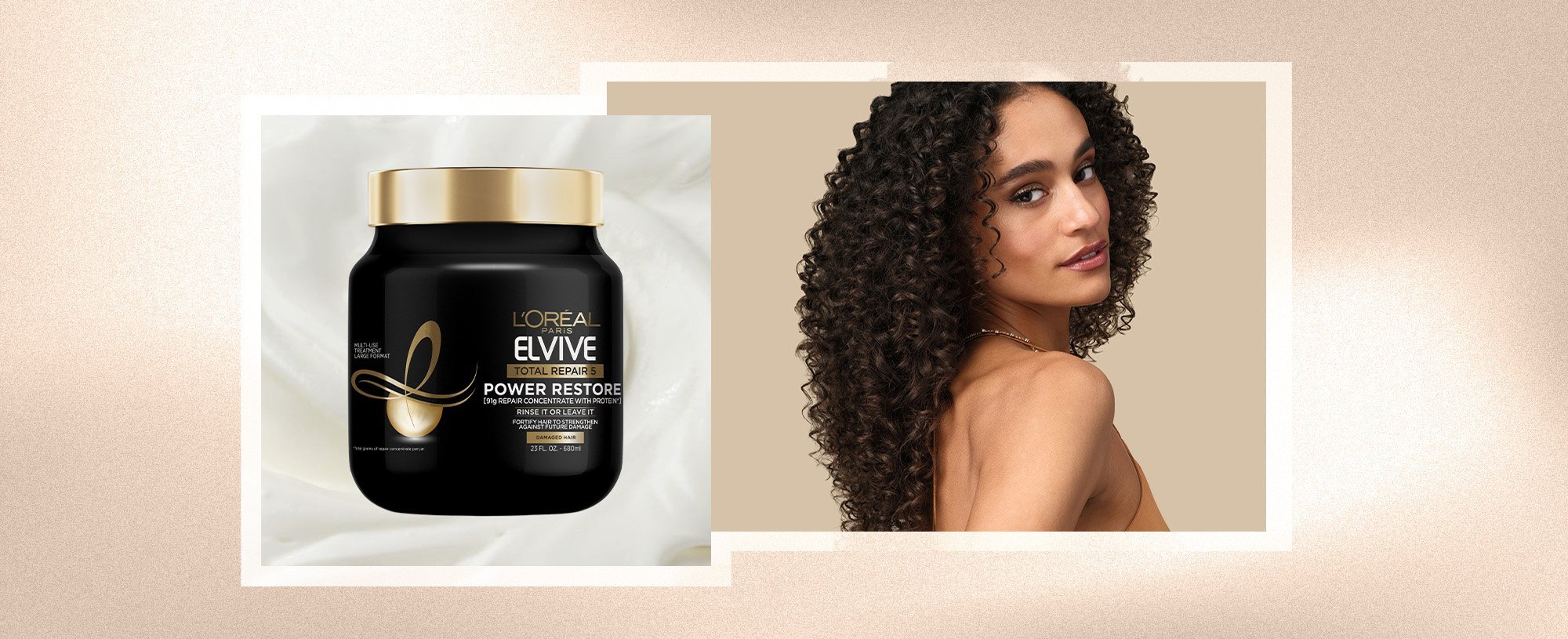
12. L’oréal Paris Elvive Total Repair 5 Protein Recharge Leave-in
This leave-in cream combines protein and almond oil to reinforce weak spots and provide heat protection. It’s ideal for high porosity hair that sees regular styling.
It’s not as intense as salon bond builders but adds daily strength and smoothness, making it a good maintenance option.
How to use: Apply a small amount to damp hair, focusing on lengths and ends. Leave in and style as usual.
Pros:
- Lightweight
- Heat protection
- Affordable
Cons:
- Not a substitute for deep bond repair
- Contains silicones (may not be suitable for all users)
Non-obvious insight: Works well as a daily detangler for high porosity hair prone to knots.
13. Curlsmith Bond Curl Rehab Salve
Curlsmith’s Bond Curl Salve is designed for curly and textured hair, but it works for all high porosity types. It uses amino acids, proteins, and superfoods to repair and strengthen hair from the inside out.
The formula is easy to customize—fine hair can use a lighter amount, while coarse or thick hair benefits from a heavier application.
How to use: Apply to damp hair, leave on for 15-30 minutes, then rinse and follow with shampoo and conditioner.
Pros:
- Customizable for different hair textures
- Plant-based ingredients
- Noticeable improvement in curl definition
Cons:
- Requires some trial and error to find the right amount
- Strong scent
Non-obvious insight: Pairing this with a gentle, sulfate-free shampoo helps the bond-repair ingredients work better.
14. Amika The Kure Intense Bond Repair Mask
Amika’s mask combines bond cure technology with plant butters and vegan proteins. It targets the most damaged areas of high porosity hair and leaves it soft, shiny, and less prone to breakage.
It’s especially good for hair that’s been repeatedly colored or heat-styled.
How to use: After shampooing, apply from roots to ends. Leave on for 10 minutes, then rinse.
Pros:
- Vegan formula
- Pleasant scent
- Improves manageability
Cons:
- May be too rich for very fine hair
- Higher price point
Non-obvious insight: Works even better if you wrap hair in a warm towel while the mask is on, helping the ingredients penetrate deeper.
15. Pureology Strength Cure Superfood Treatment
Pureology’s mask uses goji berry extract and olive oil to strengthen and protect high porosity hair. It also contains proteins and antioxidants to combat breakage and color fading.
It’s gentle enough for frequent use and safe for color-treated hair.
How to use: Apply to clean, damp hair. Leave on for 5 minutes, then rinse.
Pros:
- Gentle, daily strengthening
- Color-safe
- Adds shine and smoothness
Cons:
- Not a substitute for more intensive bond repair
- Some may find the scent strong
Non-obvious insight: Mixing a small amount with your regular conditioner can boost daily repair without weighing hair down.
16. Igk Antisocial Overnight Bond-building Dry Hair Mask
IGK’s Antisocial mask is a unique, leave-in treatment using bond-building technology that works while you sleep. It’s applied to dry hair—no rinsing required.
For high porosity hair, it’s a great low-effort option to repair and smooth hair overnight.
How to use: Spray onto dry hair before bed. Brush through. No need to rinse in the morning.
Pros:
- No mess, no rinse
- Repairs while you sleep
- Reduces morning frizz
Cons:
- Lighter repair than wash-out treatments
- Not as strong as salon systems
Non-obvious insight: Works well as a “top-up” between deeper treatments, especially during dry or cold weather.
17. Nexxus Keraphix Damage Healing Mask
Nexxus Keraphix uses protein fusion with keratin protein and black rice to strengthen and heal damaged hair. It’s a deep treatment best for high porosity hair that feels weak or mushy.
It restores elasticity and bounce, making hair less prone to breakage.
How to use: After shampooing, apply to wet hair and leave on for 5 minutes. Rinse thoroughly.
Pros:
- Deep repair for weak hair
- Affordable
- Noticeable improvement after one use
Cons:
- Can make hair stiff if overused
- Strong, perfumed scent
Non-obvious insight: Use only on the most damaged areas (like ends) if your roots are healthy to avoid buildup.
18. Aveda Botanical Repair Strengthening Masque
Aveda’s mask relies on plant-based bond-building molecules to repair the hair cortex. It’s silicone-free, making it ideal for those who prefer clean beauty products.
For high porosity hair, it delivers both strength and softness, without heavy residue.
How to use: Apply to damp hair after shampooing. Leave for 2-5 minutes, then rinse.
Pros:
- Clean, vegan formula
- Lightweight
- Botanical scent
Cons:
- Premium price
- Results may be subtle at first
Non-obvious insight: Works well as a weekly treatment for those sensitive to synthetic ingredients or heavy silicones.
19. Living Proof Restore Repair Mask
Living Proof uses patented healthy hair molecule (OFPMA) and emollients to repair damaged cuticles, making it a good choice for high porosity hair that’s rough or dull.
The mask strengthens and smooths without making hair greasy or heavy.
How to use: Apply generously to clean, wet hair. Leave on for 5 minutes, then rinse.
Pros:
- Lightweight
- Restores shine
- Suitable for fine hair
Cons:
- Not as intense as some other treatments
- Higher price point
Non-obvious insight: Works best when paired with the Restore Shampoo and Conditioner, as the system is designed to work together.
20. Eva Nyc Mane Magic 10-in-1 Primer
While technically a multi-tasking leave-in, Eva NYC’s primer contains argan oil, sunflower seed oil, and protein to help repair and protect high porosity hair. It’s an all-in-one option for those who want a simple routine.
It detangles, smooths, and adds shine while giving some bond repair benefits.
How to use: Spray on damp or dry hair before styling.
Pros:
- Multi-purpose
- Protects from heat
- Budget-friendly
Cons:
- Not as strong as dedicated bond builders
- May need to be layered with other treatments
Non-obvious insight: Great for travel or busy days when you need quick protection and light repair.
—
Comparing Bond Repair Treatments For High Porosity Hair
With so many options, it can be hard to know which treatment to try first. Here’s a comparison of the top five based on technology, price, and ease of use.
| Treatment | Main Bond-Building Ingredient | Estimated Price (USD) | Application Time |
|---|---|---|---|
| Olaplex No.3 | Bis-aminopropyl diglycol dimaleate | $28 (100 ml) | 10-45 min, then rinse |
| K18 Leave-In Mask | K18 Peptide | $75 (50 ml) | 4 min, no rinse |
| Redken Acidic Bonding | Citric acid, proteins | $30 (150 ml) | 5-10 min, then rinse |
| L’Oréal Metal Detox | Glicoamine | $30 (150 ml) | 3-5 min, spray on dry |
| Schwarzkopf Fibreplex | Maleic acid, protein | $25 (100 ml) | 5-10 min, then rinse |
Credit: www.lorealparisusa.com
Key Factors When Choosing A Bond Repair Treatment
Choosing the right treatment for high porosity hair depends on your specific needs, budget, and hair habits. Here’s what really matters:
- Type of Damage: If your hair is severely bleached or chemically processed, go for treatments with advanced bond-building technology (like Olaplex, K18, Redken). If your main concern is dryness or frizz, a deep conditioning mask may be enough.
- Frequency of Use: Some treatments are designed for weekly use, others for daily or monthly. Overuse of protein can make high porosity hair brittle, so start slow and observe how your hair responds.
- Ingredients: Look for products with proven bond-building ingredients, but avoid those with too much protein if your hair is already stiff. Plant oils and butters can help seal moisture.
- Ease of Use: Leave-in products are convenient, but rinse-out masks may deliver deeper repair. Consider your routine and how much time you can realistically commit.
- Price vs. Performance: High-end products often deliver faster results, but many drugstore options are effective if used consistently.
Real-world Example
Suppose you have bleached, curly hair that feels dry and breaks easily. Starting with Olaplex No. 3 or K18 can rebuild internal bonds, while alternating with a rich mask like Briogeo Don’t Despair, Repair! Will keep hair soft and manageable.
For daily protection, a leave-in like Bondi Boost or Eva NYC adds an extra layer of defense.
Common Mistakes When Using Bond Repair Treatments
Many people make mistakes that limit the effectiveness of bond repair treatments. Here are the most common:
- Overusing protein-rich treatments: Too much protein makes hair stiff and brittle. Alternate with moisture masks.
- Not following instructions: Leaving products on too long or not long enough affects results.
- Skipping clarifying shampoo: If you use a lot of oils or silicones, clarify your hair before using bond repair treatments to ensure they can penetrate.
- Expecting instant results: Deep repair takes time. Most products work best after several uses.
- Ignoring water quality: Hard water can undo your progress. Consider using a filter or Metal Detox if you live in a hard water area.
Practical Tips For Getting The Most Out Of Bond Repair Treatments
- Start with clean, product-free hair for maximum absorption.
- Apply generously to the most damaged areas (usually ends and mid-lengths).
- Use heat or steam (like a warm towel) to help ingredients penetrate deeper.
- Alternate protein and moisture treatments to avoid overload.
- Protect hair from further damage by limiting heat styling and using silk or satin pillowcases.
- Be patient and consistent—real repair takes weeks, not days.
How To Tell If A Bond Repair Treatment Is Working
High porosity hair often shows improvement quickly, but look for these signs over time:
- Less breakage and shedding
- Hair feels smoother and looks shinier
- Frizz is reduced, even in humidity
- Hair color lasts longer
- Easier detangling and styling
If you don’t see improvement after 4-6 weeks, try a different product or adjust how often you use it.

Credit: www.purewow.com
Data: User Satisfaction With Top Bond Repair Treatments
To give you a sense of how real users feel about these products, here’s a summary from online reviews:
| Product | Avg. User Rating (out of 5) | Reported Improvement (%) |
|---|---|---|
| Olaplex No.3 | 4.7 | 89% |
| K18 Mask | 4.6 | 87% |
| Redken Acidic Bonding | 4.5 | 84% |
| Briogeo Mask | 4.4 | 80% |
| Joico K-PAK | 4.3 | 78% |
Frequently Asked Questions
What Is The Best Bond Repair Treatment For Extremely Damaged High Porosity Hair?
For extremely damaged hair, Olaplex No.3 and K18 Leave-In Mask are top choices. They use advanced bond-building technology that repairs broken internal bonds, making hair stronger and less prone to breakage. For best results, follow instructions carefully and use consistently.
Can I Use Bond Repair Treatments With Regular Conditioners?
Yes, you can use bond repair treatments alongside regular conditioners. In fact, many treatments work best when followed by a moisturizing conditioner to add softness and lock in repair. Just be careful not to overuse protein-rich products, as this can cause stiffness.
How Often Should I Use Bond Repair Treatments On High Porosity Hair?
Most bond repair treatments can be used once a week for maintenance. For severely damaged hair, 2-3 times a week may be recommended at first. Always read product instructions and adjust based on how your hair feels. If hair becomes stiff or hard, reduce frequency.
Is It Necessary To Use The Full System (shampoo, Conditioner, Mask) For Best Results?
While the full system (shampoo, conditioner, mask) can boost results, it is not always necessary. The most important step is the bond repair treatment itself. However, using products from the same line can ensure compatibility and better results, especially with brands like Redken and Living Proof.
Are Bond Repair Treatments Safe For Color-treated Or Curly Hair?
Yes, most bond repair treatments are safe for color-treated and curly hair. In fact, these hair types often benefit the most. Always check the label for color-safe or sulfate-free formulas, and test a small section first if you have sensitivities.
Bond repair technology has changed the game for high porosity hair, making it possible to restore strength and beauty even after years of damage. If you’re ready to give your hair a second chance, choose a treatment that fits your needs and stay consistent. For more information on the science behind bond repair, you can visit the Wikipedia page on hair conditioners.
With the right care, high porosity hair can become healthier, shinier, and stronger than ever before.