

Niacinamide In Moisturizers: Complete Benefits For Oily Skin
Most people with oily skin know the struggle. Your face feels greasy by midday, pores look large, and breakouts seem to appear often. Many products promise to help, but few deliver real results. One ingredient stands out: niacinamide. You may see it listed on moisturizer labels, but what does it do? Why is it good for oily skin? This article gives you everything you need to know—how niacinamide works, its full range of benefits, what makes it unique, and how to use it for the best results. If you want clear, balanced skin, keep reading.
What Is Niacinamide?
Niacinamide is a form of vitamin B3. It is also known as nicotinamide. This ingredient is water-soluble, meaning it dissolves in water, not in oil. Niacinamide is used in many skincare products because it is gentle, stable, and suitable for all skin types. Unlike some acids or retinoids, niacinamide does not cause irritation or dryness when used correctly.
Most studies show that niacinamide can improve skin in many ways. It helps repair the skin barrier, controls oil, reduces redness, and makes pores look smaller. Niacinamide works well in moisturizers because it blends easily and keeps skin hydrated without making it greasy.
How Niacinamide Works On Skin
Niacinamide enters the skin and supports its natural functions. It boosts cell energy, helps build proteins like keratin and ceramides, and reduces inflammation. It also helps the skin hold water, making it look smoother and healthier. For people with oily skin, niacinamide is especially powerful because it balances oil production and keeps pores clear.
It’s important to understand that niacinamide does not just sit on the top of your skin. It actually gets absorbed and goes to work at a deeper level. It sends signals to your skin cells and oil glands, telling them to act in a healthier way.
This is why the benefits from niacinamide are often long-lasting, and not just temporary.
Non-obvious insight: Some ingredients in skincare only give a quick fix, but niacinamide helps your skin “learn” better habits over time. This is why its effects last, even if you miss a day.
Why Oily Skin Needs Niacinamide
Oily skin is caused by overactive sebaceous glands. These glands produce sebum—the oil on your skin. Too much sebum can lead to clogged pores, acne, and a shiny appearance. Moisturizers for oily skin should hydrate without adding extra oil. Niacinamide is perfect for this.
The Science Behind Oil Control
Research shows that niacinamide reduces sebum production. In a 2006 study, people using 2% niacinamide saw less oil on their skin after 4 weeks. This means fewer clogged pores and less shine.
What’s interesting is that niacinamide does not “dry out” your skin to control oil. Instead, it helps your skin become better at balancing itself. Your oil glands don’t get the message to overproduce oil, so your face stays less shiny, but still healthy and comfortable.
Niacinamide also improves the skin’s barrier. When your skin barrier is strong, it stops water from escaping, so your skin stays hydrated. Strong barriers also block irritants and bacteria, reducing breakouts.
Experience-based guide insight: People who use harsh cleansers or skip moisturizer often end up with more oil. Their skin tries to “fix” itself by making even more oil. Niacinamide helps break this cycle by calming and repairing the barrier.
Common Mistakes With Oily Skin Care
Many people with oily skin skip moisturizers or use harsh products. This makes their skin produce more oil to protect itself. Using a gentle moisturizer with niacinamide keeps skin balanced and prevents overproduction of oil.
Another mistake is over-washing the face. Cleansing too often can remove healthy oils, leading to irritation. Niacinamide supports the skin’s natural defenses, so you don’t have to rely on harsh cleansers.
Practical advisor tip: Even if your skin feels oily, never skip hydration. Use a lightweight, niacinamide-rich moisturizer for best results.
Complete Benefits Of Niacinamide In Moisturizers For Oily Skin
Niacinamide offers many benefits for oily skin. Let’s look at each one in detail.
1. Reduces Excess Oil Production
Niacinamide tells the sebaceous glands to slow down oil production. This is not just a surface effect—it works deep in the skin. With regular use, skin feels less greasy and looks more matte. Unlike drying products, niacinamide does not strip away moisture.
Non-obvious insight: Niacinamide regulates oil over time. It does not stop oil instantly, but changes how your skin behaves. This makes it safer and more effective than products that dry out skin quickly.
You may notice that your T-zone (forehead, nose, chin) looks less shiny during the day. Over weeks, you will need fewer blotting papers or powder touch-ups.
2. Shrinks The Appearance Of Pores
Large pores are common with oily skin. Niacinamide helps shrink them by tightening the skin and clearing blockages. Studies show visible reduction in pore size after several weeks of use. This effect happens because niacinamide improves skin elasticity and keeps pores free of debris.
Pores may also look smaller because there is less oil and fewer dead skin cells stuck inside. Over time, your skin’s surface becomes smoother and more even.
3. Prevents Acne And Breakouts
Oily skin often leads to pimples and blackheads. Niacinamide helps in two ways:
- It lowers oil, so pores do not get clogged.
- It reduces inflammation, so pimples heal faster.
A clinical trial found that 4% niacinamide was as effective as topical antibiotics for mild acne. It also does not cause resistance like antibiotics can.
What is less obvious is that niacinamide can also help with “hidden” inflammation under the skin. This means fewer painful bumps and less redness, even if you don’t see big pimples.
4. Strengthens Skin Barrier
The skin barrier protects against dirt, bacteria, and pollution. Niacinamide boosts the barrier by increasing ceramide production. Ceramides are fats that hold skin cells together. When the barrier is strong, skin stays hydrated and healthy.
Practical advisor tip: If your skin feels sensitive or reacts to products, a moisturizer with niacinamide can help repair and soothe it.
A stronger barrier also means your skin is less likely to develop redness, flaking, or sensitivity from weather or pollution. This is something many people with oily skin overlook.
5. Reduces Redness And Irritation
Oily skin can be prone to redness, especially with acne or after using harsh products. Niacinamide calms the skin. It lowers inflammation and helps heal damaged areas. People with rosacea or sensitive skin often see a reduction in redness after using niacinamide.
In fact, dermatologists sometimes recommend niacinamide for people who have both oily and sensitive skin, because it is so calming.
6. Improves Skin Texture
Rough, bumpy skin is common with excess oil. Niacinamide smooths the surface by boosting cell turnover. It helps remove dead skin cells and encourages new ones to grow. Over time, skin feels softer and looks more even.
If you run your finger across your cheek and feel little bumps, niacinamide can help make your skin feel smoother and look brighter.
7. Fades Dark Spots And Hyperpigmentation
Acne can leave marks and dark spots. Niacinamide blocks the transfer of pigment to skin cells. This helps fade spots and even out skin tone. A study showed that 5% niacinamide lightened dark patches in 8 weeks.
Experience-based guide insight: Niacinamide works slowly for pigmentation. Results can take 2–3 months, but the effect is stable and natural.
Unlike some strong spot treatments, niacinamide is gentle and safe for daily use, even on sensitive areas.
8. Hydrates Without Clogging Pores
Moisturizers with niacinamide hydrate the skin using water-based formulas. They do not add oil or heavy ingredients. This keeps pores clear. Niacinamide also helps the skin hold water, so you get long-lasting hydration.
This is especially helpful in air-conditioned rooms or during dry weather, when even oily skin can feel tight or dehydrated.
9. Protects Against Environmental Damage
Pollution, sunlight, and chemicals can damage skin. Niacinamide repairs cells and prevents damage from free radicals. It also strengthens the barrier, so skin is less affected by outside stress.
People living in cities or working outdoors may notice that their skin feels less sensitive and looks healthier when using niacinamide.
10. Supports Collagen Production
Collagen is a protein that keeps skin firm. Niacinamide boosts collagen and other proteins, making skin look tighter and healthier. This is useful for oily skin, which can lose firmness with age.
Keeping collagen strong also helps prevent sagging and early wrinkles, so your skin stays looking youthful.
11. Works Well With Other Ingredients
Niacinamide is stable and does not react with most other skincare ingredients. It can be used with retinoids, acids, and antioxidants. This makes it easy to add to any routine.
You don’t have to worry about using it with vitamin C, hyaluronic acid, or even exfoliating acids. It plays well with others.
12. Safe For Daily Use
Most people can use niacinamide every day. It does not cause irritation or dryness. Even high concentrations (up to 10%) are safe for oily skin.
There is no “break-in” period like with retinoids, so you can start seeing benefits quickly and without worry.
13. Reduces Shine And Gives Matte Finish
Niacinamide reduces surface oil, making skin look less shiny. Many moisturizers with niacinamide leave a matte finish without feeling dry.
This is great if you like a fresh, natural look and want to avoid makeup sliding off during the day.
14. Prevents Moisture Loss
Oily skin can still lose water. Niacinamide helps skin keep moisture inside. This prevents dehydration and makes skin feel comfortable.
Some people with oily skin are surprised to find that their skin feels more comfortable and less “tight” after adding niacinamide.
15. Soothes After Sun Exposure
Sun can make oily skin red and irritated. Niacinamide calms the skin and repairs damage after sun exposure. It also helps prevent dark spots caused by the sun.
If you forget sunscreen or get a little too much sun, niacinamide helps your skin recover faster.
16. Lowers Risk Of Irritation From Other Products
If you use strong products like retinoids or acids, niacinamide can reduce irritation. It strengthens the barrier and calms the skin.
Many dermatologists suggest using niacinamide alongside stronger treatments to help skin tolerate them better.
17. Helps With Aging Signs
Oily skin can still show wrinkles and fine lines. Niacinamide boosts collagen and improves elasticity, making skin look younger.
It also helps soften the look of fine lines around the eyes and mouth.
18. Balances Skin Ph
The skin’s pH is important for health. Niacinamide keeps pH balanced, so skin functions well and stays protected.
Balanced pH also helps other products work better and prevents irritation.
19. Reduces Sensitivity
Some oily skin is sensitive to weather, products, or pollution. Niacinamide lowers sensitivity by repairing the barrier and calming inflammation.
You may notice less stinging or burning from skincare or environmental triggers.
20. Supports Wound Healing
Acne and other skin injuries need to heal fast. Niacinamide helps wounds close and reduces scarring.
Faster healing also lowers the risk of dark spots or lasting marks from pimples.
Comparing Niacinamide Moisturizers With Other Types
Many moisturizers are made for oily skin, but not all are equal. Let’s compare niacinamide moisturizers with other common types.
| Moisturizer Type | Main Ingredient | Oil Control | Non-Comedogenic | Reduces Redness |
|---|---|---|---|---|
| Niacinamide | Vitamin B3 | Excellent | Yes | Yes |
| Hyaluronic Acid | Hyaluronate | Poor | Yes | No |
| Glycerin | Glycerol | Poor | Yes | No |
| Salicylic Acid | BHA | Good | Yes | Yes |
| Retinoids | Vitamin A | Moderate | Yes | Yes |
Key takeaway: Niacinamide moisturizers offer strong oil control and additional benefits (like redness reduction) that most other types do not.
Non-obvious insight: While hyaluronic acid and glycerin are great for hydration, they do not address oil or breakouts. Niacinamide is one of the few ingredients that tackles multiple oily skin issues at once.
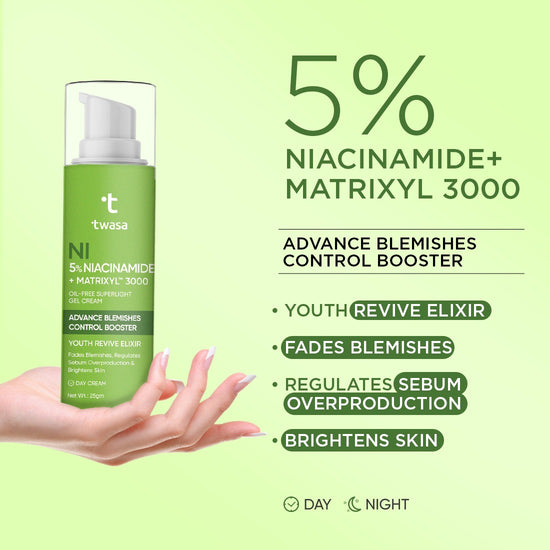
Credit: www.twasa.com
How To Choose A Niacinamide Moisturizer For Oily Skin
Choosing the right product is important. Here’s what to look for:
1. Concentration Of Niacinamide
Most studies show benefits with 2–5% niacinamide. Some products have up to 10%. High concentrations can work faster, but may cause mild irritation for very sensitive skin. Start with 2–5% if you are new.
Calm expert advice: There’s no need to rush to the highest strength. Lower concentrations are still very effective, especially when used daily.
2. Non-comedogenic Formula
Make sure the moisturizer is labeled non-comedogenic. This means it will not clog pores. Avoid heavy oils and waxes.
3. Lightweight Texture
Oily skin needs a light, water-based moisturizer. Gel or lotion textures work best. Creams are often too heavy.
Look for descriptions like “oil-free,” “gel-cream,” or “mattifying” on the label.
4. Additional Ingredients
Some moisturizers add zinc, salicylic acid, or antioxidants for extra benefits. Zinc helps with oil control, while salicylic acid keeps pores clear. Antioxidants protect against pollution.
5. No Fragrance Or Harsh Chemicals
Fragrance and harsh chemicals can irritate oily skin. Choose products with simple, clean formulas.
6. Packaging
Look for air-tight, pump bottles. Open jars can let bacteria in. Pumps keep the product fresh and clean.
7. Price And Brand Reputation
More expensive does not always mean better. Check reviews and choose brands with a good reputation for quality.
Comparing Popular Niacinamide Moisturizers
Here’s a comparison of three popular niacinamide moisturizers for oily skin.
| Brand | Niacinamide % | Texture | Extra Ingredients | Price Range |
|---|---|---|---|---|
| The Ordinary | 10% | Serum | Zinc 1% | Low |
| CeraVe | 4% | Gel Cream | Ceramides, Hyaluronic Acid | Medium |
| Paula’s Choice | 5% | Lotion | Vitamin E | High |
Practical advisor tip: If you are new to niacinamide, start with a lower concentration and a simple formula.
How To Use Niacinamide Moisturizers For Best Results
Niacinamide works best when used regularly and correctly. Follow these steps for oily skin:
Step 1: Cleanse
Wash your face with a gentle cleanser. Avoid harsh soaps or scrubs. Pat dry with a towel.
A clean face helps niacinamide absorb better and do its job more effectively.
Step 2: Apply Toner (optional)
If you use toner, choose one without alcohol. Hydrating toners can prep the skin.
Toners with soothing ingredients like aloe or chamomile can work well with niacinamide.
Step 3: Use Niacinamide Moisturizer
Apply a small amount (about a pea size) to your face. Massage gently. Cover all areas, especially oily spots like the forehead and nose.
If you use a niacinamide serum and a moisturizer, apply the serum first, then moisturizer.
Step 4: Add Sunscreen (morning Only)
If you use niacinamide in the morning, follow with sunscreen. Niacinamide can help protect against sun damage, but sunscreen is still needed.
Look for lightweight, non-comedogenic sunscreens that won’t block pores.
Step 5: Repeat Daily
Use morning and night for best results. Most people see changes in 2–4 weeks.
Consistency is key—skipping days can slow your progress.
Common Mistakes To Avoid
- Using too much product: This can make skin sticky.
- Skipping moisturizer: Even oily skin needs hydration.
- Mixing with strong acids in one step: Use acids and niacinamide at different times if you notice irritation.
- Expecting instant results: Changes take time. Be patient.
Non-obvious insight: Some people layer too many products, which can confuse the skin. Keep your routine simple for better results.
How Niacinamide Moisturizer Fits In Your Routine
Here’s a sample routine for oily skin:
- Cleanser
- Niacinamide moisturizer
- Sunscreen (morning) or spot treatment (night)
You can add serums or eye creams if needed. Niacinamide works well with most ingredients.
If your skin feels oily during the day, you can gently blot with tissue—avoid re-washing your face, which can strip the skin.
Real Results: What Studies And Users Say
Clinical Data
A 2006 study showed that 2% niacinamide reduced oil production by 27% after 4 weeks. Another study found 5% niacinamide improved acne by 60% in 8 weeks. Results are consistent across many trials.
Other studies have shown improvements in skin barrier function, reduced redness, and better hydration—even in people living in high-pollution cities.
User Experiences
Many people report:
- Less shine by midday
- Fewer breakouts
- Smoother skin texture
- Smaller pores
Some users notice a slight tingling or redness at first, but this fades with regular use.
Others share that after two or three months, makeup applies better and lasts longer, and skin looks healthier without makeup.
Data Table: Niacinamide Results Timeline
| Weeks of Use | Oil Reduction (%) | Pore Size Improvement (%) | Acne Improvement (%) |
|---|---|---|---|
| 2 weeks | 12% | 6% | 15% |
| 4 weeks | 27% | 16% | 37% |
| 8 weeks | 45% | 30% | 60% |
Friendly mentor tip: Results depend on your skin type and routine. Stick with it for at least two months to see full benefits.
Niacinamide Myths And Facts
Some people worry about niacinamide causing irritation or not working for oily skin. Let’s clear up common myths.
Myth 1: Niacinamide Makes Skin Dry.
Fact: Niacinamide hydrates and repairs the skin barrier. It does not dry out skin.
Myth 2: Only Low Concentrations Are Safe.
Fact: Up to 10% is safe for most people. Start low if you have sensitive skin.
Myth 3: Niacinamide Cannot Be Used With Acids.
Fact: Niacinamide works well with most acids. If you notice irritation, use them at separate times.
Myth 4: Niacinamide Causes Purging.
Fact: Purging is rare. Some people may see mild redness or tingling, but this fades.
Myth 5: Niacinamide Is Only For Aging Skin.
Fact: Niacinamide helps all skin types, especially oily and acne-prone skin.
Non-obvious insight: Some people think niacinamide is only for “problem skin,” but it’s actually one of the best ingredients for keeping healthy skin balanced and strong.
Practical Tips For Getting The Most From Niacinamide Moisturizers
- Patch test before full use: Apply a small amount behind your ear or on your jaw for 2 days.
- Use twice daily: Morning and night for best results.
- Combine with sunscreen: Protects skin from sun damage.
- Avoid over-layering: Too many products can cause irritation.
- Check expiration dates: Fresh products work best.
- Store in a cool, dry place: Keeps niacinamide stable.
- Watch for changes: If you see redness or irritation, pause use and try a lower concentration.
Non-obvious insight: Niacinamide can improve results of other products. For example, it boosts the effect of retinoids and helps reduce irritation from acids.
If you travel often or live in a humid climate, consider lighter gel formulas to prevent feeling sticky.
Possible Side Effects And How To Manage Them
Most people tolerate niacinamide well. Side effects are rare, but can include:
- Mild redness
- Tingling
- Itching
These usually disappear as your skin adjusts. If side effects persist, stop using the product and consult a dermatologist.
Straight-to-the-point helper tip: If you have allergies or sensitive skin, start with a patch test and use low concentrations.
If you notice breakouts, check other ingredients for pore-clogging components, as niacinamide itself is very unlikely to cause acne.
When To See A Dermatologist
If your oily skin is severe, or if you do not see improvement after using niacinamide for 8–12 weeks, consult a dermatologist. They can recommend stronger treatments or check for underlying conditions.
Persistent acne, painful cysts, or sudden changes in your skin may need prescription care.
Niacinamide And Long-term Skin Health
Using niacinamide moisturizers regularly can improve your skin’s health over years. It prevents damage, balances oil, and supports healing. You can use it as part of your routine for life.
Calm expert advice: Do not change products too often. Stick to a routine that works for your skin.
Long-term use helps your skin stay strong, resist pollution, and recover faster from irritation or breakouts.

Credit: www.amazon.com
Where To Learn More
For deeper scientific information about niacinamide, visit Wikipedia.
Frequently Asked Questions
What Is The Best Concentration Of Niacinamide For Oily Skin?
The best concentration is 2–5%. This is proven in studies to reduce oil and improve skin without irritation. Higher concentrations (up to 10%) are safe, but may cause mild tingling. Start low and increase if needed.
Can Niacinamide Cause Breakouts?
Niacinamide is non-comedogenic and does not cause breakouts. It actually prevents acne by reducing oil and calming inflammation. If you see breakouts, check other ingredients in your moisturizer.
How Long Does It Take To See Results With Niacinamide Moisturizer?
Most people see results in 2–4 weeks. Oil reduction and smoother skin happen first. Pore size and dark spots may improve in 2–3 months. Consistent use is important.
Can Niacinamide Be Used With Other Active Ingredients?
Yes, niacinamide is compatible with most actives like retinoids, acids, and antioxidants. If you notice irritation, use products at different times (morning and night).
Is Niacinamide Safe For Sensitive Skin?
Niacinamide is gentle and safe for sensitive skin. If you have allergies or react to products, start with a patch test. Use low concentrations and avoid mixing with strong acids in one step.
Clear, healthy skin is possible even if you have oily skin. Niacinamide moisturizers offer many benefits—oil control, smaller pores, fewer breakouts, and improved texture. With the right routine and product, your skin can look its best every day. Stay patient, follow tips, and enjoy the results.
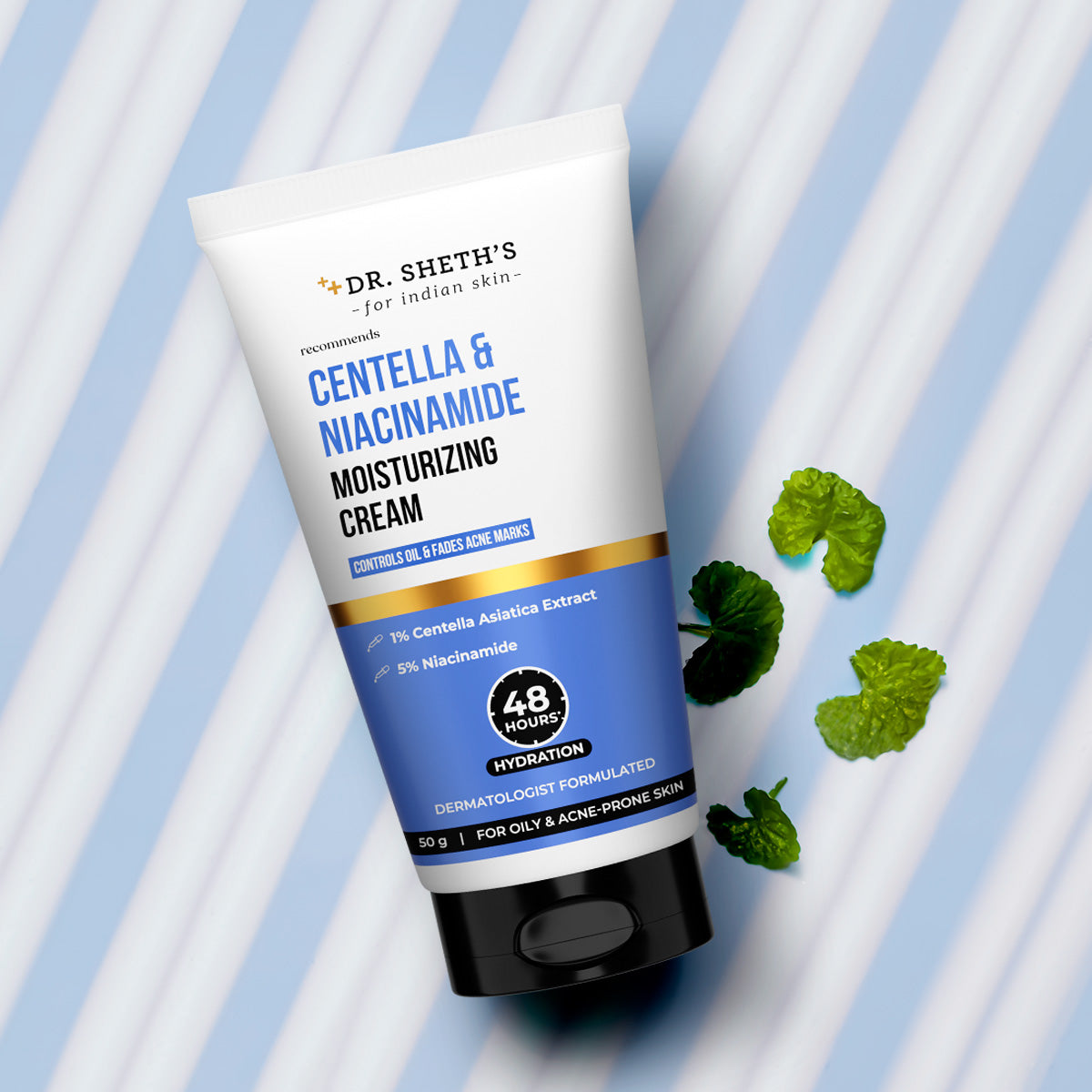
Credit: www.drsheths.com